| Quick Answer: Many running shoes are replaced after roughly 300 to 500 miles, but walking and work shoes are better judged by wear and comfort because usage varies so much. Replace shoes sooner if the outsole is worn smooth, the midsole feels flat or uneven, the heel structure has collapsed, the shoe leans to one side, or you notice new aches or fatigue. A shoe that still looks acceptable can be worn out internally. |
Shoe replacement is not just about age. The best time to replace running, walking, or work shoes depends on mileage, hours of use, surface, body weight, cushioning, outsole wear, and whether the shoe still feels stable and comfortable.
How Often Should You Replace Running Shoes?
A common guideline for running shoes is about 300 to 500 miles. Lighter racing shoes may wear sooner, while durable daily trainers can sometimes last longer. The number is only a starting point because surface, gait, runner weight, foam type, and how often the shoes are used all affect lifespan.
If a running shoe starts to feel flatter, less stable, or noticeably harsher than it did when new, pay attention even if you have not reached a target mileage.
How Often Should You Replace Walking Shoes?
Walking shoes can last a long time, but daily use adds up quickly. Someone who walks several miles every day may wear out a pair in months, while occasional walkers may keep the same pair much longer.
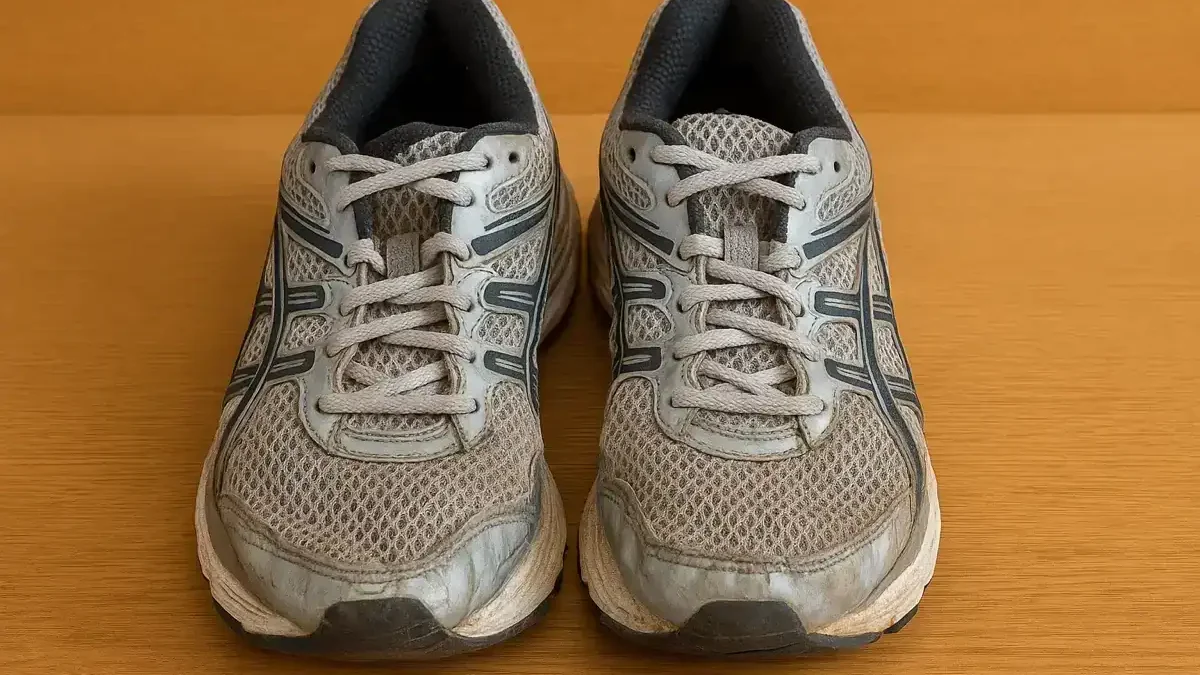
For walking shoes, look at the outsole, midsole, heel structure, and how your feet feel after longer walks. If the shoe has become uneven, less cushioned, or less secure, it may be time to replace it even if the upper still looks good.
How Often Should You Replace Work Shoes?
Work shoes should be judged by both comfort and safety. Long shifts on concrete, repeated exposure to water or oil, and constant flexing can wear down cushioning and traction faster than casual use.
If the outsole has lost its tread, a slip-resistant shoe no longer grips well, protective components are damaged, or the shoe no longer supports you through a full shift, replacement should not wait for a calendar date.
Seven Signs Your Shoes May Be Worn Out
- The outsole is worn smooth or unevenly.
- The midsole feels flat, hard, or noticeably less cushioned.
- The heel counter no longer holds your foot securely.
- The shoe leans inward or outward when placed on a flat surface.
- The upper is stretched enough that your foot moves inside the shoe.
- You notice new foot, knee, hip, or leg fatigue during normal use.
- The shoe no longer feels as stable or comfortable as it once did.
Mileage Is Helpful, but Wear Signs Matter More
Two people can wear the same model and get very different lifespans from it. A heavier user, hard-surface walker, high-mileage runner, or worker on abrasive flooring may wear a shoe down much faster than someone using it casually.
That is why a mileage or time estimate should be treated as a reminder to inspect the shoe, not an automatic expiration date.
Rotate Shoes if You Use Them Heavily
If you run frequently, walk long distances, or work long shifts, rotating between two pairs can make wear easier to notice and gives you a backup when one pair starts to feel different. It also makes side-by-side comparison useful because a worn pair often feels obviously flatter beside a newer one.
What to Buy Next
If you are replacing a shoe that worked well, start by checking whether the current version still fits the same way. If the model has been discontinued, use our Running Shoe Replacements hub to find the closest current alternative.
For broader options, browse the Best Running Shoes, Best Walking Shoes, or Best Work Shoes hubs.
You can also browse the Common Shoe Questions hub for related answers about fit, support, comfort, sizing, and buying decisions.
Why Shoes Can Feel Worn Out Before They Look Worn Out
The upper may still look clean long after the midsole has lost some of its original resilience. Foam compresses gradually, so the change can be hard to notice until you compare the old pair with a newer one. This is especially common with shoes used every day for work or walking.
If the same route or shift suddenly leaves your feet more tired, inspect the shoes even if the tread still looks acceptable.
Storage and Rotation Can Affect Lifespan
Heat, moisture, and repeated daily use can accelerate wear. Letting shoes dry between uses and rotating pairs can reduce odor and make changes in cushioning easier to notice. Rotation does not magically double lifespan, but it can help you compare how a worn pair feels against a fresher one.
Can You Repair Shoes Instead of Replacing Them?
Sometimes. Leather dress shoes and some sturdy boots can often be resoled or repaired when the upper is still in good condition. Athletic shoes are different. Once the midsole has compressed, the platform has become uneven or the cushioning no longer feels consistent, replacing the shoe is usually more practical than trying to rebuild it.
For work shoes, inspect safety features as well as comfort. A damaged safety toe, split sole, worn slip-resistant tread or compromised waterproofing can be a reason to replace the shoe even if the rest of it still looks usable.
How to Track Shoe Mileage and Wear
For running shoes, tracking mileage in a running app or simple note can give you a useful inspection reminder. For walking and work shoes, record roughly when you started using the pair and pay attention to hours of wear, outsole condition and changes in comfort. The goal is not to replace a shoe automatically at a fixed number, but to notice when performance starts to decline.