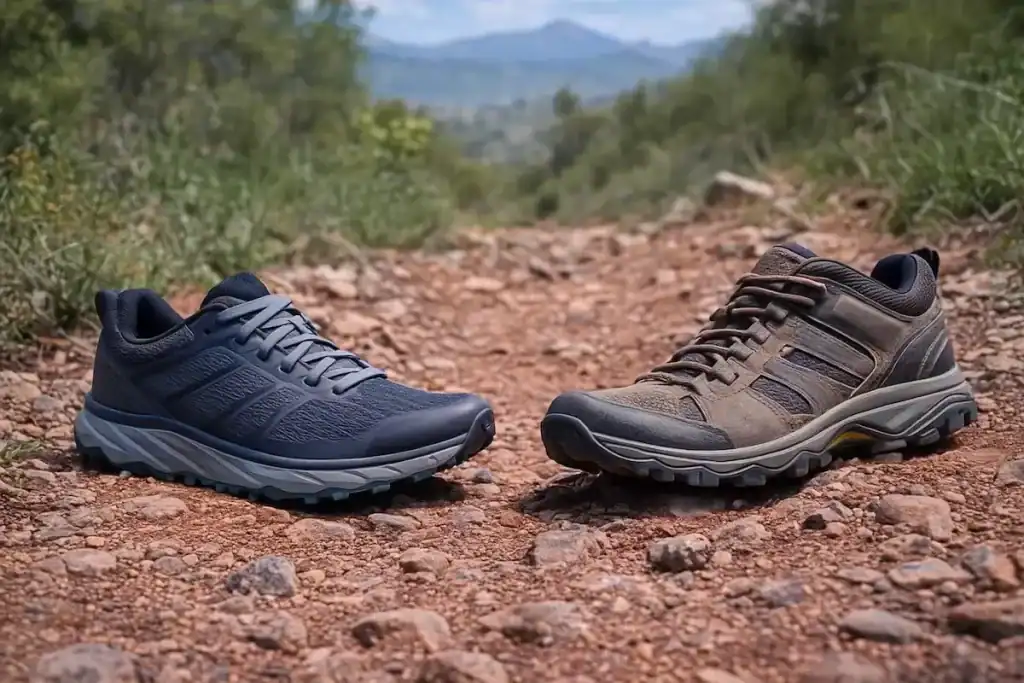
Trail running shoes vs hiking shoes is a debate every outdoor adventurer faces. With so many terrains and foot types, choosing the right footwear can make or break your comfort on the trail. Based on the latest models available on Amazon, I’ve compared top trail running and hiking shoes—each offered in men’s and women’s versions—to help you decide which category better suits your feet, movement style, and outdoor goals.
The Main Differences Between Trail Running Shoes vs Hiking Shoes
The differences between hiking boots and trail running shoes start from their conception. The hiking boots are designed to overcome even the toughest terrain. However, trail running shoes are used to make it easy to run and finish competitions fast. Here are other things that differentiate trail running shoes from hiking boots:
- Hiking boots are designed using thick materials with the sole offering protection to the entire foot, whereas trail runners are cut from lighter materials to avoid placing too heavy a load on the feet.
- Hiking boots are constructed with high collars for additional ankle support, whereas trail running shoes do not have such high support.
- Hiking shoes are designed with tough materials that make them last up to 1000 miles, whereas the trail running shoes can often only do 500 miles.
- Most hiking shoes are designed with waterproof material such as leather that makes them great pieces for hiking in cold and wet areas while trail running shoes are good for running on muddy areas, and sections with loose soil.
- Using trail running shoes is more enjoyable. They are cushioned well and movement towards your destination is faster, whereas running with hiking books can be challenging because they have less cushioning and are heavy.
Summary Table for Our Picks of Trail Running Shoes vs Hiking Shoes
Shoe Model | Gender | Best for | Topic Features | Price |
|---|---|---|---|---|
HOKA Speedgoat 6 (Trail Running) | Long-distance trail running | Max cushioning, Vibram Megagrip outsole | ||
ALTRA Lone Peak 9 (Trail Running) | Natural-feel running & light hiking | Zero-drop platform, FootShape toe box | ||
Brooks Cascadia 19 (Trail Running) | Stable daily trail running | Rock plate, adaptive midsole stabilization | ||
Salomon X Ultra 5 GTX (Hiking Shoes) | All-weather hiking | Gore-Tex waterproofing, ADV-C support chassis | ||
Merrell Moab 3 (Hiking Shoes) | Everyday hiking & weekend trails | Vibram outsole, shock-absorbing heel cushioning | ||
KEEN Targhee 4 (Hiking Shoes) | Rugged hiking & carrying heavier loads | KEEN.DRY waterproofing, reinforced toe bumper |
In-depth Reviews for Trail Running Shoes vs Hiking Shoes
Choosing between trail running shoes and hiking shoes depends on the terrain, distance, weather, and how much protection or agility you need. The following in-depth reviews break down the strengths of each model so you can find the right fit for your adventures.
HOKA Speedgoat 6 (Trail Running Shoe)
Best for: Long-distance trail running

The HOKA Speedgoat 6 continues HOKA’s legacy as one of the most reliable long-distance trail running shoes, offering exceptional cushioning without sacrificing responsiveness. Designed for runners who want to stay comfortable during extended climbs, rocky descents, and technical terrain, this latest version refines the already popular Speedgoat formula.
The midsole has been updated to feel lighter and more energetic underfoot, helping you maintain pace even when fatigue sets in. On rugged trails, the Vibram Megagrip outsole provides standout traction on loose gravel, slick rocks, and damp forest paths, giving you confidence where standard road shoes would slip. The upper has also been redesigned for improved breathability and better lockdown, creating a secure fit for uneven surfaces. Compared to earlier versions, the Speedgoat 6 offers a slightly more streamlined feel, making it a better option for those who want both cushioning and agility. Although not waterproof, its quick-drying construction helps it perform well in humid or muddy environments.
For runners with sensitive knees or frequent joint discomfort, the plush cushioning softens ground impact without feeling overly squishy or unstable. If you’re looking for a shoe that excels in comfort over long miles and handles a combination of soft trails and rocky terrain, the Speedgoat 6 remains one of the best all-around choices for trail running.
Specs
- Weight: Approx. 9.8 oz (men), 8.5 oz (women)
- Technology: Vibram Megagrip, updated CMEVA midsole
- Helps with: Joint discomfort, shock absorption, uneven terrain stability
Pros
- Exceptional cushioning
- Reliable grip on technical terrain
- Lightweight for a max-cushion shoe
Cons
- Not waterproof
- High stack height may feel unstable to some
Buy: Men’s version | Women’s version
ALTRA Lone Peak 9 (Trail Running Shoe)
Best for: Natural-feel running & light hiking

The ALTRA Lone Peak 9 is a top choice for runners and hikers who prefer a natural, barefoot-inspired experience without compromising trail protection. The defining feature of the Lone Peak series is its zero-drop platform, which encourages a more natural foot strike and helps reduce heel-impact stress. For users who want to strengthen their feet and ankles over time, this geometry promotes better balance and alignment on uneven surfaces.
The Lone Peak 9 introduces an updated upper that feels more breathable and adaptive, allowing the shoe to move with the foot rather than restrict it. ALTRA’s FootShape toe box remains one of the best options for anyone who struggles with toe compression, bunions, neuromas, or wider feet. Despite its flexible ride, the shoe includes a stone guard that offers adequate protection from sharp rocks, making it versatile enough for both dirt paths and rocky trails. Traction is dependable thanks to the MaxTrac outsole, which grips well on loose dirt, moderate inclines, and gravel.
While not as cushioned as a HOKA model, the Lone Peak 9 offers enough softness for mid-distance outings while still keeping ground feel intact. It’s a particularly strong option for fast hikers, ultralight packers, and trail runners who want agility rather than bulky support. This model continues to be a favorite for thru-hikers on long-distance trails like the PCT and AT due to its comfort, weight, and breathability.
Specs
- Weight: Approx. 10.7 oz (men), 9.2 oz (women)
- Technology: Zero-drop platform, FootShape toe box, MaxTrac outsole
- Helps with: Toe splay, bunions, forefoot pressure relief
Pros
- Natural-feel fit
- Spacious toe box
- Versatile for running or hiking
Cons
- Less cushioning than competitors
- Not ideal for heavy loads
Buy: Men’s version | Women’s version
Brooks Cascadia 19 (Trail Running Shoe)
Best for: Stable daily trail running
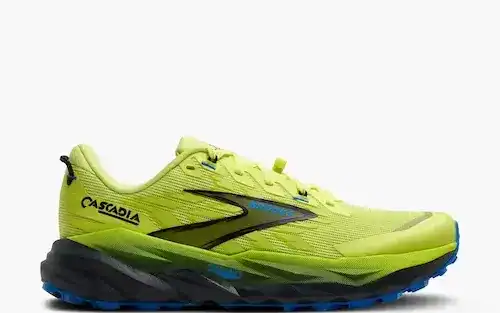
The Brooks Cascadia 19 is built for trail runners who value stability, predictability, and all-around performance on mixed terrain. This model introduces improvements in structure while keeping the grounded, secure feel longtime Cascadia fans expect. Its updated midsole provides a slightly softer underfoot experience while maintaining enough firmness to prevent wobbling on uneven surfaces.
One of the standout features is the integrated rock plate, which adds a layer of protection from sharp debris without making the shoe feel stiff. The outsole lugs are strategically placed to offer reliable traction on both dry and wet surfaces, making the Cascadia 19 a dependable choice for year-round running. The upper is reinforced for durability but still breathable enough for long-distance comfort. For runners with mild overpronation or those who need extra support, this shoe provides a stable platform that reduces ankle rolling and fatigue.
While it isn’t the lightest trail runner, its slightly more robust build gives it a confidence-inspiring feel, especially on rocky or root-covered paths. The Cascadia 19 fits best for runners seeking comfort, support, and durability wrapped into a daily training shoe that performs consistently. Whether you’re navigating technical singletrack or cruising on well-groomed trails, the Cascadia’s versatility stands out.
Specs
- Weight: Approx. 10.5 oz (men), 9.3 oz (women)
- Technology: Rock plate, Trail Adapt System, durable outsole lugs
- Helps with: Mild overpronation, foot fatigue, uneven terrain protection
Pros
- Stable and supportive
- Strong traction
- Durable build
Cons
- Heavier than some competitors
- Not ideal for fast racing
Buy: Men’s version | Women’s version
Salomon X Ultra 5 GTX (Hiking Shoe)
Best for: All-weather hiking
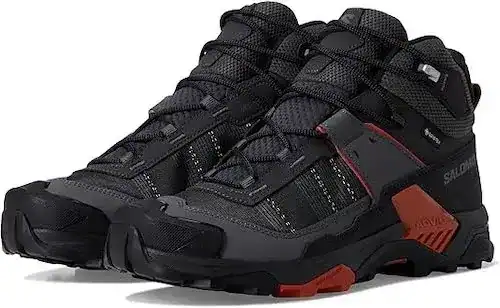
The Salomon X Ultra 5 GTX running shoe is engineered for hikers who need reliable traction, waterproof protection, and stability during long days on the trail. This model improves upon the previous version with a redesigned chassis aimed at enhancing lateral support, especially on descents.
The Gore-Tex membrane ensures your feet stay dry through rain, puddles, and shallow stream crossings without feeling overly warm or sweaty. The Contagrip outsole, one of Salomon’s strongest features, grips confidently on rock, mud, and loose dirt, giving the shoe dependable performance across unpredictable conditions. Even though it’s a hiking shoe, it retains a lightweight feel that appeals to fast hikers and backpackers who want to conserve energy. The fit is secure around the midfoot, helping prevent sliding during steep climbs or technical sections, while the toebox offers enough room to avoid pressure over long distances. Its versatility shines on multi-day treks or wet-weather hikes where protection and stability matter most.
While not as soft as trail running shoes, the cushioning provides enough comfort for moderate to long-distance outings while still feeling structured and durable. For hikers prioritizing waterproofing and all-condition grip, the X Ultra 5 GTX remains one of the top-performing lightweight hiking shoes available.
Specs
- Weight: Approx. 13.2 oz (men), 11.2 oz (women)
- Technology: Gore-Tex membrane, ADV-C support chassis, Contagrip MA outsole
- Helps with: Wet conditions, ankle stability, uneven trail control
Pros
- Excellent waterproofing
- Great traction in all weather
- Lightweight for a hiking shoe
Cons
- Slightly narrow fit
- Firmer underfoot feel
Buy: Men’s version | Women’s version
Merrell Moab 3 (Hiking Shoe)
Best for: Everyday hiking & weekend trails
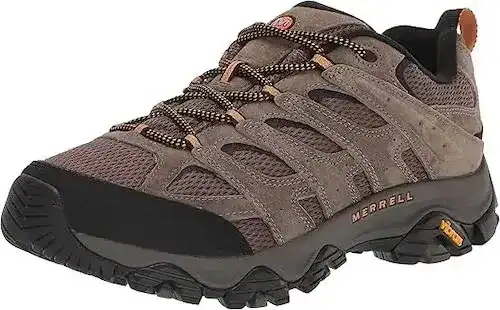
The Merrell Moab 3 continues its reputation as one of the most popular and accessible hiking shoes on the market. Known for comfort straight out of the box, the Moab 3 delivers a familiar cushioned feel that appeals to casual hikers, travelers, and anyone wanting a reliable shoe for mixed terrain.
With the latest version, Merrell enhances breathability and cushioning while maintaining the supportive structure that makes it stand out. The shoe features a Vibram outsole that offers dependable traction on rocky paths, packed dirt, and light mud. Its cushioning system includes a supportive EVA midsole and an air cushion in the heel that absorbs shock effectively, helping reduce fatigue on longer walks. The reinforced toe cap and sturdy upper add durability without sacrificing comfort, making this shoe a favorite for day hikes and moderate backpacking. While heavier than trail runners, it provides the stability many hikers prefer.
The Moab 3 also fits a wide range of foot shapes and is especially appreciated by those with plantar fasciitis or heel pain because of its generous heel cushioning and arch support. If you want a versatile hiking shoe that excels in comfort, durability, and value, the Moab 3 remains one of the best all-around options.
Specs
- Weight: Approx. 12 oz (men), 10.5 oz (women)
- Technology: Vibram outsole, Merrell Air Cushion, EVA midsole
- Helps with: Heel pain, plantar fasciitis, fatigue reduction
Pros
- Comfortable out of the box
- Supportive cushioning
- Good durability
Cons
- Heavier than trail runners
- Less agile on technical terrain
Buy: Men’s version | Women’s version
KEEN Targhee 4 (Hiking Shoe)
Best for: Rugged hiking & carrying heavier loads

The KEEN Targhee 4 hiking shoe is built for hikers who want a sturdy, protective shoe capable of handling rugged trails, heavier backpacks, and long days in unpredictable environments. KEEN has reinforced the structure of this model with improved durability in the toe bumper, heel counter, and midfoot support frame.
The shoe features KEEN.DRY waterproofing, which offers reliable protection in wet conditions while remaining breathable enough for warm-weather hikes. Its outsole includes aggressive multi-directional lugs that provide secure traction on rock, dirt, mud, and steep inclines. Compared to lighter hiking shoes, the Targhee 4 shoe offers more structure, making it ideal for hikers who want extra ankle control and a secure feel on uneven terrain.
The fit is characteristic of KEEN, offering a wider forefoot that accommodates broad feet, bunions, or swelling during long treks. Cushioning is firm but comfortable, making the shoe suitable for all-day use. The stability provided by the shank and midsole helps support heavier loads, making this shoe a solid choice for backpackers or hikers navigating trhough tough terrain. If you need a protective, rugged hiking shoe with dependable traction and a roomier fit, the Targhee 4 hiking shoe is one of the best options available today.
Specs
- Weight: Approx. 15 oz (men), 13 oz (women)
- Technology: KEEN.DRY waterproofing, stability shank, all-terrain rubber outsole
- Helps with: Wide feet, added load support, rough terrain
Pros
- Very durable
- Excellent traction
- Great for wide feet
Cons
- Heavier than other hiking shoes
- Less flexible during fast movement
Buy: Men’s version | Women’s version
Buyer’s Guide for Trail Running Shoes vs Hiking Shoes
Choosing between trail running shoes and hiking shoes depends on your terrain, mileage, weather conditions, and the level of protection your feet require. While both categories are built for the outdoors, they are engineered with very different priorities, and understanding those differences can help you select footwear that enhances comfort rather than creating pain or fatigue. Trail running shoes are designed to be lightweight, agile, and responsive, making them ideal for moving quickly across varied terrain. Their cushioning tends to be softer, promoting smooth transitions and reducing impact over long distances. However, they typically offer less structure and durability than hiking shoes, which means they may wear down faster or feel less secure on steep, rocky climbs.
Hiking shoes, by contrast, emphasize stability, protection, and long-term durability. They often include reinforced toe caps, sturdier uppers, and more supportive midsoles, making them better suited for rough terrain, heavy backpacks, and multi-day outings. While they are heavier than trail runners, this additional weight translates into improved foot protection and confidence when navigating rocks or uneven surfaces. Waterproofing is another major difference: many hiking shoes feature membranes like Gore-Tex, which help keep your feet dry in rain or mud. In contrast, most trail running shoes prioritize breathability and fast drainage, making them more comfortable in warm or humid conditions.
When selecting the right shoe, consider your pace, distance, environment, and foot shape. Runners who value agility and cushioning typically benefit from trail running shoes, while hikers who need durability, stability, and weather protection should lean toward hiking shoes. Testing both categories, noting how your feet respond during longer outings, and considering common issues such as heel pain, ankle instability, or pressure points can all guide you toward the best match for your needs.
Recommended Shoes
If you frequently train or explore rugged environments, selecting proper footwear is essential to preventing discomfort, fatigue, or injury—especially on varied terrain. Throughout this guide, we’ve compared the top trail running and hiking shoes to help you make an informed decision based on your needs, foot shape, and preferred terrain.
From this list, the HOKA Speedgoat 6 is our recommended trail running shoe. It delivers an excellent balance of cushioning, protection, and traction, making it ideal for runners who regularly tackle steep ascents, technical descents, or long ultradistance-style outings. The plush EVA midsole softens impact without feeling unstable, while the Vibram Megagrip outsole provides outstanding traction on loose, slick, or uneven terrain. The upper offers secure midfoot lockdown with enough forefoot space for toe splay during long miles, enhancing both comfort and control. For wet or cold conditions, a GORE-TEX version is available, giving this already versatile trail shoe an even broader range of performance.
For hikers, our top recommendation is the Salomon X Ultra 5 GTX. This shoe stands out for its stability-oriented design, lightweight feel, and all-weather protection. The Gore-Tex membrane keeps feet dry in rain, mud, and shallow stream crossings, while the ADV-C support chassis enhances lateral stability on uneven or slippery terrain. Its Contagrip outsole grips confidently on rocks, roots, and loose soil, making it a dependable option for challenging hikes or multi-day treks. The secure fit around the midfoot, paired with agile forefoot flex, creates a supportive yet comfortable ride for long days on the trail. For hikers who want a lightweight but durable shoe capable of handling unpredictable terrain and wet conditions, the X Ultra 5 GTX is a top-tier choice.