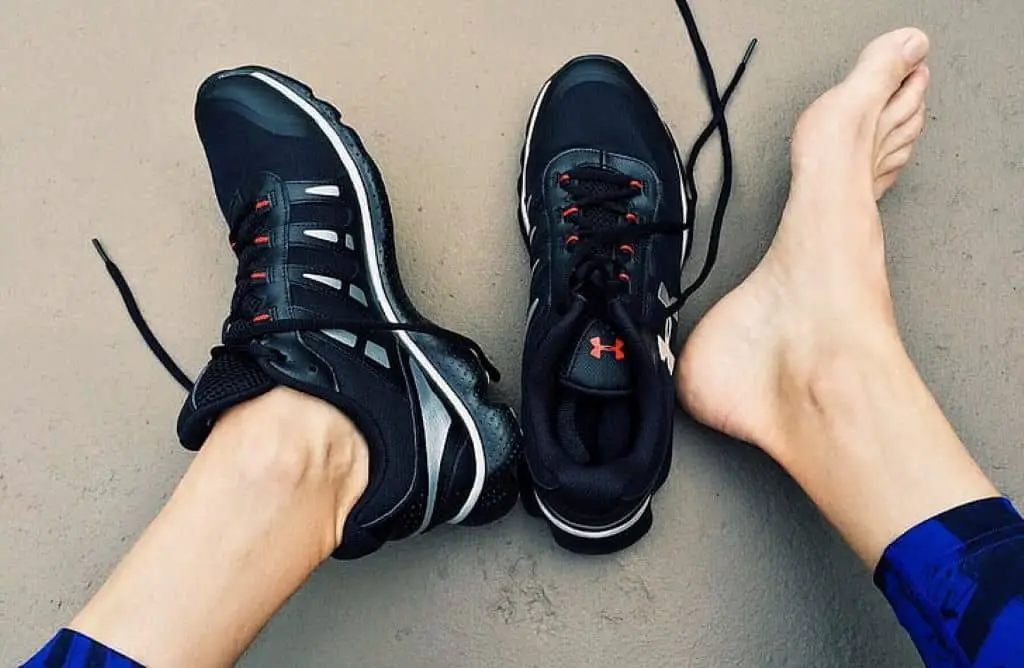
Quick Answer: Plantar fasciitis is a common cause of heel pain involving irritation of the plantar fascia on the bottom of the foot. Footwear will not cure it, but supportive, well-cushioned shoes can reduce irritation for many people. Look for a secure heel, enough arch support for your foot, cushioning under the heel and a stable platform. Avoid spending long periods barefoot or in very flat, unsupportive footwear if that worsens symptoms. This page connects BWF’s plantar fasciitis shoe guides, sandals, running shoes, work footwear and recovery resources.
Cleveland Clinic recommends sturdy, well-cushioned shoes and advises against flat sandals or flip-flops without built-in arch support when plantar fasciitis is active. Footwear is only one part of management; stretching, activity changes, orthotics and other treatments may also be recommended depending on the case.
Start With the Right Plantar Fasciitis Guide
- Best Shoes for Plantar Fasciitis — overall footwear guide.
- Best Shoes for Women With Plantar Fasciitis.
- Best Shoes for Men With Plantar Fasciitis.
- Best Running Shoes for Plantar Fasciitis.
- Best Sandals for Plantar Fasciitis.
- Plantar Fasciitis Recovery Time.
What to Look for in Shoes
There is no single shoe that works for everyone with plantar fasciitis. In general, look for a stable platform, cushioning under the heel, a secure heel counter and enough arch support that the shoe feels comfortable rather than intrusive. A rocker sole can reduce forefoot bending in some shoes, while a removable insole can make it easier to use an orthotic.
Running With Plantar Fasciitis
If running aggravates symptoms, reducing load temporarily may matter more than changing shoes. When you return, use a shoe that feels stable and comfortable and avoid making multiple changes at once. Our running-shoe guide compares current options for runners who need more cushioning or support.
Work and Standing All Day
Jobs that involve long periods on hard floors can aggravate heel pain. If your workplace allows athletic footwear, cushioned walking or running shoes may help. If you need slip resistance or safety features, start with our Best Work Shoes hub instead of choosing a soft road-running shoe that does not meet the job requirements.
When to Get Medical Advice
See a healthcare professional if heel pain is severe, follows an injury, includes numbness or weakness, or does not improve with a reasonable period of home care. Persistent heel pain can have causes other than plantar fasciitis, so diagnosis matters.
Latest Plantar Fasciitis Guides

Best Shoes for Plantar Fasciitis and Wide Feet in 2026

Best Shoes for Plantar Fasciitis for Women in 2026
Best Walking Shoes for Plantar Fasciitis in 2026
Hoka vs. Brooks for Plantar Fasciitis: Which Should You Choose for Walking Standing and Comfort?
What Heel Drop is Best for Plantar Fasciitis?
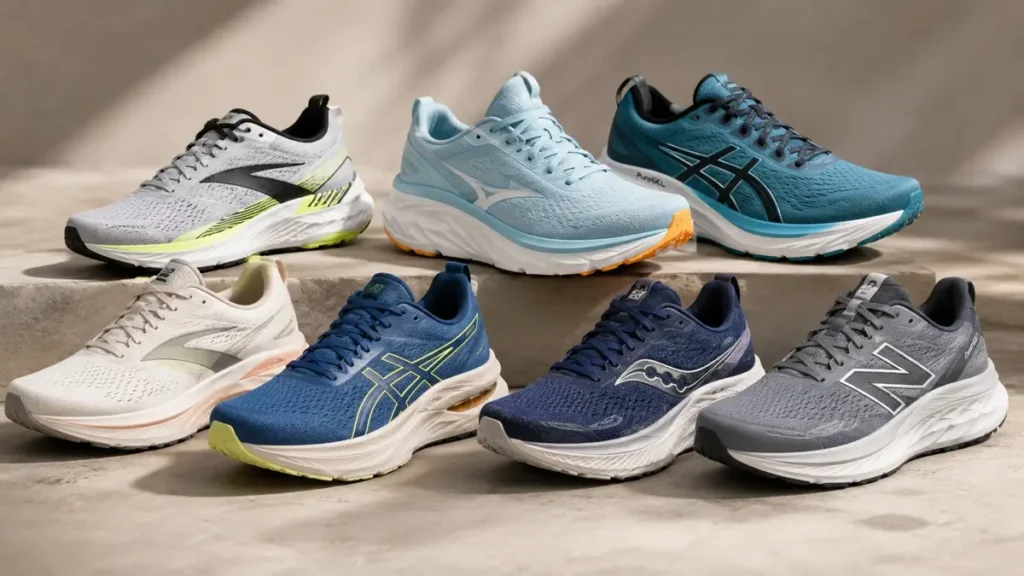
Best Running Shoes for Plantar Fasciitis in 2026
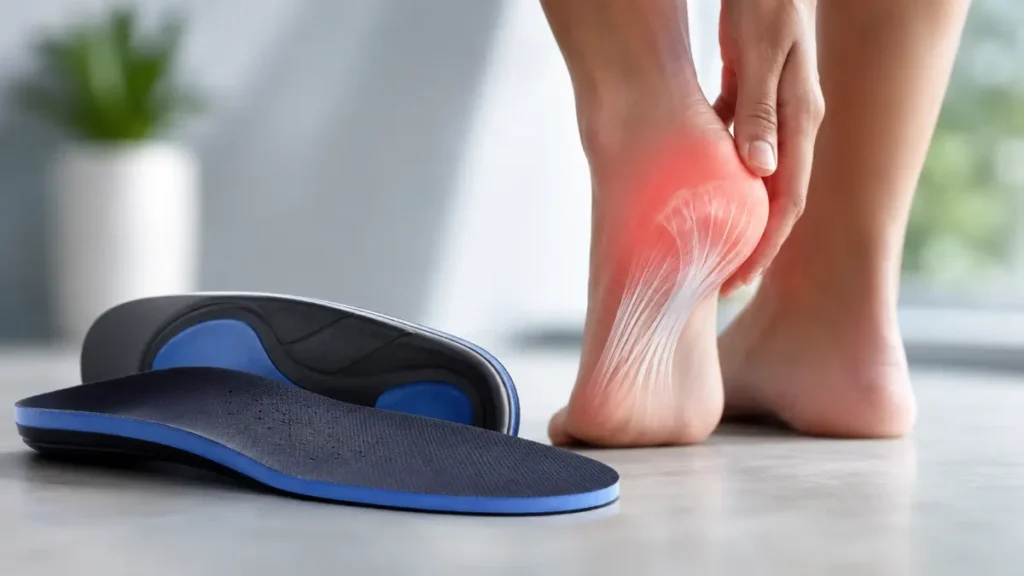
Do Orthotic Insoles Work for Plantar Fasciitis? What the Evidence Says

Plantar Fasciitis Recovery Time: How Long Healing Takes and What Actually Helps

Review: Hoka Arahi 8 – Balanced Stability with a Fresh Update
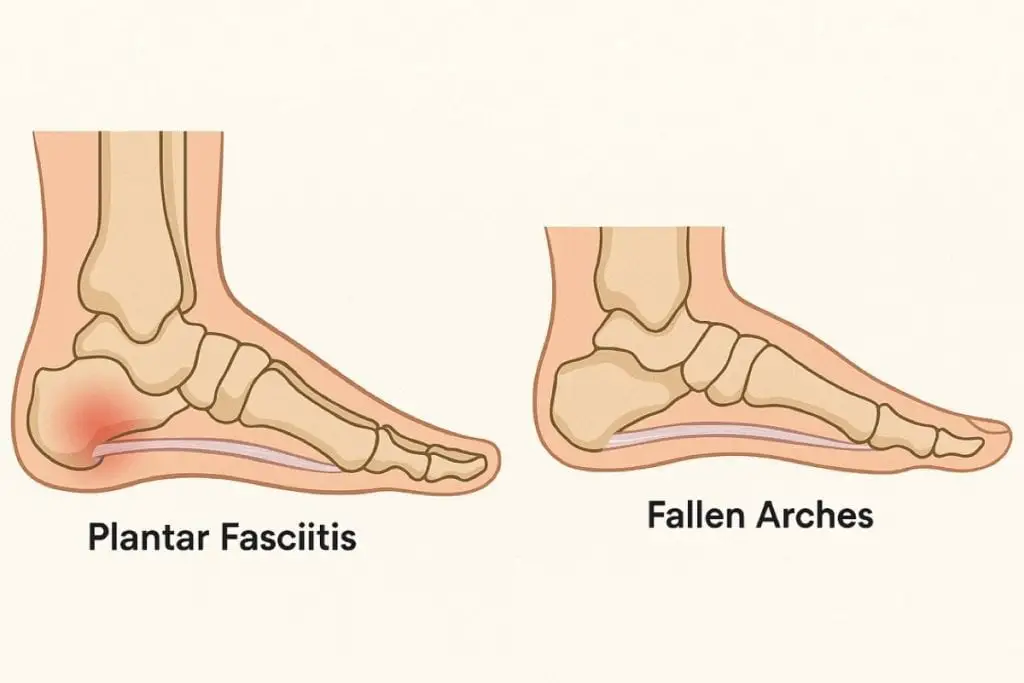
Difference Between Fallen Arches and Plantar Fasciitis

Signs Your Plantar Fasciitis Is Healing

Best Socks for Plantar Fasciitis: Support, Compression, and Relief

Ultimate Guide to Plantar Fasciitis
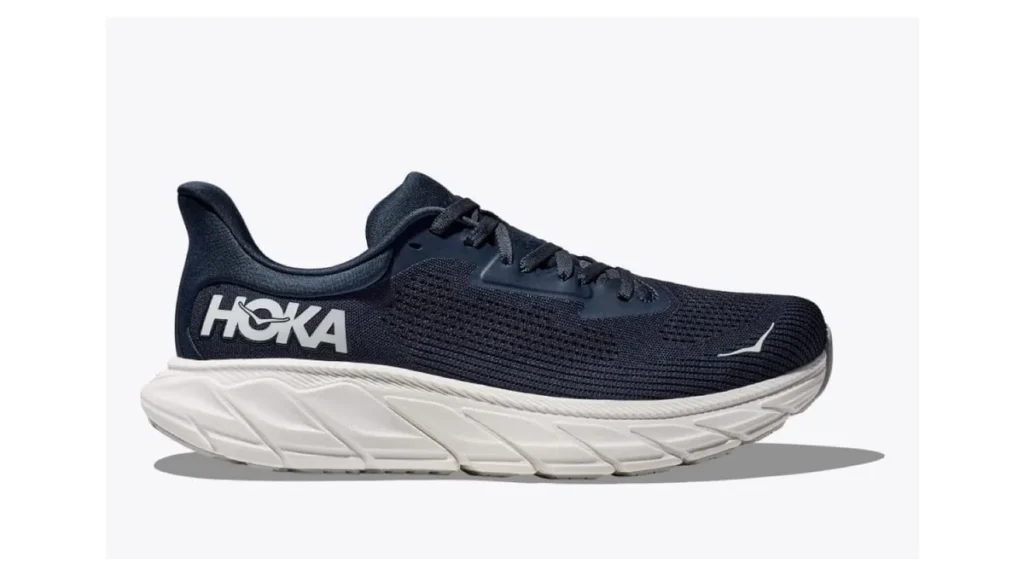
Hoka Arahi 7 Review: Firm, Lightweight Stability for Walking and Easy Runs

Best Insoles and Shoe Inserts for Foot Health in 2026: 7 Current Picks

What is Plantar Fasciitis?
Best Men’s Shoes for Plantar Fasciitis in 2026
Best Dress Shoes for Plantar Fasciitis in 2026

Best Sandals for Plantar Fasciitis in 2026: 6 Supportive Picks

Can I Still Run with Plantar Fasciitis?