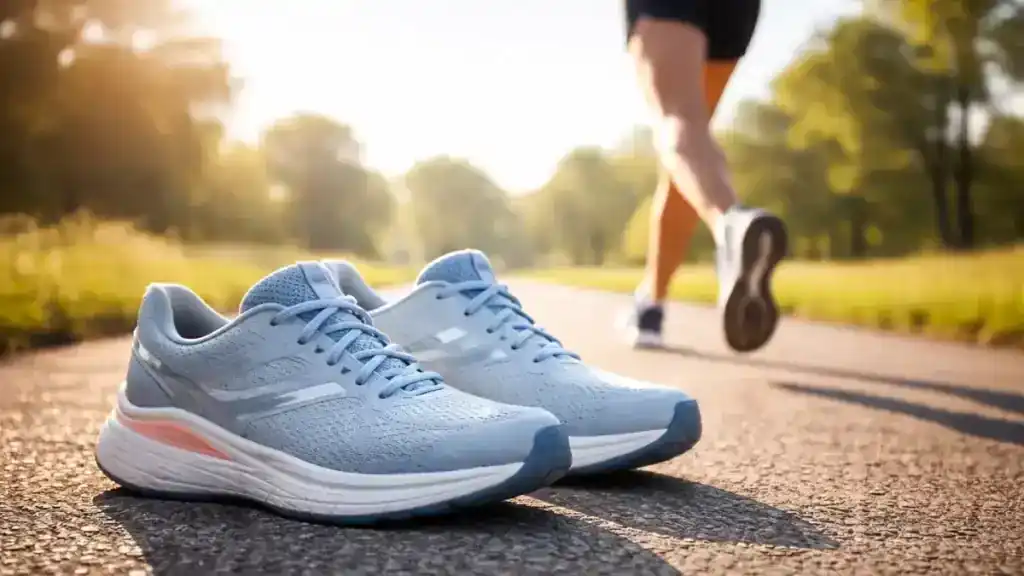
Neutral running shoes are trainers built for everyday mileage that provides cushioning and comfort without built-in corrective support to guide your foot inward or outward as you run. If you’ve ever wondered what “neutral” means in shoe descriptions, it’s not a statement about softness, speed, or quality. Instead, it’s a category describing whether the shoe is designed to correct motion (like overpronation) or simply support a natural stride.
Most runners start with neutral trainers because they’re versatile, widely available, and comfortable for a range of training styles. Neutral trainers can be soft or firm, highly cushioned or more responsive. The defining feature is that they do not include dedicated stability structures in the shoe that are meant to limit inward rolling.
If you’re searching terms like “neutral running shoes,” “neutral trainer meaning,” or “neutral vs stability running shoes,” you’re in the right place.
Who should choose a neutral trainer?
A neutral trainer is typically a strong choice if your stride feels stable and you don’t notice your feet or ankles collapsing inward as you run. I’m my case I am a natural pronator, as are many people, and so I tend to run on stability shoes such as the ASICS Gel-Kayano and most recently the ASICS 2000 v14.
Neutral shoes also work well if you slightly roll outward (supinate), since they don’t force motion correction that can feel uncomfortable for that gait.
Neutral trainers are also a good match if you want one shoe for most weekly miles—easy runs, long runs, treadmill runs, and general training—without the more structured feel of stability footwear.
Many runners also choose neutral trainers because they want a smoother, more natural transition underfoot, especially if stability shoes feel restrictive.
Neutral vs. stability vs. motion control
The clearest way to understand these categories is to focus on how much guidance the shoe provides.
A neutral trainer cushions impact and supports comfort, but it does not attempt to correct gait.
A stability shoe adds structure designed to reduce excessive inward roll (overpronation). Modern stability designs often do this with firmer foam, supportive shaping, or sidewalls that help the foot stay aligned without feeling stiff.
A motion-control shoe is the most structured category. It’s designed for severe overpronation or major inward collapse and typically feels firmer and more controlling than a stability shoe.
One important point for readers: stability and motion control aren’t “better” than neutral. They’re simply different design philosophies intended for different movement patterns.
How do you know if you need neutral or stability?
The best clues usually show up after the first few miles—when fatigue affects form.
If you feel stable from start to finish, neutral is often a safe and comfortable choice. If you start stable but become wobbly later, stability may help. You can also look at wear patterns. Heavy wear along the inside edge of the heel or forefoot can be a sign you’re rolling inward more than you think.
A running store gait analysis can help, but comfort testing matters more than a label. If a stability shoe feels smoother, more secure, and less tiring during a longer test run, that’s meaningful.
Many runners also rotate types: neutral on short runs, stability on long runs, or stability when recovering and form is less consistent.
Misconceptions about neutral trainers
A common misconception is that neutral trainers are “for advanced runners.” In reality, they’re often the default category for beginners because they’re comfortable and flexible.
Another misconception is that foot shape determines shoe category. People often assume flat feet always require stability and high arches always require neutral. Arch shape can offer hints, but it doesn’t guarantee how you pronate while running. A runner with flat feet may have a stable gait, while a runner with average arches may overpronate and prefer stability.
A third misconception is that neutral equals soft. Some neutral shoes are very firm and some stability shoes are very cushioned. The category is about structure, not plushness.
Foot types table, and which shoe type to choose
Arch shape isn’t a perfect predictor, but many readers search this way. The table below shows typical matches, along with popular shoes people often consider for each category.
Foot type / arch type | Typical mechanics (common, not guaranteed) | Shoe type most often recommended | Recommended shoes (Amazon search links) |
|---|---|---|---|
High arches | Often supination (underpronation) and less shock absorption | Neutral trainer (often cushioned) | |
Medium / average arches | Often neutral pronation | Neutral trainer | |
Low arches / flat feet | Often overpronation, but not always | Stability shoe or neutral (depends on gait) | |
Very low arches + obvious inward collapse | More likely severe overpronation | Motion-control or max stability |
Top Running Shoe Lines by Type (Neutral, Stability, and Motion Control)
Neutral, stability, and motion-control shoes aren’t just marketing labels—they’re shorthand for how a shoe is designed to support your stride. Neutral shoes generally work best when your feet and ankles track relatively straight, while stability and motion-control shoes add structure to help manage varying degrees of overpronation (when the foot rolls inward). Since model numbers change frequently, the shoe line is often the most useful way to compare options—then you can check the most recent version when you shop.
If you are looking fora recommendation for a neutral shoe as a walker, scroll to the table below.
Shoe name (with link to vendor info) | Type (neutral, stability, motion control) | Foot types (typical match) | Runner / Walker Type | Price |
|---|---|---|---|---|
Neutral | Neutral arches; medium–high arches | Balanced daily trainer for neutral runners and walkers; good for high-mileage walking and easy runs. | ||
Neutral | Neutral arches; medium–high arches | Maximum cushioning and comfort; strong pick for longer walks and recovery runs. | ||
Neutral | Neutral arches; medium arches; some mild overpronators | Lightweight cushioning and a smooth ride; popular for daily walking and steady runs. | ||
Neutral | Neutral arches; medium arches | Versatile option for walking, treadmill, and casual runs; works well for many neutral gait types. | ||
Neutral | Neutral arches; medium–high arches | Plush cushioning without feeling heavy; good for foot fatigue and long days on your feet. | ||
Stability | Flat to medium arches; mild–moderate overpronation | Structured support for walkers and runners who overpronate; comfort-focused stability. | ||
Stability | Flat to medium arches; mild–moderate overpronation | Supportive but not bulky; good for people who want stability without a stiff feel. | ||
Stability | Flat to medium arches; mild–moderate overpronation | Smooth transition with reliable support; strong everyday stability trainer for walking or running. | ||
Stability | Flat to medium arches; moderate overpronation | Consistent pronation control and durability; often a good match for heavier runners and walkers. | ||
Stability | Flat to medium arches; moderate overpronation | Premium stability with a cushioned feel; good for overpronators prioritizing comfort. | ||
Motion Control | Flat feet; low arches; severe overpronation | Maximum structure for severe overpronation; popular among heavier runners and walkers. | ||
Motion Control | Flat feet; low arches; severe overpronation; orthotics users | Maximum support for significant pronation; commonly chosen by orthotics users and people who need a stable base. |
Top Neutral Walking Shoes by Walker Type
Here is a breakdown of the neutral walking shoes you should consider in 2026 as an avid walker and based on your foot health needs.
Shoe model (linked to Amazon listing) | Best for | Walker type | Key feature | Pricing (links to check current price) |
|---|---|---|---|---|
All-purpose daily walking | Walkers who want a classic, smooth feel | Balanced cushioning with an easy, predictable transition | ||
Travel + long walks | Walkers who want soft cushion without bulk | Lightweight cushioning with a smooth rocker-style roll | ||
Maximum comfort on hard surfaces | Walkers who want impact reduction | Max-cushion design for long wear and hard surfaces | ||
Plush comfort for longer days | Walkers who want soft landings | High-cushion neutral platform built for comfort | ||
Balanced daily walking | Walkers who want cushioning without extreme softness | Versatile neutral cushioning that works across many foot types | ||
Urban walking + errands | Walkers who want durability and a familiar feel | Reliable cushioning and durability for daily wear | ||
Dependable everyday walking | Walkers who want a comfortable neutral daily shoe | Updated Ride design with a smoother daily-miles feel | ||
Long walks and travel days | Walkers who want plush comfort and fit options | Soft Fresh Foam cushioning; often available in wide widths | ||
Cushion with energy return | Walkers who like a bouncy, lively feel | Springy ride that stays comfortable over distance | ||
Easy casual walking | Walkers who prioritize convenience and value | Slip-on design with comfort-first cushioning |
When a neutral trainer is not the best choice
A neutral trainer may not be the right fit if you consistently feel unstable, notice your ankles rolling inward, or deal with recurring pain that seems tied to overpronation. It’s also a warning sign if you regularly wear down the inner edge of your shoes, or if your feet feel like they “fall in” during longer runs or walks. In those cases, it’s worth testing stability or motion-control designs to see whether added structure improves comfort and alignment.
Neutral trainers can also be a poor match if you’ve repeatedly tried neutral shoes and ended up with the same fatigue-related discomfort each time. When that pattern repeats, the more productive move is usually to try a stability shoe rather than forcing another neutral option.
Quick decision guide: neutral vs. stability vs. motion control
Neutral trainers are a strong choice when your stride feels naturally stable and comfortable. They’re also a good starting point for new runners (or anyone increasing walking distance) when there are no obvious signs of instability, because they offer flexibility and a wide range of cushioning levels.
Stability shoes are often the better choice when fatigue causes your stride to collapse inward, when you feel “wobbly” in neutral shoes, or when wear patterns and recurring discomfort suggest mild to moderate overpronation.
Motion-control shoes are typically reserved for more severe inward collapse, flatter feet with significant overpronation, or situations where stability shoes still feel too unstable.
If you’re torn between neutral and stability, the most practical approach is to test both on the same route and compare how your legs, feet, and knees feel after 20–30 minutes.
Top 10 Recommended Neutral Trainers for 2026
Here are our top picks if you are shopping for neutral running shoes in 2026, both for runners and walkers.
Shoe model | Best for | Runner/walker type | Key feature | Pricing |
|---|---|---|---|---|
Daily miles with a bouncy feel | Neutral runners who want energy return; also good for mixed paces | High-stack, lively foam with a smooth rocker-like transition | ||
Versatile everyday trainer | Neutral runners and walkers who want a reliable all-rounder | Balanced cushioning and durability for varied workouts | ||
Comfort + steady daily training | Neutral runners and walkers who want a smooth, stable-feeling ride | Soft, smooth cushioning and consistent transitions | ||
Plush cushioning | Neutral runners who want maximum comfort (easy days, long runs) | High-cushion neutral platform with premium comfort | ||
Daily trainer that can handle variety | Neutral runners who want softness with some responsiveness | Updated midsole foam for lighter, more agile feel | ||
Easy runs and walking comfort | Neutral runners/walkers who want a light, cushioned, smooth ride | Lightweight cushioning with a rolling transition | ||
Maximum cushioning for impact reduction | Runners/walkers who want a protective, soft ride | High-stack cushioning designed for comfort over long durations | ||
Smooth daily trainer value pick | Neutral runners who want classic cushioning without extremes | Shock absorption + balanced feel for everyday use | ||
Reliable neutral daily trainer | Neutral runners who want comfort + value for training | Consistent, comfortable ride that works for most runs | ||
Budget-friendly neutral trainer | Neutral runners who want a durable daily shoe | Strong value with an energetic midsole feel |
Glossary of Terms Related to Neutral Trainers
Below are the key running-shoe terms readers commonly search together, with simple definitions you can place on the same page.
Neutral trainer
A running shoe designed for cushioning and comfort without built-in corrective support. Neutral trainers allow the foot to move naturally and are typically recommended for neutral pronation or mild supination.
Stability shoe
A running shoe that includes supportive design features to help reduce excessive inward rolling of the foot (overpronation). Stability shoes typically feel more structured through the midsole and heel than neutral models.
Motion-control shoe
A highly structured running shoe designed for severe overpronation or significant inward collapse. Motion-control shoes aim to limit unwanted motion more than stability shoes and often feel firmer and more supportive.
Pronation / overpronation / supination
Pronation is the natural inward roll of the foot after landing, which helps with shock absorption.
Overpronation is when the foot rolls inward more than usual, sometimes leading to instability.
Supination (also called underpronation) is when the foot rolls outward, often reducing natural shock absorption.
Arch support
Arch support refers to how a shoe supports the arch area of the foot, often through shape or firmness under the midfoot. Stability is different: it refers to how the shoe helps control motion during running. A shoe can have noticeable arch support without being a stability shoe, and a stability shoe may not feel like it has strong arch “pressure.”
Heel-to-toe drop
The difference in height between the heel and the forefoot in a shoe, usually measured in millimeters. A higher drop places the heel higher than the toes and can shift load slightly away from the Achilles, while a lower drop can increase engagement of the calves and Achilles for some runners.
Daily trainer
A versatile running shoe built for regular use and consistent mileage. Daily trainers are designed for durability, comfort, and moderate performance and can be neutral or stability shoes depending on how they’re built. See daily trainers on Amazon.
FAQ About Neutral Trainers
Here is our frequently asked questions about neutral trainers.
It means the shoe is designed without built-in corrective support and is intended to work with a neutral stride rather than guide foot motion.
Not necessarily. “Daily trainer” describes the purpose (everyday mileage). Daily trainers can be neutral or stability shoes. Brooks Ghost is a popular neutral daily trainer, while the Brooks Adrenaline GTS is a stability daily trainer designed for runners who want more guidance.
Runners with a stable stride, neutral pronation, or mild supination often feel best in neutral trainers.
Sometimes. Flat feet can correlate with overpronation, but some runners with flat feet have stable gait mechanics and do fine in neutral shoes. Here is a neutral option for some runners with flat feet: New Balance Fresh Foam 1080
Some do, but neutral does not mean “no arch support.” Neutral refers to the absence of corrective stability structures. Try the ASICS Gel-Nimbus.
No. Many runners and walkers choose stability shoes simply because they feel more secure and less tiring, especially on longer runs or walks.
Common signs include visible inward ankle collapse, inner-edge wear on shoes, fatigue-related wobbling, and recurring discomfort associated with overpronation.
For some runners, yes, especially those with severe overpronation or strong inward collapse that stability shoes don’t address.
Yes. Many neutral trainers have wide platforms and secure uppers that feel stable without corrective guidance.
Often, yes, if you remain stable through fatigue. If you collapse inward later in long runs or as a long walk progresses, a stability shoe may feel better.
If stability shoes feel intrusive or cause discomfort, neutral may be better. Comfort in motion matters more than category labels.
Yes. Many runners use neutral shoes for short runs and stability shoes for longer runs or recovery.
It’s a useful starting point, but determining pronation and evaluating comfort are better guides because they reflect how you move.
A gait analysis, wear patterns on old shoes, and how you feel during longer runs are common ways to assess it. See also: Gait calculator.
Not directly, but if a runner needs support and doesn’t get it, neutral shoes can contribute to fatigue and discomfort over time.