Last Updated on October 12, 2026
The Saucony Tempus 2 sits in a distinctive space within Saucony’s running lineup. It is designed as a lightweight stability trainer that blends guidance with a more energetic ride than traditional support shoes. Runners who want stability features but dislike the heavy, firm feel common in classic stability models often look at the Tempus line as an alternative.
Within Saucony’s catalog, the Tempus series bridges the gap between daily stability trainers such as the Guide and lighter performance-oriented shoes built with the brand’s PWRRUN PB foam. The second version continues the original concept of surrounding a responsive core foam with a stabilizing frame. This construction allows the shoe to provide guidance while maintaining a lively feel underfoot.
The Tempus 2 keeps the overall structure of the first model while refining the upper and adjusting the feel of the midsole geometry. It is intended for runners who want moderate support during daily training runs, and it has also gained attention from walkers who appreciate the wide platform and balanced cushioning.
In this Saucony Tempus 2 Running Shoe Review below we show you why this shoe is a worthy candidate for your running kit.
In-Depth Review of the Saucony Tempus 2
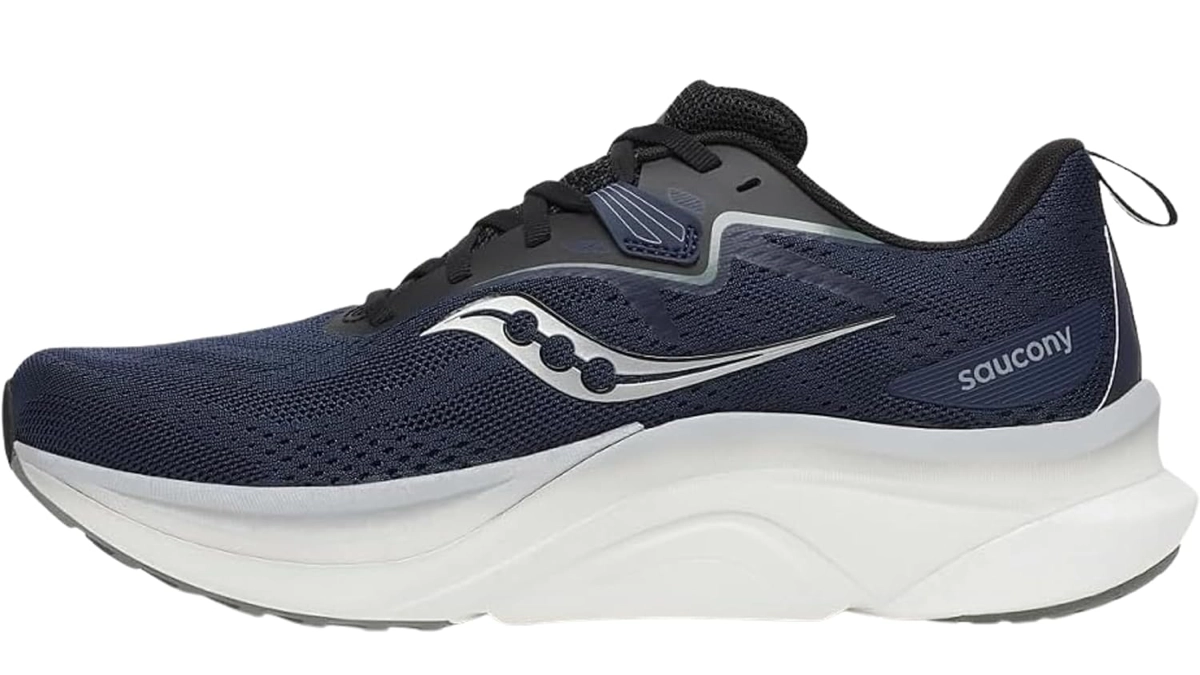
The Tempus 2 uses a dual-layer midsole system that creates a distinctive underfoot sensation compared with traditional stability shoes. At the center of the midsole sits Saucony’s PWRRUN PB foam, a PEBA-based material that is typically used in the brand’s faster racing models. This core provides a responsive and slightly springy feel during toe-off.
Surrounding the PB core is a firmer PWRRUN frame that stabilizes the foot. Instead of relying on a rigid medial post, the shoe uses geometry and foam density differences to guide the foot through the stride. The cushioning therefore feels structured but not overly stiff. Impact absorption remains noticeable during longer runs while still allowing some energy return.
For runners accustomed to soft maximal shoes, the Tempus 2 may feel more controlled than plush. However, the combination of responsive foam and structured cushioning creates a ride that many runners describe as balanced. The shoe maintains consistency across different paces and does not dramatically compress or flatten during longer sessions.
Stability and Platform Behavior
Stability in the Tempus 2 comes primarily from its platform design rather than traditional corrective elements. The outer PWRRUN frame forms a cradle around the softer core foam, helping guide the foot through the stride while limiting excessive inward collapse.
The base of the shoe is relatively wide, particularly through the midfoot and heel. This wider footprint adds inherent stability and keeps the foot centered during transitions. The geometry encourages a forward rolling motion rather than abrupt corrections, which some runners find more natural than rigid medial posting.
For runners with mild to moderate overpronation patterns, the platform can feel supportive without feeling intrusive. At the same time, the Tempus 2 does not attempt to deliver the kind of rigid control found in highly structured stability shoes. Runners who prefer minimal guidance may still find the platform comfortable because the support is integrated into the foam structure rather than imposed through hard materials.

Fit, Toe Box, and Sizing Experience
Saucony maintains a fairly consistent fit across its performance trainers, and the Tempus 2 follows that general pattern. The length tends to run true to size for most runners, with enough room in the forefoot to accommodate toe splay during longer runs.
The toe box shape is moderately rounded rather than tapered. This design offers adequate width for most average-width feet without feeling overly spacious. Runners who prefer a wider forefoot may appreciate that the shoe is also offered in wide sizing, which helps expand its usability across different foot shapes.
Heel lockdown is typically secure due to the structured heel counter and padded collar. The midfoot wraps comfortably thanks to the gusseted tongue, which helps reduce movement within the shoe. Overall, the fit tends to feel stable without creating pressure points during extended wear.
Upper Construction and Breathability
The Tempus 2 features an engineered mesh upper designed to balance airflow with structure. The material is flexible enough to adapt to foot movement but maintains enough shape to keep the foot centered over the platform.
Ventilation across the forefoot is generally adequate for moderate climates. Airflow channels in the mesh help prevent the upper from feeling overly warm during longer sessions. While it is not the lightest upper in Saucony’s lineup, it prioritizes durability and structure over extreme minimalism.
Padding around the heel collar and tongue provides additional comfort for daily training use. These areas are cushioned enough to prevent irritation while still maintaining a secure hold around the ankle. Over time, the upper tends to soften slightly, which can improve comfort without compromising structure.
Outsole, Traction, and Durability
The outsole of the Tempus 2 uses durable rubber coverage in key impact areas. The heel and forefoot receive the most reinforcement, while the midfoot exposes portions of the midsole foam to reduce overall weight.
Traction performs reliably on common running surfaces such as pavement, sidewalks, and compact paths. The rubber compound provides a steady grip in dry conditions and remains reasonably secure when surfaces become slightly damp.
Durability expectations align with most daily training shoes. The rubber placement helps resist premature wear in high-impact zones, and many runners report that the outsole holds up well over typical training mileage. The exposed midsole areas may show cosmetic wear but usually do not significantly affect performance.
Running vs Walking Performance
During running, the Tempus 2 offers a combination of responsiveness and guidance that suits steady daily training. The PWRRUN PB core contributes to a slightly energetic feel during toe-off, while the stabilizing frame keeps the ride controlled. This balance can make the shoe comfortable for moderate distances and consistent training schedules.
For walking, the shoe’s wider platform and structured midsole can feel stable and predictable. The cushioning absorbs impact without feeling overly soft, which some walkers prefer for longer outings. The rolling geometry of the midsole also supports a smooth heel-to-toe transition at walking speeds.
Because the shoe is designed primarily for running mechanics, some walkers may find the forefoot slightly firmer than dedicated walking shoes. However, the overall structure and cushioning still translate well to extended periods of walking on paved surfaces.
Specs Box
| Shoe type | Stability daily trainer |
| Heel-to-toe drop | Approx. 8 mm |
| Midsole foam | PWRRUN PB core with PWRRUN stabilizing frame |
| Support type | Guided stability |
| Ride feel | Balanced and responsive |
| Outsole | Durable rubber with exposed midfoot foam |
| Upper | Engineered mesh |
| Weight category | Moderate |
| Men’s sizes | Typical Saucony men’s size range |
| Women’s sizes | Typical Saucony women’s size range |
| Width options | Standard and wide available |
| Best surfaces | Roads, sidewalks, paved paths |
| Where to buy | Amazon.com, Saucony.com, and retail outlets |
The Tempus 2 is often chosen by runners who prefer a shoe that provides guidance without relying on rigid stability elements. The structured foam frame and wider platform can feel reassuring for individuals who notice their foot rolling inward during longer runs.
Many runners who want stability features but still prefer a responsive midsole gravitate toward the Tempus line. The combination of supportive geometry and energetic foam can feel comfortable for those who want a balance between cushioning and control.
Some walkers also appreciate the stable platform because it keeps the foot centered and reduces side-to-side movement during long periods on pavement.
The shoe may not feel ideal for runners who prefer extremely soft cushioning or those who want a highly minimal design. Likewise, individuals who require strong corrective features sometimes choose more structured stability models instead.
Pros
- Provides stability without the heavy feel of a traditional support shoe
- PWRRUN PB core adds a responsive feel
- Wide sizing improves fit options
- Works for both daily running and long pavement walks
Cons
- Forefoot can feel firmer than dedicated walking shoes
- Not a max-cushion option
- May not provide enough correction for runners who need stronger stability
- Moderate weight is not ideal for runners seeking a minimal shoe
Who This Shoe Works Best For
The Tempus 2 tends to appeal to runners and walkers who want stability without the traditional feel of heavy support shoes.
Typical users include:
• Runners who want mild to moderate stability with a responsive ride
• Walkers who prefer a stable platform for long pavement walks
• Road runners training on sidewalks, streets, and paved trails
• People who prefer guidance built into the midsole rather than rigid posts
If You Like These Shoes, You May Like the Saucony Tempus 2
Shoe name | Why people like it | Why this shoe is similar |
|---|---|---|
Balanced cushioning and everyday stability | Another Saucony stability trainer with supportive geometry | |
Lightweight stability and wide base | Similar approach to guidance without rigid posts | |
Structured stability and consistent cushioning | Stability-focused design for daily running |
What Changed from the Previous Model
Updates from the first Tempus model are largely incremental. The Tempus 2 refines the upper design for improved comfort and breathability while maintaining the same core midsole structure and stability concept.
Model Comparison Table
Model | Ride feel | Primary use case | Status |
|---|---|---|---|
Responsive stability | Daily training | Older model | |
Balanced and slightly refined | Daily training and longer runs | Current model | |
Pricing and Value
The Saucony Tempus 2 generally falls within the USD $150 to $170 range depending on retailer and availability. Pricing can vary based on colorways, width options, and seasonal discounts.
Because running shoe inventory changes frequently, many buyers compare prices across online retailers. Checking Amazon listings can sometimes reveal additional sizes, colors, or temporary price adjustments.
Where to Find the Saucony Tempus 2
The Tempus 2 is widely available through major running retailers and online marketplaces. Online listings in marketplaces such as Amazon.com often provide the widest selection of sizes and widths.
See more Saucony Reviews, Articles and Posts