Last Updated on September 27, 2026
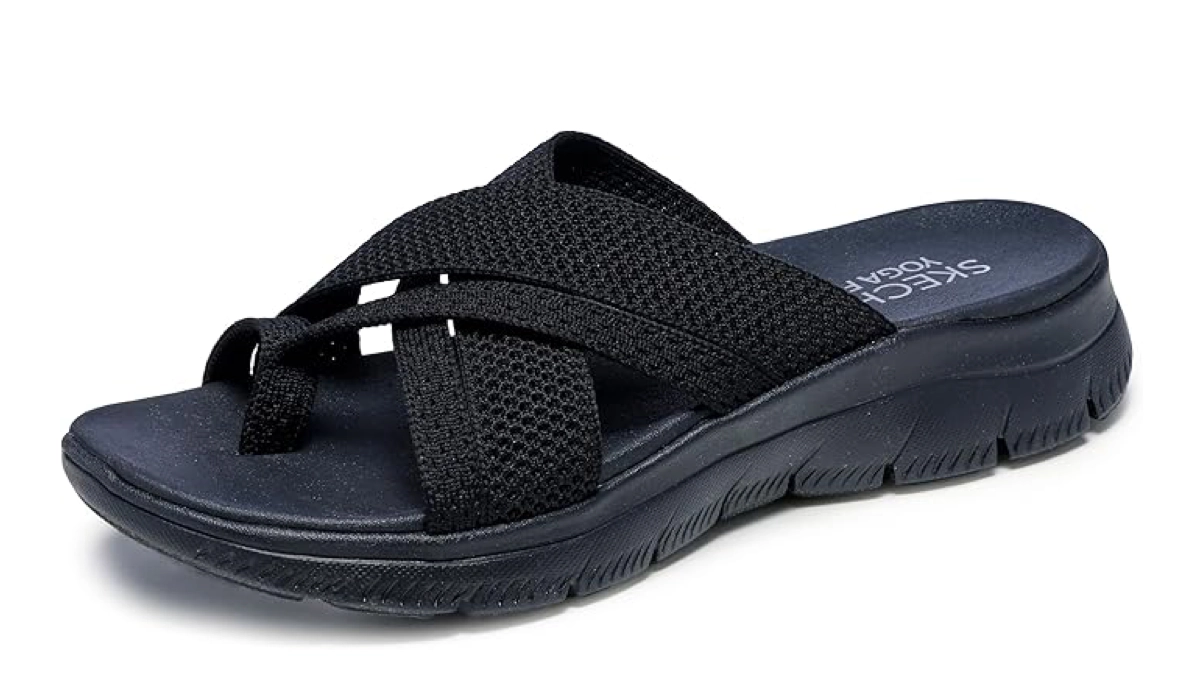
The Skechers Summits Fantasy Walk Sandals aren’t trying to be a performance shoe, and that’s exactly where they make sense. This is a lightweight, slip-on sandal built for warm weather, casual movement, and the kind of days where comfort matters more than structure. Within the Skechers lineup, they sit closer to the relaxed, lifestyle side rather than anything technical. You’re getting a hybrid feel here. Part sandal, part sneaker, but without the rigidity or expectations that come with either category.
What Are These Sandals Best For?
If you want a quick answer before diving deeper, here’s who this shoe is best suited for:
- Casual walking and everyday wear in warm weather
- Recovery days when your feet need a break from structured shoes
- Travel, especially airports and hotel use
- Short outings on pavement or indoor surfaces
- People who value convenience over technical performance
These sandals are not ideal for long-distance walking, uneven terrain, or anyone needing structured support.
Skechers Summits Fantasy Walk Sandals vs Similar Sandals
Sandal buyers like to know how this sandals compared to similar products. Here’s my take
Skechers Summits Fantasy Walk Sandals vs Skechers Reggae Slim Sandals
When you line up the Skechers Summits Fantasy Walk Sandals vs Skechers Reggae Slim Sandals the difference shows up right away in how they hold your foot. The Reggae Slim has more structure through the straps and a more stable base, which gives you confidence if you’re walking longer or dealing with uneven ground. The Summits version feels looser, softer, and more relaxed. It’s easier to wear, but it doesn’t offer the same sense of control.
Skechers Summits Fantasy Walk Sandals vs Teva Tirra
Comparing the Skechers Summits Fantasy Walk Sandals vs Teva Tirra tells a slightly different story. The Teva is built for movement. You get stronger traction, better lockdown, and a platform that feels dependable on trails or mixed surfaces. The Skechers pair isn’t competing there. It’s more about comfort in predictable settings. Sidewalks, travel days, quick errands. That’s where it fits.
Runner’s Take
I don’t look at these as something I train in. But in the closet I always have a pair of sandals available either for recovery days around the house or summertime (or vacation) wear.
After a few heavier mileage days, I’ll often switch into something like this just to let my feet settle down. There’s less structure, less pressure, and that can be useful if you’ve been in firmer shoes all week. They’re also the kind of thing I’ll pack for a trip without thinking twice. Airports, walking around a resort, stepping out for coffee. They handle all of that without getting in the way. Once you start asking more from them, though, the limitations show up. Longer walks, uneven footing, or anything that requires stability changes the experience pretty quickly.
In-Depth Review
This isn’t a sandal you analyze the same way you would a running shoe, but there are still a few things that stand out once you spend time in it. The focus here is comfort, flexibility, and ease of wear, not performance or precision. What matters is how it feels underfoot over the course of a day, how it handles different surfaces, and whether it holds up once you move beyond quick, casual use. That’s where the details start to show.
Cushioning and Ride Feel
The cushioning leans soft, but it’s not overly thick or exaggerated. You get a bit of give underfoot, enough to take the edge off hard surfaces, without any real bounce or energy return.
It feels relaxed rather than responsive. That’s fine for what it is. You’re not trying to move efficiently here. You’re just moving comfortably.
Stability and Platform
This is where you need to be realistic about expectations. The platform is flexible, and the open design doesn’t do much to hold your foot in place.
On flat ground, everything feels fine. Once the surface changes, you notice the lack of structure. It’s not unstable in a dramatic way, but it’s also not something you’d trust on uneven footing.
Fit, Toe Box, and Sizing
The fit is forgiving. The stretch upper gives you room to move, and the open design eliminates most pressure points.
You don’t get a locked-in feel, but that’s not the goal. It’s more about ease than precision. Most people will be comfortable sticking with their usual size.
Upper and Breathability
This is one of the stronger areas. The materials allow airflow, and your feet don’t feel trapped the way they might in a full shoe on a hot day.
There’s also a softness to the upper that makes them easy to wear right out of the box. No break-in period, no stiffness to deal with.
Outsole, Traction, and Durability
The outsole does what it needs to on pavement and indoor surfaces. Grip is fine in dry conditions, and you’re unlikely to think about it much during normal use.
Wet surfaces are a different story. There’s no specialized traction here, so you’ll want to be a bit more careful. Over time, the durability lines up with the price point. They’ll hold up for casual use, but they’re not built for heavy wear.
Walking Performance
For walking, they’re comfortable in short stretches, especially when the goal is just to get out the door without thinking too much about what’s on your feet. They feel light, almost forgettable, and that works in their favor for quick errands or casual movement around town. There’s no break-in, no adjustment period, just a straightforward, easy wear.
As the distance starts to build, though, the experience shifts. The cushioning still takes the edge off hard surfaces, but without much structure underneath, your feet begin to do more of the stabilizing work. You notice it more when the pace slows or when you’re standing in one place for longer periods. The lack of arch support and lateral control doesn’t jump out immediately, but it builds gradually.
By the time you get into longer walks or extended time on your feet, that’s where a more structured shoe starts to earn its place. Something with a firmer platform, better support, and a more secure hold would reduce that underlying fatigue. These aren’t meant to replace that kind of shoe. They’re better treated as a lighter option you rotate in when comfort and simplicity matter more than support.
Specs at a Glance
Here’s a quick breakdown of the key specs:
- Shoe type: Casual walking sandal
- Heel-to-toe drop: Not specified
- Stack height: Low to moderate
- Midsole: Lightweight cushioned foam
- Support type: Neutral
- Weight: Lightweight category (varies by size)
- Width options: Standard
- Best surfaces: Pavement, indoor, smooth paths
What Foot Types and Gait Does This Shoe Work For
This works best for neutral walkers who don’t rely on their footwear to do much correction. If your stride is already fairly balanced, and you’re just looking for something comfortable to move around in for shorter periods, it fits into that role without much friction.
Where it starts to fall short is when support becomes part of the equation. There’s no real structure guiding your foot, and the arch support is minimal at best. That might not stand out right away, especially in casual use, but over time it becomes more noticeable, particularly if you’re used to something with a bit more substance underfoot.
For anyone managing foot fatigue, plantar fasciitis, or alignment issues, this isn’t going to carry the load on its own. It’s better seen as a comfort piece you rotate in, rather than something you depend on day after day.
Who This Sandal Is Best For
This fits into a rotation where comfort and convenience take priority.
- Short, casual walks
- Recovery days between training sessions
- Travel and airport use
- Warm weather wear
- People who prefer slip-on simplicity
Who Should Skip These Sandals
It’s not for everyone, and that’s worth being clear about.
- Walkers needing structured support or alignment help
- Long-distance walkers
- Trail or outdoor terrain users
- Anyone who prefers a secure, locked-in fit
Comparable Sandals
Here’s how it compares to a few alternatives in the same general category:
| Shoe (click for pricing on Amazon) | Why People Like It | How It Compares |
|---|---|---|
| Skechers Reggae Slim | More structured and supportive | Better for longer walks, less flexible |
| Teva Tirra | Strong grip and stability | More technical and outdoor-focused |
| Crocs LiteRide Sandals | Soft cushioning | Softer feel but less breathable |
| Ecco Yucatan | Premium support and durability | More stable but significantly higher cost |
What’s New in This Version
This works best for neutral walkers who don’t rely on their footwear to do much correction or stabilization. If your stride is already fairly balanced and you’re just looking for something easy and comfortable for light use, it settles in quickly without much adjustment. There’s a certain freedom to it. Your foot can move naturally, and for short periods, that can feel like a relief, especially if you’ve been spending time in more structured shoes.
Where things begin to shift is when support becomes part of the conversation. There’s very little built into the platform to guide your foot or reduce movement side to side, and the arch support is subtle enough that you may not notice it at first. Over the course of a longer walk or a full day on your feet, though, that lack of structure starts to show up in small ways. Your foot works harder to stabilize, and fatigue tends to build more gradually.
If you’re someone who already deals with foot issues or depends on supportive footwear to stay comfortable, this isn’t going to replace that. It doesn’t offer the kind of reinforcement needed to manage overpronation or maintain alignment over time. That doesn’t make it a poor choice, it just puts it in the right category. It’s a comfort-first option, something you rotate in when you want to give your feet a break from more rigid shoes, not something you lean on when you need consistent support.
Skechers Model Comparison Table
| Model | Ride Feel | Best Use | Price |
|---|---|---|---|
| Skechers Summits Fantasy Walk Sandals | Soft, flexible | Casual walking | $35-$45 USD |
| Skechers Reggae Slim Sandals | More structured | Longer walks | $60-$70 USD |
| On-the-GO Sandals | Minimal, lightweight | Quick outings | $45-$55 USD |
Pricing and Where to Buy
You’ll usually find these between $35 and $55 USD, depending on availability and color. At the lower end of that range, they’re easy to justify. This is a budget-friendly option that delivers comfort for everyday use without trying to compete with higher-end sandals. Amazon typically has the widest size and color selection.
FAQs for the Skechers Summits Fantasy Walk Sandals
I tend to use these when I’m not thinking about performance at all. After a few harder days, or when I’m traveling, they give my feet a break from structured shoes. They’re comfortable for short walks, quick errands, or just moving around casually without feeling restricted.
You can stretch them out for longer walks, but you’ll feel the difference if you’re used to more supportive footwear. The cushioning helps at first, though the lack of structure catches up over time. For anything beyond a few miles, most people will want something more stable.
There’s a bit of contour underfoot, but it’s subtle. It’s enough for general comfort, not enough for support-driven needs. If you rely on arch support for foot health or injury management, this won’t replace a proper walking or running shoe.
They run fairly true to size, with a more relaxed feel overall. The stretch upper adapts to your foot, and the open design removes pressure across the toes. What you lose is that secure, locked-in sensation you get from a full shoe.
On smooth ground, they’re easy to walk in. Once you step onto uneven terrain, the experience changes. The platform doesn’t offer much support for side-to-side movement, so you’ll notice it if the surface gets unpredictable.
They’re actually well suited for travel in the right context. Easy to slip on at the airport, comfortable for short walks, and light enough to pack without thinking about it. For full days on your feet, you’ll still want a more supportive backup.
For more current models and use cases, see our Skechers shoes hub.