Last Updated on September 23, 2026
Runner’s Guide to Saucony’s Cushioning Technology
If you’re trying to understand what PWRRUN+ foam actually means for your running, it helps to think less about the name and more about how it behaves under your feet. Whether you’re just getting started or already logging regular miles, the type of foam in your shoe has a direct impact on comfort, consistency, and how your legs feel the next day.
What PWRRUN+ Foam Actually is
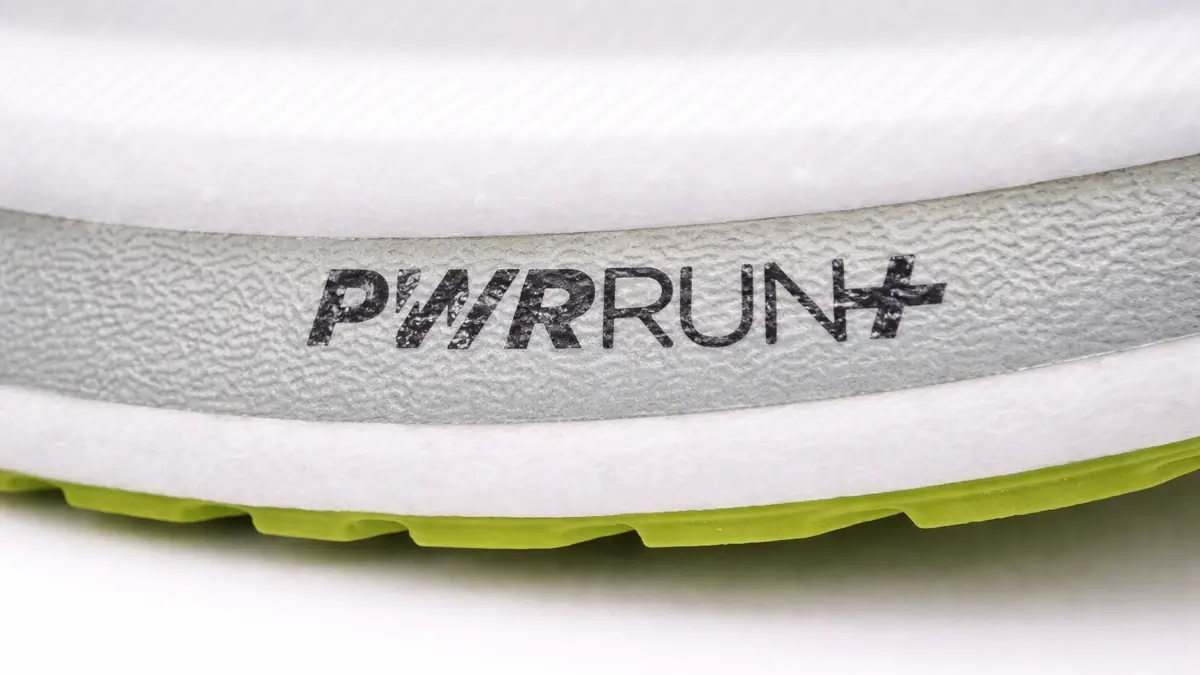
PWRRUN+ is Saucony’s premium cushioning material, built using expanded TPU instead of traditional EVA foam. That difference matters because TPU behaves more like a spring than a sponge. It compresses when you land, then rebounds more reliably when you push off.
For newer runners, this often translates into a shoe that feels soft without being unstable. For more experienced runners, it offers a consistent ride that holds up across higher mileage weeks.
See also: Running shoe foam technologies explained
How PWRRUN+ Compares to PWRRUN and PWRRUN PB
To understand where PWRRUN+ fits within Saucony’s foam technology, it helps to see how it compares to the other two main cushioning systems in the lineup.
Saucony doesn’t treat these as simple upgrades. Each foam is built for a different type of runner or walker, and PWRRUN+ sits right in the middle as the comfort-focused option.
PWRRUN is the more traditional, everyday foam. It uses an EVA and TPU blend that creates a stable, slightly firmer ride. It’s reliable and versatile, but it doesn’t offer the same softness or long-term cushioning as PWRRUN+. If you’ve worn models like the Ride or Guide, that more grounded feel comes from PWRRUN.
PWRRUN+ moves things in a different direction. It’s made from expanded TPU beads, which gives it a softer, more resilient feel underfoot. Compared to PWRRUN, it absorbs impact better and holds its cushioning longer, especially over long walks or extended wear. This is why it shows up in shoes like the Triumph, where comfort is the main goal.
Then there’s PWRRUN PB, which is built for performance rather than comfort. It uses a PEBA-based foam that feels much lighter and more energetic, with a noticeable spring on each step. You’ll find it in the Endorphin line, where speed and efficiency matter more than durability or softness.
The easiest way to think about it is this. PWRRUN is balanced and practical. PWRRUN PB is fast and performance-driven. PWRRUN+ is the one designed to feel good for the longest period of time.
Quick Comparison of Saucony Foam Technology
Feature | PWRRUN | PWRRUN+ | PWRRUN PB |
|---|---|---|---|
Foam Type | EVA/TPU blend | Expanded TPU beads | PEBA-based foam |
Cushioning Feel | Balanced, slightly firm | Soft, cushioned | Light, springy |
Energy Return | Moderate | High | Very high |
Durability | Good | Excellent | Moderate |
Best Use | Daily training, walking | Long runs, all-day comfort | Speed training, racing |
Expanded TPU vs EVA: Why Runners Notice the Difference
Most running shoes use EVA foam. It’s lightweight and works well, but it has a limitation. Over time, it compresses and doesn’t fully bounce back, which is why some shoes start to feel flat after enough miles.
Expanded TPU, used in PWRRUN+, is built differently. It’s made from small pellets that are expanded and fused together. This structure allows the foam to rebound more effectively and return closer to its original shape after each step.
In practical terms, EVA tends to feel softer at first but fades faster. TPU feels slightly more controlled but maintains that feel much longer. For runners, that means more consistency from one run to the next.
How It Feels on the Run
The first thing most runners notice is that PWRRUN+ feels cushioned but not overly soft. Your foot sinks in slightly, but there’s a limit to it. That balance matters because overly soft shoes can feel comfortable at first but tiring over time as your muscles work harder to stabilize.
With PWRRUN+, the cushioning absorbs impact while still giving a bit of return. It’s not designed to feel fast or aggressive, but it helps keep your stride smooth, especially during steady efforts.
For beginners, this can make running feel more manageable. For experienced runners, it works well on days when you’re not chasing pace but still want a reliable, efficient feel.
What Happens as You Add Miles
One of the biggest differences with PWRRUN+ shows up after weeks or months of use. Many foams start to feel flat as they compress and lose their structure, which can subtly change how your runs feel. PWRRUN+ resists that breakdown. It tends to feel similar from early runs through higher mileage, which is valuable for any runner trying to stay consistent. If you’re new, this means fewer surprises as you build your routine. If you’re experienced, it means you can rely on the same feel during longer training blocks.
Where It Fits in Your Rotation
For most runners, PWRRUN+ works best in a daily trainer or long-run shoe. It’s not built for speed sessions or racing, but it fills an important role. You’ll get the most out of it on:
• Easy runs where comfort matters more than pace
• Long runs where impact adds up over time
• Recovery days when your legs feel fatigued
• Walking or mixed run-walk sessions
If you’re looking for a real-world example, shoes like the Saucony Triumph series are built around PWRRUN+ cushioning and are commonly used for this type of running.
How It Compares to Other Foams
To make sense of PWRRUN+, it helps to see how it stacks up against other common cushioning systems. Each foam has a different personality, and understanding those differences makes it easier to choose based on your goals.
Foam Technology | Brand | Material Type | Feel Underfoot | Best For | Trade-Off |
|---|---|---|---|---|---|
PWRRUN+ | Expanded TPU | Soft with controlled bounce | Long runs, daily mileage | Slightly heavier feel | |
Nitrogen-infused EVA | Soft and smooth | Easy runs, walking | Less responsive | ||
FF Blast+ ECO | EVA blend | Soft and lively | Versatile daily training | Can feel less stable | |
EVA blend | Soft to moderate | Mixed use | Varies by model | ||
Many brands | EVA | Firm to moderate | Budget trainers | Breaks down faster | |
PEBA foams | PEBA | Very soft, springy | Speed, racing | Less stable, less durable |
What stands out is that PWRRUN+ doesn’t chase extremes. It’s not the softest and not the most aggressive, but it delivers a steady, predictable experience.
For newer runners, that predictability helps build confidence. For experienced runners, it provides a dependable option for higher-mileage days.
What Kind of Runner Typically Prefers It
PWRRUN+ tends to appeal to runners who value consistency over dramatic feel. It’s designed to be reliable rather than attention-grabbing. It often works well for:
• Runners building up distance who want a forgiving ride
• Experienced runners looking for a durable daily trainer
• Walkers or hybrid users spending long hours on their feet
• Anyone who prefers a balanced feel over extreme softness or stiffness
It may not be the best match if you’re looking for a very lightweight shoe or something designed specifically for speed work.
What It’s Not Designed to Do
It’s worth being clear about expectations. PWRRUN+ is not a performance racing foam. It won’t give you the sharp, propulsive feel of carbon-plated shoes or ultra-light super foams. If your focus shifts toward tempo runs, intervals, or racing, you’ll likely want to pair it with a second shoe designed for those efforts. That said, most runners spend the majority of their time in the types of runs where PWRRUN+ performs best.
Why It Matters More Than You Think
Foam isn’t just about comfort in the moment. It shapes how your body handles repeated impact over time. A foam that stays consistent, absorbs shock effectively, and doesn’t force your stride into something unnatural can make it easier to stay on track with your training.
PWRRUN+ focuses on delivering a stable, cushioned experience that holds up over time. For many runners, especially those building mileage or aiming for consistency, that ends up being exactly what they need.