Quick Answer: Adidas Dropset 4 Review: The Adidas Dropset 4 is a cross-training shoe for people whose gym sessions mix heavy lifts with jumps, sled pushes and short runs. Adidas pairs a full-length Repetitor foam midsole with Energyrods that steady the heel under load and add some spring at the front, plus Continental rubber for grip. The result is a stable, grippy shoe that handles more than just a barbell. The trade-off is a firm feel that is fine inside a workout but tiring for real runs or long walks. Check latest price.
The Adidas Dropset 4 is the brand’s main functional training shoe, the kind of all-round gym shoe built for classes, circuits and CrossFit-style workouts. Adidas launched it on January 8, 2026, calling it its most versatile training shoe to date, and it replaces the Dropset 3. In the Adidas lineup it sits above the simpler Dropset Control and Dropset Base and below the pricier Adizero Dropset Pro.
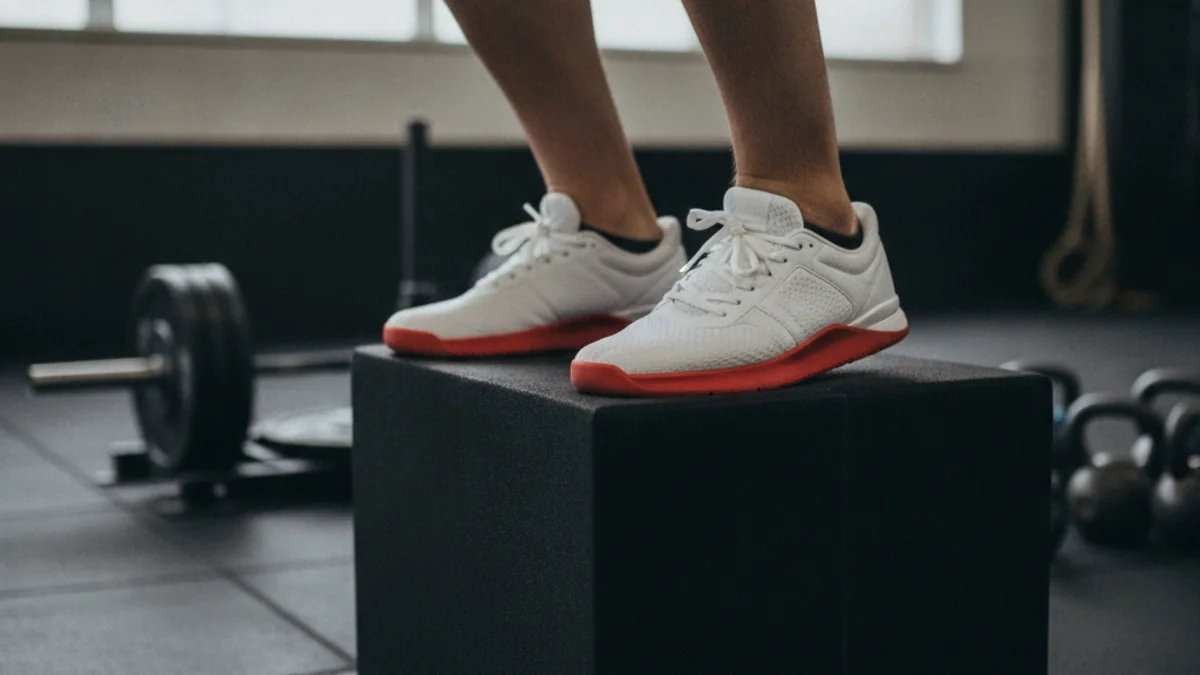
The idea is simple: one pair of shoes for the whole workout. Adidas says it is sturdy enough for big compound lifts like squats and deadlifts while still giving you enough cushioning and bounce for box jumps, double-unders and a warm-up run. That saves you from switching shoes halfway through a session.
So who is it for? If your training is a mix of barbells, dumbbells, jumps and the occasional rope climb, it was built for you. If your gym time is mostly treadmill running or machines, a softer shoe will feel better.

Adidas Dropset 4 training shoe in white and red, side view. Image: Amazon
Specs
Here are the specifications for the Adidas Dropset 4:
| Type | Cross-training and functional fitness shoe |
| Best for | Weight training, circuits, CrossFit-style workouts, short runs and sprints |
| Midsole | Full-length Repetitor foam, tuned for consistent energy return and stability |
| Stability | Energyrods supporting the heel in heavy lifts and adding a springier forefoot; GeoFit heel lockdown |
| Insole | Footadapt sockliner, designed to improve balance and foot awareness |
| Upper | Haptic print mesh: a textured printed layer for abrasion resistance with breathability |
| Outsole | Continental rubber for grip plus Adiwear rubber for durability |
| Price | Check latest price |
Pros
- Energyrods keep the heel steady when you squat or deadlift, so heavy sets feel planted.
- The same rods give the forefoot a little spring for box jumps and double-unders.
- Continental rubber grips gym floors and stays secure during sled pushes and weighted lunges.
- The printed upper is built to resist abrasion from rope climbs without feeling heavy.
- One shoe covers lifting, jumping and short conditioning efforts, so you can stop changing shoes mid-session.
Cons
- The firm platform feels harsh on runs longer than a short warm-up or interval.
- Not a dedicated lifting shoe, so it lacks the raised solid heel that helps deep Olympic-style squats.
- We could not confirm a wide version, so broad feet should check the fit carefully.
- Too firm and structured to double as an everyday walking shoe.
What Adidas changed from the Dropset 3
Adidas calls the Dropset 4 an evolution of the Dropset 3 rather than a clean-sheet design, and the changes are aimed at versatility. The headline feature is the Energyrods: thin rods set into the midsole that Adidas says balance stiffness and flexibility. In practice, they do two jobs. Under the heel, they stop the foam from squashing unevenly when you are under a heavy bar. Under the forefoot, they give a bit of spring when you push off for a jump.
Adidas also describes a new, more responsive Repetitor midsole and a new Footadapt sockliner. Repetitor is Adidas’ training foam, chosen to feel consistent from the first rep to the last rather than soft. The Footadapt insole is meant to improve your feel for the ground, which helps with balance during lifts. Adidas also removed the vent in the sole that the Dropset 3 had.
The upper uses haptic print, a 3D-printed textured layer on the mesh. Adidas says it adds abrasion resistance for things like rope climbs while keeping the shoe breathable during sweaty workouts.
Who should buy the Adidas Dropset 4
Buy it if your workouts mix lifting with movement. A typical session might include squats or deadlifts, then box jumps, kettlebell work and a few hundred meters of running. The Dropset 4 is designed to be stable enough for the first part and lively enough for the rest.
It suits CrossFit-style training and fitness classes, where you do not know exactly what the day will bring. The grippy outsole and tough upper handle sled pushes, weighted lunges and rope climbs, which wear out softer, lighter trainers quickly.
It is also a good pick for people who want one gym shoe rather than a closet of specialists. If you would rather not carry a pair of lifting shoes and a pair of runners in your bag, this is the compromise Adidas built for you.
Who should probably skip it
Skip the Dropset 4 if running is a big part of your gym time. Adidas designed it for short runs and sprints, and the firm platform makes anything longer feel like hard work. Skip it too if you are serious about Olympic lifting or deep squats, because a dedicated lifting shoe with a raised solid heel will do more for your positioning.
Broad feet are the other question. We could not confirm a wide version, and the GeoFit heel and structured upper are built to hold the foot snugly. If you need room for your toes to spread, a shoe with a roomier forefoot may suit you better. If you have ongoing foot pain, see a professional rather than relying on a shoe to fix it.
These are better fits for those people:
- Brooks Ghost 18: a cushioned daily trainer for gym-goers who mostly run or do cardio (check price | read review)
- Adidas Adipower 3: a dedicated lifting shoe with a tall, solid heel for deep squats and Olympic lifts (check price | read review)
- Xero Shoes 360: a flat, zero-drop gym shoe with a roomy toe box for wide feet and floor-based strength work (check price | read review)
Still deciding? Our Free Shoe Finder can help you narrow down the right type of shoe.
Fit: a locked-in heel and a snug, secure upper
The Dropset 4 is built to hold your foot still, which is what you want when you are moving a heavy weight or landing from a jump. Adidas’ GeoFit heel is shaped around the back of the foot for lockdown, and the structured upper keeps the midfoot secure through lateral movements.
Adidas does not publish advice to size up or down, so start with the size you wear in other training shoes. Lifting and jumping both work best when your toes have room to spread, so make sure you have a thumb’s width of space at the front. Do not size up to fix a tight forefoot, since that adds length but not width, and a loose heel defeats the purpose of the GeoFit design.
The Footadapt sockliner sits under your foot, and Adidas says it improves your sense of balance and control. Expect a firm, grounded feel rather than a plush one when you first step in. That is normal for a training shoe and part of what keeps you stable under load.

Adidas Dropset 4 heel and midsole close-up. Image: Amazon
How the Dropset 4 handles lifting, jumping and short runs
Under a barbell, the Dropset 4 feels planted. The Repetitor foam is firm enough not to squash, and the Energyrods add stiffness under the heel so the shoe stays level through a heavy squat or deadlift. That stability is what lets you push evenly through your whole foot.
It is still a flat-feeling trainer, not a lifting shoe. Dedicated lifters raise the heel on a solid wedge to help your knees travel forward in a deep squat. The Dropset 4 keeps you closer to the ground, which many people prefer for deadlifts and general strength work, but it will not give you the same squat depth help as a true lifter.
For jumps, the forefoot rods add a little snap at push-off, which makes box jumps and double-unders feel lively rather than flat. Adidas built it for short runs and quick sprints, and that is the right expectation: a warm-up lap or a few hundred meters in a workout is fine, while a 5K is not what it was made for.
Stability here comes from firm foam, stiff rods and a grippy, flat base. It is not a corrective shoe and does not change how your foot moves. It simply gives you a solid platform to work from.
Grip and durability for rope climbs, sleds and lunges
The outsole combines two rubbers. Continental rubber, a sticky compound Adidas uses for traction, sits where grip matters most. Adiwear, a harder-wearing rubber, goes where the shoe takes the most abuse. Adidas says the mix is placed for extra traction and durability during loaded moves like sled pushes and weighted lunges.
The upper is designed for punishment too. The haptic print layer is meant to stand up to rope climbs, which shred ordinary mesh quickly. Training shoes wear out by what you do rather than by distance, so how long a pair lasts depends on how often you climb, drag and pivot in it.

Adidas Dropset 4 outsole with Continental and Adiwear rubber. Image: Amazon
Is the Adidas Dropset 4 good for walking?
Only for short distances. The firm Repetitor foam is tuned to stay stable under load, not to soften a heel strike, so sidewalks feel hard after a mile or so. The stiff Energyrods also resist the natural bend of your foot as you walk, which adds to the fatigue over a longer outing.
It is perfectly fine for the walk into the gym, moving around between stations or standing through a coaching session. For errands, travel or a day on your feet, a cushioned walking shoe will be much more comfortable. Our best walking shoes guide is a good place to start.
Adidas Dropset 4 vs. Adidas Dropset 3
Here is what changed, based on Adidas’ description of the new shoe:
Dropset 4 | Dropset 3 | |
Midsole | New full-length Repetitor foam | Earlier Repetitor setup |
Insole | New Footadapt sockliner | Earlier sockliner |
Sole vent | Removed | Vented sole |
Status | Current model, launched January 2026 | Previous model |
Buy the Dropset 4 if you want the more versatile feel Adidas built around the Energyrods, especially for workouts that mix lifting with jumps and short runs. The Dropset 3 still makes sense if you already like how it fits and your training leans heavily toward lifting.
Adidas Dropset 4 Alternatives
If you like the Dropset 4’s stability but want an even more lifting-focused feel, the TYR CXT-3 is worth a look. It pairs firm foam with a raised heel and a structured heel counter, giving a more planted feel under a loaded bar in exchange for less of the Dropset’s springy forefoot (check price | read review).
The Nike Metcon 10 is the most direct rival. Nike gave it a ReactX midsole, a lighter Hyperlift heel plate, a wider toe box than the previous Metcon and a rubber wrap for rope climbs. It is the pick if you want a roomier forefoot in a similarly stable gym shoe (check price).
For a softer landing on jumps, the Reebok Nano X5 splits its midsole into a softer forefoot and a firmer heel. That setup suits class-based training with lots of jumping, while giving up a little of the Dropset’s locked-in stability under heavy weight (check price).
For more help choosing, see our guides to CrossFit shoes and training shoes vs. running shoes.
Price and value
The Dropset 4 sits in the middle of Adidas’ training range: above the simpler Dropset Control and Dropset Base, and below the Adizero Dropset Pro. What you pay for is the full package: Energyrods, a full-length Repetitor midsole, a two-rubber outsole and a tough printed upper. For someone who trains several times a week with a mix of lifting and conditioning, that combination is good value, because it replaces two or three specialist shoes. If your gym time is mostly cardio or machines, you are paying for stability features you will rarely use, and a cheaper or softer trainer makes more sense.
Final verdict
Best for: gym-goers and CrossFit-style athletes whose workouts mix heavy lifts with jumps, sleds, rope climbs and short runs.
Avoid if: you run more than a warm-up, you train Olympic lifts seriously or you want a shoe for long walks.
Fit: locked-in heel and snug midfoot; start with your usual training shoe size and check the forefoot room.
Verdict: The Adidas Dropset 4 is a stable, grippy all-rounder that lets you stay in one pair of shoes from warm-up to cool-down. Keep it for the gym and it does its job well. Check the latest price.
Frequently Asked Questions for Adidas Dropset 4
Adidas launched the Dropset 4 on January 8, 2026. It replaces the Dropset 3 as the brand’s main functional training shoe.
Adidas says they balance stiffness and flexibility. They support the heel during heavy lifts and add a springier feel at the forefoot for moves like box jumps and double-unders.
Yes, for short distances. Adidas designed it for short runs and quick sprints inside a workout. For longer runs, a cushioned running shoe will be far more comfortable.
It is stable enough for squats, deadlifts and presses in a mixed workout. Serious Olympic lifters will still get more help from a dedicated lifting shoe with a raised solid heel.
Yes. It was built for CrossFit-style training, with grippy rubber for sleds and lunges, a tough upper for rope climbs and enough spring for jumps.
Both are Adidas training shoes. The Adizero Dropset Pro sits above the Dropset 4 in the range and costs more, while the Dropset 4 is the brand’s main all-round functional training shoe.