Last Updated on October 12, 2026
Firm ride with a steadier base at a friendly price
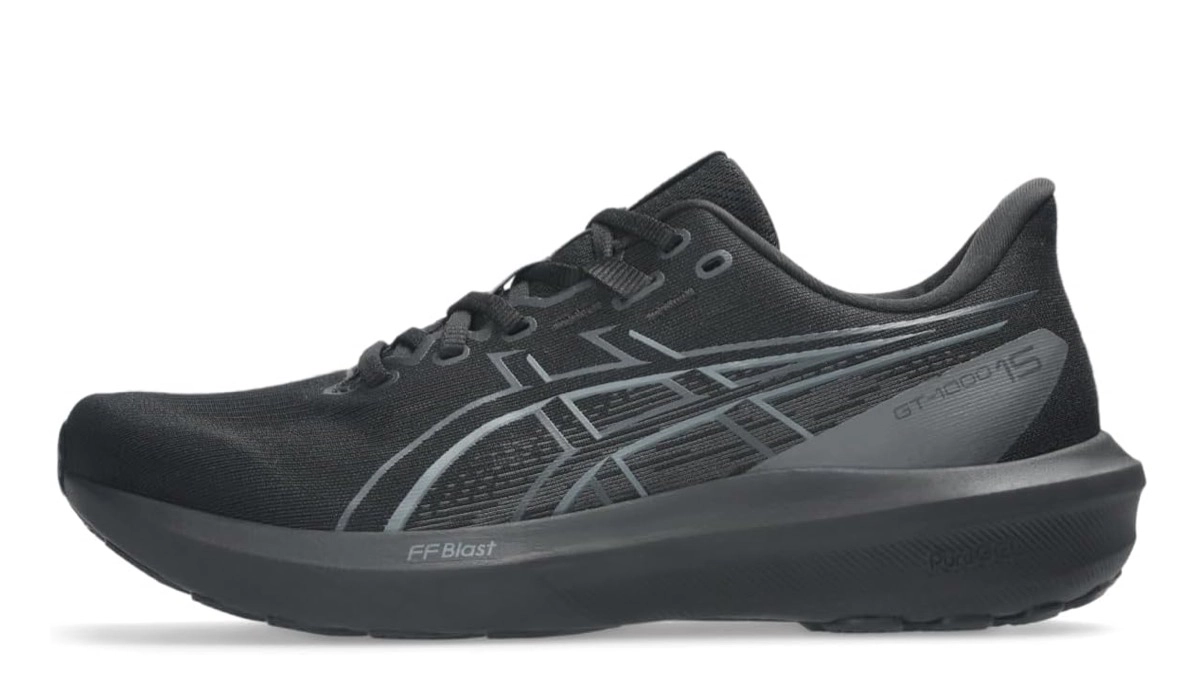
Quick Answer: Asics GT-1000 15 Review: The GT-1000 15 is Asics’s affordable support shoe for runners and walkers whose feet roll inward a bit too much when they land. The big change this year is a wider, steadier base that feels noticeably more planted than before, and Asics also added a tougher heel and a comfier insole. It stays a firm, no-frills shoe rather than a soft, exciting one, so it is happiest on shorter runs and everyday walks than on long-distance miles, and it suits lighter runners best. For a first support shoe or a dependable daily walker at a low price, it is one of the easiest to recommend. Check latest price.
The Asics GT-1000 15 is the newest version of Asics’s most affordable support shoe, sitting below the GT-2000 and well below the pricey Gel-Kayano. It is the shoe most people see when a running store tells them they need a little support, and its job is simple: steady the foot and cushion the step without costing a fortune. Fifteen versions in, it does that job as reliably as ever.
A quick word on what “support” means here. When some people walk or run, the foot rolls inward more than it should as it lands, which over time can lead to aches. A support shoe gently limits that inward roll. Older support shoes did it with a hard wedge under the arch that many people could actually feel pushing back. Asics now builds that steadiness into the shape and firmness of the sole instead, so you get the benefit without anything digging into your arch.
The cushioning comes from Asics’s lighter everyday foam, with a soft gel pad tucked into the heel to take the sting out of each landing and a cushioned insole on top. There is a moderate amount of foam underfoot, more than a bare-bones budget shoe but noticeably less than a plush, max-cushion trainer. The headline improvement this year is the base: it is wider and steadier than the 14, which makes the whole shoe feel more secure and planted.

Specs
Here are the specifications for the Asics GT-1000 15, in plain English:
| Best for | Easy daily runs, beginners, walking, and feet that roll inward a bit too much |
| Type | Affordable everyday support shoe (an entry-level “stability” trainer) |
| Support | Gentle steadiness built into the shape and firmness of the sole, with no hard wedge under the arch; wider, more planted base than the 14 |
| Cushioning | Moderate and firm, with a soft gel pad in the heel and a cushioned insole |
| Heel-to-toe drop | 8 mm listed (measured closer to 10 mm), meaning the heel sits a good bit higher than the toe: comfortable for a heel-first stride |
| Stack height | Around 35 mm at the heel, 25 mm at the forefoot: a moderate amount of foam, not a tall, plush one (approximate) |
| Weight | About 9.8 oz men’s (approximate): a little heavier than the GT-1000 14 |
| Upper | Breathable mesh with a padded collar and a firm, supportive heel |
| Widths | Standard plus wider fittings on many colors |
| Surface | Road, sidewalk, treadmill |
| Price | $115 at launch, June 2026. Check latest price |
Pros
- A wider, steadier base than before, so it feels secure and planted underfoot
- Gives you steadiness without a hard wedge pressing into your arch, so it feels guided rather than corrective
- Genuinely affordable, and one of the cheapest ways into Asics support
- A soft gel pad in the heel and a cushioned insole take the edge off each step
- Wider fittings mean it fits and suits more people
- A tougher heel rubber this year adds to its already good durability
Cons
- A firm, no-frills ride: steady and dependable rather than soft or exciting
- A modest amount of foam, so it feels less forgiving than the pricier GT-2000 or Kayano on long runs
- A little heavier than the 14, and heavy for how much cushioning you get
- The support is gentle, so anyone who needs firm control will want more shoe
- Best suited to lighter runners and shorter distances
What is new versus the GT-1000 14
The most noticeable change is the base. Asics widened the platform for the 15, which makes the shoe feel more planted and secure the moment your foot lands. It is the kind of change you feel rather than read about, and it is the best reason to pick the 15 over a discounted 14 (check the 14’s current price and availability).
Asics also toughened up the shoe where it wears fastest, adding a harder-wearing rubber at the heel, and swapped in a cushioned, name-brand insole for a slightly softer feel underfoot the moment you step in. The foam and the way the support works are carried over from the 14, so the basic character is the same: steady, firm and dependable.
The shoe gained a little weight in the process, and the ride is still on the firm, businesslike side rather than soft and lively. If you were hoping the 15 would suddenly feel plush and springy, it does not. What it does is take an already sensible shoe and make it steadier and tougher, at a friendly price.
Who should buy the GT-1000 15
Buy the GT-1000 15 if you have been told you need a support shoe and you do not want to spend a lot to find out whether that is really true. It is the sensible starting point: enough steadiness to feel the difference, enough cushioning for regular use, and a low price that does not sting if you later land on something else. The wider base this year makes it feel more reassuring than the shoe used to.
It suits new runners and people getting back into it especially well. At that stage you are not covering big distances, so the moderate, firm cushioning is rarely a problem, and the steady, planted feel is reassuring while you are finding your stride.
Walkers and people on their feet at work are a great match too. The heel-friendly shape suits a walking stride, the tough outsole shrugs off sidewalk miles, and the wider fittings make it easier to get a proper fit than most support shoes at this price.
Who should probably skip it
Skip it if you run long or simply love a soft, plush ride. There is a modest amount of firm foam here, so on runs beyond an hour it starts to feel less forgiving, and heavier runners will feel that sooner. And if it turns out you do not actually need support at all, which is true of plenty of people who get steered toward these shoes, you will be happier in a softer, roomier everyday shoe. Note that if you need strong, firm control for feet that roll in a lot, the picks in the Alternatives section below are the better place to look. For everyone else, here are three comfortable, better-cushioned shoes that suit more feet:
- Brooks Ghost 18: soft, easygoing everyday cushioning in a shoe that comes in wide fits (check price | read review).
- Hoka Bondi 9: deep, plush maximum cushioning for long days and long miles, with wide sizes available (check price | read review).
- Asics Gel-Nimbus 28: Asics’s plush, softly cushioned daily shoe, also offered in wide fits (check price | read review).

How does the GT-1000 15 fit?
The GT-1000 15 is an easy shoe to fit, which is a big part of its appeal. It runs true to size, holds the heel securely and comes in wider options that most support shoes at this price do not offer. Here is how it feels on the foot.
Fit and sizing
It fits true to size, with a secure midfoot and a front that is roomy enough to be comfortable without feeling sloppy. There is a good amount of space over the top of your toes, so the shoe rarely presses on your toenails. The heel is held firmly, and that matters in a support shoe: if your heel slides around, it undoes the steadiness the sole is trying to give you.
Wider fittings are available on many colors, which is one of the real reasons to buy support from Asics. The insole lifts out if you want to drop in your own insert, though the moderate amount of foam means a bulky insert will tighten the fit noticeably.
Upper and step-in comfort
Step-in comfort is good rather than plush, and the new cushioned insole helps here. The mesh is soft enough, the collar is padded and there is no breaking-in period, but the materials are a clear step below the top models and you can feel the difference.
It breathes reasonably well for everyday running and walking, and the firm heel does its job without pressing on the back of your ankle.
How does the GT-1000 15 perform?
This is a steady, do-the-job shoe rather than an exciting one, and that is exactly what most of its buyers want. It shines at easy, everyday efforts and shows its limits when you ask for distance or speed. Here is how it holds up.
Cushioning and ride
Underfoot the GT-1000 15 feels firm: well protected on shorter runs and noticeably less forgiving as the miles add up. The soft gel pad in the heel does one thing well, softening the moment your heel lands, which is why the back of the shoe feels kinder than the modest, firm foam would suggest. This is not a soft, sink-in shoe, and if that is what you are after, it will feel flat.
The ride itself is smooth, steady and predictable, and the wider base makes it feel more planted than the 14. The shoe carries you from heel to toe without drama and holds its shape even when your form gets sloppy at the end of a run. What it does not do is feel fast or lively: there is no bouncy spring here, and the weight works against you if you try to pick up the pace. Treat it as a shoe for steady, comfortable miles and it will not let you down.
Stability and support
This is a moderate support shoe, and the wider base makes it the steadiest GT-1000 yet. The sole is firmer on the inner edge and shaped to settle the foot as it lands, and the firm heel keeps the back of your foot centered. That may suit runners and walkers whose feet roll inward a little to moderately, though no shoe corrects the way you move, and none should be described as doing so.
The big improvement over older designs is that nothing digs into your arch. The catch is that the steadiness is gentle: a foot that rolls in a lot will still move through it. If you know you need firmer control, compare this against the GT-2000 or Kayano before deciding, and see a professional if you have ongoing pain.
Grip and durability
The outsole uses one of the tougher rubbers in running, and this year Asics added an even harder-wearing rubber at the heel, where shoes wear out first. Grip on dry and damp pavement is dependable, with the usual care needed on wet paint and metal covers.
Durability is a genuine strength and a big reason the GT-1000 is good value. The outsole resists wear well and the firm foam holds its shape rather than flattening quickly. The usual 300-to-500-mile guideline is broad, and this shoe generally reaches the upper end of it, helped along by that tougher heel.

Is the GT-1000 15 good for walking?
Yes, and honestly it makes more sense for walking than for long running. The things that hold it back on a two-hour run barely matter at walking pace. What you notice instead is a steady, planted platform, a firm heel that keeps your ankle settled at slower speeds and a heel-friendly shape that matches how most people walk. The wider base this year is a real plus for walking, and the tough outsole is well suited to sidewalk miles, where softer rubber wears through fast.
The wider fittings are the other big plus, because a shoe that actually fits does more for walking comfort than any fancy cushioning. The one caution is depth: if you stand on concrete all day, you will want more foam than this firm shoe has, and a plush max-cushion walker would treat your feet better. For a few miles a day, the GT-1000 15 is a sensible and affordable choice.
GT-1000 15 vs. GT-1000 14
Here is how the new model compares with the one it replaces:
Feature | GT-1000 15 | GT-1000 14 |
Base and steadiness | Wider, more planted | Narrower, less settled |
Heel durability | Tougher heel rubber added | Standard tough rubber |
Insole | Cushioned, name-brand insole | Standard insole |
Ride | Firm and steady | Firm and steady |
Weight | A little heavier | A little lighter |
Launch price | $115, June 2026 | Check latest price | Similar, earlier release | Check latest price |
Buy the 15 if you want the steadier base, the tougher heel and the comfier insole, which together make it the better everyday shoe. Buy the 14 only if you find it heavily discounted and you want to save a few dollars, since the two are close in character and the older one is a touch lighter.
Asics GT-1000 15 alternatives
If you want the same kind of support with more cushioning and a lighter, more flexible feel, compare the Brooks Adrenaline GTS 25. Its steadying support sits along the sides of the heel rather than firming the arch, which some people prefer, and it handles a wider range of paces (check price | read review).
If the support here feels too gentle, the Asics Gel-Kayano 33 steadies the foot considerably more. It costs a good deal more, but people whose feet roll in strongly get a much more definite sense of being held (check price | read review).
If you want far more foam under a steady platform, look at the Hoka Gaviota 6, which pairs deep, plush cushioning with a supportive base. It suits long days on hard surfaces, where the GT-1000’s firm, modest foam runs out (check price | read review).
And if it turns out you do not need support at all, try the Asics Gel-Cumulus 28, the no-support version in the same family. It is softer and lighter, and many people steered toward support shoes are perfectly happy in it (check price | read review).
Price and value
At $115 the GT-1000 15 is one of the better deals in support shoes, and the low price is its whole argument. It is a strong one for anyone who has just been told their feet roll inward and is not yet sure how much they will run. You get genuine support, a wider and steadier base than before, a hard-wearing outsole and multiple width fittings, which is more than most budget shoes offer. What you give up is cushioning depth and a soft, lively feel, so if you already know you will train seriously or run long, it is worth spending more once rather than twice. For everyday miles, walking and a first support shoe, though, it is hard to beat at the price.
Final verdict
Best for: new runners, easy daily miles, walking and lighter runners whose feet roll inward a little to moderately who want support without a premium price.
Avoid if: you run long, you are a heavier runner, you need firm control, or you want a soft, lively ride.
Fit: true to size, secure midfoot, roomy-enough toes, with wider fittings available on many colors.
Verdict: the GT-1000 15 takes an already sensible support shoe and makes it steadier and tougher, and the wider base is a genuine, feel-it-underfoot upgrade over the 14. It is still firm and modestly cushioned, so step up a model if your runs get long, but for everyday miles, walking and a low-risk first support shoe, it is one of the easiest picks around.
Frequently Asked Questions for the Asics GT-1000 15
The biggest change is a wider, steadier base that feels more planted than the 14. Asics also added a tougher rubber at the heel for better durability and a cushioned, name-brand insole. The foam and the way the support works carry over, so the firm, steady character is the same.
Yes for most people, with a secure midfoot and a front that is roomy enough without being sloppy, plus good height over the toes. Wider fittings are available on many colors, one of the practical reasons to buy support from Asics.
Instead of a hard wedge under the arch, Asics builds the steadiness into the firmness and shape of the sole, and the wider base this year adds to that. Your foot is gently guided as it lands, without anything pressing back against your arch, which makes it far more comfortable than older support shoes.
Probably not. It offers gentle steadiness rather than firm control, so a foot that rolls in strongly will still move through it. If a professional has recommended strong support, look at a firmer shoe like the Gel-Kayano, and see a professional if you have ongoing pain.
It is a good walking shoe, thanks to its steady, planted feel, firm heel, easy fit and tough outsole. For standing on hard floors all day, though, you will want more cushioning than this firm shoe has, so a plush max-cushion shoe would be kinder to your feet.
Buy the 15 if you want the steadier wider base, the tougher heel and the comfier insole, which make it the better everyday shoe. The 14 is worth it only if you find it heavily discounted and want to save a little, since the two are close in feel and the older one is slightly lighter. Check latest price