Last Updated on September 22, 2026
| Quick Answer: Best Running Shoes for Shin Splints in 2026. Running shoes cannot treat medial tibial stress syndrome by themselves, but a comfortable, properly fitted shoe can reduce unnecessary impact and help you return to running more comfortably once symptoms settle. Our current runner-focused picks are the Brooks Adrenaline GTS 25, Asics Gel-Kayano 33, Saucony Guide 19, Brooks Ghost 18, Hoka Clifton 10 and New Balance Fresh Foam X More v6. Choose stability only if you need or prefer it; neutral runners do not automatically need a corrective shoe because they have shin splints. |
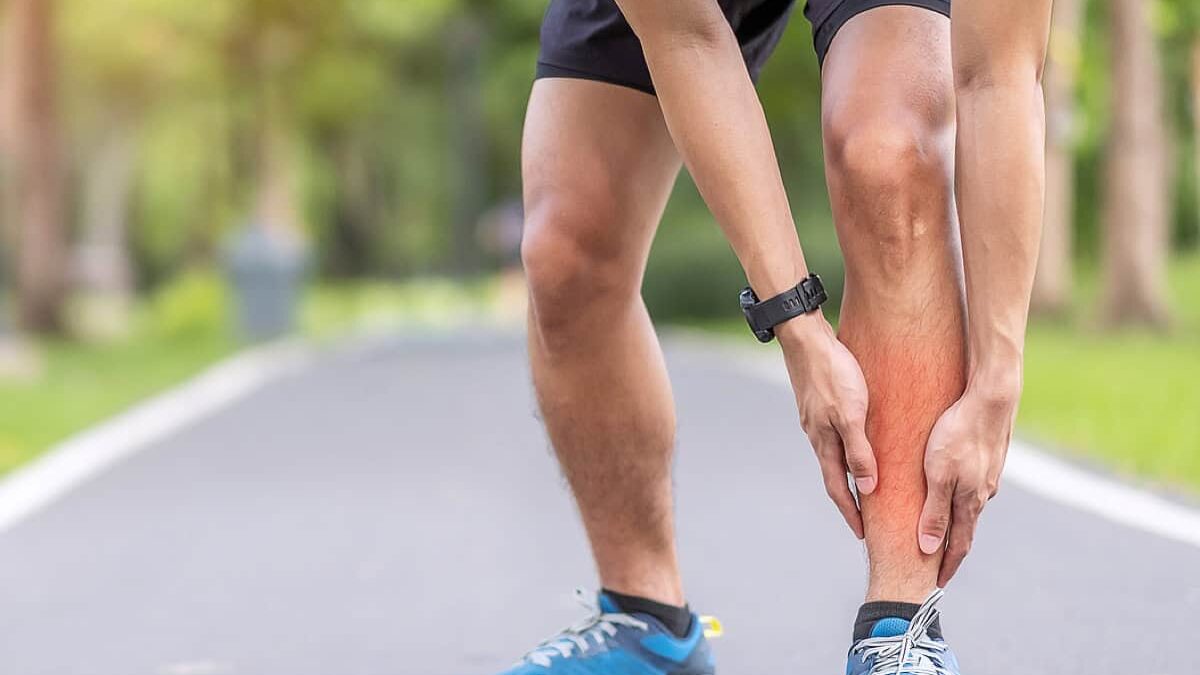
Shin splints, or medial tibial stress syndrome, are common in runners when training load rises faster than the lower legs can adapt. Shoes matter, but they are only one part of the problem. Mileage, intensity, surface changes, recovery, calf strength and running mechanics can all contribute.
Mayo Clinic recommends comfortable, well-cushioned shoes suited to your foot and gradual increases in impact activity. The American Academy of Orthopaedic Surgeons also emphasizes proper-fitting athletic shoes and a gradual return to exercise.
Best Running Shoes for Shin Splints at a Glance
The best choice depends on whether you run neutrally or prefer extra guidance. This list includes three stability shoes and three neutral shoes so runners are not pushed into support they may not need.
| Shoe | Best for | Ride | Price |
|---|---|---|---|
| Brooks Adrenaline GTS 25 | Everyday stability | Balanced, guided | Check latest price |
| Asics Gel-Kayano 33 | Plush stability | Cushioned, controlled | Check latest price |
| Saucony Guide 19 | Lighter stability | Smooth, moderately cushioned | Check latest price |
| Brooks Ghost 18 | Neutral daily training | Balanced, familiar | Check latest price |
| Hoka Clifton 10 | Light cushioned running | Soft, rockered | Check latest price |
| New Balance Fresh Foam X More v6 | Maximum cushioning | Soft, broad, low-drop | Check latest price |
How Running Shoes Can Help With Shin Splints
A running shoe can change how impact feels and how stable your foot feels, but it cannot correct an overloaded training plan. Shin splints often appear after a sudden jump in mileage, intensity, hills or frequency. If that load stays too high, simply buying softer shoes is unlikely to solve the problem.
Cushioning can make repeated impact more comfortable, especially on pavement. Stability features can help runners who already know they prefer guidance or who have significant overpronation, but shin splints alone do not prove you need a stability shoe. AAOS guidance focuses on proper fit and returning gradually after symptoms resolve, rather than prescribing one shoe category for everyone.
Fit matters just as much as foam. A secure heel, enough forefoot room and the correct width help keep the foot from sliding or fighting the shoe. Replace shoes when the midsole is visibly compressed, the outsole is badly worn or the ride has clearly changed.
Best Running Shoes for Shin Splints in 2026
Brooks Adrenaline GTS 25
Best for: Runners who want reliable stability without a hard medial post.

The Adrenaline GTS 25 is the easiest stability shoe here to use as a daily trainer. Brooks adds GuideRails around the rearfoot rather than forcing the foot against a rigid post, and the latest version adds more cushioning under both heel and forefoot.
It is a good fit for runners who already know they prefer structured support, especially on easy and steady runs. It is not automatically the best choice for every runner with shin pain. Read our Brooks Adrenaline GTS 25 review.
Asics Gel-Kayano 33
Best for: Runners who want a plush, highly structured stability shoe.
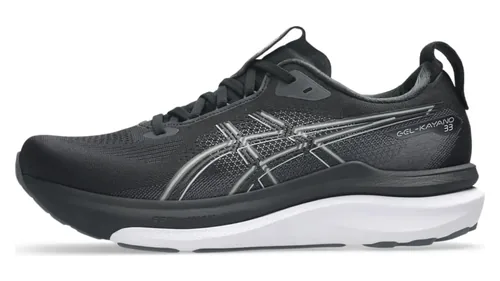
The Kayano 33 replaces the previous 4D Guidance System with FLUIDSUPPORT, combining FF Blast Max and FF Blast Plus with supportive geometry. PureGEL remains under the heel, giving this shoe a cushioned but controlled feel.
It is heavier and more structured than a neutral daily trainer, but it works well for runners who dislike unstable soft shoes. Read our Asics Gel-Kayano 33 review.
Saucony Guide 19
Best for: Runners who want stability with a smoother, less corrective feel.
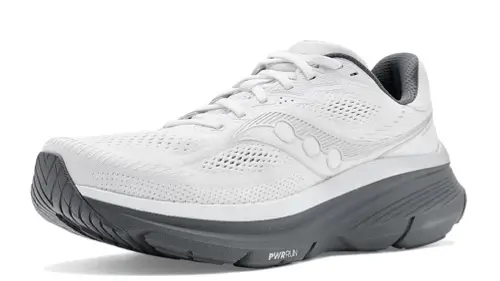
The Guide 19 uses Saucony’s CenterPath geometry and PWRRUN cushioning to create stability through a wide platform and shaped sidewalls instead of a traditional post. It also comes in wide and extra-wide versions.
Compared with the Kayano, it feels simpler and lighter. That makes it useful for runners who want some guidance without a heavily structured ride.
Brooks Ghost 18
Best for: Neutral runners who want a conventional daily trainer.
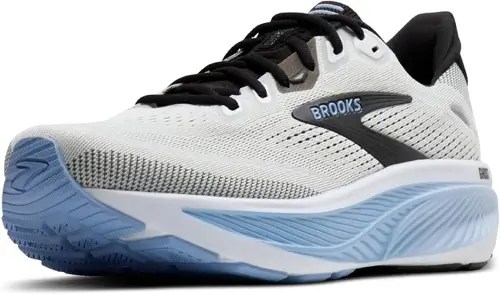
The Ghost 18 is the neutral counterpoint to the stability shoes above. It offers balanced cushioning, a secure heel and a 10mm drop without a dedicated corrective system. For runners who have comfortable mechanics in neutral shoes, that simplicity can be an advantage.
It works best for easy runs and everyday mileage rather than speedwork. Read our Brooks Ghost 18 review.
Hoka Clifton 10
Best for: Neutral runners who want lighter cushioning and a rockered transition.
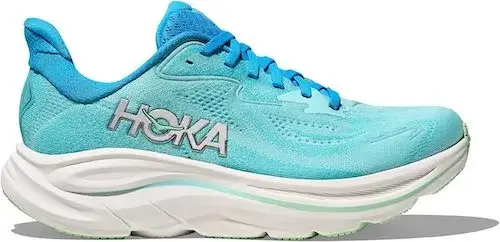
The Clifton 10 is lighter and less bulky than the More v6, with a rockered shape that helps the shoe roll forward smoothly. It gives neutral runners a cushioned option without the heavy structure of a stability trainer.
Because the ride is softer and the geometry is distinctive, it is worth trying before committing if you are returning from injury. Comfort during easy running matters more than the amount of foam on paper.
New Balance Fresh Foam X More v6
Best for: Runners who want maximum cushioning and a broad platform.

The More v6 puts a large amount of Fresh Foam X under both heel and forefoot and offers multiple widths. The broad base keeps the soft foam more predictable than many tall neutral shoes.
Its low 4mm listed drop is the main caution. Runners with tight calves or Achilles issues may prefer a higher-drop shoe during a return from shin pain. Read our New Balance Fresh Foam X More v6 review.
How to Return to Running After Shin Splints
The shoe should be the final piece of the return-to-run plan, not the entire plan. Mayo Clinic recommends resting from painful activity and returning gradually after symptoms improve. AAOS advises being pain-free before resuming exercise, then starting with shorter, easier sessions and increasing slowly.
Do not use a new pair of shoes to test whether you can “run through” shin pain. If pain returns during a run, stop and reassess. Cross-training with cycling, swimming or other lower-impact exercise can maintain fitness while the shin settles.
If pain is highly localized, severe, present at rest or getting worse, get evaluated. Stress fractures and other lower-leg problems can mimic shin splints.
Frequently Asked Questions About Running Shoes and Shin Splints
No. Shoes can improve comfort and reduce avoidable impact, but shin splints usually involve training load and tissue stress. Rest, gradual progression and addressing the underlying cause matter more than the shoe alone.
Not automatically. Choose stability if you already prefer a guided ride, have significant overpronation or have been advised to use it. Neutral runners can develop shin splints too.
They can make impact feel softer, but more cushioning is not automatically better. A very soft shoe can feel unstable to some runners. Comfort and control matter more than stack height alone.
Avoid running that causes pain. Mayo Clinic and AAOS recommend reducing painful impact activity and returning gradually after symptoms settle. Low-impact cross-training can help maintain fitness during recovery.
Mayo Clinic suggests runners consider replacement around 350 to 500 miles, but wear patterns and cushioning breakdown matter too. Replace shoes earlier if they feel compressed, unstable or unevenly worn.
They may help some runners, particularly those with flat arches or a specific biomechanical issue. They should fit comfortably inside the shoe and should not crowd the foot.
Get evaluated if pain is severe, highly localized, persists at rest, follows an injury or does not improve with reduced training. Stress fractures and other conditions can resemble shin splints.