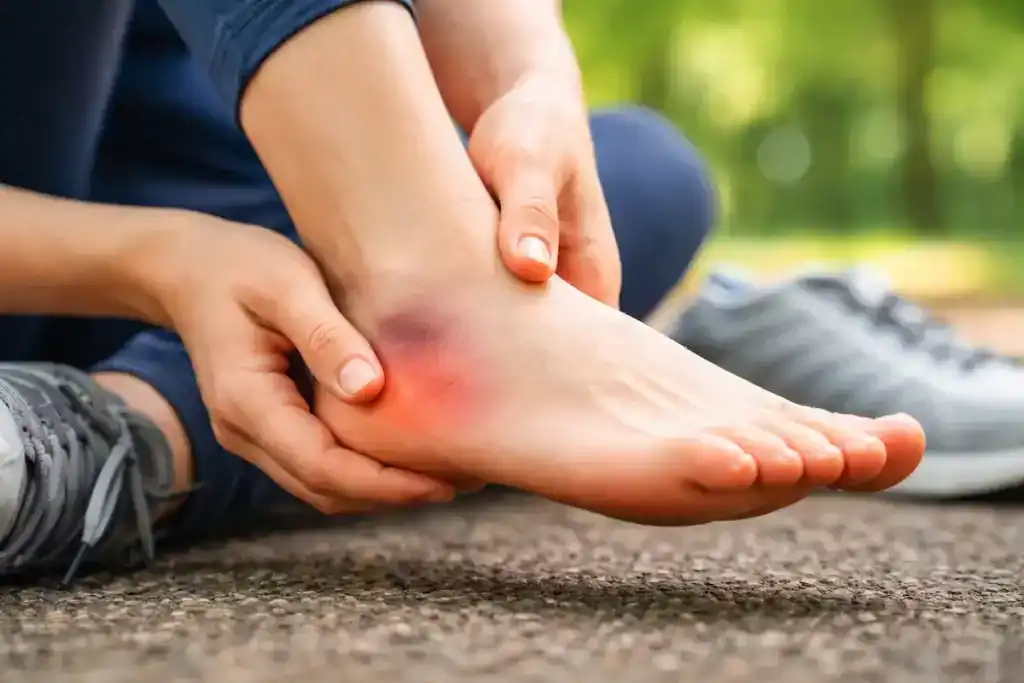
A heel contusion—often called a bruised heel—can be deceptively painful. While it may sound minor, this injury can make walking, standing, and exercising extremely uncomfortable. Many people are surprised by how long a heel contusion takes to heal and how easily recovery can be delayed without the right care.
This guide breaks down heel contusion recovery time, what healing really feels like day to day, what helps (and what doesn’t), and how footwear plays a major role in protecting your heel while it heals.
What Is a Heel Contusion?
A heel contusion occurs when the soft tissue, fat pad, or bone in the heel absorbs excessive impact or pressure, leading to bruising and inflammation. Unlike plantar fasciitis—which involves ligament irritation—a heel contusion is caused by direct trauma or repetitive pounding.
Common causes include:
- Jumping or landing hard on the heel
- Running on hard surfaces
- Wearing shoes with poor cushioning
- Prolonged standing on concrete floors
- Sudden increases in walking or running volume
There are two main types:
- Fat pad contusion: Bruising of the cushioning tissue under the heel
- Calcaneal contusion: Bruising of the heel bone itself (more painful and slower to heal)
Symptoms typically include:
- Deep, centralized heel pain
- Tenderness when pressing on the heel
- Pain that worsens with standing or walking
- A bruised or aching sensation rather than sharp stabbing pain
How Long Does a Heel Contusion Take to Heal?
Heel contusion recovery time depends on severity, activity level, and how well the heel is protected during healing.
Typical Recovery Timeline
- Mild heel contusion: 1–3 weeks
- Moderate heel contusion: 3–6 weeks
- Severe or bone-level contusion: 6–10+ weeks
While some discomfort may improve quickly, full tissue healing takes longer than most people expect—especially if you continue walking or standing on an unprotected heel.
Unlike muscle injuries, heel contusions heal slowly because:
- The heel bears your full body weight
- Blood flow to the area is limited
- Repeated pressure can reopen micro-damage
Many people feel “better” too early and accidentally reset their recovery.
What Heel Contusion Recovery Feels Like in Real Life (And How to Recover Properly)
Heel contusion healing is rarely linear. Instead, it tends to follow a two-steps-forward, one-step-back pattern.
Early Stage (Days 1–10)
- Sharp or deep aching pain when standing
- Pain strongest during first steps
- Heel feels sore even at rest after activity
What helps:
- Rest and reduced impact
- Ice (10–15 minutes, 1–2x daily)
- Cushioning shoes or heel cups
Middle Stage (Weeks 2–4)
- Pain decreases but flares with activity
- Standing for long periods still uncomfortable
- Walking barefoot becomes noticeable again
What helps:
- Consistent cushioning (even indoors)
- Avoiding barefoot walking
- Gentle calf and foot mobility exercises
Late Stage (Weeks 4–8+)
- Pain appears only after long days
- Tenderness when pressing the heel
- Sudden increases in activity can cause setbacks
What helps:
- Gradual return to activity
- Continued shoe support
- Avoiding hard surfaces
Recovery doesn’t mean “no pain at all”—it means pain that no longer worsens or lingers after activity.
Best Shoes to Support Heel Contusion Recovery
Footwear can make or break heel contusion healing. The goal is maximum cushioning, shock absorption, and heel protection.
Below are shoes commonly recommended for heel pain and impact-related injuries:
Best Walking & Recovery Shoes
- Hoka Bondi 9 – Ultra-thick cushioning, excellent shock absorption
- Brooks Ghost 17– Soft heel crash pad with stable support
- ASICS Gel-Nimbus – Gel cushioning specifically protects the heel
- New Balance Fresh Foam X 1080 V14 – Plush foam with smooth heel strike
- Saucony Triumph – High-energy foam that reduces heel impact
- Brooks Adrenaline GTS 25 – Stability Shoe
Best Casual / All-Day Shoes
- Oofos OOmg (recovery shoe) – Absorbs impact after long standing
- Hoka Clifton – Lightweight but well-cushioned for daily wear
- Orthofeet Walking Shoes – Extra heel padding and depth
Shoes to Avoid
- Minimalist or barefoot shoes
- Hard-soled sneakers
- Flat sandals or flip-flops
- Dress shoes with thin heels
Your heel needs constant protection, not just during workouts.
Walking Shoes vs Running Shoes for Heel Contusion
Many people assume running shoes are worse—but for heel contusions, running shoes often outperform walking shoes.
Walking Shoes
Pros:
- Stable and supportive
- Good for casual movement
Cons:
- Often firmer soles
- Less heel cushioning
Running Shoes
Pros:
- Designed to absorb impact
- Softer heel foam
- Better shock dispersion
Cons:
- Can feel bulky for casual wear
Bottom line:
If your heel contusion is painful, a well-cushioned running shoe is often the better choice, even for walking.
What Slows Heel Contusion Recovery
Many heel contusions linger longer than necessary due to preventable mistakes.
Common Recovery Setbacks
- Walking barefoot at home
- Wearing unsupportive shoes “just for a bit”
- Returning to activity too quickly
- Standing on hard floors without cushioning
- Ignoring mild pain signals
Heel contusions don’t respond well to “pushing through.” Each impact can re-bruised healing tissue.
Overdoing Stretching
Aggressive stretching doesn’t speed healing and may irritate bruised tissue. Focus on gentle mobility, not forceful stretches.
When to Expect Meaningful Improvement
Most people begin to notice meaningful improvement when:
- Pain no longer spikes during normal walking
- Heel soreness fades within hours instead of days
- Standing tolerance increases without flare-ups
This typically happens around:
- 2–3 weeks for mild cases
- 4–6 weeks for moderate cases
- 6–8+ weeks for severe contusions
If pain isn’t improving at all after 3–4 weeks, or worsens despite rest, medical imaging may be needed to rule out:
- Stress fracture
- Plantar fascia injury
- Heel fat pad atrophy
How This Page Fits the Bigger Recovery Picture
Heel contusions are just one of many foot injuries that can affect walking, standing, and long-term mobility. Understanding how long healing takes, and how recovery varies by injury, can prevent unnecessary frustration and setbacks.
For a broader look at foot injury timelines and what recovery realistically involves, visit:
https://bestwalkingfeet.com/foot-injury-recovery-times/
That guide places heel contusions alongside other common foot conditions so you can better understand where your recovery fits in the bigger picture.
Final Thoughts: Patience and Protection Matter Most
Heel contusion recovery is less about aggressive treatment and more about consistent protection. The heel heals best when impact is reduced, cushioning is constant, and activity increases gradually.
If there’s one takeaway, it’s this:
Your heel cannot heal while it’s being repeatedly bruised. Give it time, give it cushioning, and healing will follow.