Last Updated on October 4, 2026
Quick Answer: Use this running shoe size converter when switching between brands such as Nike, Adidas, Asics, Brooks, Hoka, New Balance, Saucony, On and Altra. Select the brand and U.S. size you wear now, choose the brand you want to switch to, and the tool estimates the closest starting size. Brand sizing is not perfectly standardized, so treat the result as a guide rather than a guarantee. Foot width, toe-box shape, orthotics and individual shoe models can all change how a size feels. Jump to the converter.
Shoe sizes vary significantly between brands because companies build shoes on different lasts, toe box shapes, cushioning systems, and fit profiles. A men’s size 10 in Nike may feel noticeably tighter than the same size in New Balance, Brooks, or Hoka. For example:
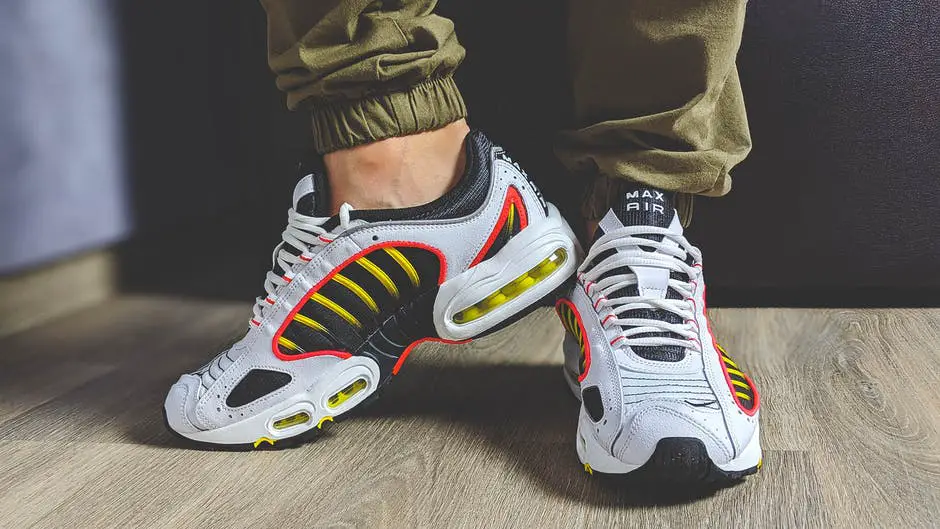
- Nike often fits narrow through the forefoot and may feel short for runners with wider feet.
- Converse Chuck Taylor models frequently run long and flat, leading many buyers to size down.
- Brooks and New Balance are known for accommodating wider feet and higher-volume toe boxes.
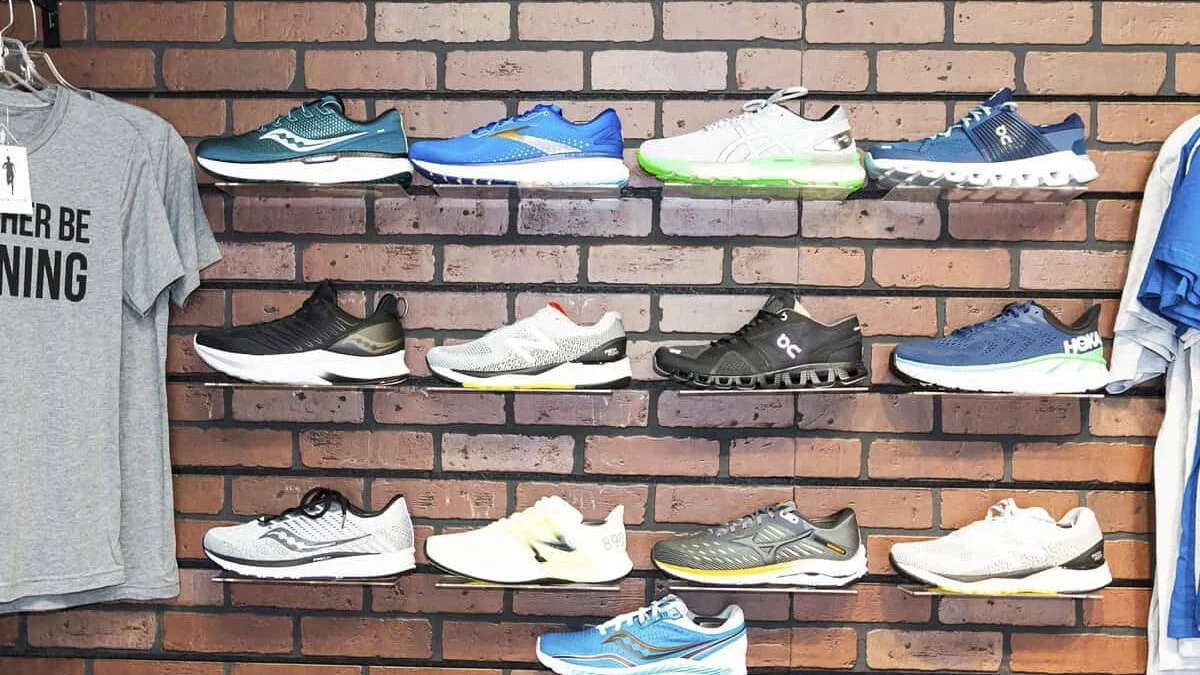
If you’re shopping for running shoes and are unsure how the fit compares, use our Running Shoe Size Converter below (click to scroll there) to estimate your closest size when switching brands. It compares major running-shoe brands including Nike, Adidas, Asics, Brooks, Hoka, New Balance, Puma, Saucony and more.
Looking for sneakers, boots, sandals, dress shoes or comfort footwear instead? Use our separate Casual Shoe Size Converter Between Brands.
Need a different sizing tool? Use the country shoe-size converter for U.S., U.K. and EU sizes, the foot-length chart if you are starting with a measurement, or see all options in our shoe size calculators and fit tools hub.
How to Use the Running Shoe Size Converter
To use the shoe size converter, start by selecting the brand you currently wear most often. Enter your usual U.S. shoe size, then choose the brand you want to switch to. The calculator will estimate the closest equivalent size based on common fit differences reported by wearers and footwear retailers.
Steps to follow:
- Select your current shoe brand from the dropdown list.
- Enter your current shoe size (U.S. sizing).
- Choose the brand you’re switching to from the dropdown.
- Click “Find My Size” to get an estimated size recommendation.
Pro Tip: If you’re between sizes or have a unique foot shape, checking user reviews or trying shoes in-store first can be helpful.
Common Running-Shoe Fit Problems and How to Fix Them
Shoe sizing can vary widely between brands due to differences in lasts, cushioning systems, materials, and overall construction. Our fit recommendations are based on common sizing patterns, retailer guidance, manufacturer information, and real-world wearer feedback. Keep in mind that foot shape, sock thickness, orthotics, and how you plan to use the shoes can all affect how a pair fits.
If you have wide feet, brands such as New Balance, Brooks, Altra, and Keen are often recommended because they typically offer roomier toe boxes and wider width options. These brands are popular with walkers and runners who need extra forefoot space or all-day comfort.
For narrow feet, Adidas and Puma frequently provide a more streamlined fit that can feel more secure through the midfoot and heel. Many people with slimmer feet find these brands reduce unwanted movement inside the shoe.
If arch support is a priority, Hoka and Asics are commonly chosen for their supportive midsoles and compatibility with orthotics. Many walking and running models from these brands are designed to improve comfort during long periods on your feet.
Leather shoes can also fit differently from athletic footwear. Brands such as Allen Edmonds and Dr. Martens may feel firm or snug initially, but genuine leather often softens and molds to your feet over time as the shoes break in naturally.
Try the Running Shoe Size Converter Now
Use the tool below to compare sizing across brands and find the best fit before you buy.
Choose the running-shoe brand and U.S. size you wear now, then select the brand you want to switch to. The result is a starting estimate, not a guaranteed fit.
Want more shoe-fit tips?
Enter your email to get occasional shoe sizing, fit and footwear advice from Best Walking Feet.
No spam. Unsubscribe anytime.
As an Amazon Associate, we earn from qualifying purchases.
Fit note: Brand-to-brand results are estimates. Individual models can fit differently even within the same brand, so check the manufacturer’s current size chart before ordering.
What to Do After You Convert Your Shoe Size
Your converted shoe size is a useful starting point, but it does not guarantee the same fit in every brand or model. Two shoes marked as the same size can feel different because of toe-box shape, width, heel fit, upper materials and the shape of the shoe itself.
Before buying, check how the brand you are switching to typically fits. These BestWalkingFeet guides can help you narrow down your choice:
- Compare how running shoe brands fit
- Hoka shoe sizing guide
- Asics running shoe comparison guide
- Brooks running shoe comparison guide
- New Balance running shoe comparison guide
- Best wide toe-box shoes
If you are between sizes, have wide feet or are switching to a shoe with a very different shape, check the manufacturer’s official size chart before ordering.
Popular Shoe Models by Brand
If you are using the converter because you plan to switch brands, these are popular current models to consider. Each serves a somewhat different purpose, so fit, cushioning and support should matter as much as the converted size.
Brand | Popular model (links to Amazon specs) | Best for | Check Amazon |
|---|---|---|---|
Adidas | Comfortable daily running, walking and everyday training with balanced cushioning | ||
Asics | Highly cushioned neutral running, long walks and long-distance training | ||
Brooks | Stability-oriented running and walking with added guidance and everyday cushioning | ||
Hoka | Lightweight, cushioned daily running and walking | ||
Mizuno | Balanced daily training with a smooth, moderately cushioned ride | ||
New Balance | Plush cushioning, long walks, easy running and people who prefer a broad platform | ||
Nike | Versatile everyday road running, walking and general fitness | ||
On | Highly cushioned daily running and longer sessions with a responsive ride | ||
Saucony | Premium neutral cushioning for daily runs, long distances and walking | ||
Skechers | Everyday walking, standing and casual wear with an emphasis on underfoot support |
If Your Size Is Right but the Shoe Still Feels Tight
Getting the length right does not always mean you have the right fit. If your toes feel compressed, the sides of your forefoot bulge against the upper or you regularly develop pressure points, you may need a wider shoe rather than a larger size.
Brands also use different shoe shapes. Some models taper more aggressively toward the toes, while others provide a broader forefoot even in a standard width.
If width may be the problem, see our best wide toe-box shoes for models that provide more room through the front of the shoe.
Compare More Shoe Sizes and Fit Options
If you need more than a brand-to-brand conversion, Best Walking Feet has additional tools and guides that can help. If you’re starting from a foot measurement, use our US shoe size chart by foot length before comparing brands.
Use the adult shoe-size calculator if you are starting with a foot measurement rather than an existing shoe size.
For U.S., UK and European sizing, use our international shoe-size converter.
You can also use our running shoe fit guide by brand to compare how major running shoe brands differ in width, toe-box shape and overall fit.
Note: Brand-to-brand size conversions are estimates. Individual models can fit differently even within the same brand. Check the manufacturer’s current size chart and return policy before ordering, especially if you are between sizes or trying a brand for the first time.