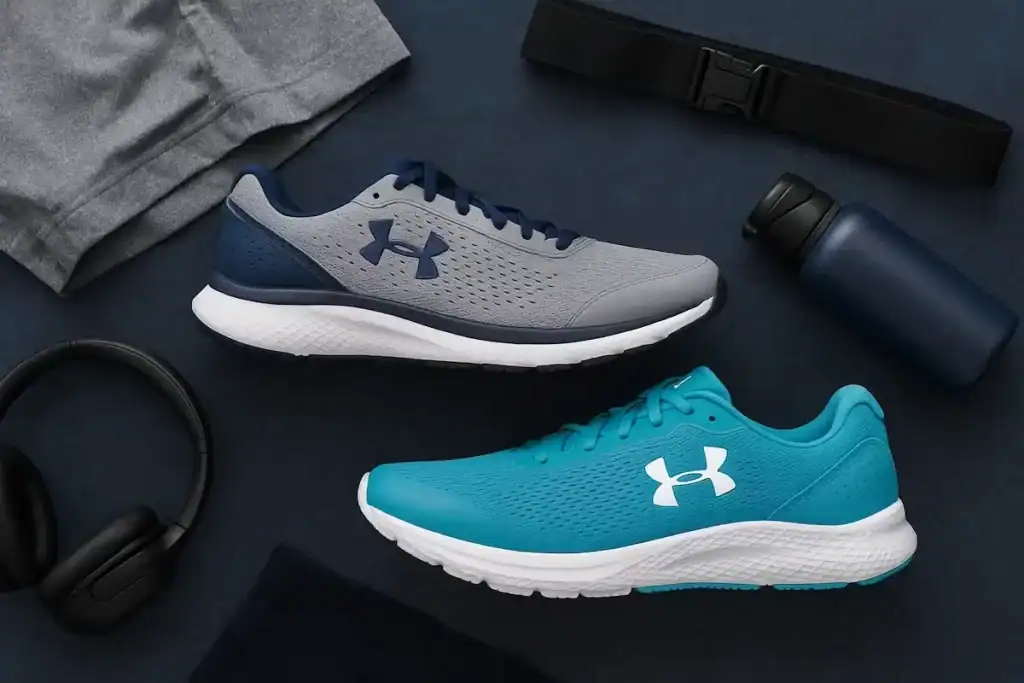
Shopping for Under Armour Running Shoes is a lot easier when you start with how you actually move. Some runners want soft cushioning for easy miles, others want a quicker, snappier feel for workouts, and plenty of people just need a reliable everyday shoe that handles walking, errands, and short runs without drama. In this comparison guide, I’m narrowing things down to current UA models you’ll commonly see on Amazon, then lining them up by what each does best. Use the table to shortlist quickly, then pick based on comfort, support, and the kind of running you’ll realistically do most weeks.
Under Armour Running Shoes Comparison Table
Shoe model | Gender | Best for | Topic features | Price |
|---|---|---|---|---|
Budget daily runs + walking | Charged Cushioning feel, breathable mesh, supportive overlays | |||
Beginners + gym-to-jog | Lightweight upper, comfortable step-in, dependable traction | |||
Everyday training + walking | Balanced cushion, stable ride, durable rubber outsole | |||
Daily miles with smoother impact | UA HOVR cushioning, responsive transitions, secure fit | |||
Comfort-first easy runs | Softer HOVR ride, forgiving feel, flexible traction | |||
Cushioned daily mileage | Run-long cushioning focus, smooth heel-to-toe feel, stable platform | |||
Balanced cushion + versatility | HOVR comfort, flexible feel, all-around daily trainer vibe | |||
Versatile road running | Charged Cushioning response, breathable mesh, durable traction | |||
Faster-feel training | Lighter build, snappier toe-off feel, grippy outsole |
In-depth Reviews for Under Armour Running Shoes
If you’ve ever bought running shoes that felt fine in the living room but wrong on mile two, you already know: small design choices add up fast. Below, each Under Armour option is matched to the kind of running and comfort you’re after.
Under Armour Charged Assert 11
Best for: Budget daily runs + walking

The Charged Assert 11 is a practical pick for runners who want a dependable shoe for short-to-moderate runs, walking, and everyday wear without paying for premium “race-day” features. The ride leans slightly firm compared to plush max-cushion trainers, which many people actually prefer for daily use because it feels stable underfoot and doesn’t get overly squishy on sidewalks. That firmer, more controlled feel can also be helpful if you’re doing a mix of activities—like walking, light jogging, and gym time—because the shoe stays steady when you change direction or move at different speeds. The upper is typically light and breathable, making it comfortable for errands and warmer days, while reinforced sections add structure so the shoe holds its shape instead of feeling sloppy after a few weeks.
If your routine includes easy outdoor jogs, treadmill sessions, and a lot of steps at work, this model tends to fit in without demanding a “runner-only” lifestyle. It works nicely as a starter running shoe because it’s straightforward: easy to lace, not overly technical, and forgiving enough to help you learn what you prefer in cushioning, fit, and support. It’s also a smart choice if you value durability and a stable platform more than super-soft foam. For heavier runners or people with higher impact sensitivity, it’s not the most cushioned option in this lineup, but it can still feel comfortable thanks to the supportive build and predictable ride. If you want one simple shoe that can cover most daily needs reasonably well, the Assert 11 usually lands in that sweet spot.
Specs
- Weight: Approx. 9–11 oz (varies by size/gender)
- Technology used: Charged Cushioning midsole, breathable mesh upper, rubber outsole
- Health conditions it helps with: General joint sensitivity from hard surfaces; mild heel discomfort (benefits from stable, not-too-soft cushioning)
Pros
- Solid value for daily wear and light training
- Stable, predictable ride
- Works well for walking + casual running
Cons
- Not the softest cushioning for long runs
- Limited “speed” feel compared with lighter trainers
Buy: Men’s version | Women’s version
Under Armour Charged Pursuit 4
Best for: Beginners + gym-to-jog

The Charged Pursuit 4 is the “easy yes” for people who split their time between gym workouts, walking, and short outdoor runs. It’s designed to feel comfortable quickly—step-in feel, flexible upper, and cushioning that doesn’t demand a perfect stride to enjoy. For new runners especially, that matters: you want a shoe you can lace up and trust without overthinking whether it’s too aggressive, too stiff, or too specialized.
The Pursuit line typically favors a lightweight, breathable build that keeps feet from overheating during incline treadmill sessions or brisk walks, while the midsole cushioning aims for a balanced, everyday feel. It’s not a max-cushion cruiser, and it’s not a snappy speed shoe; it’s a generalist that handles the transition from “I’m walking more” to “I’m jogging a couple times a week.” If your training includes basic strength work, machines, and a few miles here and there, the Pursuit 4 can keep things simple. It’s also a good travel shoe for people who want one pair that can handle sightseeing steps plus a quick hotel-gym run. If you plan to ramp up mileage, you might eventually prefer a softer or more premium platform, but as a starter daily trainer, it’s a strong, low-fuss choice.
Specs
- Weight: Approx. 8.5–10.5 oz (varies by size/gender)
- Technology used: Charged Cushioning midsole, lightweight mesh upper, rubber traction zones
- Health conditions it helps with: Mild knee/hip sensitivity from hard floors; general foot fatigue from lots of daily steps
Pros
- Great “first running shoe” feel
- Light, breathable, easy to wear all day
- Versatile for gym and casual runs
Cons
- Cushioning may feel basic for long distances
- Less responsive for faster workouts
Buy: Men’s version | Women’s version
Under Armour Charged Surge 4
Best for: Everyday training + walking

The Charged Surge 4 is a steady everyday trainer built for people who want one pair that covers the basics well: walking, regular gym days, and consistent easy running. Compared with the most budget-oriented options, the Surge tends to feel a bit more “trainer-like” in structure—more supportive through the midfoot, with cushioning that’s designed to stay consistent as you add miles or spend long hours on your feet.
The ride is usually balanced rather than ultra-soft, which can be a positive if you prefer a grounded feel and want your foot to stay stable during changes of direction or mixed-surface use. For runners who do a few miles during the week and a longer session on weekends, it’s the kind of shoe that doesn’t surprise you: predictable transitions, dependable grip, and a fit that works for a wide range of foot types. It also suits people who want a running shoe that doesn’t look overly “performance-only,” because it can pass as an everyday sneaker without feeling clunky.
If you’re sensitive to impact but don’t like the wobble that can come with plush stacks, the Surge 4 can offer a comfortable middle ground. It’s not built to be the lightest shoe on the list, but it often wins on reliability—especially for those who want a stable platform that can handle repetition.
Specs
- Weight: Approx. 9–11.5 oz (varies by size/gender)
- Technology used: Charged Cushioning, supportive upper structure, durable rubber outsole
- Health conditions it helps with: General arch fatigue from long standing; mild heel pain (benefits from stable shock absorption)
Pros
- Stable, dependable daily-trainer feel
- Works for walking, gym, and running
- Good durability for the price tier
Cons
- Not the most lightweight option
- Less “springy” than premium foam shoes
Buy: Men’s version | Women’s version
Under Armour HOVR Sonic 7
Best for: Daily miles with smoother impact

The HOVR Sonic 7 is for runners who want a more “cushioned performance” feel—something that softens impact on daily miles but still feels energetic enough to keep your stride from getting sluggish. In the UA lineup, HOVR cushioning is generally positioned as a step up in comfort and responsiveness from the Charged models, and the Sonic series often balances that cushioning with a secure, run-focused fit.
For many runners, that translates to easy miles feeling smoother and less punishing on pavement, with transitions that stay consistent as you tire. It’s a strong choice for people who run several times per week and want a shoe they can trust for everything from recovery jogs to steady-paced outings. The upper is typically designed to lock you in without feeling overly stiff, which helps if you value a stable heel and a confident midfoot wrap.
While it’s not a super light racer, it doesn’t need to be—its job is to be your reliable “go-to” trainer when you want comfort, protection, and a bit of pop. If you’ve tried firmer daily trainers and wished for more shock absorption, the Sonic 7 tends to be the model that makes the difference. It’s also a good bridge for walkers who want a running shoe that feels noticeably softer underfoot without jumping all the way to a bulky max-cushion platform.
Specs
- Weight: Approx. 9–11 oz (varies by size/gender)
- Technology used: UA HOVR cushioning, supportive upper, durable rubber traction
- Health conditions it helps with: Joint sensitivity from impact (knees/hips); mild plantar discomfort (benefits from softer landings + stable fit)
Pros
- Cushioned feel without being overly mushy
- Great daily trainer for frequent running
- Secure, confident fit for road miles
Cons
- Not the lightest choice for speed sessions
- Cushion preference can vary (some may want even softer)
Buy: Men’s version | Women’s version
Under Armour HOVR Turbulence 2
Best for: Comfort-first easy runs

The HOVR Turbulence 2 is aimed at runners who prioritize comfort and forgiveness—especially for easy runs, casual daily mileage, and routines where the goal is consistency rather than speed. If you’re the kind of runner who wants your shoes to take the edge off pavement, this is one of the models in the lineup that tends to deliver that “soft landing” sensation while still feeling stable enough for everyday use.
It works well for people returning to running, building a base, or managing impact sensitivity where a firm shoe feels harsh over time. The ride is typically smooth and easy: you can settle into a relaxed pace, keep your form comfortable, and not feel like the shoe is pushing you into a faster turnover. That can be a benefit on recovery days and longer, slower runs where your feet appreciate a bit more protection. The outsole and overall build usually focus on predictable traction and durability, which matters if you’re logging a lot of repeat miles in one primary trainer. If you do faster workouts frequently, you may want something lighter or snappier to complement it, but as the “comfort pair” in your rotation, the Turbulence 2 makes a lot of sense. It’s also a solid option for walkers who want a running shoe that feels noticeably more cushioned during long days on hard surfaces
Specs
- Weight: Approx. 9.5–12 oz (varies by size/gender)
- Technology used: UA HOVR cushioning, supportive upper, rubber outsole
- Health conditions it helps with: Heel discomfort from impact; general lower-leg fatigue (benefits from softer landing feel)
Pros
- Comfortable, forgiving ride for easy miles
- Good for base-building and recovery runs
- Stable enough for daily wear
Cons
- Not optimized for fast intervals
- Some runners may find it too “easy pace” focused
Buy: Men’s version | Women’s version
Under Armour Infinite 6
Best for: Cushioned daily mileage
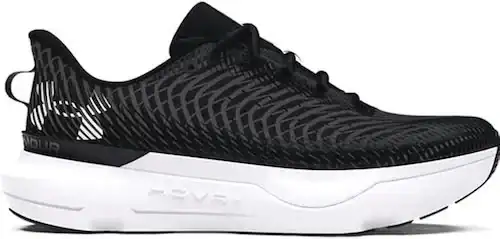
The Under Armour Infinite 6 is the pick for runners who want a more cushioned “mileage-ready” shoe—something you can lean on when your weekly routine includes longer easy runs, higher step counts, or days where your legs just need extra protection. In a comparison lineup like this, the Infinite 6 generally sits in the comfort-forward category: it’s built to help you stay consistent by reducing how beat-up you feel after repeated pavement miles.
The cushioning approach favors a smoother, more forgiving ride, which can be especially helpful if you’re building endurance, returning after time off, or simply prefer a softer landing over a firm, ground-feel trainer. It also works well for heavier runners who often benefit from a more protective platform for daily running. The overall experience typically feels stable and steady—more about comfort and repeatability than speed. That doesn’t mean it’s slow; it just isn’t designed to be a lightweight interval shoe.
If you want one shoe that you can lace up for a comfortable 3 miles or a relaxed 8 miles without thinking too hard, Infinite 6 is the kind of model that fits that job. It’s also a strong option for walkers who do long days on their feet and want a running shoe that prioritizes cushioning and comfort over minimal weight. If you’re choosing between “simple daily trainer” and “cushioned daily trainer,” this is usually the move.
Specs
- Weight: Approx. 10–12.5 oz (varies by size/gender)
- Technology used: Cushioning-focused midsole design, supportive upper, durable outsole
- Health conditions it helps with: Impact sensitivity in knees/hips; foot fatigue from high-mileage walking/running
Pros
- Comfort-focused for frequent or longer runs
- Protective feel for daily mileage
- Smooth, stable transitions
Cons
- Heavier than speed-oriented options
- Less “snappy” for workouts
Buy: Men’s version | Women’s version
Under Armour HOVR Intake 6
Best for: Balanced cushion + versatility

The HOVR Intake 6 is a strong “middle lane” choice for runners who want cushioning that feels comfortable and protective, but still versatile enough for a mixed week of training. If you don’t want an ultra-firm shoe and you also don’t want a max-cushion platform that feels bulky, Intake 6 often makes sense because it aims for that balanced daily-trainer experience. It’s the kind of shoe that can handle easy runs, moderate steady efforts, treadmill sessions, and plenty of walking without feeling out of place in any one category.
The HOVR cushioning concept generally targets impact reduction with a bit of energy return, so the ride tends to feel smoother than basic foam while still giving enough structure to feel stable on sidewalks and gym floors. For a lot of runners, this becomes the “one pair” solution: it’s comfortable for casual miles, supportive for longer days, and doesn’t demand that you reserve it for only running. It’s also helpful for those who are sensitive to harsh landings but don’t like a super soft, sink-in feel. If your training is inconsistent—some weeks you run three times, other weeks you mostly walk—Intake 6 is forgiving in the best way. It doesn’t punish you for being a real person with a real schedule. While dedicated speed shoes will feel quicker, and max-cushion shoes may feel softer, the Intake 6 tends to feel like the balanced daily driver that keeps you coming back.
Specs
- Weight: Approx. 9–11.5 oz (varies by size/gender)
- Technology used: UA HOVR cushioning, flexible outsole design, supportive upper
- Health conditions it helps with: General impact discomfort; mild plantar fascia irritation (benefits from cushioned, stable daily wear)
Pros
- Versatile “one shoe” option
- Comfortable cushioning without bulk
- Great for mixed running + walking weeks
Cons
- Not specialized for racing or fast intervals
- Fit preference can be personal (some may size up/down)
Buy: Men’s version | Women’s version
Under Armour Charged Rogue 5
Best for: Versatile road running

The Charged Rogue 5 is a versatile road-running option for people who want a dependable, slightly more “runner-forward” feel than the most entry-level trainers, without jumping to a premium, plush platform. It’s the kind of shoe that fits neatly into a weekly routine of easy runs, moderate miles, and general fitness training, especially if you like a balanced ride that feels stable and responsive enough for changing paces.
The Charged Cushioning setup typically provides a firmer, more controlled feel than ultra-soft foams, and that can be a plus for runners who want a predictable platform that doesn’t feel wobbly when fatigue sets in. The upper is usually breathable and structured enough to feel supportive, which helps on longer walks and steady runs where security matters.
If you’re someone who alternates between running and walking intervals, the Rogue 5 tends to handle that well because it transitions smoothly between heel strike and toe-off without feeling overly stiff. It’s also a good pick if you want a shoe that looks and feels like a running shoe, but still works for everyday wear. For higher mileage runners who need maximum cushioning, you might prefer Infinite 6; for faster sessions, you might prefer something lighter. But as a “do most things well” road trainer with a stable feel, the Charged Rogue 5 can be the backbone pair you reach for most often.
Specs
- Weight: Approx. 9–11.5 oz (varies by size/gender)
- Technology used: Charged Cushioning midsole, breathable mesh upper, rubber outsole
- Health conditions it helps with: Mild overuse soreness from hard surfaces; general ankle/foot fatigue (benefits from stable platform)
Pros
- Balanced, stable road-running feel
- Works well for run/walk routines
- Durable enough for regular use
Cons
- Not as plush as max-cushion shoes
- Not as light as speed-focused trainers
Buy: Men’s version | Women’s version
Under Armour Charged Speed Swift
Best for: Faster-feel training

The Charged Speed Swift is made for runners who like a lighter, quicker-feeling shoe for workouts, uptempo days, and runs where you want a bit more responsiveness without going full racing-flat. Within this comparison, it’s the option that leans most toward “move fast, feel light,” which can be a game-changer if your current daily trainer feels heavy or dull when you try to pick up the pace.
The cushioning approach usually stays on the firmer, more energetic side so your foot doesn’t sink too much, helping transitions feel snappy and controlled. That makes it a good fit for interval sessions, tempo runs, treadmill workouts, or any day where cadence and turnover matter. It can also be a smart second shoe if you already own a cushioned daily trainer and want something to rotate in for speed-focused training.
For beginners, it can still work—especially if you enjoy a lighter shoe—though some newer runners prefer more softness for joint comfort. On longer, slow distance days, you may want a more protective option like Infinite 6 or a HOVR model. But when you want a shoe that feels agile, keeps you from feeling bogged down, and supports a more performance-oriented stride, the Speed Swift earns its place. It’s best used when you’re actively trying to run faster, not just when you’re collecting steps.
Specs
- Weight: Approx. 7.5–10 oz (varies by size/gender)
- Technology used: Charged Cushioning (responsive setup), lightweight upper, grippy outsole
- Health conditions it helps with: Better for runners who want reduced fatigue from heavy shoes; not ideal if you require maximum impact protection
Pros
- Lighter feel for faster training
- Snappy, responsive transitions
- Great rotation shoe for tempo/interval days
Cons
- Less plush for long, easy runs
- Not the best choice for high-impact sensitivity
Buy: Men’s version | Women’s version
Buyer’s Guide for Under Armour Running Shoes
Start with what you’ll actually use the shoes for
The fastest way to choose between these Under Armour Running Shoes is to be honest about your “most common week,” not your “best possible week.” If you run twice and walk five days, you’ll get more value from a comfortable, versatile daily trainer than a shoe that only shines during workouts. In this list, the Charged models generally lean toward practical daily wear with a stable, slightly firmer feel, while the HOVR models usually aim for more impact protection and a smoother, more cushioned ride. Infinite 6 is the most comfort-forward option here for regular mileage and long days on your feet.
If your use is mixed (walking, errands, short runs), you’ll usually be happiest in a do-it-all trainer: Charged Pursuit 4, Charged Surge 4, Charged Rogue 5, or HOVR Intake 6. If your runs are the priority and you want softer landings, start your shortlist with HOVR Sonic 7, HOVR Turbulence 2, or Infinite 6. For people that want a lighter, quicker shoe for workouts, Charged Speed Swift becomes the more focused choice.
Decide whether you want a firmer or softer ride
Cushioning feel is where most runners get tripped up, because “more cushion” doesn’t always mean “more comfortable.” A softer shoe can feel great on impact, but if it’s too soft for your preference, it can feel unstable or fatiguing. A firmer shoe can feel more supportive and predictable, but if it’s too firm, your legs may feel beat up on longer runs.
In this lineup, Charged Assert 11 tends to represent the “firm-to-balanced” end of comfort, making it a strong budget pick for daily steps and light running. Charged Pursuit 4 is similarly straightforward and beginner-friendly, often feeling comfortable quickly without being overly plush. Charged Surge 4 and Charged Rogue 5 sit in the balanced daily trainer lane, typically offering a steadier platform that works well for repeat use. If you want noticeably softer landings and a more comfort-focused ride, HOVR Sonic 7, HOVR Turbulence 2, and HOVR Intake 6 are the natural next step, with Infinite 6 being the most geared toward longer, cushioned mileage.
A simple way to decide: if you’ve worn very cushioned shoes before and they felt wobbly or “too bouncy,” stay in the Charged family or choose HOVR Intake 6 for a balanced middle. If hard pavement makes your legs sore or you crave more shock absorption, start with HOVR Sonic 7, HOVR Turbulence 2, or Infinite 6.
Match the shoe to your typical distance (not your occasional distance)
Many people buy shoes for a distance they rarely run. If you usually run 2–4 miles, you don’t need a heavy, maximum-cushion platform unless you know you specifically prefer it. For shorter to moderate distances and lots of walking, Charged Assert 11, Charged Pursuit 4, and Charged Surge 4 often make the most sense because they’re comfortable, stable, and easy to wear daily. If you run moderately often and your miles are trending up, the jump to HOVR Sonic 7 or HOVR Intake 6 can feel like an upgrade in comfort and smoothness.
If you’re regularly doing longer easy runs (or you’re on your feet all day and want more protection), Infinite 6 is the model in this list that most clearly points toward cushioning as the priority. When comfort and consistency matter more than speed, that kind of daily-mileage design tends to pay off over time.
Choose based on stability needs and how you land
If you know you prefer a stable, controlled platform, your best bets are typically the more structured daily trainers: Charged Surge 4 and Charged Rogue 5. They fit a lot of runners because they avoid extremes—neither too soft nor too minimal—and they stay predictable as you fatigue. Charged Assert 11 can also work well if you want a stable feel at a lower price point.
If you want “stable but softer,” HOVR Intake 6 is often the sweet spot. If your priority is the softest, easiest ride for relaxed running, HOVR Turbulence 2 and Infinite 6 are better aligned with that comfort-first goal. The key is that stability is not just about cushioning; it’s also about how steady the platform feels when the pace slows, turns happen, or your form changes late in a run.
Think about speed days vs. easy days (and whether you need one pair or two)
Trying to find one shoe that does everything perfectly usually leads to compromises. If you want one pair to handle most workouts and daily miles, a balanced trainer is the move: HOVR Sonic 7, HOVR Intake 6, Charged Rogue 5, or Charged Surge 4. These are the most flexible “main pair” options in this set.
If you like faster runs or structured training (intervals, tempo, treadmill speed work), Charged Speed Swift is the more workout-oriented choice because it’s built for a lighter, quicker feel. Many runners get the best results with a simple two-shoe approach: one comfortable daily trainer (Infinite 6, HOVR Sonic 7, HOVR Intake 6, Charged Rogue 5, or Charged Surge 4) plus one lighter option for faster sessions (Charged Speed Swift). That setup often feels better than forcing one shoe to cover both long easy runs and short fast efforts.
Use fit and comfort as the final tiebreaker
Once you’ve narrowed by use-case, let comfort decide. Fit issues show up quickly when you run: heel slip, toe crowding, pressure on the top of the foot, or a lack of midfoot hold. If you’re between two models with similar “best for” categories, pick the one that matches your comfort preference:
- Prefer a straightforward, stable daily feel: Charged Surge 4 or Charged Rogue 5
- Want comfort-first easy miles: HOVR Turbulence 2 or Infinite 6
- Want a balanced, cushioned daily driver: HOVR Sonic 7 or HOVR Intake 6
- Want budget-friendly, wear-anywhere practicality: Charged Assert 11 or Charged Pursuit 4
- Want a lighter shoe for quicker training: Charged Speed Swift
Ultimately, the best pick is the shoe that matches your most common pace, your most common surface, and your most common distance. When those align, you’re far more likely to stay consistent.