Last Updated on September 27, 2026
Quick Answer: Mizuno’s current running lineup ranges from traditional daily trainers such as the Wave Rider to higher-cushion shoes, stability models and newer performance trainers such as Neo Vista and Neo Zen. Start with your preferred ride and support needs, then use the table below to compare the current models.
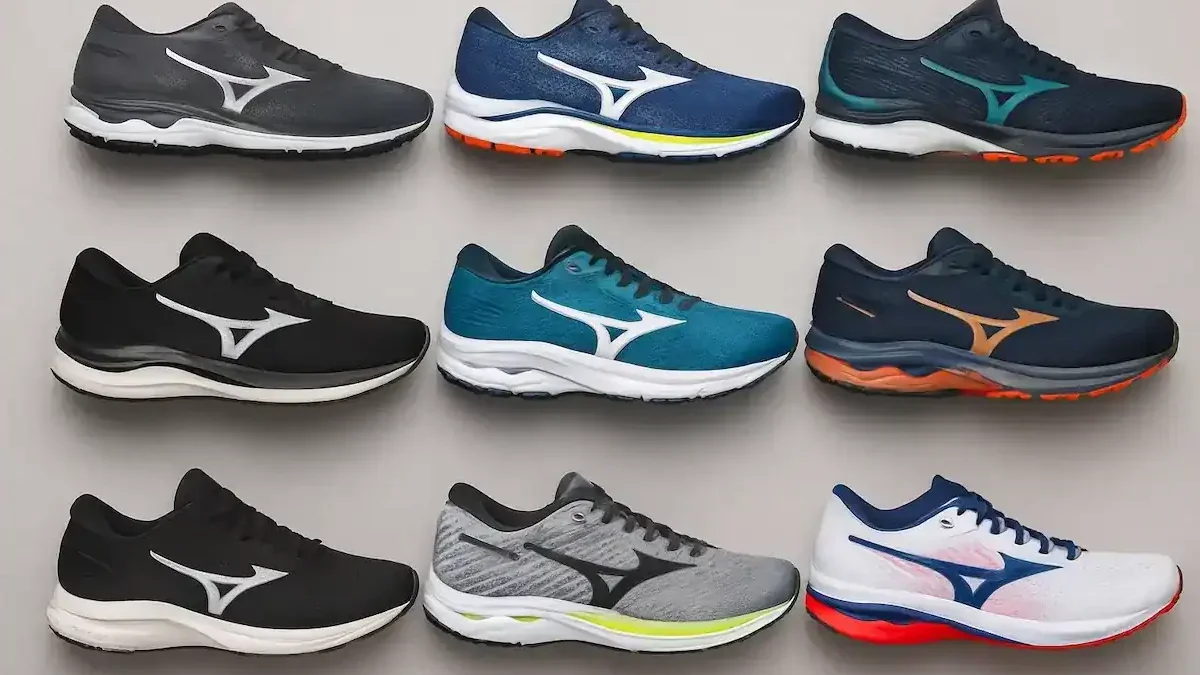
If you’ve been searching for Mizuno Running Shoes lately, you’ve probably noticed how wide the lineup has gotten. Mizuno now has everything from classic daily trainers with that signature Wave stability, to modern “super trainer” designs built for smoother transitions and faster long runs, to trail shoes that prioritize grip and rock protection. The best pick depends on how you run (neutral vs stability), where you run (road vs trail), and what you want to feel underfoot (firm and snappy vs soft and floaty). Below is a clear, model-by-model comparison of the latest Mizuno options so you can choose with confidence.
Mizuno Running Shoes Comparison Table
Shoe model | Gender | Best for | Topic features | Price |
|---|---|---|---|---|
Men | Women | Daily training, easy runs and walking | Much softer than older Riders, 8 mm drop, full-length Wave plate | ||
Max cushion comfort runs | Plush ride, stable geometry, premium upper feel | |||
Men | Women | Everyday stability and walking | Softer ENERZY NXT ride, 10 mm drop, wide and super-wide options | ||
Men | Women | Maximum stability and cushioning | Supportive high-cushion platform for overpronation and long easy miles | ||
Men | Women | Long runs and premium cushioning | Tall soft platform, full-length Wave plate, smoother and steadier than version 2 | ||
Men | Women | Easy runs, recovery and walking | Light high-cushion ride with Smooth Speed Assist rocker | ||
Racing + PR attempts | Aggressive geometry, speed-focused ride, propulsive feel | |||
Speed days, tempo runs | Lightweight speed trainer, snappy turnover, stable landing | |||
Mixed-terrain trail running | Grippy outsole, stable trail platform, protective cushioning | |||
Long, rugged trail miles | Maximum protection, confident traction, smoother trail transitions |
In-depth Reviews for Mizuno Running Shoes
Choosing between Mizuno Running Shoes gets much easier when you match the model to your run type. Below, you’ll find quick, practical reviews that focus on ride feel, stability, comfort, and where each shoe shines most.
Mizuno Wave Rider 30
Best for: Daily training, easy runs and walking

The Wave Rider 30 is now Mizuno’s mainstream neutral daily trainer. This generation is a major change from the firmer Riders many runners remember: it uses much more cushioning, an 8 mm drop and a full-length Wave plate to keep the taller platform controlled.
Choose it if you want one Mizuno for easy runs, steady mileage and walking. It is soft and protective rather than fast. Read our Mizuno Wave Rider 30 review or check the latest price.
Mizuno Wave Sky 9
Best for: Max cushion comfort runs
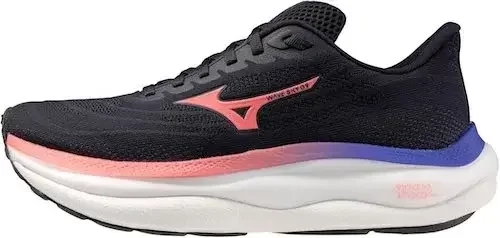
The Mizuno Wave Sky 9 is the comfort-first choice among Mizuno Running Shoes when you want a softer landing and a protected, easygoing feel underfoot. It’s designed for runners who prioritize cushioning on recovery runs, base-building mileage, and long aerobic days where the goal is simply to feel good while stacking distance. The ride leans plush, but the shoe aims to avoid the unstable “marshmallow” sensation that some max-cushion models create—especially when you’re cornering, running on slanted sidewalks, or finishing a run with tired legs.
Sky 9 typically feels smooth and calm, helping you settle into a steady rhythm rather than encouraging constant pace changes. That makes it a strong pick for runners who want consistency and comfort more than quickness, and it can be particularly appealing if your joints feel beat up after high-mileage weeks. The upper usually contributes to that comfort with a premium, secure fit that keeps the foot centered on the platform, which matters a lot in a higher-stack shoe.
If you’re comparing Mizuno Running Shoes for your “easy-day workhorse,” Sky 9 is often the model that feels most forgiving when your body wants less impact stress. It’s not meant to be a speed shoe, but it can still handle moderate paces when needed, making it a great option for runners who want a dedicated cushion trainer that stays stable, supportive, and comfortable over time.
Specs
- Weight: approx. 10.5–11.5 oz (men) / 8.5–9.8 oz (women), size-dependent
- Technology used: Mizuno Enerzy NXT, Wave-inspired geometry/platform design, durable outsole rubber
- Health conditions it helps with: joint sensitivity on pavement, mild shin discomfort from hard landings, runners who fatigue into less stable form
Pros
- Very comfortable cushioning for long mileage
- Stable for a max-cushion trainer
- Premium upper feel
Cons
- Heavier than daily “workhorse” trainers
- Not ideal for speed sessions
- Plush feel isn’t for everyone
Gender-specific buy links: Men’s version | Women’s version
Mizuno Wave Inspire 22
Best for: Everyday stability, walking and wide feet
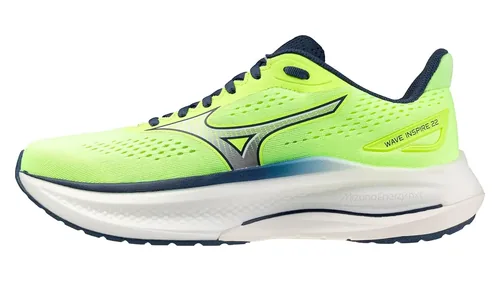
The Wave Inspire 22 is Mizuno’s everyday stability trainer. It is much softer than the previous generation, with full-length ENERZY NXT cushioning and a 10 mm drop. The Wave plate supports the arch without using an old-fashioned hard medial post.
Wide and super-wide versions make it especially useful for runners and walkers who want stability without a cramped fit. Read our Mizuno Wave Inspire 22 review or check the latest price.
Mizuno Wave Horizon 9
Best for: Maximum stability and cushioning
The Wave Horizon 9 is the high-support option in Mizuno’s current road lineup. It is built for runners and walkers who want more guidance and a broader, more protective platform than the Wave Inspire 22.
Choose it when support and cushioning matter more than speed. Mizuno currently positions the Horizon 9 alongside the Wave Inspire 22 as a stability-focused trainer. Check current Wave Horizon 9 availability.
Mizuno Neo Vista 3
Best for: Long runs and premium cushioning
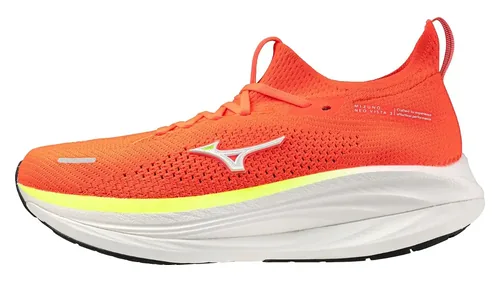
The Neo Vista 3 is Mizuno’s premium long-run and super-trainer option. It has a very tall, soft platform and a full-length Wave plate that helps keep the cushioning controlled rather than turning the shoe into a stiff racer.
The Neo Vista 3 feels secure through the heel and steady underfoot despite its tall, soft platform. It is a strong choice for long easy miles if you have narrow or average feet. Read our Mizuno Neo Vista 3 review or check the latest price.
Mizuno Neo Zen 2
Best for: Easy runs, recovery and walking
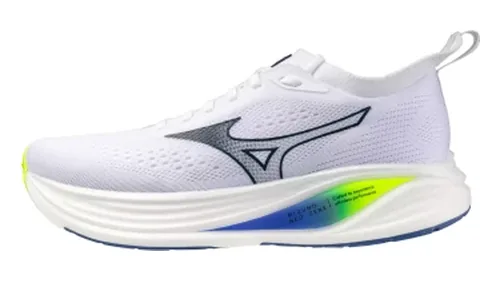
The Neo Zen 2 is the lighter, more relaxed member of Mizuno’s modern cushioned road lineup. It uses ENERZY NXT cushioning and Smooth Speed Assist geometry to create a soft rolling ride without the weight of a traditional max-cushion shoe.
It works especially well for easy runs, recovery days and walking. Read our Mizuno Neo Zen 2 review or check the latest price.
Mizuno Wave Rebellion Pro 3
Best for: Racing + PR attempts
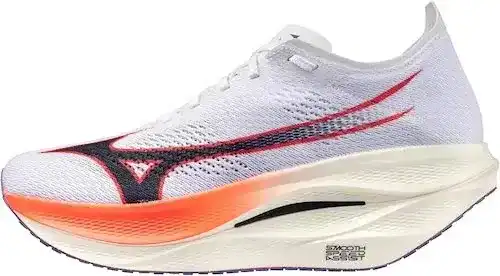
The Wave Rebellion Pro 3 is the race-focused option in this Mizuno Running Shoes comparison, built for runners who want an aggressive, propulsive feel when the goal is speed. The ride is designed to keep you moving forward efficiently, with geometry that encourages quick turnover and a more assertive transition that feels best once you’re running at tempo or faster.
This is not a casual daily trainer; it’s a shoe for race day, time trials, and key workouts where you want every step to feel purposeful. The Pro 3 can feel “directive,” meaning it nudges your stride into a particular pattern—great if it matches your mechanics, less ideal if you prefer a flexible, natural ride. When it clicks, it can make sustained paces feel smoother and more economical, especially over longer racing distances where small efficiency gains matter. The cushioning typically aims to be energetic and performance-oriented rather than soft, helping you maintain momentum without feeling bogged down. The upper and fit are generally tuned for racing, prioritizing security and hold so your foot stays stable when you’re cornering or accelerating.
If you’re shopping Mizuno Running Shoes specifically to chase personal bests, this is the model built for that mission. It’s best reserved for faster days because the aggressive feel can be unnecessary—and sometimes uncomfortable—at slow recovery paces. For runners who want a dedicated PR tool and like a strong forward-rolling sensation, Wave Rebellion Pro 3 is Mizuno’s flagship performance choice.
Specs
- Weight: approx. 7.0–8.5 oz (unisex sizing varies), size-dependent
- Technology used: Smooth Speed Assist geometry, high-performance Enerzy foam blend, race-focused plate/structure
- Health conditions it helps with: runners who fatigue into overstriding (geometry encourages forward roll), form efficiency needs at pace (not a medical aid)
Pros
- Built for speed and racing efficiency
- Propulsive, aggressive ride
- Great for PR-focused days
Cons
- Too aggressive for casual easy runs
- Geometry won’t suit every runner
- Premium pricing is common
Gender-specific buy links: Men’s version | Women’s version
Mizuno Wave Rebellion Flash 3
Best for: Speed days, tempo runs
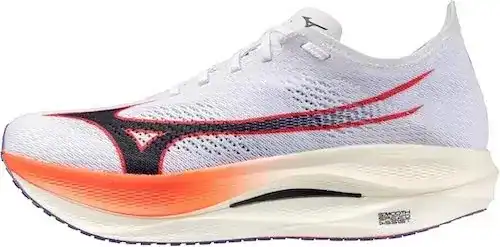
The Wave Rebellion Flash 3 is the speed trainer in the Mizuno Running Shoes lineup—ideal for runners who want a lighter, quicker shoe for workouts without committing to a full racing model. It’s built for tempo runs, intervals, progression runs, and fast-finish long runs where a daily trainer can feel heavy or sluggish.
The Flash 3 typically feels snappy and responsive, encouraging quicker turnover and making faster paces feel more natural underfoot. Compared with a dedicated racer, it’s often more versatile and more forgiving, which is exactly what you want in a training shoe that has to handle repeated hard sessions over weeks and months. It can also be a smart second shoe in a rotation: pair it with a daily trainer like the Wave Rider 30 or a stability option like the Wave Inspire 22, and you’ve covered most training needs. The cushioning is usually tuned for responsiveness rather than plush comfort, so it feels more connected to the ground and less “pillowy,” which many runners prefer during speedwork because it improves rhythm and confidence. The upper and fit often aim to feel secure and performance-ready without being overly minimal, keeping your foot locked in during quick turns and accelerations.
If you want Mizuno Running Shoes that make workouts feel smoother, faster, and more fun, Flash 3 is one of the most practical choices—fast enough to matter, but not so extreme that it only works on race day. It’s especially well-suited to runners who want speed training support while still keeping the ride stable and predictable.
Specs
- Weight: approx. 7.5–9.2 oz (men) / 6.8–8.5 oz (women), size-dependent
- Technology used: Smooth Speed Assist influence, Enerzy Lite / performance foam blend, lightweight build
- Health conditions it helps with: runners who prefer less bulk during faster running, those managing fatigue-related heaviness (performance feel)
Pros
- Faster, lighter feel for workouts
- Great complement to a daily trainer
- More versatile than a pure racer
Cons
- Less plush for easy-day comfort
- Can feel firm if you like soft cushioning
- Not as protective for very long slow runs
Gender-specific buy links: Men’s version | Women’s version
Mizuno Wave Daichi 9
Best for: Mixed-terrain trail running
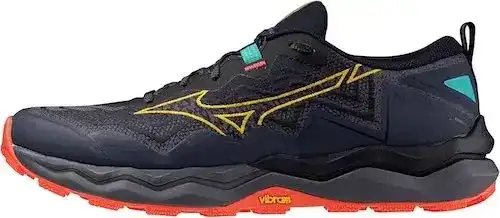
The Wave Daichi 9 is the versatile trail option in this Mizuno Running Shoes comparison—best for runners who want one trail shoe that can handle a wide range of surfaces without feeling overly specialized. It’s designed for everyday trail training, from packed dirt and gravel to rooty paths and moderate technical sections where you need reliable grip and a stable platform.
Daichi 9 typically feels balanced: protective enough to reduce foot fatigue on uneven terrain, but not so bulky that it becomes clumsy on smoother stretches. That makes it a strong pick if your routes change frequently or if you run to the trailhead on pavement before hitting dirt. The outsole is meant to provide consistent traction for general trail conditions, helping you feel confident on turns, climbs, and descents without requiring deep, mud-specific lugs that can feel awkward on hardpack. Underfoot, the cushioning aims to soften impacts while still giving you enough ground feel to place your feet accurately, which is important when terrain is unpredictable. The upper generally focuses on secure hold and durability, keeping your foot stable during lateral movements and protecting against trail debris.
If you’re choosing Mizuno Running Shoes primarily for trails and you don’t want a shoe that’s only good in one scenario, Daichi 9 often makes the most sense. It’s the model that can be your “default trail shoe” for training miles, weekend adventures, and mixed-terrain runs where versatility matters. For runners who want stability, traction, and comfort without going full maximum-protection, Daichi 9 hits a practical middle ground.
Specs
- Weight: approx. 10.0–11.8 oz (men) / 8.8–10.8 oz (women), size-dependent
- Technology used: trail-stable Wave-style structure, protective midsole foam, grippy trail outsole compound
- Health conditions it helps with: ankle stability concerns on uneven ground, foot fatigue from rocky trails, mild arch strain when you want a more stable base
Pros
- Versatile trail performance across surfaces
- Stable feel on uneven terrain
- Protective enough for regular training
Cons
- Not the most aggressive grip for deep mud
- Not as cushioned as maximum-protection trail shoes
- Trail fit can feel snug for wide feet (varies)
Gender-specific buy links: Men’s version | Women’s version
Mizuno Wave Mujin 10
Best for: Long, rugged trail miles
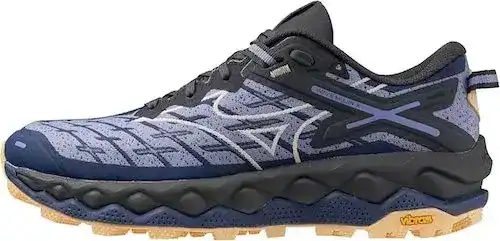
The Wave Mujin 10 is the rugged, maximum-protection trail shoe among Mizuno Running Shoes—built for longer distances and tougher terrain where underfoot security matters more than lightness. If you run rocky trails, technical routes, or long descents that can leave your feet sore, Mujin 10 is designed to provide a more armored feel that helps reduce fatigue over time.
The platform typically feels stable and protective, supporting you when the ground is uneven or when tired legs start making sloppy foot placements. The cushioning is meant to keep impacts manageable over hours on trail, while the outsole focuses on confident traction for varied off-road conditions. This makes Mujin 10 especially appealing for runners who prioritize confidence: you want to trust your footing on loose gravel, rocky stretches, and unpredictable surfaces without constantly worrying about every step. Compared to a more agile trail model, Mujin usually feels more substantial, but that extra substance often pays off when the goal is finishing long trail miles comfortably. The upper is commonly built with durability in mind, offering more structure and protection to handle trail debris and repeated wear.
If you’re comparing Mizuno Running Shoes for trail use, Mujin 10 is the choice for maximum protection and longer efforts, especially when your routes beat up your feet. It’s not the best option for short, fast trail sessions where you want nimbleness, but it excels when you want to feel secure, cushioned, and protected for the long haul. For runners who treat trails as endurance terrain—not just a quick workout—Mujin 10 is built for that job.
Specs
- Weight: approx. 11.0–13.0 oz (men) / 9.8–12.0 oz (women), size-dependent
- Technology used: high-cushion trail midsole foam, protective structure, aggressive trail outsole traction
- Health conditions it helps with: foot soreness on rocky terrain, fatigue-related instability late in trail runs, impact sensitivity during long descents
Pros
- Excellent protection for long, rough trails
- Confident traction and stability
- Great for ultra-style training days
Cons
- Heavier than versatile trail shoes
- Less nimble for short fast trails
- Can feel like “too much shoe” on mild paths
Gender-specific buy links: Men’s version | Women’s version
How to Choose a Mizuno Running Shoe
Start with the job you want the shoe to do. Mizuno’s current road lineup is easier to understand when you group it by use instead of trying to compare every model at once.
For everyday running
Choose the Wave Rider 30 if you want the most traditional do-most-things option. It works for easy miles, steady runs and walking. Choose the Neo Zen 2 if you want a lighter, softer and more rockered feel.
For maximum cushioning
Choose the Wave Sky 9 for a plush neutral trainer that still feels steady. Choose the Neo Vista 3 when long runs are the priority and you want a taller, more premium ride with a full-length Wave plate.
For stability
The Wave Inspire 22 is the better starting point for mild-to-moderate support needs and is available in wider fittings. The Wave Horizon 9 is the more substantial choice when you want maximum stability and cushioning.
For faster training and racing
The Wave Rebellion Flash 3 is the training-focused speed option in this comparison, while the Wave Rebellion Pro 3 is the more specialized race-day model. These make more sense as second shoes in a rotation than as everyday walking or easy-run shoes.
For trails
Choose the Wave Daichi 9 for mixed terrain and more moderate trails. The Wave Mujin 10 is the more protective option for longer, rougher trail runs.
Not sure which category fits you? Use our free Shoe Finder to narrow the options by activity, fit and support needs.