Slip-Resistant Picks for Long Shifts
| Quick Answer: Best Shoes for Bartenders. For most bartenders, a true slip-resistant work shoe is a better starting point than a normal sneaker. The Hoka Bondi SR is our best overall pick for cushioning and long shifts. The Keen PTC Oxford is a strong choice for wet or oily bar and kitchen floors, while the New Balance 626v2 works well for wide feet. Skechers Work Arch Fit 2.0 adds more structured arch support, Fila Memory Niteshift is the budget pick, Dansko XP 2.0 suits clog fans, and Crocs On the Clock is an easy-clean value option. Prioritize tested grip, stable cushioning, a secure fit and spill-friendly materials. See shoes compared side by side. |
Bartenders spend hours standing, pivoting, reaching, walking short distances and moving quickly in tight spaces. The floor may be tile, concrete, rubber matting or a mix of surfaces, and spills can turn a normal shift into a traction test.
That makes bartending shoes different from ordinary casual sneakers. Comfort matters, but softness alone is not enough. A good bartender shoe should also feel stable, stay secure on your foot, handle wet or greasy floors and clean up easily after a spill.
This guide updates our older bartender recommendations with work shoes that are better suited to 2026 hospitality needs. The focus is on long-shift comfort, slip resistance, support and practical workplace use rather than style alone. If you are specifically considering Crocs for bar or restaurant work, our Crocs shoes guide explains which models are actually built for workplace use.
If you are choosing between cushioning, arch support, width and work-shoe options, use our Free Shoe Finder to narrow the list for your feet and how you work.
Best Shoes for Bartenders: Quick Picks
Shoe | Best For | Why It Works | Watch Out For | Price |
|---|---|---|---|---|
Best overall | Deep cushioning, water-resistant leather, work-focused slip resistance | Heavy, warm and expensive | ||
Keen PTC Oxford | Wet and oily bar floors | Water-resistant leather, oil-resistant outsole, strong workplace traction | Heavier and firmer than a sneaker | |
Wide feet | ABZORB heel cushioning, leather upper, wide and extra-wide sizes | Warm upper and no safety toe | ||
Arch support | Removable Arch Fit insole, cushioned midsole, work outsole | More structured than a lightweight sneaker | ||
Fila Memory Niteshift | Budget | Slip-resistant rubber outsole, memory foam, easy-clean upper | Less structured support than premium shoes | |
Clog-style support | Shaped removable footbed, roomy toe box, rocker sole, work traction | Open heel and firmer feel | ||
Crocs On the Clock Work Sneaker | Easy-clean value | LiteRide cushioning, tested slip resistance, easy maintenance | Less structured arch support |
What Makes a Good Shoe for Bartending?
Bartending puts several demands on footwear at once. You may stand in one position while taking orders, pivot between the well and register, walk to storage, carry cases, work around melted ice and move quickly when the bar gets busy. A shoe that feels comfortable for 10 minutes in a store can become tiring or unsafe after an eight-hour shift.
Slip resistance that matches the workplace
Grip should be near the top of the list. Bar floors can become wet from ice, water, mixers, beer and cleaning products. Restaurant bars can also have grease tracked in from the kitchen. Look for work shoes sold specifically for slip resistance rather than assuming any rubber outsole will do the job. If the manufacturer publishes recognized workplace testing, that gives you more useful information than a general claim that the sole is “grippy.” Our slip-resistant shoe standards guide explains the common ratings.
Stable cushioning
Bartenders spend a lot of time on concrete, tile and other hard surfaces. Cushioning can reduce how harsh those floors feel, but the shoe should not be so soft that your foot sinks or rolls when you pivot. The best balance is cushioning with a broad, stable base. This is one reason a work version of a max-cushion shoe, such as the Bondi SR, can make more sense than a soft running shoe with a narrow platform.
A secure fit
Your heel should stay in place when you change direction quickly. Lace-up work shoes usually give you the most control over fit. Clogs can work well for people who stand more than they walk, but an open heel may not be ideal in a fast nightclub or a bar where you are constantly moving between stations.
Spill resistance and easy cleaning
Mesh running shoes breathe well, but they can absorb a drink in seconds. Leather, coated synthetic materials and molded work shoes are easier to wipe clean. Water resistance is also useful if your shift regularly involves melted ice or drink spills. No shoe is a substitute for cleaning a hazardous floor, but practical upper materials make the end of the shift easier.
Arch and heel support
Long periods of standing can make the arch and heel feel tired. A shaped footbed, a stable heel and enough midsole structure can help the shoe feel supportive later in the shift. People with flat feet or overpronation may prefer a more structured shoe. People with high arches may care more about cushioning and a footbed that does not feel flat.
Enough toe room
Feet can swell over a long shift. A toe box that feels fine at the start of the evening can become cramped by closing time. Leave enough room for your toes to spread without letting the whole foot slide inside the shoe. Wide and extra-wide sizes can be especially useful for bartenders who struggle with pressure across the forefoot.
Reasonable weight
Heavy work shoes can feel tiring if you walk constantly. Very light shoes can sacrifice protection or structure. Bartenders usually do best with a shoe that balances weight with cushioning, grip and durability. If you mostly stand at one station, a heavier supportive clog or leather work shoe may be fine. If you cover a large restaurant or event space, a work sneaker may feel better.
Standing Behind the Bar vs. Moving All Shift
Not every bartending job stresses your feet in the same way. A bartender in a small cocktail bar may stand and pivot within a few feet. A restaurant bartender may walk to tables, storage areas and service stations. A banquet bartender may spend hours on concrete in temporary service areas. A nightclub bartender may make fast lateral movements on a wet floor.
Work Pattern | What Matters Most | Good Starting Point |
|---|---|---|
Mostly standing at one station | Arch support, heel cushioning, roomy toe box | Dansko XP 2.0, Hoka Bondi SR |
Constant short walks and pivots | Secure fit, stable cushioning, lower weight | New Balance 626v2, Skechers Work Arch Fit 2.0 |
Wet or greasy restaurant bar | Work-focused slip resistance, easy-clean upper | Keen PTC Oxford, Hoka Bondi SR |
High-volume service or events | Traction, cushioning, secure heel | Hoka Bondi SR, New Balance 626v2 |
Budget-focused work shoe | Slip resistance and basic cushioning | Fila Memory Niteshift, Crocs On the Clock |
Hoka Bondi SR
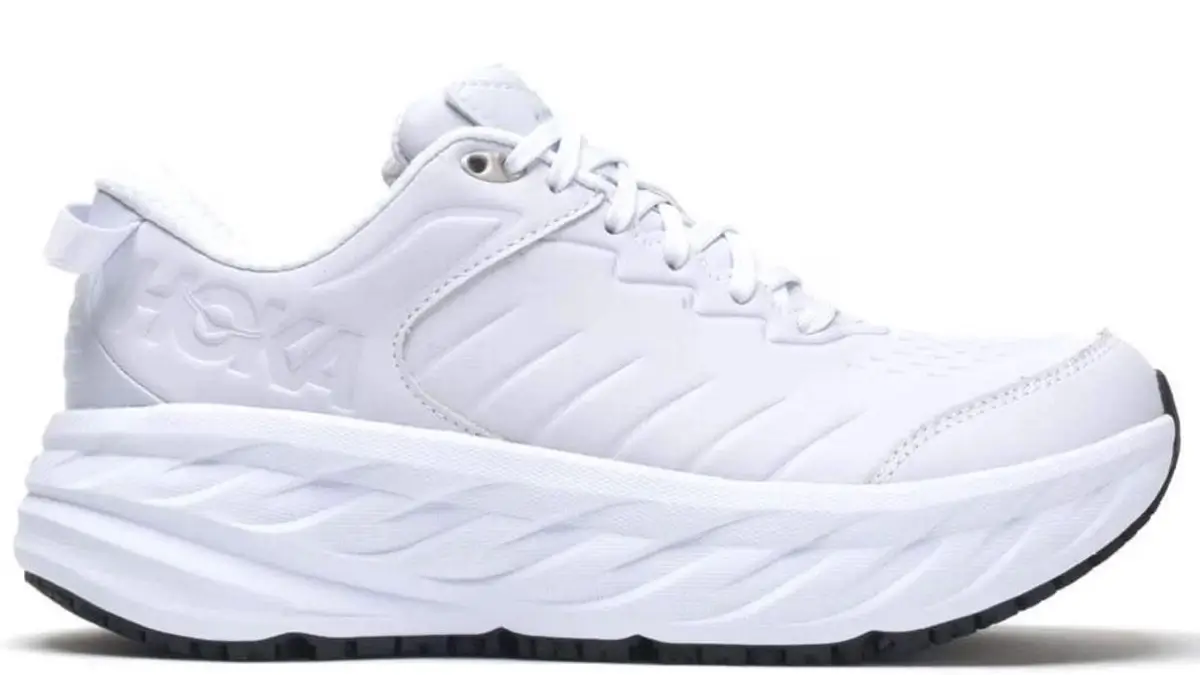
The Hoka Bondi SR is the strongest all-around choice in this group for bartenders who want serious cushioning without giving up the work features a normal running shoe lacks. It uses the thick Bondi-style cushioning platform, but Hoka replaces the mesh upper with water-resistant leather and gives the shoe a slip-resistant work outsole.
That combination makes sense behind a bar. The cushioning helps on concrete and tile, while the leather is easier to wipe clean after a spill. The broad platform also feels more stable than many tall running shoes. It is especially useful for bartenders who work long shifts and finish the night with sore heels or tired legs.
Best for:
- Long shifts on hard floors
- Bartenders who want maximum cushioning
- Restaurant, hotel and hospitality bars
- People who want a water-resistant leather upper
- Heel fatigue
Watch out for:
- Heavier than a normal sneaker
- Leather can feel warm during a hot shift
- Premium price
- Tall cushioning may feel unfamiliar at first
Read our Hoka Bondi SR review.
Keen PTC Oxford

The Keen PTC Oxford is built for the kind of floor bartenders actually work on. Its water-resistant leather upper is easy to wipe down, and Keen uses a Wet Trax outsole designed to keep more rubber in contact with wet surfaces. The outsole is also oil resistant, which matters in restaurant bars where grease can travel from the kitchen.
The PTC Oxford feels more like a traditional work shoe than a running shoe. The cushioning is firmer and the shoe is heavier, but that can be a good trade if you want a substantial leather shoe that feels planted on the floor. It is a particularly good fit for bartenders who also work food service, restaurant or kitchen-adjacent shifts.
Best for:
- Wet restaurant and bar floors
- Kitchen-adjacent bartending
- Workers who prefer a substantial leather shoe
- Easy-clean work environments
- People who value tested workplace traction over light weight
Watch out for:
- Heavier than a work sneaker
- Firmer cushioning
- Utilitarian look
- May feel like too much shoe for a small, dry cocktail bar
New Balance 626v2

The New Balance 626v2 is a practical choice for bartenders who want a traditional lace-up work shoe, especially if they need wide sizing. New Balance offers standard, wide and extra-wide fits, which is unusual in slip-resistant work footwear.
The leather upper is easy to wipe clean, while ABZORB cushioning under the heel helps soften repeated contact with hard floors. An internal shank adds structure through the middle of the shoe, so it does not feel flimsy after hours of standing. The 626v2 is a soft-toe model, which is fine for most bars but not for workplaces that require protective toe footwear.
Best for:
- Wide and extra-wide feet
- Bartenders who want a secure lace-up fit
- Restaurant and hospitality work
- People who prefer moderate cushioning over a very tall shoe
- Black-shoe dress codes
Watch out for:
- Leather is less breathable than mesh
- No steel or composite toe
- Heavier than a casual sneaker
- More practical than stylish
Read our New Balance 626v2 review.
Skechers Work Arch Fit 2.0 Slip Resistant

The Skechers Work Arch Fit 2.0 Slip Resistant is a strong option for bartenders who want more shape and support under the arch. Its removable Arch Fit insole sits above a cushioned midsole, giving the shoe a more structured feel than many basic restaurant sneakers.
Skechers also gives this version a work-focused slip-resistant outsole. That matters because a standard Skechers walking shoe may be comfortable but is not automatically designed for wet hospitality floors. The Arch Fit 2.0 works best for bartenders who want sneaker-like comfort with a more supportive footbed.
Best for:
- Arch support
- Long periods of standing
- Hospitality and food service
- Bartenders who prefer a sneaker feel
- People who use removable insoles
Watch out for:
- More structured than a lightweight casual sneaker
- Soft toe only
- Fit can vary by upper version
- Not as deeply cushioned as the Bondi SR
Fila Memory Niteshift Slip Resistant Work Shoe

The Fila Memory Niteshift is the budget-focused option for bartenders who need a basic work sneaker with slip resistance and cushioning. It uses a synthetic upper that is easier to clean than open mesh, plus memory foam over an EVA midsole to soften hard floors.
This is not the most supportive shoe in the roundup. Memory foam creates softness, but it does not provide the same structure as the New Balance, Skechers or Dansko options. Still, it can make sense for part-time bartenders, students, new restaurant workers or anyone who needs a lower-cost shoe that is designed for slippery workplace floors.
Best for:
- Budget-conscious bartenders
- Part-time restaurant and bar work
- Workers who want simple sneaker styling
- Easy-clean synthetic uppers
- Basic cushioning on hard floors
Watch out for:
- Less structured arch support
- Basic cushioning compared with premium models
- Soft toe only
- May not be the best choice for severe foot fatigue
More FIla shoes.
Dansko XP 2.0
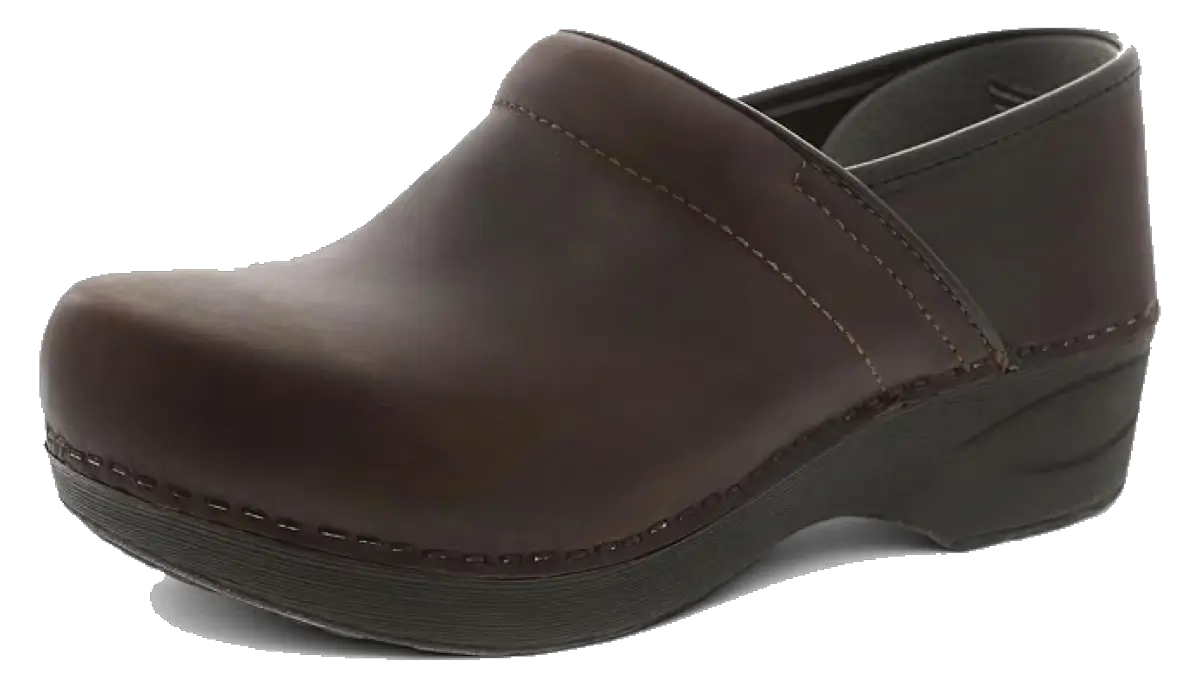
The Dansko XP 2.0 is a good choice for bartenders who like clog-style support and spend more time standing than covering long distances. It uses a removable dual-density footbed with Dansko Natural Arch shaping and a memory foam layer, plus a rocker-shaped sole that helps the foot roll forward through each step.
The outsole is designed for dry, wet and oily wet work surfaces. The roomy toe box can also be helpful late in a shift when feet start to swell. The main concern for bartenders is the open heel. That fit is normal for this style of clog, but it may not be ideal if you move quickly, climb stairs or work in a crowded nightclub.
Best for:
- Standing at a service well for long periods
- People who like firm arch support
- Roomy toe space
- Restaurant and hospitality floors
- Workers who want a removable footbed
Watch out for:
- Open heel
- Firmer feel than a cushioned sneaker
- Needs an adjustment period if you have never worn clogs
- Premium price
Read our Dansko XP 2.0 review.
Crocs On the Clock Work Sneaker

The Crocs On the Clock Work Sneaker is a useful middle ground for bartenders who want something easier to maintain than a running shoe but lighter and more flexible than a traditional leather work shoe. Crocs uses LiteRide cushioning and its Crocs Lock work tread, with the current model sold as a slip-resistant workplace shoe.
The guarded mesh upper is more breathable than a molded clog, while synthetic overlays make it easier to clean than an ordinary knit sneaker. It is also available in men’s and women’s sizing. Support is the main limitation. Bartenders who need strong motion control or pronounced arch support may prefer the Skechers Arch Fit, New Balance 626v2 or Dansko XP 2.0.
Best for:
- Easy-clean work use
- Food service and hospitality
- Men and women who want a sneaker shape
- Budget-conscious workers
- People who find leather work shoes too warm
Watch out for:
- Less structured arch support
- No safety toe
- Not as protective as full leather
- May not suit severe overpronation
Best Bartender Shoes by Bar Environment
The best shoe can change with the type of bar you work in. A hotel bartender on polished flooring has different needs from someone working beside a busy restaurant kitchen.
Restaurant bar
Restaurant bars often combine water, grease, food residue and long shifts. Start with the Keen PTC Oxford, Hoka Bondi SR or New Balance 626v2. Slip resistance and easy cleaning matter more here than fashion.
Cocktail bar
If the floor stays relatively dry and the dress code is more polished, a black leather work shoe such as the New Balance 626v2 or Keen PTC Oxford can blend in without looking like a running shoe. Make sure the fit is secure enough for quick pivots.
Nightclub or high-volume bar
Fast movement puts more emphasis on a secure heel and stable platform. A lace-up work sneaker such as the Hoka Bondi SR, New Balance 626v2 or Skechers Work Arch Fit 2.0 is generally a safer starting point than a loose clog.
Hotel and banquet bartending
Banquet work can mean hours on concrete or temporary flooring with long walks between service and storage. Cushioning becomes more important. The Hoka Bondi SR is the strongest choice if the dress code allows it.
Outdoor or patio bar
Outdoor work can add rough surfaces and changing weather. Look for a durable outsole, a secure upper and enough protection from spills. Avoid thin fashion sneakers that become unstable or soaked when conditions change.
Best Bartender Shoes by Foot Type and Need
Wide feet
The New Balance 626v2 is the most obvious starting point because it is offered in wide and extra-wide fittings. A shoe that is too narrow can become especially uncomfortable after several hours because feet often swell during a shift.
Flat feet or tired arches
The Skechers Work Arch Fit 2.0 provides a shaped removable insole, while the Dansko XP 2.0 uses a more defined clog-style arch. The right amount of support is personal, so avoid assuming the most aggressive arch is automatically the best one.
Heel fatigue
The Hoka Bondi SR offers the deepest cushioning in this group. It is a strong starting point for bartenders whose heels feel beaten up by concrete or tile, provided the tall platform feels stable to you.
Women who prefer clogs
The Dansko XP 2.0 is the more supportive, structured option. The Crocs Neria Pro II is lighter, easier to rinse clean and softer from the first wear, but it has a looser heel fit.
Budget buyers
The Fila Memory Niteshift and Crocs On the Clock are the first places to look. Check the current price because work-shoe discounts can change quickly.
Common Mistakes When Buying Shoes for Bartending
Choosing shoes for the bar only by comfort or appearance can backfire after a few shifts. These are the mistakes worth avoiding.
Buying a normal running shoe because it feels soft: Running shoes can be comfortable, but many do not have work-focused slip resistance or easy-clean uppers.
Ignoring the floor: A shoe that works in a dry cocktail bar may be the wrong choice beside a restaurant kitchen where water, grease and food residue are common.
Choosing a shoe that is too loose: Quick pivots and lateral movement need a secure fit. Heel slip can become tiring and distracting.
Assuming softer is always better: Very soft cushioning can feel unstable. Bartenders need cushioning with enough structure for repeated pivots.
Ignoring width: Feet can swell over a long shift. Tight shoes can create forefoot pressure, blisters and toe pain.
Keeping worn-out work shoes too long: Slip-resistant tread and cushioning both wear down. A shoe can look acceptable on top while the midsole and outsole are already past their best.
Choosing style before workplace rules: Your employer may require closed toes, closed heels, black footwear or specific slip-resistant shoes. Follow those rules first.
When Should Bartenders Replace Work Shoes?
There is no single replacement date that works for every bartender. Someone working two shifts a week may get much longer from a pair than a full-time bartender working five long nights on abrasive tile or concrete.
Replace the shoes when the outsole tread becomes smooth, the heel wears unevenly, the cushioning feels flat, the upper no longer holds your foot securely or you notice more foot fatigue than usual after a normal shift. Slip-resistant shoes also need enough tread depth to move liquid away from the contact area, so do not wait until the outsole is completely bald.
If one pair is used for every shift, rotating between two work shoes can give the cushioning time to recover and may help each pair last longer.
Are Running Shoes Good for Bartending?
Running shoes can feel excellent on hard floors, but they are not automatically good bartending shoes. Most standard running shoes are designed for dry roads or treadmills, not wet floors, grease, drink spills or workplace cleaning chemicals.
If your bar is dry, your employer does not require slip-resistant footwear and you mainly need cushioning, a stable running shoe may work. For most restaurant and high-volume bar environments, however, a work version such as the Hoka Bondi SR makes more sense because it combines athletic cushioning with a more practical upper and workplace outsole.
Are Clogs Good for Bartenders?
Clogs can be excellent for bartenders who spend most of the shift standing or taking short steps. Dansko has remained popular in hospitality because the firm platform, shaped footbed and rocker sole can feel supportive during long periods on hard floors.
The trade-off is fit. Many clogs are designed to allow some heel movement. That is fine for controlled walking, but it may not be ideal if your bar requires quick lateral movement, stairs or constant running between stations. In those situations, a lace-up work shoe is usually more secure.
Do Insoles Help Bartenders?
Insoles can help when the original footbed is too flat, worn out or poorly matched to your foot. They can also make sense if you already use an orthotic. Choose a shoe with enough internal volume and, ideally, a removable factory insole.
An insert cannot fix every problem. If the shoe is too narrow, unstable, worn out or slippery, adding an insole will not solve the main issue. Start with a work shoe that fits correctly, then use an insert only if you need additional support or cushioning.
FAQ: Best Shoes for Bartenders
What shoes should bartenders wear?
Bartenders should wear closed, secure shoes with good cushioning and work-appropriate traction. In bars where floors become wet or greasy, choose a shoe sold specifically for slip-resistant workplace use.
What is the best overall shoe for bartenders?
The Hoka Bondi SR is our best overall starting point for bartenders who want deep cushioning, water-resistant leather and a slip-resistant work outsole. It is expensive and heavy, so it will not suit everyone.
Are slip-resistant shoes necessary for bartenders?
They are strongly worth considering anywhere spills, melted ice, grease or wet cleaning can make the floor slick. Your workplace may also require specific footwear, so follow employer rules.
Are Crocs good for bartending?
Work-specific Crocs can be. The On The Clock Work Slip-On is designed for workplace traction and easy cleaning, while the Neria Pro II is another option for women who prefer a work clog. The Bistro Pro LiteRide is also worth comparing for restaurant and bar environments. Regular casual Crocs are not the same as Crocs work models.
Are Danskos good for bartenders?
Dansko clogs can work well for bartenders who stand for long periods and like firm arch support. The XP 2.0 has a removable footbed and a work outsole, but the open heel may not suit bartenders who move quickly all shift.
What bartender shoes are best for wide feet?
The New Balance 626v2 is a strong choice because it is available in wide and extra-wide fittings. Check sizing carefully because foot swelling later in a shift can make a tight shoe uncomfortable.
How often should bartenders replace work shoes?
Replace them when the outsole loses tread, the cushioning feels flat, the heel wears unevenly or the shoe no longer feels secure and comfortable through a normal shift. Heavy full-time use can wear work shoes faster than casual use.