Last Updated on October 21, 2026
| Quick Answer: Best Zero-Drop Running Shoes of 2026. The Altra Torin 9 is the best zero-drop running shoe for most runners. Its level 28 mm platform provides enough cushioning for daily runs and long miles without creating a raised heel. The new dual-density P35X midsole feels softer under the foot and firmer around the perimeter, while a Vibram XS DURA outsole improves road grip. Choose the Torin ST if you want added guidance, the Lone Peak 9+ for trails or the Xero Speed Force II for a barefoot feel. Check the latest price for the Altra Torin 9 on Amazon. |
Zero-drop shoes place the heel and forefoot at the same height, but they do not all feel alike. Some are thin and highly flexible. Others put a deep layer of cushioning beneath the entire foot. That difference matters more than the label alone. For the broader relationship between zero-drop, low-drop, minimalist and barefoot footwear, see our Barefoot and Minimalist Shoes guide.
We compared current zero-drop running shoes by cushioning, intended use, fit, support, outsole and value. Our picks include comfortable road trainers, trail shoes and minimalist options. We also explain how to make the change gradually, because moving directly from a high-drop shoe to a zero-drop model can put unfamiliar stress on the calves, ankles and Achilles tendons.
Best Zero-Drop Running Shoes at a Glance
| Shoe (click to scroll to review) | Best for | Stack height | Weight | Drop | Support | Launch price |
|---|---|---|---|---|---|---|
| Altra Torin 9 | Best overall | 28 mm | 9.8 oz | 0 mm | Neutral | $160 | Check latest price |
| Altra Torin ST | Best with stability | 28 mm | 10.4 oz | 0 mm | GuideRail | $160 | Check latest price |
| Altra Escalante 5 | Best flexible road shoe | 24 mm | 9.7 oz | 0 mm | Neutral | $140 | Check latest price |
| Altra Lone Peak 9+ | Best trail shoe | 25 mm | 11.55 oz | 0 mm | Neutral | $160 | Check latest price |
| Altra Olympus 7 | Best cushioned trail shoe | 33 mm | 11.45 oz | 0 mm | Neutral | $195 | Check latest price |
| Xero Shoes Speed Force 2 | Best barefoot-style road shoe | Minimal | 6.5 oz | 0 mm | Neutral | $110 | Check latest priceI |
| Merrell Vapor Glove 7 | Best minimalist all-terrain shoe | Minimal | 6.7 oz | 0 mm | Neutral | $110 | Check latest price |
Prices are manufacturers’ U.S. launch prices. Current prices can vary. Be sure to check price for latest updates on Amazon.
What Is a Zero-Drop Running Shoe?
A zero-drop shoe has no height difference between the heel and forefoot. If the shoe has 28 mm of material beneath the heel, for example, it also has 28 mm beneath the forefoot. A conventional running shoe may have a heel that sits 6 mm to 12 mm higher than the forefoot.
Zero drop does not mean zero cushioning. The Altra Olympus 7 has a thick 33 mm platform, while the Xero Speed Force II has a thin, flexible sole. Both are zero-drop shoes because the heel and forefoot sit at the same level. Only the Xero is truly minimalist.
This geometry can encourage a shorter stride or a landing farther forward on the foot, but it does not force every runner to stop heel striking. It also does not automatically prevent injuries or improve running form. The best shoe drop depends on your body, running history, comfort and training load. Read our complete guide to what shoe drop means and how to choose it before making a major change.
The Best Zero-Drop Running Shoes
These seven shoes for 2026 cover distinctly different needs. The rankings prioritize current models that are sold for running, rather than discontinued shoes that may appear only in isolated sizes.
Altra Torin 9
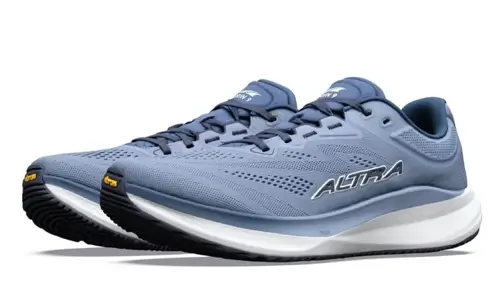
Best Zero-Drop Running Shoe Overall
The Altra Torin 9 is the easiest recommendation for runners who want a cushioned zero-drop road shoe without a barefoot feel. Altra rebuilt the midsole with P35X, a dual-density foam that combines a softer center with a firmer outer section. That construction gives the foot a comfortable landing while making the platform feel more controlled than an extremely soft slab of foam.
The 28 mm stack is substantial enough for daily training and long runs, but it remains lower and less bulky than many modern max-cushion shoes. The new Vibram XS DURA outsole is another meaningful update. Altra says it is 8.5% grippier than the Torin 8, addressing a weakness of the previous model on wet pavement. The FootShape toe box leaves room for the toes, although the Standard shape is not as wide through the midfoot as Altra’s Original fit.
This is a neutral shoe, not a corrective stability model. It works best for runners who want moderate cushioning, a level platform and one shoe that can handle most road miles. Runners who need guidance should consider the Torin ST, while those who want more ground feel should look at the Escalante 5.
Specs
- Drop: 0 mm
- Stack height: 28 mm
- Weight: 9.8 ounces for men; 8.05 ounces for women
- Midsole: P35X dual-density foam
- Outsole: Vibram XS DURA
- Support: Neutral
- Launch price: $160
Buy: Men’s Altra Torin 9 | Women’s Altra Torin 9
More info: Read full review of the Altra Torin 9
Altra Torin ST

Best Zero-Drop Stability Shoe
The Altra Torin ST fills a gap that has long been difficult to address: a current zero-drop road trainer with added guidance. Its GuideRail sits along the medial side of the shoe and is designed to provide support when the foot moves inward, rather than forcing every stride into one rigid path. That makes the shoe a practical choice for runners who like a level platform but feel less secure in a completely neutral model.
Underfoot, the Torin ST uses 28 mm of Altra EGO MAX cushioning from heel to toe. It is not simply the Torin 9 with a support rail. The ST has a different foam system, a rubber outsole and a slightly heavier build. The trade-off is a more planted ride that also works well for walking and easy daily mileage.
The GuideRail does not replace a professional assessment for pain or a significant gait problem, and not every runner who overpronates needs a stability shoe. It is best for someone who already knows that a little medial guidance improves comfort. Neutral runners may find it heavier and more structured than necessary. For them, the regular Torin 9 is the better all-purpose choice.
Specs
- Drop: 0 mm
- Stack height: 28 mm
- Weight: 10.4 ounces for men; 8.55 ounces for women
- Midsole: Altra EGO MAX
- Outsole: Rubber
- Support: GuideRail
- Launch price: $160
Buy links for gender-specific models: Men’s Altra Torin ST | Women’s Altra Torin ST
Altra Escalante 5

Best Flexible Zero-Drop Road Shoe
The Altra Escalante 5 is the better choice for runners who find the Torin too padded or structured. Its 24 mm Altra EGO platform bends more naturally through the forefoot and keeps the foot closer to the road. It can handle everyday runs, strides, light speedwork and walking, but its appeal comes from simplicity rather than aggressive propulsion.
Altra retained the zero-drop geometry and Original FootShape fit while updating the engineered knit upper, collar, tongue and rubber outsole. The Original shape is the roomiest of Altra’s three fit profiles, which makes the Escalante particularly appealing to runners who need toe space. A wide toe box is not the same as a wide shoe, however. The heel and midfoot still need to hold securely, so sizing should be based on the whole foot rather than toe width alone.
The Escalante 5 is not a barefoot shoe. Its 24 mm stack provides much more protection than the Speed Force II or Vapor Glove 7. It is instead a flexible, moderately cushioned trainer for runners who want a more direct road feel. Heel strikers and runners accustomed to plush high-drop shoes may find its level, lower platform demanding at first.
Specs
- Drop: 0 mm
- Stack height: 24 mm
- Weight: 9.7 ounces for men; about 7.8 ounces for women
- Midsole: Altra EGO
- Outsole: Rubber
- Support: Neutral
- Launch price: $140
Buy links for gender-specific models: Men’s Altra Escalante 5 | Women’s Altra Escalante 5
Altra Lone Peak 9+

Best Zero-Drop Trail Running Shoe
The Altra Lone Peak 9+ combines the familiar Lone Peak platform with the outsole upgrade many trail runners wanted. It uses Vibram Megagrip rubber instead of Altra’s standard MaxTrac compound, giving it a stronger case for wet rock, roots and mixed trail conditions. Revised lugs and a flexible StoneGuard layer add traction and underfoot protection without turning the shoe into a stiff hiking boot.
Its 25 mm Altra EGO platform preserves more ground feel than the Olympus 7, and the Original FootShape fit gives the toes and midfoot generous room. That combination suits runners and thru-hikers who value natural foot movement and stability from a broad base. The ripstop mesh upper and toe protection are designed for trail wear, while the GaiterTrap makes it easier to attach compatible gaiters.
The Lone Peak 9+ is not the best choice if maximum softness is the goal. Its ride is moderate and connected rather than plush. It is also heavier than many road trainers, though the protection and outsole explain part of that weight. Choose the Olympus 7 for long trail miles with more cushioning. A Gore-Tex version of the Lone Peak 9+ is available, but the regular model is lighter and more breathable for most running conditions.
Specs
- Drop: 0 mm
- Stack height: 25 mm
- Weight: about 11.6 ounces for men
- Midsole: Altra EGO
- Outsole: Vibram Megagrip
- Support: Neutral
- Launch price: $160
Buy links for gender-specific models: Men’s Altra Lone Peak 9+ | Women’s Altra Lone Peak 9+
Altra Olympus 7
Best Cushioned Zero-Drop Trail Shoe
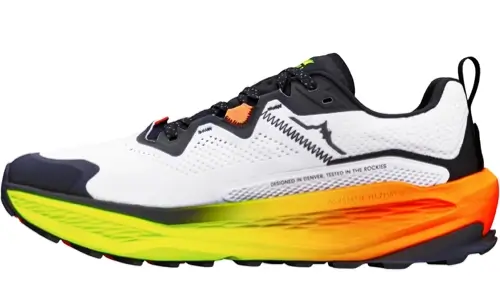
The Altra Olympus 7 is built for trail runners who want zero-drop geometry without giving up a thick protective platform. Its 33 mm stack is the highest in this roundup, making it a strong option for long trail runs, ultramarathons and hiking days when repeated impacts matter more than close ground feel.
The seventh version moves to Altra EGO MAX cushioning, which the company says is lighter and softer than the material used in the Olympus 6. The Vibram Megagrip outsole now incorporates TractionLug elements for grip on wet and dry terrain. A broad base, Original FootShape fit and padded upper reinforce the comfort-first design.
That protection comes with trade-offs. The Olympus 7 is heavier and less agile than the Lone Peak 9+, and the tall platform can feel cumbersome on highly technical terrain to runners who prefer a close connection to the ground. It also costs more. It earns its place for runners who specifically want maximum cushioning and trail traction in a level shoe, not for those seeking a minimalist experience. Despite its thick sole, it still requires a gradual transition if your current shoes have a raised heel.
Specs
- Drop: 0 mm
- Stack height: 33 mm
- Weight: about 11.5 ounces for men
- Midsole: Altra EGO MAX
- Outsole: Vibram Megagrip with TractionLug
- Support: Neutral
- Launch price: $195
Buy links for gender-specific models: Men’s Altra Olympus 7 | Women’s Altra Olympus 7
Xero Shoes Speed Force 2

Best Barefoot-Style Road Running Shoe
The Xero Shoes Speed Force II is for runners who want minimal material between the foot and road. Its flexible FeelTrue rubber sole is only 4.5 mm thick before the removable insole is considered, and the men’s shoe weighs about 6.5 ounces. That makes it dramatically lighter and more flexible than the cushioned Altra models in this guide.
The foot-shaped toe box allows the toes to spread, while adjustable instep and midfoot straps improve lockdown. The low profile works for road running, track sessions, gym training and travel. Removing the insole creates an even more direct underfoot feel, although new minimalist runners should keep it in place during the early transition.
Thin soles reduce protection from hard surfaces and sharp debris, and they ask the feet and lower legs to manage more of the work. The Speed Force II is therefore a poor choice for anyone who wants plush cushioning or plans to switch abruptly from a conventional trainer. Experienced barefoot-style runners may value its flexibility and feedback. Beginners should introduce it in short walking sessions and brief runs rather than using it immediately for their normal weekly mileage.
Specs
- Drop: 0 mm
- Sole: 4.5 mm FeelTrue rubber, plus a removable insole
- Weight: 6.5 ounces for men
- Outsole: FeelTrue rubber
- Support: Neutral
- Launch price: $109.99
Buy links for gender-specific models:: Men’s Xero Shoes Speed Force II | Women’s Xero Shoes Speed Force II
Merrell Vapor Glove 7

Best Minimalist All-Terrain Shoe
The Merrell Vapor Glove 7 provides a barefoot-style feel with an outsole suited to more than smooth pavement. Its Vibram TC5+ rubber offers traction for light trails, outdoor workouts and mixed surfaces, while the protective toe cap adds a small but useful defense against roots and rocks. At about 6.7 ounces for a men’s shoe, it stays light enough for natural movement.
Merrell uses its Barefoot 2 construction to keep the foot in a level position. The breathable mesh upper, integrated EVA insole and burrito-style tongue wrap the foot more closely than a conventional padded trainer. This snug, glove-like fit distinguishes it from the roomier, more cushioned Lone Peak.
The Vapor Glove 7 is best for experienced minimalist-shoe users and runners who want a flexible shoe for short runs, gym work or casual wear. It does not offer the rock protection, cushioning or deep lugs expected from a dedicated technical trail shoe. The close fit may also be less forgiving for a high-volume foot. Runners who want a similar natural position with substantially more protection should choose the Lone Peak 9+ instead.
Specs
- Drop: 0 mm
- Weight: 6.7 ounces for men
- Insole: Integrated EVA foam
- Outsole: Vibram TC5+
- Support: Neutral
- Launch price: $110
Buy links for gender-specific models: Men’s Merrell Vapor Glove 7 | Women’s Merrell Vapor Glove 7
How to Choose a Zero-Drop Running Shoe
Start with how and where you run. Drop is only one part of a shoe. Cushioning, flexibility, fit, grip and support can change the experience just as much.
Cushioning and Stack Height
Stack height is the amount of material between the foot and ground. A high-stack zero-drop shoe can feel soft and protective, while a low-stack model feels firmer and more flexible. Choose the Torin 9 or Olympus 7 if impact protection is the priority. Choose the Escalante 5 for moderate cushioning or the Speed Force II and Vapor Glove 7 for a minimalist feel.
Road or Trail Use
Road outsoles are generally flatter and optimized for pavement. Trail shoes use deeper lugs, protective uppers and stickier rubber. The Lone Peak 9+ is the most versatile trail pick here, while the Olympus 7 adds cushioning for longer outings. The Torin 9 and Escalante 5 are better choices for roads and treadmills.
Fit and Toe Space
Your toes should have room to spread without the foot sliding inside the shoe. Altra’s FootShape designs vary: Original is roomiest, Standard is more secure through the midfoot, and Racing is the closest fit. Do not assume every Altra fits the same. Try shoes late in the day, wear your usual running socks and leave roughly a thumb’s width in front of the longest toe.
Stability and Support
Zero-drop shoes are not automatically stable or unstable. A broad platform can provide a planted base, but foam softness, stack height and upper hold also matter. The Torin ST is the only model in this list with an integrated guidance feature. If you use orthotics, confirm that the shoe has enough internal volume and a removable insole.
Current Price and Value
New models usually launch at full price, while older colors may be discounted. Compare the final price in your size rather than assuming an older model is always cheaper. Amazon search links can also show several sellers, widths and colors, so verify the model number before buying.
How to Transition to Zero-Drop Shoes Safely
Changing shoe drop changes where your body handles load. A level platform may increase the work done by the calves, ankles, feet and Achilles tendons, especially if it encourages a runner to land farther forward. Cushioning does not remove that effect. A thick zero-drop shoe is still level.
A 2026 review of 12 studies involving 313 runners found that switching to minimalist footwear increased the risk of calf pain, Achilles tendon injuries and stress injuries in the bones at the front of the foot. The Achilles tendon is the strong band of tissue connecting the calf muscles to the heel.
Minimalist and zero-drop shoes are not the same. Minimalist shoes have thin, flexible soles, while zero-drop shoes can have plenty of cushioning. However, switching from a raised-heel shoe to either type can make the feet, calves and Achilles tendons work harder. Begin with short, easy runs and increase your distance gradually.
Use these steps as a general starting point:
- Wear the shoes for short walks before running in them.
- Begin with 10 to 15 minutes of easy running once or twice a week.
- Alternate with your regular shoes rather than replacing them immediately.
- Increase time or distance gradually, not both at once.
- Stop and reduce the load if calf, Achilles, foot or ankle pain persists.
- Ask a podiatrist, physical therapist or sports medicine professional for guidance if you have an active injury, a history of Achilles problems or significant foot pain.
There is no universal transition schedule. Experienced low-drop runners may adapt quickly, while someone moving from a stiff 12 mm-drop shoe may need several months.
Frequently Asked Questions
Not for everyone. Some runners prefer the level platform, toe space and natural feel, while others are more comfortable in shoes with a raised heel. Research does not establish zero-drop shoes as universally better or as a guaranteed way to prevent injury. Comfort, training load, fit and gradual adaptation matter more than following one shoe philosophy.
No. Zero drop describes the height difference between the heel and forefoot. Barefoot or minimalist shoes also have thin, flexible soles, little structure and low weight. The Altra Olympus 7 and Xero Speed Force II are both zero drop, but only the Xero provides a true barefoot-style experience.
Yes, but a heel striker may notice the change more than a midfoot or forefoot striker. A cushioned model such as the Torin 9 provides more protection than a minimalist shoe. Make the transition gradually and do not try to force a different foot strike simply because the shoe is level.
They are not a universal treatment for plantar fasciitis. Some people like the broad base and toe room, while others find that a level shoe increases tension through the calf-Achilles-plantar chain. If you have active heel or arch pain, seek professional advice before making a major change in shoe drop. See our post on heel drop for plantar fasciitis for more info.
Often not during an active flare. Lowering the heel can increase demand on the calf and Achilles tendon. A clinician may sometimes use footwear changes as part of a structured rehabilitation program, but switching abruptly to zero drop is not a substitute for diagnosis and treatment.
The Altra Olympus 7 has the most cushioning in this guide, with a 33 mm stack for trails. For road running, the Torin 9 and Torin ST use level 28 mm platforms. Stack height measures the quantity of material underfoot, not how soft the foam feels.
Adjustment can take a few weeks to several months. The timeline depends on your current shoe drop, running volume, calf and foot strength, previous injuries and the new shoe’s cushioning and flexibility. Start with short, easy sessions and increase only when your body remains comfortable during and after the run.