Last Updated on October 6, 2026
Quick Answer: The Adidas Dropset 4 is our best cross-training shoe for most people with flat feet because its broad base, firm heel and flexible forefoot create support without relying on a large built-in arch. The Nike Metcon 10 is better for heavier lifting, the On Cloud X 5 for HIIT and studio classes, the Hoka Kawana 3 for cardio-heavy gym days, and the Asics Gel-Kayano 33 for treadmill walking or running when you prefer more gait guidance. Flat feet alone do not determine the right shoe; match the shoe to your workout and comfort.
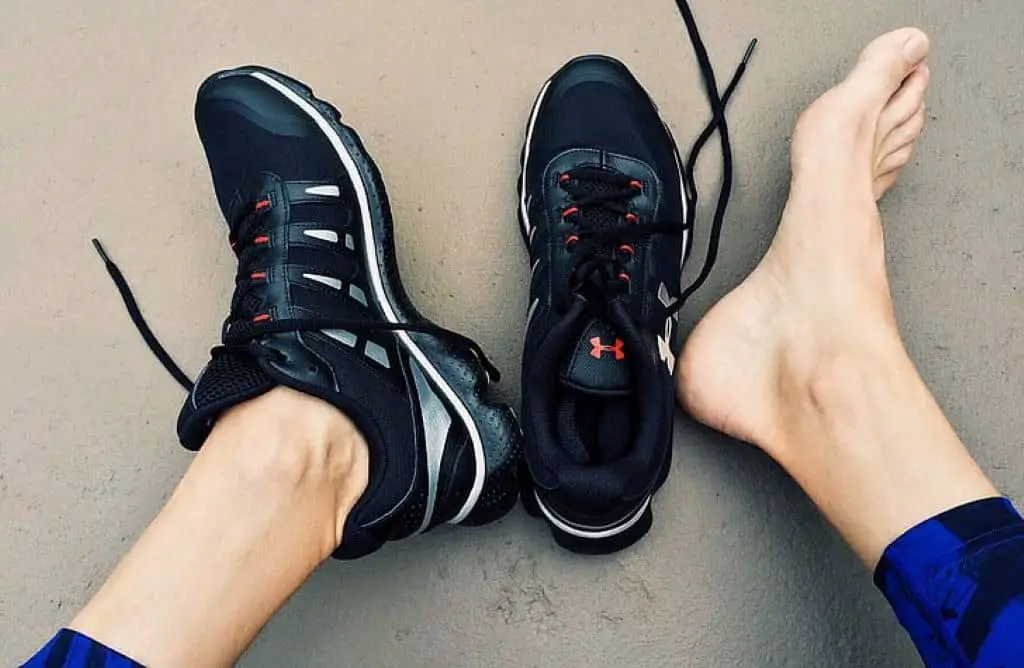
Flat feet do not automatically mean you need the stiffest shoe or the biggest arch support you can find. Some people with flat feet prefer a broad, stable cross-trainer. Others are more comfortable in a cushioned stability running shoe. The right choice depends on what you do in the gym, how your feet feel under load and whether you already use an orthotic.
This guide focuses specifically on cross-training and gym use. If you want a broader explanation of support features, see our best gym shoes for arch support. For general everyday footwear, see our best walking shoes for flat feet.
Best cross-training shoes for flat feet at a glance
Shoe | Best for | Why it may work for flat feet | Main caution | Price |
|---|---|---|---|---|
Adidas Dropset 4 | Best overall | Broad platform, firm heel and stable geometry | More strength-focused than run-focused | |
Nike Metcon 10 | Heavy lifting | Wide base, strong heel stability and secure midfoot | Less comfortable for longer treadmill runs | |
On Cloud X 5 | HIIT and classes | Flexible platform with secure heel hold | Less stable for heavy barbell work | |
Cardio-heavy gym days | Broad cushioned base and removable insole | Too tall and soft for serious lifting | ||
Treadmill walking and running | Adaptive stability and cushioned forward-motion support | Not a cross-training shoe for lifting |
What should people with flat feet look for in a gym shoe?
For gym use, support is about more than the height of the arch inside the shoe. A broad base, controlled heel, secure midfoot and an outsole that does not twist excessively can create a stable platform even when the shoe does not have a pronounced arch bump.
That matters because flat feet vary. Some are flexible, some are rigid and some cause no symptoms at all. A shoe that feels supportive to one person with flat feet can feel intrusive or uncomfortable to another.
If you use custom orthotics, removable insoles and internal depth can matter more than built-in arch contour. If you do not use orthotics, prioritize a secure fit and the type of stability your workout actually requires.
Adidas Dropset 4: Best overall
The Adidas Dropset 4 is our best overall choice because it creates support through its platform rather than trying to force the foot into a particular arch shape. The heel is broad and firm enough for squats, deadlifts and strength circuits, while the forefoot stays flexible enough for lunges, sled work and short conditioning blocks.
That combination makes sense for many people with flat feet who want stability without the tall, soft feel of a running shoe. It is especially useful when your workout mixes lifting with general gym movement.
Check Adidas Dropset 4 prices and sizes on Amazon.
Nike Metcon 10: Best for heavy lifting
The Nike Metcon 10 is the better choice if your training centers on heavier squats, deadlifts, cleans and similar strength work. Nike uses a Hyperlift plate under the heel, a secure midfoot band and a wide, stable platform. That combination keeps the foot planted more effectively than a soft running shoe.
For flat feet, the benefit is not a large built-in arch. It is the overall chassis. The shoe resists compression under load and provides a secure base through the rearfoot and midfoot.
It is less suitable for long treadmill sessions. Nike also says the Metcon 10 fits small, so consider the brand’s sizing guidance before ordering.
Check Nike Metcon 10 prices and sizes on Amazon.
On Cloud X 5: Best for HIIT and studio classes
The On Cloud X 5 is more appropriate when your workouts include HIIT, studio classes, bodyweight circuits and short treadmill intervals. It feels lighter and more flexible than the Metcon or Dropset, which makes fast transitions and lateral movement easier.
For flat-footed users, the appeal is a controlled fit and stable-enough platform without the rigid feel of a lifting-first shoe. It is not the best choice for maximal strength work, but it is a strong fit for mixed cardio and functional training.
If you want more detail on the previous version, see our On Cloud X 4 review.
Hoka Kawana 3: Best for cardio-heavy gym days
The Hoka Kawana 3 is for people who use the gym mostly for walking, machines, rowing, elliptical work and general cardio. It has a broader platform than many pure running shoes and enough cushioning for longer periods on your feet.
The removable insole can also help if you already use an orthotic. The trade-off is height and softness. The Kawana 3 is not what we would choose for heavy squats, deadlifts or aggressive lateral drills.
Check Hoka Kawana 3 prices and sizes on Amazon.
Asics Gel-Kayano 33: Best for treadmill walking and running
The Asics Gel-Kayano 33 belongs here for one specific use: forward-motion treadmill work. It is a stability running shoe, not a cross-trainer. Its cushioning and guidance system are designed for walking and running rather than lifting.
Some people with flat feet prefer that kind of adaptive stability for treadmill mileage, especially when a firm training shoe feels harsh. Others will prefer a more neutral design. Comfort should drive the choice.
If your workout includes substantial lifting, use a cross-trainer instead. If most of your gym session is treadmill walking or running, the Kayano 33 makes more sense.
Do flat feet need arch support for cross-training?
Not necessarily. Flat feet describe foot shape, not a universal shoe prescription. Some people with flat feet are comfortable in neutral shoes. Others prefer more structure. A pronounced arch can even feel uncomfortable if it does not match the shape of your foot.
For cross-training, start with platform stability, fit and the demands of your workout. If you already have a clinician-prescribed orthotic, choose a shoe that accommodates it securely rather than trying to duplicate the orthotic with an aggressive built-in arch.
Are running shoes good for flat feet in the gym?
They can be good for treadmill walking, running and light machine work. They are usually less suitable for heavy lifting because thick, soft cushioning can compress under load and make the platform feel less stable.
That is why this guide separates gym work from treadmill work. A flat-footed runner may love the Gel-Kayano 33 on the treadmill and still prefer the Dropset 4 for strength training.
Can flat feet use minimalist cross-training shoes?
Some people can, but flat feet alone are not a reason to choose or avoid minimalist footwear. Shoes such as the Xero Shoes Prio Neo provide little structure and cushioning, which increases ground feel but also changes the work placed on the feet and lower legs.
If you are moving from conventional training shoes to a minimalist design, adapt gradually rather than making the change during your hardest training block.
How to choose the right gym shoe for flat feet
Start with the activity you do most. Heavy lifting calls for a firm, broad platform. HIIT needs flexibility and lateral security. Treadmill work benefits from running-shoe cushioning and smooth forward transitions.
- For lifting: prioritize a broad heel, controlled compression and secure lockdown.
- For HIIT: add forefoot flexibility and side-to-side stability.
- For treadmill work: prioritize cushioning, fit and the level of gait guidance you prefer.
- For orthotics: check insole removability, internal depth and heel hold with the orthotic installed.
- For persistent pain: do not assume the arch shape is the cause; get the source of the pain assessed.
If you are still unsure whether you need a training shoe or running shoe, see our training shoes vs. running shoes comparison. For a wider range of gym footwear, use our best cross-training shoes guide.
Frequently asked questions
What are the best cross-training shoes for flat feet?
The Adidas Dropset 4 is our best overall choice because its broad, stable platform works well for mixed strength training without relying on a pronounced built-in arch.
Are flat shoes better for flat feet at the gym?
Not automatically. A flatter shoe can feel stable for lifting, but comfort, foot shape and workout type still matter. Some flat-footed users prefer more cushioning for cardio or treadmill work.
Should people with flat feet use stability running shoes?
Some do, especially for running or walking, but flat feet alone do not mean a stability shoe is required. Choose based on comfort and how the shoe behaves during your activity.
Can orthotics be used in cross-training shoes?
Often, yes. Check that the shoe has enough depth, a secure heel and enough room after the orthotic is installed. A removable insole can make fitting easier.
Are CrossFit shoes good for flat feet?
They can be if the platform is comfortable and stable for you. Our best CrossFit shoes guide covers WOD-specific choices for lifting, short runs and mixed training.
When should flat-foot pain be assessed?
If pain is persistent, worsening, associated with swelling or numbness, or changes the way you walk or train, professional assessment is appropriate. Footwear can improve comfort, but it cannot diagnose the cause of pain.