Last Updated on October 6, 2026
| Quick Answer: Best Cross Training Shoes in 2026. The Reebok Nano X5 is our best all-around cross-training shoe for 2026 because it balances lifting stability, forefoot flexibility and comfort for mixed workouts. Choose the Nike Metcon 10 for heavier lifting, Adidas Dropset 4 for strength-focused gym sessions, On Cloud X 5 for HIIT and cardio, Puma Fuse 4.0 for value, Under Armour Reign 6 for functional strength, or Xero Shoes Prio Neo for minimalist training. Cross-training shoes are best for mixed gym work; longer treadmill runs usually call for a dedicated running shoe. See comparison table. |
Cross-training shoes are built for mixed workouts such as weightlifting, HIIT, cardio and agility drills. The right pair balances platform stability, cushioning and flexibility rather than maximizing any one trait. For the broader category across running, court sports, track, cleats and gym footwear, visit our Athletic Shoes guide.
If arch support or orthotic compatibility is your main concern, see our best gym shoes for arch support, which separates lifting, HIIT and treadmill needs rather than treating every supportive shoe the same. If you are deciding whether you need a gym shoe or a running shoe at all, start with our training shoes vs. running shoes comparison.
Use our buyer’s guide for specific cross-training activities if you already know the kind of workout you do most:
- Weight lifting
- High-Intensity Interval Training (HIIT)
- Cardio and Treadmill Workouts
- Barefoot and mobility routines
- Everyday use and athleisure activities
Summary of Best Cross Training Shoes
Shoe Name | Best For | Versions | Why It Stands Out | Price |
|---|---|---|---|---|
Overall versatility | Balanced lifting stability and forefoot flexibility | |||
Heavy lifting | Wide base, Hyperlift heel plate and strong midfoot hold | |||
Strength training | Broad base, firm heel and flexible forefoot | |||
Value | Low-profile platform and grippy training outsole | |||
HIIT and cardio | Light, flexible platform for fast mixed workouts | |||
Functional strength | Stable low-profile base for lifting and lateral work | |||
Minimalist training | Zero-drop, flexible and foot-shaped |
Need help narrowing the options? Use our free Shoe Finder to compare shoes by activity, fit, cushioning and support needs.
Our Recommended Cross-Training Shoes
Here are our detailed reviews for each recommended shoe to help you select the right cross training shoe for you.
Nike Metcon 10
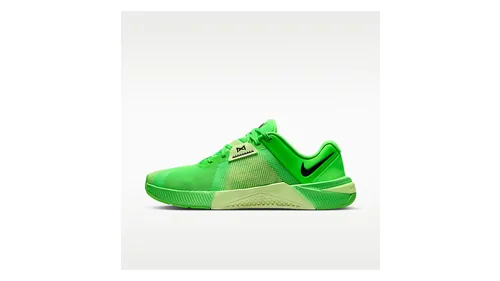
Best for: Heavy lifting and CrossFit-style training.
The Nike Metcon 10 is the lifting-focused choice in this roundup. Its broad base, firm heel and Hyperlift plate are designed to keep you planted under squats, deadlifts and other loaded movements, while the forefoot remains usable for short bursts of conditioning. It is less comfortable for longer treadmill runs, so choose it when strength work matters more than mileage.
- Best use: Heavy lifting, CrossFit-style workouts, short conditioning intervals
- Platform: Firm and wide for stability under load
- Trade-off: Too structured for longer running
Men’s version | Women’s version | Check latest price
Reebok Nano X5
Best for: Overall Performance
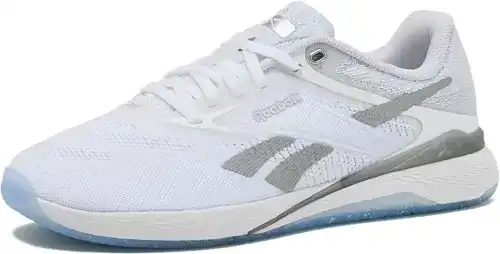
The Reebok Nano X5 delivers all-around performance that makes it a reliable choice for varied training routines—from heavy squats to agility drills. The standout DUALCUSHION midsole combines firm support in the heel with responsive comfort in the forefoot, allowing it to excel in both lifting and dynamic movement. A reinforced RopePro+ outsole provides strong grip and durability for rope climbs and sled pushes, while the Flexweave knit upper balances breathability with abrasion resistance. A re-engineered heel clip improves lockdown without sacrificing comfort. The wide, anatomical fit allows your toes to spread naturally under load, which improves both stability and comfort. This is a true hybrid shoe that performs well in just about any gym setting—making it a favorite for CrossFit-style workouts, strength training, and even short conditioning runs.
Specs:
- Weight: ~12 oz
- Heel-to-Toe Drop: 7 mm
- Sizes: Men’s 6.5–14, Women’s 5–11
- Colors: Multiple colorways including core black, white, and camo patterns
Pros:
- Versatile for lifting, jumping, and light running
- Durable construction with breathable materials
- Good value for a performance-level cross-trainer
Cons:
- Slightly bulky feel for minimalist users
- Limited arch support for flat feet
Gender-specific buy links: Men’s version | Women’s version
Adidas Dropset 4

Best for: Strength training and mixed gym work.
The Adidas Dropset 4 combines a broad, stable heel with more flexibility through the forefoot. That makes it a strong fit for people whose sessions mix squats, deadlifts, lunges and short conditioning blocks. It feels more planted than a running shoe without being as specialized as a dedicated weightlifting shoe.
- Best use: Strength circuits and lifting-focused gym sessions
- Platform: Broad base with a firm rearfoot
- Trade-off: Not intended for longer runs
Men’s version | Women’s version | Check latest price
Puma Fuse 4.0

Best for: Value-minded cross-training.
The Puma Fuse 4.0 keeps the low-profile, stable feel that makes the Fuse line useful for mixed gym work. It suits lifters and functional-fitness users who want good ground contact and traction without paying premium-training-shoe prices. It is a better fit for strength and agility work than for long treadmill sessions.
Men’s version | Women’s version | Check latest price
On Cloud X 5
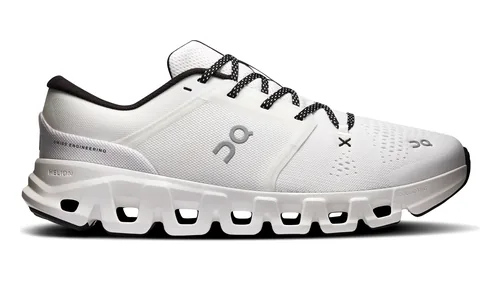
Best for: HIIT, studio classes and cardio-heavy mixed workouts.
The On Cloud X 5 is the lighter, more flexible option here. It works well for fast transitions, bodyweight circuits, studio classes and treadmill warmups, with enough structure for moderate strength work. If barbell lifting dominates your program, the Metcon 10 or Dropset 4 gives you a firmer platform. See our On shoes guide for the current training, walking and running lineup.
Men’s version | Women’s version | Check latest price
Under Armour Reign 6

Best for: Functional strength and lateral training.
The Under Armour Reign 6 favors stability and ground contact over soft cushioning. Its low-profile training geometry makes sense for gym-goers who move between lifting, sled work and lateral drills. Runners should still use a dedicated running shoe for sustained treadmill mileage.
Men’s version | Women’s version | Check latest price
Xero Shoes Prio Neo

Best for: Minimalist and mobility-focused training.
The Xero Shoes Prio Neo is the minimalist option in the group. Its zero-drop, flexible design and foot-shaped fit suit bodyweight work, mobility sessions and people who prefer strong ground feel. It provides far less cushioning and structured support than conventional trainers, so transition gradually if you are new to minimalist shoes.
Men’s version | Women’s version | Check latest price
Cross Training Shoe Buyer’s Guide
Choosing the right cross-training shoe isn’t just about style—it’s about protecting your body, improving performance, and preventing injury. The advice below is based on real-world experience from athletes, fitness professionals, and sports footwear researchers. Each recommendation draws from established training principles and product testing insights across multiple disciplines.
This section is designed to help you match your training style to the right footwear based on biomechanics, cushioning science, and activity-specific needs.
Pro tip: The wrong shoe can lead to overuse injuries like plantar fasciitis, shin splints, or knee strain. Cross trainers are not one-size-fits-all—your activity level matters.
Weightlifting
If you’re serious about lifting—whether it’s powerlifting, Olympic lifting, or strength training—your shoes need to do more than just look the part. The best cross-trainers for weightlifting prioritize ground contact, torque control, and midfoot stability to help you lift safely and generate maximum force.
Here’s what to look for in a weightlifting-friendly cross-training shoe:
- Minimal midsole compression – Choose shoes with dense EVA or TPU foam that won’t compress under heavy loads.
- 4–6mm heel-to-toe drop – A slight heel lift can help if your ankle mobility is limited during squats or cleans.
- Wide base and flat outsole – Prevents foot rolling and ensures lateral stability during lifts like deadlifts and presses.
These criteria are widely endorsed by certified strength coaches and organizations like the National Strength and Conditioning Association (NSCA), as they support proper lifting mechanics and reduce injury risk.
Recommended shoes for lifting-focused cross-training:
- Reebok Nano X5 – Features a Lift and Run chassis that stiffens under heavy weight.
- Adidas Dropset 4 – Dual-density midsole and wide, flat base for extra control.
- CORE Weightlifting Shoe – Designed specifically for lifters who want stability over cushioning.
These picks offer the balance of structure and support that lifters need in a cross-training environment—whether you’re doing compound lifts or integrating strength work into circuit training.
High-Intensity Interval Training (HIIT)
When your workout includes explosive jumps, quick sprints, and fast lateral cuts, your shoes need to absorb impact, protect your joints, and help you move with control and agility. HIIT-focused cross-training shoes are built to cushion repetitive shock and handle multi-directional movement without slowing you down.
Key features to look for in HIIT shoes:
- Responsive cushioning – Dual-density midsoles or energy-return foams absorb impact and support quick transitions.
- Lateral stability – Wide forefoot base or built-in side support shanks help prevent ankle rolling during rapid direction changes.
- Lightweight build – A total weight under 12 oz helps maintain speed and reduce fatigue.
Research on athletic shoe design and injury prevention highlights that inadequate shock absorption during plyometric movements can lead to increased injury risk—making proper footwear a must for HIIT training.
Here are some recommended shoes for HIIT and dynamic training:
- Reebok Nano X5 – Great for shock absorption and lateral stability with a training-specific chassis.
- Under Armour Reign 6 – Lightweight, breathable, and built to cushion impact during high-rep sets and sprints.
- Nike Air Zoom SuperRep 3 – A HIIT-specific shoe with Zoom Air pods and a wide forefoot for dynamic movement.
These picks give you the cushioning and agility you need to power through circuits, jump squats, burpees, and agility drills with confidence and joint protection.
Cardio and Treadmill Workouts
Running, jogging or walking on a treadmill creates repetitive impact. That means your shoes need to prioritize cushioning, supportive transitions, and breathability to keep you going strong—especially during longer or high-rep cardio sessions.
What to look for in cardio shoes
- Responsive midsoles – Cushioning technologies like CloudTec or Hoka’s EVA foam soften the repetitive impact of treadmill work.
- 6–10mm heel-to-toe drop – Helps promote a natural gait cycle and forward momentum.
- Ventilated uppers – Keep feet cool and reduce moisture-related hotspots or blistering.
For treadmill workouts, prioritize fit, cushioning and a stable transition that matches your gait and training volume.
Recommended cardio shoes
- On Cloud X 4 – A light, flexible gym-focused shoe that works well for HIIT, classes and short cardio blocks.
- Hoka Kawana 3 – A better gym-to-treadmill crossover than a pure road shoe, with enough cushioning for short runs and a more stable platform for mixed workouts.
- Brooks Launch 12 – A current lightweight running option for treadmill sessions when the workout is more run-focused than gym-focused.
What to look for in CrossFit shoes
- Sidewall protection – Features like RopePro or rubber wraps help reduce wear from rope climbs.
- Durable outsole rubber – Supports traction and resilience during sled drags and explosive jumps.
- Secure lockdown fit – Prevents your foot from sliding during lateral movements or barbell lifts.
For functional training, look for a firm platform with enough forefoot flexibility for jumps, short runs and quick transitions.
Recommended CrossFit and functional fitness shoes
- Reebok Nano X5 – RopePro side panels, stable chassis, and dual-density cushioning make it a top pick for WODs.
- Puma Fuse 4.0 – A durable, low-profile option with a wide forefoot base and full-rubber training outsole.
- Under Armour Reign 6 – Strong lockdown and a low-profile platform for floor grip, lifting and lateral work.
These shoes are built to stand up to the varied demands of CrossFit—from kettlebell swings to handstand pushups—while helping you stay grounded and agile.
Barefoot & Mobility Work
Minimalist shoes are ideal for balance training, bodyweight exercises, and mobility-focused routines. Whether you’re doing calisthenics, primal movement, or yoga-inspired flows, barefoot-style shoes help you connect with the ground and train more naturally.
What to look for in barefoot-style shoes
- Zero-drop sole with a wide toe box – Encourages proper posture and foot splay for better stability.
- Highly flexible outsole – Allows your foot to move freely and engage stabilizing muscles.
- Lightweight (7 oz or less) – Keeps your movement fluid and unencumbered.
Minimalist shoes increase ground feel and foot movement, but they also reduce cushioning and structure, so gradual adaptation matters.
Recommended minimalist shoes
- Xero Shoes Prio Neo – Zero-drop, flexible and foot-shaped for runners and gym users who specifically want a minimalist feel.
- WHITIN Barefoot Sneakers – Budget-friendly minimalist option with a barefoot feel and anatomical fit.
- Vivobarefoot Primus Lite IV – A current minimalist trainer with high flexibility, low structure and a foot-shaped fit.
These shoes let your feet function naturally—improving balance, alignment, and overall mobility—especially in workouts where grounded connection and control are key.
Everyday Use & Athleisure
If you want a shoe that works as hard on the sidewalk as it does in the gym, go for a pair that blends performance with everyday comfort. These hybrid trainers are perfect for light workouts, errands, travel, or long hours on your feet—without sacrificing style.
What to look for in athleisure-friendly trainers
- Neutral, versatile colorways – Easy to pair with casual outfits and gym gear.
- Moderate cushioning – Provides comfort for extended wear without feeling bulky.
- Durable construction – A tough outsole and supportive midsole help them last through daily use.
According to trusted fitness reviewers and wear-testers, the best everyday cross-trainers deliver all-day support for casual gym-goers, commuters, and professionals who stay on their feet.
Recommended athleisure & everyday trainers
- Hoka Kawana 3 – A versatile walking, running and gym crossover for people who want one shoe for light training and everyday use.
- Nike Free Metcon 5 – Combines flexibility, breathability, and street-ready design for gym-to-street transitions.
- New Balance FuelCell Rebel v3 – Sleek silhouette with soft cushioning and high versatility, perfect for light training and everyday wear.
These picks are built for comfort and style, whether you’re heading to a quick workout, running errands, or just looking for a supportive, all-day shoe that looks as good as it feels.
Cross-Training Shoe FAQs
For most mixed workouts, the Reebok Nano X5 is our best all-around choice. The Nike Metcon 10 is better for heavy lifting, the Adidas Dropset 4 for strength-focused sessions, and the On Cloud X 5 for HIIT and cardio-heavy training.
Cross-training shoes can handle warmups, short intervals and brief treadmill work, but most are firmer and less cushioned than running shoes. For longer or frequent runs, a dedicated running shoe is usually the better choice.
Yes, especially when they use a broad, firm platform that resists compression under load. Models such as the Nike Metcon 10 and Adidas Dropset 4 are better suited to lifting than soft, high-stack running shoes.
Cross-training shoes prioritize lateral stability, ground contact and support for multidirectional movement. Running shoes prioritize forward motion, cushioning and smoother heel-to-toe transitions.
Not necessarily. Support in a training shoe often comes from a stable base, secure midfoot and controlled heel rather than a pronounced arch contour. If arch support or orthotics are a priority, see our dedicated gym-shoes-for-arch-support guide.
They can be for experienced users who prefer ground feel and natural foot movement. Minimalist shoes such as the Xero Shoes Prio Neo have less cushioning and structure, so people new to them should transition gradually.
Yes, that is the main purpose of a versatile cross-trainer. The trade-off is that a hybrid shoe will not feel as planted as a dedicated lifting shoe or as cushioned as a running shoe. Match the shoe to the part of your training that matters most.