Last Updated on September 23, 2026
| Quick Answer: New Balance Fresh Foam X 1080 v14 vs. Fresh Foam 680 v9 The New Balance Fresh Foam X 1080v14 is the better choice for long walks, daily running, recovery sessions, and people who prefer soft, protective cushioning. The Fresh Foam 680v9 is the better budget option for shorter walks, treadmill use, errands, and occasional runs. Both are neutral shoes, so neither provides strong correction for overpronation. Choose the 1080v14 for comfort and higher mileage; choose the 680v9 for a firmer, lighter, and less expensive everyday shoe. |
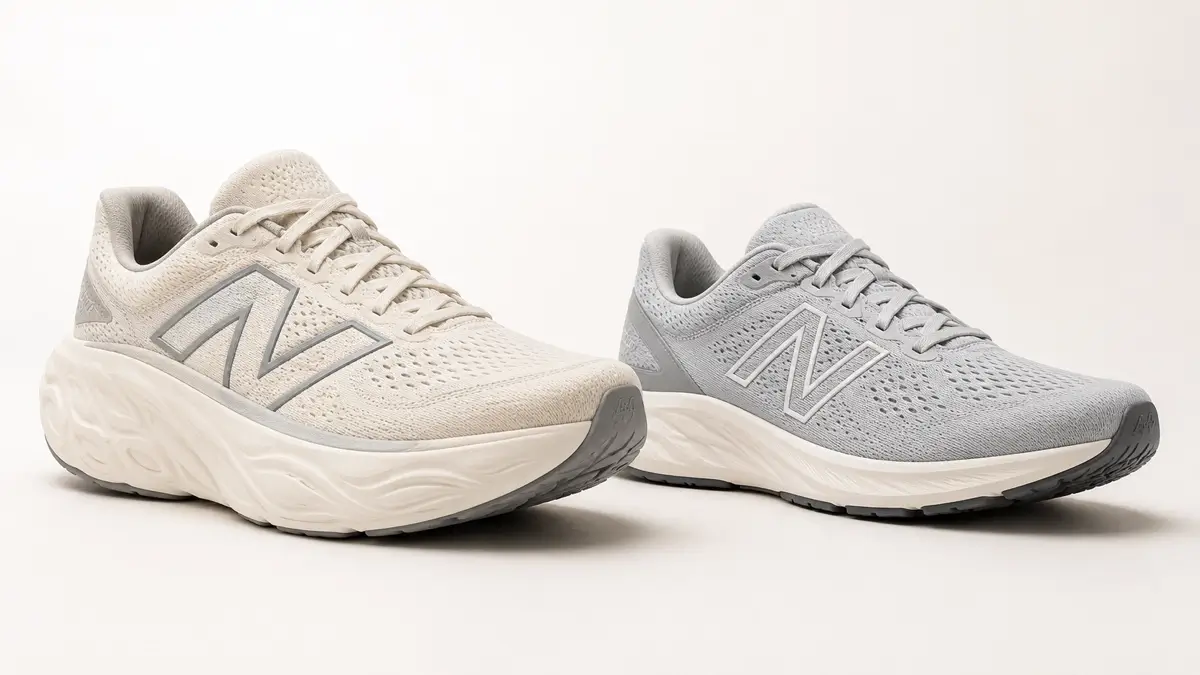
The New Balance Fresh Foam X 1080v14 and Fresh Foam 680v9 are neutral road shoes aimed at very different buyers. The 1080v14 is the premium option, with a deeper Fresh Foam X midsole designed to provide a soft, highly cushioned ride for daily training, longer runs, walking, and extended wear. The 680v9 is a budget-friendly trainer that uses an older Fresh Foam formulation to provide a firmer, lighter, and more traditional feel.
There is one important model-year detail to understand. The 1080v15 is now the current version of the 1080, but it no longer uses Fresh Foam X. New Balance replaced it with a new Infinion midsole. Therefore, the 1080v14 remains the most appropriate model for a direct comparison between the Fresh Foam cushioning used in the 1080 and 680.
For those looking for a quick capsule review of the V15, here you go:
New Balance 1080v15 Review
The New Balance 1080v15 is a major redesign of the brand’s premium neutral daily trainer. Most notably, New Balance has replaced Fresh Foam X with a new supercritical Infinion midsole, giving the shoe a slightly firmer, bouncier, and more energetic ride than the exceptionally soft 1080v14. It still provides generous cushioning for long walks, easy runs, recovery sessions, and extended time on hard surfaces, but it now feels more versatile when you increase the pace. The seamless mesh upper is roomy and flexible through the toe box while holding the foot securely through the midfoot. The trade-offs are its premium price, substantial build, and neutral design, which will not provide enough guidance for people who need a true stability shoe. Buy the 1080v15 if you want a highly cushioned shoe that feels less soft and sluggish than the previous version. Avoid it if you prefer strong ground feel, firm support, or the pillowy Fresh Foam sensation associated with older 1080 models. And keep reading for the 1080v14 vs 680v9 comparison.
New Balance 1080 vs. 680 Comparison
Feature | New Balance Fresh Foam X 1080v14 | New Balance Fresh Foam 680v9 |
|---|---|---|
Shoe category | Premium, highly cushioned neutral daily trainer | Budget neutral daily trainer |
Best for | Daily running, long easy runs, recovery runs, walking, and extended wear | Shorter runs, walking, treadmill sessions, track workouts, and casual exercise |
Gait type | Neutral | Neutral |
Stability support | No structured motion-control system | No structured motion-control system |
Overpronation | May not provide enough guidance for moderate or severe overpronation | May not provide enough guidance for moderate or severe overpronation |
Cushioning material | Fresh Foam X | Original Fresh Foam EVA |
Cushioning level | High | Moderate |
Underfoot feel | Soft, cushioned, and protective | Firmer, denser, and more connected to the ground |
Heel-to-toe drop | 6 mm | Approximately 8 mm |
Heel stack height | Approximately 37 mm | Approximately 29 mm |
Shock attenuation | More foam beneath the foot and a softer perceived landing | Less foam and a firmer perceived landing |
Heel strikers | Well suited to runners and walkers who enjoy substantial heel cushioning | Better suited to lighter landings and shorter distances |
Midfoot strikers | Smooth and well cushioned | Firm and relatively flexible |
Forefoot strikers | Cushioned, although some users may find it bulky | Greater ground feel but less forefoot cushioning |
Long-distance walking | Better option for people who prefer substantial cushioning | Best for shorter or moderate-distance walks |
Long-distance running | Designed for daily mileage and longer easy runs | Better suited to shorter runs for most users |
Recovery running | Well suited to slow, comfortable sessions | Usable, but not especially soft |
More cushioning for people who prefer a soft platform | Firmer feel for people who dislike soft, high-stack shoes | |
Platform feel | Broad but relatively tall and soft | Lower, firmer, and more grounded |
Width selection | Commonly available in several widths | Width availability depends on size, market, and retailer |
Ground feel | Limited | Noticeable |
Weight | Heavier and more substantial | Lighter |
Responsiveness | Smooth rather than especially fast | Some rebound, but less lively than newer premium foams |
Outsole and materials | More substantial premium construction | Simpler materials intended to keep the price low |
Price category | Premium | Budget |
Main advantage | Greater cushioning and comfort over longer distances | Low price, light weight, and useful ground feel |
Main drawback | More expensive and potentially too soft or bulky | Firmer ride and less cushioning for longer sessions |
Amazon link |
The 680v9 is not simply a discounted version of the 1080. It uses older Fresh Foam technology and has a lower stack height. That gives it a firmer ride and more ground feel, but it also means the shoe may feel harsher during long runs or repeated miles on hard pavement.
The women’s 680v9 weighs in at 7.6 ounces with a 29 mm stack. It works best for shorter runs, track sessions, and runners who enjoy a firm, low-profile feel. Its reviewers cautioned that the dense cushioning may not be comfortable enough for long runs or people who are sensitive to pavement impact.
The 1080v14 has approximately 37 mm of cushioning beneath the heel, a 6 mm drop, and a mild rocker shape that helps the shoe roll from landing to toe-off. It is softer and more protective underfoot, although runners who prefer a firm or highly responsive shoe may find it overly cushioned.
New Balance 1080 vs. 680 for Foot Pain and Previous Injuries
Neither the 1080v14 nor the 680v9 should be described as treating, correcting, or preventing an injury. Running shoes can change how comfortable the ground feels beneath the foot, but more cushioning does not automatically reduce injury risk or solve the underlying cause of pain.
The 1080v14 is the more cushioned option. It may feel more comfortable to walkers and runners who find firm shoes unpleasant or who become sore during long periods on pavement. The 680v9 provides less cushioning and more ground feedback, making it better suited to people who are already comfortable in a firmer shoe.
Anyone experiencing persistent heel, arch, shin, knee, Achilles, or joint pain should have the problem assessed rather than relying on a shoe recommendation alone.
Injury and Foot-Comfort Comparison
Concern | New Balance Fresh Foam X 1080v14 | New Balance Fresh Foam 680v9 |
|---|---|---|
Plantar heel pain | Soft heel cushioning may feel more comfortable, but the shoe does not treat plantar fasciitis | Firmer platform may suit some people but feel harsh to others |
Shin discomfort | Deeper cushioning may make pavement feel less harsh | Lower stack and denser foam provide more ground feedback |
Knee discomfort | May feel more comfortable to people who prefer soft cushioning | Firmer ride may be preferable for those who dislike sinking into soft foam |
Hip or general joint discomfort | Provides a softer perceived landing | Provides a firmer and more direct ride |
Achilles sensitivity | The 6 mm drop should be introduced cautiously if the wearer is accustomed to a higher-drop shoe | The approximately 8 mm drop may feel more familiar to people accustomed to conventional trainers |
Ankle instability | Tall, soft cushioning may feel less secure to some users | Lower, firmer platform may feel more grounded |
Overpronation | Neutral shoe without a structured support system | Neutral shoe without a structured support system |
Supination or underpronation | Neutral cushioning may be comfortable, but gait alone does not determine the correct shoe | Neutral design may also work when the wearer prefers a firmer ride |
High arches | May feel comfortable because of its cushioning, but arch height does not guarantee suitability | May suit people who prefer firmer support beneath the arch |
Flat feet | May work for some flexible flat feet, but does not provide corrective support | May work for some users but is not a stability shoe |
Bunions | Width options may help, but fit depends on the shape and volume of the forefoot | Wide sizing may help, although availability varies |
Previous running injury | More cushioning may improve comfort, but it should not be treated as protection against reinjury | Better suited to users who already know they tolerate firmer, lower-stack shoes |
Foot fatigue | More cushioning may feel better over long periods | More suitable when the user prefers a firm, uncomplicated platform |
Balance concerns | Soft, tall construction may reduce ground awareness | Lower stack provides greater ground awareness |
Which Is Better for Plantar Fasciitis?
The 1080v14 may feel more comfortable for someone with a sensitive heel because it places more cushioning beneath the foot. Its rocker-shaped sole may also make the heel-to-toe transition feel smoother.
However, it would be inaccurate to call the 1080 a plantar fasciitis shoe. Plantar heel pain can be affected by training volume, calf flexibility, foot strength, occupational standing, body mechanics, and other factors. Some people prefer soft cushioning, while others feel better in a firmer shoe or with an appropriate insole.
The 680v9 has a denser midsole and lower stack. Someone who finds firm shoes aggravating will probably prefer the 1080, but a person who dislikes soft foam may prefer the more stable sensation of the 680.
Which Is Better for Shin Splints?
The 1080v14 provides more cushioning, which may make running or walking on pavement feel less harsh. That makes it the more comfortable starting point for many people who are sensitive to impact.
It does not, however, correct the common causes of shin pain. Sudden increases in distance, running intensity, hills, hard surfaces, and insufficient recovery can all contribute to symptoms. Localized or persistent shin pain should be assessed because it can sometimes indicate a bone stress injury.
The 680v9 is better suited to shorter sessions and people who already tolerate firm shoes. Its relatively low stack and dense foam may feel uncomfortable during long pavement runs.
Which Is Better for Knee or Joint Pain?
A person who finds hard landings uncomfortable is more likely to prefer the 1080v14. Its deeper midsole creates a softer sensation beneath the foot, particularly during long walks and slow runs.
That does not mean a softer shoe necessarily reduces the forces reaching the knees or prevents joint pain. Runners adapt their leg stiffness and movement patterns to different shoes, and individual responses vary considerably.
Some people also feel less stable in soft, high-stack footwear. For those users, the lower and firmer 680 may feel more controlled despite providing less cushioning.
Which Is Better for Achilles Tendon Pain?
Neither shoe should be recommended as a treatment for Achilles tendinopathy. The 1080v14 has a 6 mm heel-to-toe drop, while the 680v9 is listed at approximately 8 mm.
A higher drop can reduce ankle dorsiflexion during a step, but that does not make the 680 a universally better Achilles shoe. Comfort depends on the location and severity of the symptoms, the wearer’s previous footwear, and the rehabilitation plan being followed.
A sudden change from a higher-drop shoe to the 1080 should be introduced gradually, particularly when the calves or Achilles tendons are already sensitive.
Who Should Buy the New Balance 1080v14?
The 1080v14 is the better choice for walkers and runners who value cushioning and long-distance comfort more than low price or ground feel.
The 1080v14 is worth considering when you:
- Regularly complete long walks or easy runs.
- Spend extended periods standing or walking on hard surfaces.
- Prefer soft cushioning beneath the heel and forefoot.
- Want a shoe for daily training and recovery runs.
- Find low-stack or firm shoes uncomfortable.
- Need a choice of widths.
- Want a comfortable running shoe that can also be used for walking and everyday wear.
Who Should Avoid the New Balance 1080v14?
The 1080v14 may not be the best choice when you:
- Need structured stability for significant overpronation.
- Feel unsteady in tall or soft shoes.
- Prefer firm cushioning and strong ground feedback.
- Want a lightweight shoe primarily for intervals or racing.
- Need a flat, stable platform for heavy lifting.
- Only need a basic shoe for short walks and errands.
- Want the least expensive option.
Who Should Buy the New Balance 680v9?
The 680v9 is aimed at buyers who want a functional neutral athletic shoe without paying for premium cushioning technology.
The 680v9 is worth considering when you:
- Want an affordable neutral running or walking shoe.
- Usually complete shorter walks or runs.
- Prefer firm cushioning and noticeable ground feel.
- Want a light shoe for the treadmill or track.
- Need a casual athletic shoe for errands and general activity.
- Already know that lower-stack shoes feel comfortable.
- Do not need a highly cushioned long-distance trainer.
Who Should Avoid the New Balance 680v9?
The 680v9 may not be the best choice when you:
- Prefer soft or maximum cushioning.
- Regularly complete long runs on pavement.
- Find firm shoes uncomfortable beneath the heel or forefoot.
- Need structured stability or motion control.
- Want the latest and most responsive foam technology.
- Expect it to feel like a less expensive version of the 1080.
- Need a shoe specifically selected as part of an injury-rehabilitation plan.
New Balance 1080 vs. 680: Which Should You Choose?
Choose the New Balance Fresh Foam X 1080v14 when your priorities are cushioning, comfort, and longer-distance use. It is the more substantial shoe and will generally feel softer during long walks, daily training, and extended periods on hard surfaces.
Choose the New Balance Fresh Foam 680v9 when your priorities are affordability, light weight, and a firmer connection to the ground. It works best for shorter runs, everyday walks, treadmill sessions, and healthy users who do not need premium cushioning.
The 680 is a capable budget trainer, but it is not a direct substitute for the 1080. The main compromise is not appearance or branding. It is the amount and quality of cushioning beneath the foot.