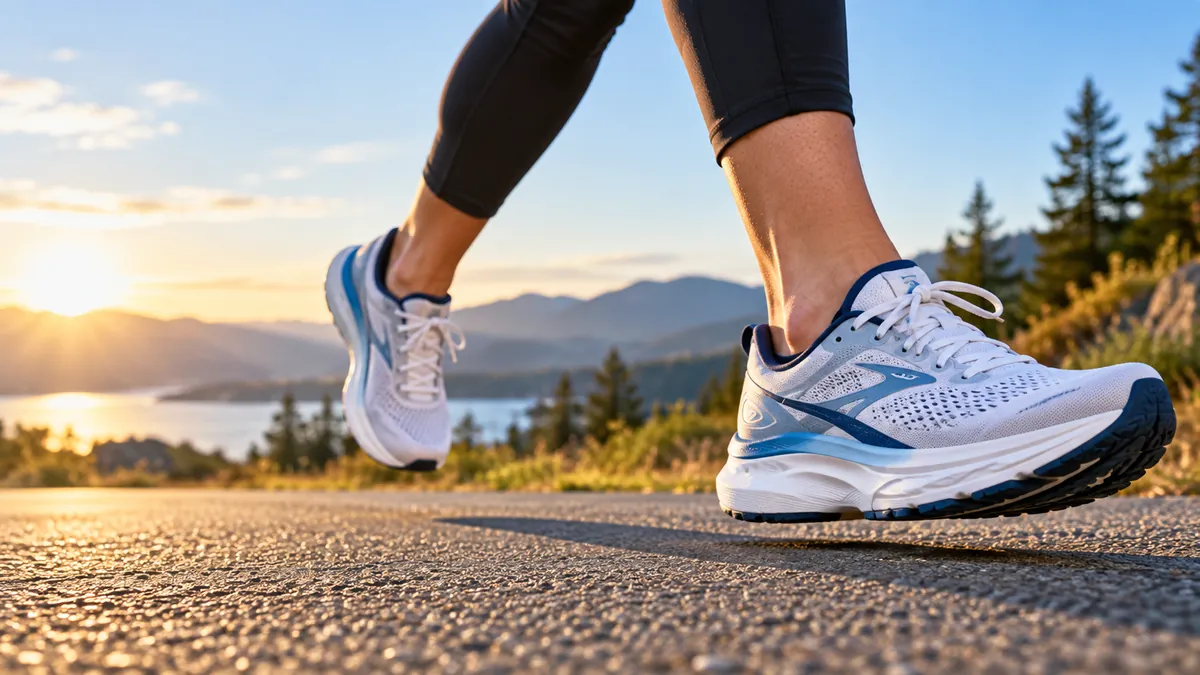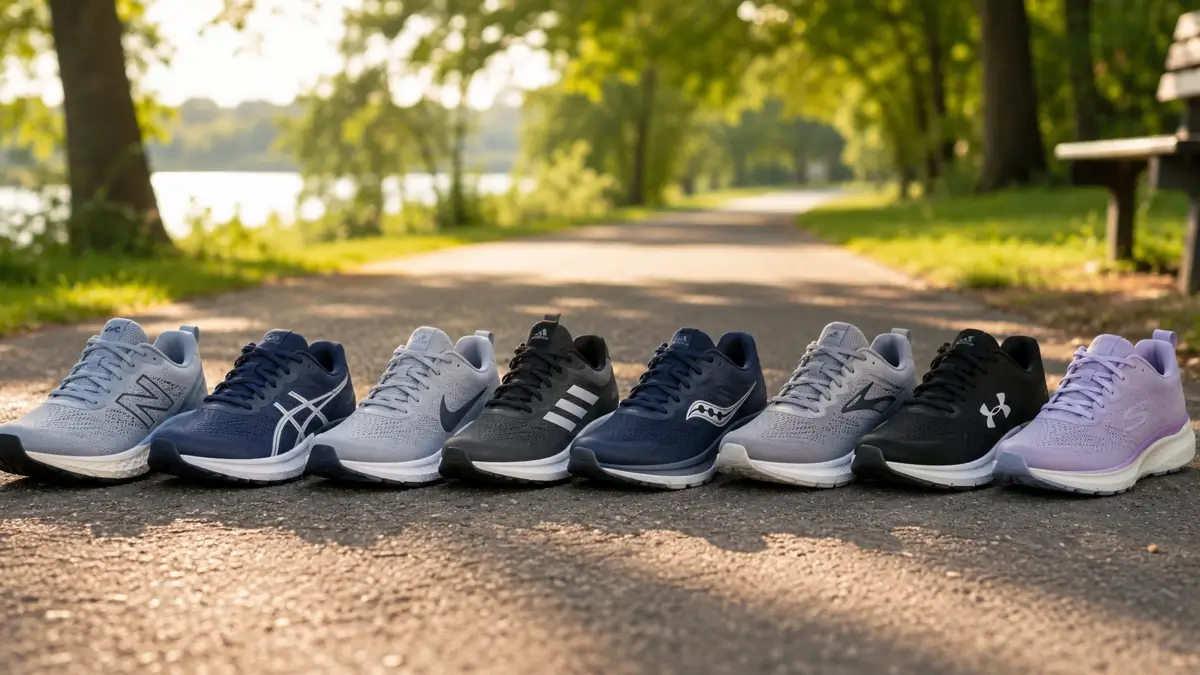
| Quick Answer: Best Affordable Running Shoes: The New Balance Fresh Foam 680 is one of the best affordable running shoes for walkers and active people who do not need premium running performance. I bought a pair for my three-to-five-mile walking days and have been impressed by how soft and comfortable they feel. They are bulkier and less responsive than my regular running shoes, but that makes little difference during recovery walks. Other good budget options include the ASICS GEL-CONTEND, Nike Revolution, adidas Duramo SL, Saucony Cohesion, Brooks Trace, Under Armour Charged Assert, and Skechers GO RUN Consistent. |
You do not need a premium running shoe for every walk, workout, or active day. Many affordable running shoes provide enough cushioning, support, and durability for walking, light jogging, gym sessions, travel, and everyday wear, often at a significantly lower price than top-tier trainers. I bought the New Balance Fresh Foam 680 for my own three-to-five-mile walking days and found it soft, comfortable, and especially useful for recovery. The shoe is bulkier than my regular running shoes, but for walking, that extra structure works in its favour. The shoes below offer similar value for people who want dependable comfort without paying for performance features they may never use.
Shoe (click to scroll to review) | Best For | Cushioning Feel | Price |
|---|---|---|---|
Best overall | Soft and protective | ||
Best for a structured feel | Firm and stable | ||
Best for casual wear | Light and flexible | ||
Best lightweight option | Moderately firm | ||
Best for beginners | Firm and traditional | ||
Best step-up option | Balanced and smooth | ||
Best for gym use | Stable and substantial | ||
Best for walking comfort | Soft and flexible |
You May Not Need an Expensive Running Shoe
I own several good running shoes. (I am fond of my Asics Gel-Kayano pair) They are light, responsive, and designed to help me run efficiently. I do not always need those features.
On my walking days, I usually cover three to five miles at a comfortable pace. These walks are part of my recovery routine, and I mainly want a shoe that feels soft, supportive, and comfortable over a longer distance.
That is why I bought the New Balance Fresh Foam 680, which is bulkier than most of my running shoes. It does not have the same fast or responsive feel, and it would not be my first choice for speed sessions or serious training.
For walking, however, it has been excellent. The cushioning is soft, the platform feels secure, and the shoe protects my legs when I want to remain active without adding another demanding running session.
It also costs less than many premium daily trainers (priced in the $60-$70 USD range on Amazon.)
That experience made me realize how many people may be paying for running technology they do not actually need. A large percentage of people who buy running shoes are not training for a marathon or trying to improve their race times. They are walking, travelling, going to the gym, standing at work, running errands, or occasionally jogging. For those activities, a dependable budget running shoe may be more than enough.
Why Affordable Running Shoes Can Be a Smart Buy
Premium running shoes often include lighter foams, elaborate cushioning systems, aggressive rocker shapes, and materials designed to improve energy return. Those features matter when you are running regularly. They matter much less when you are walking around the neighbourhood, spending an hour at the gym, or getting through a busy day on your feet. A good affordable running shoe should still provide the basics:
- Enough cushioning to reduce impact
- A secure fit around the heel and midfoot
- Adequate traction for roads and treadmills
- A comfortable upper
- Enough durability for regular use
You may give up some responsiveness, weight savings, and refinement, but those differences are often less noticeable at a walking pace. Budget shoes can also help runners preserve their more expensive pairs. Using a lower-cost shoe for walking and errands keeps unnecessary mileage off your primary training shoes. That is exactly how I use the New Balance 680.
New Balance Fresh Foam 680

Best for: Walking, recovery days, beginners, and light running
The New Balance Fresh Foam 680 is the shoe that inspired this guide. I bought it specifically for days when I walk three to five miles instead of running. I wanted a shoe that felt comfortable over several miles without forcing me to use one of my more expensive running shoes. The 680 has worked very well in that role.
Its biggest strength is the cushioning. The midsole feels soft and protective, particularly under the heel. It absorbs the repeated impact of longer walks and helps my legs feel less tired afterward.
The shoe is noticeably bulkier than my regular running shoes. The upper has more padding, the platform feels wider, and the overall construction is more substantial. That extra bulk does not bother me while walking. In fact, it contributes to the shoe’s protective feel.
The 680 is not especially fast or lively. It does not produce the springy sensation found in many premium trainers, but that is not what I need on a recovery walk. I want softness, comfort, and a secure ride. The 680 provides all three.
New Balance also tends to offer more width choices than many other brands, making the 680 worth considering for people who need a wide or extra-wide shoe. (I wear a wide size.)
Pros
- Soft cushioning
- Comfortable over longer walks
- Broad and stable platform
- Available in multiple widths
- Suitable for beginners and occasional runners
- Less expensive than many premium trainers
Cons
- Bulkier than many running shoes
- Not especially responsive
- May feel heavy during faster runs
- Better for comfort than speed
ASICS Gel-Contend

Best for: Walkers who prefer a firmer and more structured shoe
The ASICS Gel-Contend is a good alternative for people who find very soft shoes unstable. It has a more traditional feel than the New Balance 680. The platform is relatively firm, and the upper holds the foot securely through the heel and middle of the shoe.
ASICS uses rearfoot GEL cushioning to help reduce impact at landing. The shoe also has a durable rubber outsole that works well for pavement, treadmills, and general daily use.
The GEL-CONTEND does not provide the same plush ride as the 680. However, some walkers will prefer its firmer base and more connected feel. It is particularly suitable for walking, short treadmill sessions, casual fitness, and occasional jogging.
Pros
- Stable underfoot
- Secure upper
- Durable outsole
- Good for walkers who dislike very soft cushioning
- Suitable for walking and light running
Cons
- Firmer than the New Balance 680
- Less flexible than some budget shoes
- May feel basic to experienced runners
Nike Revolution

Best for: Casual wear, short walks, and everyday activity
The Nike Revolution is one of the most popular inexpensive athletic shoes because it combines a clean appearance with basic running-shoe comfort. It is lighter and less bulky than the New Balance 680, making it a good choice for errands, travel, and casual everyday use.
The cushioning is adequate for short walks and basic workouts, but it is not exceptionally deep or soft. People who regularly walk three to five miles may prefer a more substantial model.
The Revolution makes the most sense for someone who wants an affordable shoe that can move easily between exercise and casual wear. It also tends to be widely available and frequently discounted.
Pros
- Lightweight
- Easy to wear casually
- Flexible forefoot
- Affordable
- Good for short walks and basic exercise
Cons
- Less cushioning than the New Balance 680
- Not ideal for long-distance walking
- Limited support for people who need a structured shoe
Adidas Duramo SL

Best for: Gym workouts and occasional running
The Adidas Duramo SL feels more performance-oriented than some shoes in this price range. It is relatively lightweight and works well for people who combine walking, treadmill running, fitness classes, and general gym workouts.
The cushioning is firmer than the New Balance 680, which can make the shoe feel more stable during gym exercises. It also has enough flexibility for short runs and active daily use.
The Duramo SL is not a max-cushioned shoe. Walkers who want a particularly soft ride may find it too firm. However, it is a strong choice for people who want one shoe for several types of exercise.
Pros
- Lightweight
- Versatile
- Suitable for walking and occasional runs
- Stable enough for general gym use
- Sportier feel than many budget shoes
Cons
- Not especially soft
- Less comfortable for long recovery walks than the 680
- Not ideal for heavy lifting
Saucony Cohesion

Best for: Beginners and casual runners
The Saucony Cohesion is a straightforward, affordable running shoe without complicated technology.
It has a traditional shape, durable outsole, and moderately firm cushioning. It works well for walkers, new runners, and people building a basic fitness routine.
The Cohesion does not feel as soft as the New Balance 680. It has a firmer ride and gives you more awareness of the ground beneath your feet.
That can be a benefit for people who dislike overly cushioned shoes.
The Cohesion is also a practical choice for buyers who want a simple running shoe at a lower price and do not need advanced performance features.
Pros
- Affordable
- Durable outsole
- Suitable for walking and beginner running
- Stable, traditional feel
- Good value for casual users
Cons
- Firmer cushioning
- Less comfortable for long walks if you prefer softness
- Not designed for high-mileage training
Brooks Trace

Best for: Walkers and runners who want a more refined budget shoe
The Brooks Trace usually costs more than the least expensive shoes in this guide, but it also delivers a smoother and more polished ride. It sits between an entry-level athletic shoe and a premium daily trainer. The cushioning is balanced rather than extremely soft. It provides enough protection for walking while remaining responsive enough for regular recreational running.
The Trace is one of the better choices for someone who walks frequently but also expects to run several times per week. It may also be worth watching for discounts on previous versions or older colorways.
Pros
- Smooth ride
- More refined than many budget shoes
- Suitable for walking and regular running
- Comfortable upper
- Good transition from heel to toe
Cons
- Usually more expensive than basic budget shoes
- Not as soft as the New Balance 680
- Less suitable for buyers seeking the lowest possible price
Under Armour Charged Assert

Best for: Gym machines, treadmill walking, and general fitness
The Under Armour Charged Assert has a firm, substantial feel that works well for general gym use. It is stable enough for treadmill walking, elliptical sessions, exercise machines, and moderate strength workouts.
The shoe has a traditional athletic build with a secure upper and relatively broad base. It is not as soft as the New Balance 680 and may feel stiff to people accustomed to plush running shoes. That firmness can be useful in the gym, where excessively soft cushioning may feel unstable.
The Charged Assert is not a replacement for a dedicated weightlifting shoe. However, it can handle a varied fitness routine better than many highly cushioned running shoes.
Pros
- Stable feel
- Secure upper
- Good for walking and gym machines
- Durable construction
- Suitable for general fitness
Cons
- Firmer than many walking shoes
- Can feel stiff
- Not ideal for long runs or serious lifting
Skechers GO RUN Consistent

Best for: Soft walking comfort
The Skechers GO RUN Consistent is designed for people who prioritize comfort over speed. It has a soft interior, flexible forefoot, and forgiving ride that works well for walking, errands, and casual daily wear.
The GO RUN Consistent is particularly appealing to people who mainly walk but want the appearance and cushioning of a running shoe. It is not intended for demanding training, and experienced runners may find it less secure and responsive than a performance model.
For everyday walking, however, it provides plenty of comfort at a reasonable price.
Pros
- Soft step-in feel
- Flexible
- Comfortable for walking
- Good for errands and travel
- Often competitively priced
Cons
- Limited performance for serious running
- May feel less secure than structured shoes
- Soft cushioning may not suit everyone
Which Affordable Running Shoe Should You Choose?
The best shoe depends on how you plan to use it.
Choose the New Balance Fresh Foam 680 if you want soft cushioning for longer walks, recovery days, and occasional running.
Choose the Asics Gel-Contend if you prefer a firmer and more stable platform.
Choose the Nike Revolution if casual styling and everyday versatility are more important than maximum cushioning.
Choose the Adidas Duramo SL if you want a lighter shoe for mixed gym sessions and short runs.
Choose the Saucony Cohesion if you want a simple, durable shoe for walking and beginner running.
Choose the Brooks Trace if you are willing to spend slightly more for a smoother and more refined ride.
Choose the Under Armour Charged Assert if most of your activity takes place in the gym.
Choose the Skechers GO RUN Consistent if your priority is soft walking comfort.
Who Should Buy a Budget Running Shoe?
Affordable running shoes are a good match for people who primarily use them for:
- Walking
- Recovery days
- Treadmill workouts
- Occasional jogging
- General gym sessions
- Travel
- Errands
- Everyday wear
- Beginning a fitness program
They are also useful as secondary shoes for runners.
A lower-cost walking shoe allows you to keep unnecessary mileage off your primary running shoes. That can extend the life of your more expensive trainers and help you use each pair for the activity it handles best.
Who Should Spend More?
A premium running shoe may be worth the additional cost when you run several days per week, train for races, complete long runs, or perform speed workouts.
More expensive shoes often provide better energy return, lower weight, and smoother transitions. Those benefits are much easier to notice while running than walking.
You may also need a more specialized shoe if you have:
- Significant overpronation
- Recurring foot or ankle pain
- A history of running injuries
- Unusual shoe wear patterns
- Balance concerns
- A medical condition affecting your gait
A budget neutral shoe cannot provide the right support for every person.
My Experience With the New Balance Fresh Foam 680
The New Balance Fresh Foam 680 has done exactly what I wanted it to do.
I bought it for my walking days, when I usually cover three to five miles. It is softer and more protective than I expected at this price.
It is definitely bulkier than my running shoes. It does not have their lightness, responsiveness, or quick turnover.
None of that matters much when I am walking.
The soft cushioning makes it particularly useful on recovery days. I can remain active, get my miles in, and give my legs a break from running.
It also keeps walking mileage off my more expensive trainers.
For walkers, beginners, and active people who do not need high-end running performance, the Fresh Foam 680 offers excellent value.
Frequently Asked Questions
Yes. Many budget running shoes work very well for walking because they provide more cushioning, flexibility, and impact protection than a basic casual shoe. The best models for walking tend to have a broad platform, secure heel, and enough cushioning to remain comfortable over several miles. The New Balance Fresh Foam 680 is a particularly good example. It is not the lightest running shoe, but its soft cushioning makes it comfortable for longer walks and recovery days.
Yes, depending on the workout. Budget running shoes are suitable for treadmill sessions, elliptical machines, exercise bikes, fitness classes, and moderate strength training.
They are less suitable for heavy squats, deadlifts, and Olympic lifting because the cushioned heel can compress under load. For general gym use, the adidas Duramo SL and Under Armour Charged Assert are two of the better options in this guide.
You do not necessarily need to spend premium-running-shoe prices on a walking shoe. Many reliable walking and entry-level running shoes sell for considerably less than top-tier daily trainers. Fit and comfort matter more than price. A less expensive shoe that matches your foot shape and activity may be a better purchase than an advanced model designed for performance features you will not use.
Not always. Budget running shoes often use heavier materials and substantial rubber outsoles, which can make them quite durable for walking and casual use. The cushioning may not remain responsive as long as premium foam, but responsiveness is less important for walking than it is for running. Durability also depends on body weight, walking surface, gait, and how often the shoe is used.
Yes. The New Balance Fresh Foam 680 is designed as an entry-level running shoe and can handle easy runs, beginner training, and occasional jogging. It is heavier and less responsive than many premium running shoes, so experienced runners may prefer something lighter for faster sessions or long-distance training. For walking, recovery days, and short easy runs, the 680 is a strong value. Check price online.