Last Updated on October 16, 2026
Bouncy, locked-down cushioning in one of the heaviest and priciest shoes on the court
Quick Answer: Nike LeBron 23 Review: The Nike LeBron 23 is a premium basketball shoe built for big, powerful players who want protection and support above all else. A full-length ZoomX foam insert over a carbon plate gives it some of the bounciest cushioning in any basketball shoe, and a stiff heel, wide base and cable lacing lock the foot down hard. It grips well on clean courts. It is also heavy, warm, low over the toes and the most expensive shoe in Nike’s basketball line, so quick, light guards and outdoor players should look elsewhere. Check latest price.
Twenty-three signature shoes in twenty-three seasons is a record no other NBA player has come close to, and the Nike LeBron 23 marks it with the most ambitious cushioning setup the line has ever had. Released in October 2025, it sits at the top of Nike Basketball’s range as the brand’s most expensive performance shoe, above the Air Jordan flagship and well above the G.T. series.
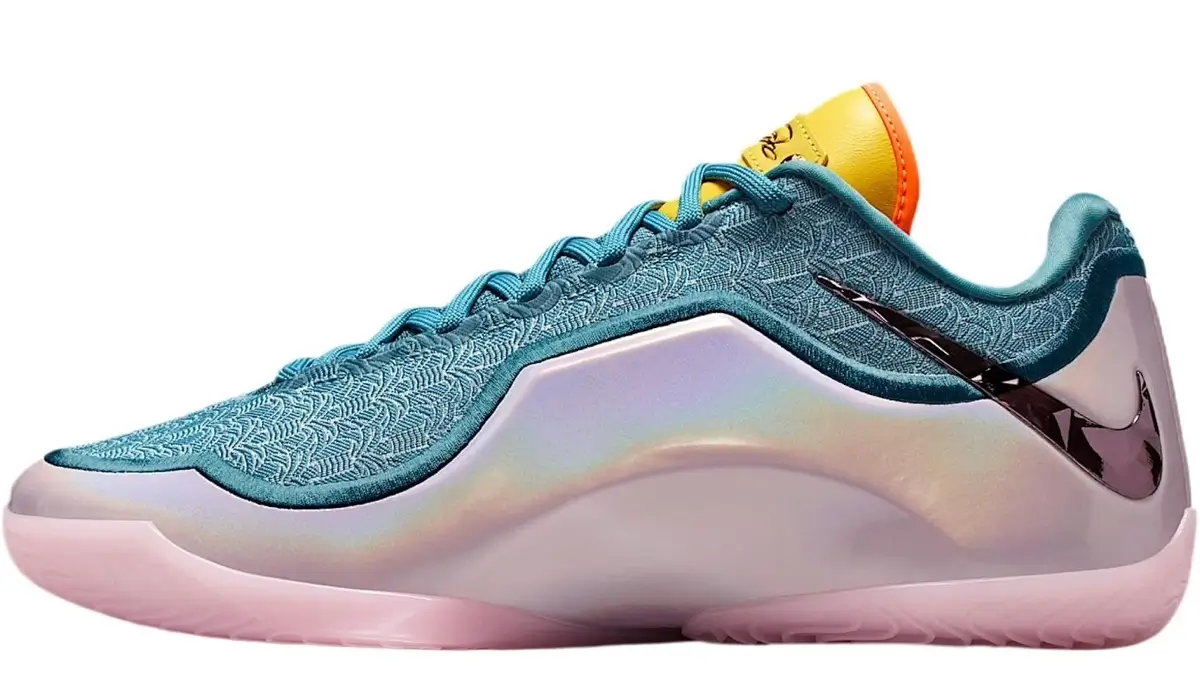
The big change is under the foot. Every LeBron for years has relied on Zoom Air bags, the pressurized cushions that give Nike shoes their snap. The 23 drops them entirely for a removable insert made of ZoomX, the ultralight, super-bouncy foam from Nike’s marathon racing shoes, wrapped in a firmer carrier foam and stiffened by a full carbon fiber plate. Around that sits a low-cut upper with a rigid shell Nike calls a foot frame, a heavily padded collar and a lacing system that ties into cables running down into the footbed.
It suits forwards and bigs, heavier players and anyone who lands hard and wants the shoe to take the impact. It is a poor match for players who prize lightness and speed, for outdoor courts and for wide, high-volume feet, and we point to better fits below.
Specs
Here are the specifications for the Nike LeBron 23, in plain English:
| Best for | Powerful, heavier players on indoor courts who want maximum cushioning and lockdown |
| Type | Low-top signature basketball shoe with a drop-in midsole |
| Cushioning | Very bouncy: a full-length ZoomX foam drop-in inside a firmer Cushlon 3.0 carrier, with about 70 percent energy return at the heel in lab testing, well above the basketball average |
| Support | Maximum: a full-length carbon fiber plate, a very stiff heel counter, a wide outrigger and cable lacing tied into the footbed |
| Weight | 15.5 oz in a men’s 9 (lab measured): among the heaviest basketball shoes on sale |
| Stack and drop | About 31 mm at the heel and 23 mm at the forefoot (lab), so the heel sits roughly 8 mm higher than the toes, close to the basketball average |
| Upper | Rigid synthetic foot frame over a woven jacquard textile, padded collar, internal heel counter, leather tongue top |
| Outsole | Rubber wavebone tread (a herringbone variant) forming a 23 motif, thin and tuned for indoor courts |
| Widths | Standard only; the ball of the foot measures wide but the toe box tapers and sits low |
| Breathability | Below average in lab testing; the shoe runs warm |
| Price | $210 at launch, October 2025 (grade-school sizes $160). Check latest price |
Pros
- Some of the bounciest cushioning in basketball, with lab-measured energy return far above average
- Superb lockdown from the cable lacing, stiff heel and rigid foot frame
- Carbon plate keeps the shoe from twisting, so hard landings feel controlled
- Strong grip on clean indoor courts
- Premium materials and a wide, stable base
Cons
- At 15.5 oz it is one of the heaviest shoes you can play in
- $210 is a $20 jump over the LeBron 22, with the Zoom Air units removed
- Very low toe box that presses on the toes of some players
- Warm, with below-average breathability
- Thin tread that will not last long on outdoor courts
What is new in the LeBron 23 vs the LeBron 22
The LeBron 22 used the formula the line had refined for a decade: Zoom Air units, the pressurized cushions that give Nike shoes their springy snap, set into a Cushlon foam midsole. The LeBron 23 throws that out. There are no Zoom Air units at all. Instead the whole midsole is a removable insert built from full-length ZoomX foam, the same feathery, high-rebound material Nike uses in its marathon racing shoes, sitting inside a firmer Cushlon 3.0 shell that keeps it from feeling mushy.
Lab testing shows what that does. Heel energy return jumped to about 70 percent, against a basketball average in the high 50s, making the 23 one of the bounciest shoes in the category. The midsole also measures softer than average. To stop all that softness from turning into instability, Nike molded a thick carbon fiber plate into the insert, which makes the shoe extremely stiff against twisting and gives the midfoot a rigid, planted feel.
Up top, the leather of the 22 gives way to a woven textile under a rigid synthetic frame, with a more complex lacing system that anchors into cables running down to the footbed. The stack height rose a couple of millimeters, the weight stayed high and the price rose $20 to $210, which makes the 23 Nike’s most expensive basketball shoe.
Who should buy the Nike LeBron 23
Buy it if you play like the man it is named after: big, strong and hard on your shoes. Forwards and centers who land heavily after rebounds and drives will get the most out of the deep, bouncy ZoomX cushioning, and the carbon plate and rigid heel mean the shoe stays composed when you come down awkwardly. Heavier players in particular tend to find lighter, thinner shoes bottom out; the LeBron 23 does not.
It also suits players who want to feel locked in. Between the cable lacing, the stiff heel counter and the rigid foot frame, there is no movement inside the shoe on hard cuts, and the wide outrigger keeps the foot from tipping over the edge of the sole. If you have ever rolled an ankle in a soft, flexible shoe, the reassurance here is real, even though no shoe can promise to stop an injury.
Finally, it suits the buyer who wants the flagship. The materials, the presentation and the storytelling are as premium as Nike gets, and if you are collecting or gifting, the 23 is a milestone shoe in a way most yearly releases are not.
Who should probably skip it
Skip it if you are a quick guard who lives on speed. At 15.5 oz the 23 is more than an ounce and a half heavier than the average basketball shoe, and you feel that on every sprint back on defense. Skip it if you play outdoors, because the tread is thin and tuned for clean hardwood, and skip it if your feet are wide or tall through the toes, since the toe box tapers and sits very low. For those players, these three make more sense:
- Nike G.T. Cut 3: a low, light, court-hugging guard shoe built for change of direction rather than impact protection (check price).
- Nike G.T. Hustle 3: a lighter all-round shoe with big cushioning that suits wings and forwards who do not want the LeBron’s weight (check price | read review).
- Air Jordan 39: a lighter flagship at 13.9 oz in lab testing, with a roomier feel over the toes and a more traditional Zoom Air ride (check price).
How does the Nike LeBron 23 fit?
Fit is the most divisive thing about this shoe. Length is true to size for most players, the ball of the foot is wide, and the lockdown is superb, but the toe box is low and tapered in a way that some feet simply do not get along with. Here is what to expect.
Fit and sizing
Most players should order their usual size. A large owner survey rates the LeBron 23 true to size, and lab measurement puts the width at the ball of the foot in the wide range, so it does not feel pinched through the middle. Some players with narrower feet report it running slightly long and go down a half size, so if you are between sizes or normally find Nike long, the smaller size is a safe bet, while wide-footed players should stay true to size.
The caveat is the front of the shoe. The toe box tapers toward the big toe and its ceiling measures among the lowest in the category, so players with tall or wide toes can feel pressure across the top, and a few find it uncomfortable enough to pass on the shoe. There is no wide version. If you have struggled with the shape of recent Nike basketball shoes, try the 23 on before buying.
Upper and step-in comfort
Step-in comfort is plush thanks to the thickly padded collar and the soft ZoomX insert, and the shoe feels expensive on the foot: a woven jacquard textile under a rigid synthetic frame, leather on the tongue and the inner arch, and a moisture-wicking lining around the ankle. The lacing is the most elaborate in a Nike basketball shoe, with laces threading through thick nylon strands that are tied to cables running down into the footbed, and the result is a lockdown that is hard to beat.
The trade is heat and stiffness. Lab testing measured breathability below the basketball average, so feet run warm in long sessions, and the frame needs a few wears to soften around the forefoot. Players who prefer a soft, sock-like upper will find it a lot of shoe.
How does the Nike LeBron 23 perform?
On a clean indoor court the LeBron 23 performs like a flagship: cushioned, stable and glued to the floor. The costs are weight and heat, and they are real. Here is how each part of the shoe contributes.
Cushioning and ride
Cushioning is the layer between your foot and the floor, and in the LeBron 23 it is the whole story. The removable insert is full-length ZoomX, the foam that made Nike’s marathon shoes famous for their bounce, sitting inside a firmer Cushlon 3.0 carrier that keeps it stable. Lab testing measured heel energy return around 70 percent, far above the basketball average, and the midsole softer than average. In plain terms, landings are soft and the shoe gives a lot of that energy back as you push off.
The feel is more muted than ZoomX in a running shoe, because the carbon plate and the carrier foam tame it, so it reads as deep and controlled rather than wild. The heel sits about 8 mm above the forefoot, which is normal for basketball and feels natural under a heel-striking big man.
Ride and on-court performance
For power players the ride is excellent. Drives to the rim, rebounds and post moves all benefit from the deep cushioning and the rigid platform, and the shoe never feels like it is going to fold under a heavy landing. The wide base makes it easy to plant and pivot.
For speed it is a compromise. At 15.5 oz in a men’s 9 it is as heavy as the Nike G.T. Jump 2 and more than an ounce and a half above the category average, and quick guards notice it in transition and on the second and third cut of a possession. The carbon plate also limits how much the shoe flexes through the midfoot, which some players like and others find clunky in the heel.
Stability and support
Support is where the LeBron 23 leads the category. The carbon fiber plate in the insert makes the shoe extremely resistant to twisting, scoring the maximum in lab tests, and the heel counter is so stiff it also scored the maximum, clamping the heel and ankle in place. A wide outrigger on the outside of the forefoot and the rigid foot frame keep the foot from spilling over the sole on lateral moves, and the cable lacing removes any slack inside the shoe.
This is structural stability, not a device that changes how your foot moves, and it will not prevent injuries on its own. What it does is give a heavy, aggressive player a platform that feels planted on every landing, which is exactly what the shoe is for.
Grip and durability
The outsole uses a wavebone pattern, a herringbone-style tread with the number 23 worked into it and flex grooves cut through the design so the decoration serves a purpose. On clean hardwood it bites well, with lab-measured forefoot grip a touch above the basketball average, and it holds up on dusty floors with the occasional wipe.
Outdoors is another matter. The tread is thin and the rubber is tuned for indoor grip, so blacktop will wear it down quickly. The upper and the frame are tough, and the ZoomX insert is protected by the carrier foam, so indoor durability should be strong; keep it off the asphalt and it will last a full season or more.
Is the Nike LeBron 23 good for walking?
As a casual shoe for getting around, it is more comfortable than most basketball shoes, because the ZoomX cushioning is soft and the padded collar and locked-down fit feel plush from the moment you lace up. For a few hours of errands, a day at school or wearing it with jeans, it is fine, and the wide, stable base makes it feel planted on sidewalks.
For real walking it is the wrong choice. It is one of the heaviest shoes in the category, the carbon plate keeps it from flexing the way a walking shoe should, the upper runs warm and the low toe box gets less comfortable as feet swell through the day. Add a thin outsole that wears fast on pavement and you have a shoe that should stay on the court. If you want the LeBron look for daily wear, the cheaper Witness takedown is the better buy for walking.
Nike LeBron 23 vs. LeBron 22
Here is how the new model compares with the one it replaces:
| Feature | LeBron 23 | LeBron 22 |
| Cushioning | Full-length ZoomX drop-in in a Cushlon 3.0 carrier, no Zoom Air | Zoom Air units in a Cushlon midsole |
| Feel | Softer, bouncier, more muted | Snappier, firmer |
| Support | Full carbon plate, rigid foot frame, cable lacing | Conventional shank and lacing |
| Upper | Woven textile under a synthetic frame | Leather and synthetic |
| Weight | 15.5 oz (lab, men’s 9) | Heavy, similar class |
| Launch price | $210, October 2025. Check latest price | $190 at launch, often discounted now. Check availability and price |
Buy the LeBron 23 if you want the bounciest, most supportive version of the line and do not mind paying for it. Choose a discounted LeBron 22 if you prefer the snap of Zoom Air, want leather on the upper or would rather save money on a shoe that plays nearly as well.
Nike LeBron 23 alternatives
If you want a flagship with the same premium feel but a little less weight, the Air Jordan 40 is the closest rival at a similar price. It keeps a Zoom Air setup, so the ride is snappier and less muted than the LeBron’s ZoomX, and its fit is friendlier for players who found the 23’s toe box low (check price).
Players who like the LeBron look but not the LeBron price should consider the Nike LeBron Witness 9, the budget takedown of the line. It gives up the ZoomX and the carbon plate for simpler foam and Air cushioning, but it is far lighter on the wallet and more forgiving outdoors (check price).
For a signature shoe built around a bigger guard or wing, the Jordan Luka 5 offers strong lateral support and a lower, more court-feel ride than the LeBron, which suits players who create with footwork rather than power (check price).
And for the previous generation at a discount, the Nike LeBron 22 keeps the Zoom Air ride many LeBron fans prefer and now sells well under its $190 launch price, making it the value pick for anyone who does not need the 23’s new cushioning (check price).
Price and value
At $210 the LeBron 23 is Nike’s most expensive basketball shoe and a $20 jump on the LeBron 22, which is a hard sell when the costly Zoom Air units have been removed. What you get for the money is real: cushioning that lab tests put among the bounciest in the category, a carbon plate, the best lockdown in the line and premium materials and packaging. For a heavier player who will use all of that, it is expensive but defensible. For everyone else the value is thin, because a G.T. Hustle 3 or a discounted LeBron 22 delivers most of the performance for far less, and sales on the 23 arrive quickly once new colorways land.
Final verdict
Best for: big, powerful indoor players who want the most cushioned, most locked-down shoe in Nike’s line and are willing to pay for it.
Avoid if: you are a quick guard, you play outdoors or you have wide or tall toes that hate a low toe box.
Fit: true to size for most, with some narrower feet going down a half size; wide through the ball, low and tapered at the toes, standard width only.
Verdict: the Nike LeBron 23 is a milestone shoe with cushioning and support to match, and on a clean court it plays as well as anything for a power player. The weight, the heat, the toe box and the price keep it from being a shoe for everyone, so buy it for what it is: the flagship, not the all-rounder.
Frequently Asked Questions for the Nike LeBron 23
For most players, yes. A large owner survey rates it true to size, though some with narrower feet find it slightly long and go down a half size. Wide-footed players should stay true to size, and everyone should be aware the toe box sits low.
No. It is the first LeBron in years without Zoom Air units. Cushioning comes from a full-length ZoomX foam drop-in insert inside a firmer Cushlon 3.0 carrier, stiffened by a carbon fiber plate.
Not really. The tread is thin and tuned for indoor grip, so it wears quickly on asphalt. For outdoor play, a shoe with a thicker, harder rubber outsole such as the LeBron Witness 9 is a better choice.
Lab testing put a men’s size 9 at 15.5 oz, more than an ounce and a half above the average basketball shoe and among the heaviest on sale. It is a shoe for power players rather than speed.
It can work for bigger, stronger guards who want cushioning and lockdown, but quick guards who rely on speed and court feel will find it heavy and stiff. A lighter shoe such as the Nike G.T. Cut 3 suits that style better.
Yes. The entire midsole is a drop-in insert that lifts out, which is how Nike built the ZoomX and carbon plate into the shoe. Replacing it with a thinner insole would change the ride and support, so most players leave it in.