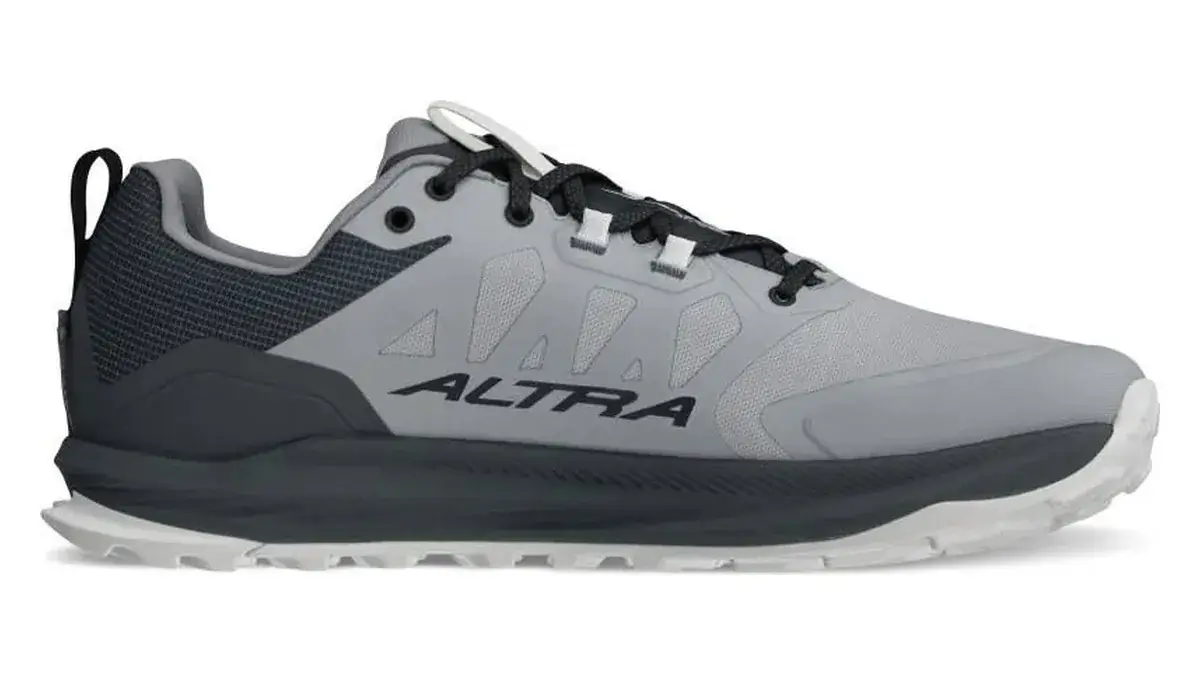
Quick Answer: The Altra Lone Peak 9 Waterproof is a strong choice if you want a roomy toe box, waterproof protection and a low, trail-connected feel for hiking and outdoor walking. It is especially appealing if narrow hiking shoes squeeze your toes or you already like Altra’s zero-drop platform. The main compromises are warmth, a flatter feel than conventional hiking shoes and only moderate cushioning. It comes in Low and Mid versions, with the Low better for most day hikers and the Mid adding more ankle coverage. See who should buy it.
The Lone Peak 9 Waterproof is for a fairly specific kind of buyer. It takes the roomy, flat feel Altra is known for and adds waterproofing for wet trails, muddy paths and rainy-weather hiking. That combination can be excellent if conventional hiking shoes feel cramped or overly stiff.
It is not the obvious choice if you want plush cushioning, a raised heel or maximum breathability. Those trade-offs matter more than most of the technical details. The useful question is not whether the Lone Peak 9 Waterproof is a good shoe in general. It is whether its roomy fit, zero-drop platform and waterproof upper match the way you actually walk and hike.
Who should buy the Lone Peak 9 Waterproof?
The strongest reason to buy either version is fit. Altra’s Original FootShape design gives your toes more room than a conventional tapered hiking shoe. If your little toes feel squeezed on long walks or your forefoot spreads as the day goes on, that extra space can be a real comfort advantage.
The waterproof versions also make sense for people who regularly deal with wet grass, muddy paths, puddles and rainy hiking conditions. You are paying for weather protection, so the shoe is most useful when wet ground is a normal part of your walking rather than an occasional inconvenience.
- Choose the Low if you want a lighter waterproof shoe for day hikes and mixed everyday use.
- Choose the Mid if you want more coverage around the ankle and lower leg.
- Choose either if you already know you like Altra’s flat, roomy fit.
- Choose it if narrow toe boxes are one of your main fit problems.
- Choose it for trails, gravel and mixed outdoor walking rather than mostly indoor or paved use.
If you are unsure whether you need a true wide size or simply a roomier toe box, read Do I Need Wide Shoes or Just a Wide Toe Box?.
Who should probably skip it?
The Lone Peak 9 Waterproof is not the safest blind recommendation for everyone. The biggest question is the 0 mm drop. If you are used to conventional hiking shoes with the heel raised above the forefoot, the Lone Peak will feel noticeably flatter. Some people love that. Others simply prefer more heel elevation.
You should also look elsewhere if you want very soft cushioning, hike mostly in hot and dry weather or prefer a narrow, snug forefoot. The waterproof membrane is useful in the rain, but it also makes the shoe warmer than the standard Lone Peak 9. And if almost all of your walking is on sidewalks, the trail outsole is more shoe than you need.
Better alternatives when the Lone Peak 9 Waterproof is wrong for you
These are not random competitors. Each one solves a specific reason you might skip the Lone Peak.
| Shoe (links go to full reviews) | Choose it instead when… | Check price |
|---|---|---|
| Topo Athletic Terraventure 5 | You want a roomy toe box but prefer a small 3 mm heel-to-toe drop instead of zero drop. | Check latest price |
| Hoka Anacapa 2 Low GTX | You want waterproofing with more heel elevation and a softer, more conventional hiking-shoe feel. | Check latest price |
| Salomon Quest 5 GTX | You want a more substantial backpacking boot for rougher terrain and a more traditional boot feel. | Check latest price |
| Altra Lone Peak 9 | You like the Lone Peak fit but do not need waterproofing and want something lighter and cooler. | Check latest price |
Still not sure which direction fits you? Use our free Shoe Finder to narrow your options by width, cushioning and activity.
How the Lone Peak 9 Waterproof fits
Altra calls this its Original FootShape fit. In plain English, the front of the shoe is rounded and roomy rather than sharply tapered. The goal is to give your toes space without turning the whole shoe into a loose bag around your foot.
That distinction matters. A roomy toe box is not the same thing as a wide shoe. If your toes are cramped but your heel and midfoot fit well, the regular version may give you enough room. If your whole forefoot is broad, use the wide version rather than buying a longer shoe just to create space.
Altra’s general sizing guidance says its running shoes are often about a half size larger than dress shoes, but your current athletic or hiking shoe is a better reference point. What matters most is downhill clearance: your longest toe should not hit the front when you walk down a slope. Our wide-feet guide can help if width is the real issue.
What zero drop means in everyday use
Zero drop means the heel and forefoot sit at the same height. Many traditional hiking shoes lift the heel above the toes, so the Lone Peak can feel noticeably flatter if you are coming from conventional footwear.
This is a design choice, not an automatic upgrade. Some walkers like the level platform and the way it keeps the shoe feeling close to the ground. Others prefer more heel elevation. The important point is to know what you are buying before you take it on a long hike.
If zero drop is new to you, start with shorter walks and see how the shoe feels before using it for an all-day outing. We would not choose the Lone Peak simply because zero drop sounds healthier or more natural; choose it because the fit and underfoot feel work for you.
How waterproofing changes the shoe
Both the Low and Mid use a Hydroguard waterproof membrane from Cosmo. That is the feature that separates these hikers from the standard Lone Peak 9. The membrane is there to keep rain, wet grass and shallow trail moisture from soaking straight through the upper.
The compromise is breathability. Waterproof footwear usually feels warmer than an open mesh trail shoe. If you hike through cool rain, spring mud or wet fall conditions, that trade can make sense. If your trails are mostly hot and dry, the regular Lone Peak 9 is likely to feel more comfortable.
Both waterproof versions also use a StoneGuard layer underfoot and Altra’s MaxTrac outsole. You do not need to memorize those names. The practical takeaway is that the shoe has added protection from trail debris and an outsole designed for mixed trail surfaces.
What is the difference between the Low and Mid?
Once you know the Lone Peak 9 Waterproof suits you, the next decision is Low or Mid. Altra uses the same basic platform in both versions: the same 25 mm stack, 0 mm drop, Hydroguard waterproof membrane, Altra EGO cushioning, MaxTrac outsole and Original FootShape fit. The Mid does not give you a softer ride or a different outsole. It mainly gives you a taller collar and more coverage.
| Feature | Waterproof Low | Waterproof Mid |
|---|---|---|
| Best for | Day hikes, wet trails, dog walks, travel and everyday outdoor use | Longer hikes, rougher trails and people who want more coverage around the ankle |
| Height | Low-cut hiking shoe | Mid-height hiker with a molded heel collar |
| Men’s weight | 13.85 oz. | 15.95 oz. |
| Women’s weight | 11.3 oz. | 13.45 oz. |
| Heel-to-toe drop | 0 mm | 0 mm |
| Stack height | 25 mm | 25 mm |
| Waterproofing | Hydroguard | Hydroguard |
| Outsole | MaxTrac | MaxTrac |
| Check price | Low prices and sizes | Mid prices and sizes |
For most walkers and day hikers, the Low is the easier place to start. It weighs less, feels less boot-like and is easier to wear casually. The Mid makes more sense when the extra height is something you actually want, not simply because “more shoe” sounds more protective.
Gender-specific buy links: Men’s Low | Women’s Low | Men’s Mid | Women’s Mid.
Is the Lone Peak 9 Waterproof good for walking?
Yes, especially when your walks include dirt paths, gravel, park trails or wet grass. The roomy front and low platform can feel comfortable for long outdoor walks, and the waterproof upper is useful when the route is messy.
For everyday walking, the Low is the version I would choose first. It weighs less and is easier to wear casually. The Mid makes more sense only when you specifically value the taller collar.
For mostly paved walking, though, a road shoe will usually feel smoother and less bulky. If trails are only an occasional part of your week, compare the options in our best walking shoes guide. If dirt and gravel are the point, see our best trail walking shoes.
Do not confuse these with the Lone Peak 9 GTX and 9+ GTX
Altra’s current Lone Peak family is crowded enough to be confusing. The Waterproof Low and Mid on this page are hiking models that use Hydroguard and MaxTrac. Altra also sells Lone Peak 9 GTX trail-running versions that use Gore-Tex, and the Lone Peak 9+ GTX steps up to a Vibram Megagrip outsole.
If your priority is a hiking shoe with the familiar Lone Peak shape, the Waterproof Low or Mid makes sense. If you are primarily trail running and specifically want Gore-Tex, look at the GTX versions instead. The standard Lone Peak 9 remains the simplest choice for dry-weather trail use.
| Model | Best reason to choose it | Check price |
|---|---|---|
| Lone Peak 9 | You want the lightest, most breathable option for ordinary trail use. | Check latest price |
| Lone Peak 9 Waterproof Low | You want waterproofing without moving to a mid-height shoe. | Check latest price |
| Lone Peak 9 Waterproof Mid | You want the same waterproof hiking platform with more ankle coverage. | Check latest price |
| Lone Peak 9+ GTX | You want Gore-Tex and a Vibram Megagrip outsole for a trail-running setup. | Check latest price |
Altra also says the Waterproof Low and Mid received the American Podiatric Medical Association Seal of Acceptance. That means they were reviewed under APMA’s seal program; it does not mean they are a medical treatment or that they will suit every foot. See our guide to what the APMA Seal of Acceptance means.
Frequently asked questions about the Altra Lone Peak 9 Waterproof
They use the same 25 mm stack, 0 mm drop, Hydroguard waterproofing, Altra EGO midsole, MaxTrac outsole and Original FootShape fit. The Mid adds a higher molded collar and weighs more.
For most everyday walking and day hiking, the Low is lighter and easier to wear. Choose the Mid if you specifically want more coverage around the ankle.
No. The Waterproof Low and Mid use a Hydroguard waterproof membrane from Cosmo. Altra also sells separate Lone Peak 9 GTX models that use Gore-Tex.
Yes. Both the Low and Mid have a 0 mm heel-to-toe drop and a 25 mm stack height.
It uses Altra’s Original FootShape fit, which gives the toes more room than a tapered hiking shoe. The Lone Peak family is also offered in wide sizing.
The Mid has a higher molded collar and Altra markets it as the option with added ankle support. The practical difference is more coverage and a more boot-like feel, not a guarantee against ankle injuries.
Usually not as a first choice. The waterproof membrane makes the shoe warmer and less breathable than the standard Lone Peak 9, so the non-waterproof version is often a better choice for hot, dry conditions.