Quick Answer: Apex Ambulator Lace Walker Review: The Apex Ambulator Lace Walker is a leather, extra-depth walking shoe built for people with diabetes, neuropathy, arthritis or bunions who need room, protection and space for custom orthotics. Its removable layered footbed, firm heel counter and high, wide toe box are the main draws, and it comes in widths up to extra wide. It is a comfort and safety shoe first, so expect a heavier, more clinical look than a modern sneaker.
Serious room and protection for sensitive feet in a heavy, clinical-looking shoe
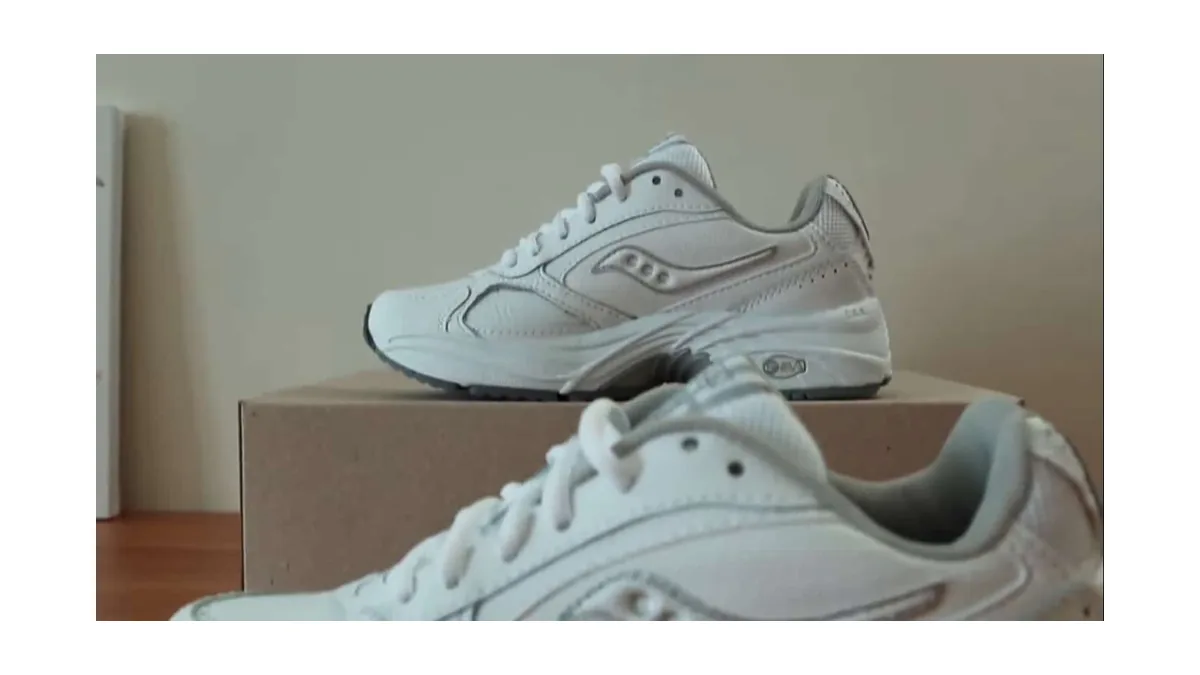
The Apex Ambulator Lace Walker is the lace-up walking shoe in Apex’s Ambulator line, the family of therapeutic shoes the company has built for people with diabetes and other foot health problems for close to five decades. Apex sells it on its own site as the Men’s Active Lace Walking Shoe in the Biomechanical range, and most retailers list it simply as the Ambulator Active Walker Lace. Whatever the label, it is the same shoe: a full grain leather upper on a firm polyurethane sole with a footbed you can peel back layer by layer to make space for your own insert.
Within the Apex range it sits between the lighter mesh athletic shoes on the company’s A-Last and X-Last shapes and the dressier casual styles. It is the workhorse: the model a podiatrist is most likely to have in mind when they tell you to buy an “extra-depth walking shoe.” It is for the person whose feet are numb, swollen, bony or scarred and who needs a shoe that will not rub anywhere, rather than for the person shopping on looks or weight.
If you are comparing therapeutic shoes with more conventional options, start with our best walking shoes guide. If you are unsure how much support or width you need, try the Free Shoe Finder.
Specs
Here are the specifications for the Apex Ambulator Lace Walker:
| Type | Extra-depth therapeutic walking shoe (lace-up) |
| Best for | Diabetic, arthritic, swollen or orthotic-dependent feet; all-day walking and standing |
| Upper | Full grain leather with a padded collar |
| Lining | Moisture-wicking polyester mesh with an antimicrobial treatment and no exposed seams |
| Footbed | Removable, about half an inch of hidden depth in three layers (Apex Conform Foam and EVA) |
| Midsole and outsole | One-piece polyurethane unit with a reinforced shank |
| Heel | Firm external heel counter |
| Toe box | High and wide |
| Widths | Medium (D), Wide (2E), Extra Wide (4E) |
| Sizes | Men’s 6.5 to 16 on apexfoot.com |
| Weight | Not published by Apex |
| Heel-to-toe drop | Not published by Apex |
| Insurance | Apex states its shoes qualify for Medicare’s therapeutic shoe program (A5500 code) with a prescription |
| Price | Apex lists the Biomechanical Active Lace Walker at a $164.95 MSRP and $123.71 sale price as of Oct. 2, 2026; pricing can change. Check latest price |
Pros
These are the strengths that matter most to the people this shoe is built for:
- About half an inch of removable depth in three layers, so a custom orthotic or a bulky diabetic insole fits without forcing your foot up against the top of the shoe.
- A high, wide toe box and a seam-free lining, which is the combination that stops hammertoes, bunions and numb toes from rubbing raw.
- Three widths up to 4E and sizes up to 16, so hard-to-fit feet can usually be matched properly.
- A firm heel counter and a reinforced shank keep the rear of the foot steady and stop the shoe twisting under a tired or unstable gait.
- Real leather and a polyurethane sole, which outlast the mesh and foam of a typical sneaker.
Cons
These are the trade-offs to accept before you buy:
- It is a heavy, stiff shoe by modern standards, and Apex does not publish a weight, so you cannot compare it on paper with a lightweight walker.
- The look is unmistakably orthopedic. If you want a therapeutic shoe that passes as a normal sneaker, this is not it.
- Leather and a firm sole need a break-in period, which matters more when your feet cannot feel a hot spot developing.
- The price is high for a shoe with no modern cushioning foam, unless insurance covers part of it.
What is new compared with the previous Ambulator
Apex does not update the Ambulator on a yearly cycle the way a running brand refreshes a running shoe, so there is no “version 2” to compare against. What the company has done over time is fold the Ambulator into its Biomechanical range, which is why the current shoe carries that word on the box. The changes worth knowing about are the footbed and the sole. The footbed is now a stack of three removable layers rather than a single insole, which lets you take out exactly as much as your orthotic needs and no more. The sole is a single molded polyurethane unit with a reinforced shank, chosen for stability and wear rather than bounce.
If you already own an older pair of Ambulators, the fit philosophy is unchanged: a high, wide toe box, a snug heel and a lining with no seams where your skin can catch. The safe assumption is that a new pair will fit the same width you wore before, but because Apex does not publish the changes in detail, we suggest trying the new pair indoors first rather than assuming.
Who should buy the Apex Ambulator Lace Walker
Buy this shoe if a doctor or podiatrist has told you that you need extra-depth footwear, or if you already know from experience that ordinary shoes rub, pinch or leave marks on your feet. That covers most people with diabetes who have lost some feeling in their feet, people with arthritis in the toes, people with bunions or hammertoes that catch on normal uppers and anyone who wears a custom orthotic that never seems to fit in a regular sneaker.
It also suits people who stand for long hours on hard floors and want something firm under the arch rather than a soft foam that collapses by mid-afternoon. The lace-up closure lets you loosen the shoe as your feet swell through the day, which is a real advantage over a slip-on. And if you are going through Medicare’s therapeutic shoe program, Apex is one of the brands most suppliers can order, which makes the paperwork simpler.
Who should probably skip it
Skip the Ambulator if your feet are healthy and you simply want a comfortable walking shoe. You would be paying for medical features you do not need and carrying extra weight for no reward. It is also the wrong choice if you want a shoe that looks like a normal sneaker, if you prefer soft, springy cushioning under the heel or if you plan to jog in it. The polyurethane sole is built for stability and longevity, not for absorbing running impact.
Here are three shoes that suit those readers better:
- Skechers Arch Fit 2.0: a light, affordable everyday walker with a shaped arch insole that gives ordinary feet plenty of support without the orthopedic look (check price | read review)
- Skechers GO WALK 8: the pick for easy days, errands and travel, with soft cushioning and a hands-free option, for feet that do not need structure (check price | read review)
- Hoka Bondi SR: a wipe-clean leather work shoe on deep, soft cushioning for people who stand all day on hard floors but do not need diabetic features (check price | read review)
How does the Apex Ambulator Lace Walker fit?
Fit is the whole point of this shoe, so it is worth getting right. The Ambulator is built on a roomy last, the foot-shaped form a shoe is made around, with more height over the toes than almost any ordinary sneaker. Most people should order their usual length and then choose the width that matches the widest part of their foot, not the width they are used to squeezing into.
Fit and sizing
Apex offers the shoe in medium, wide and extra wide, which in shoe-industry letters is D, 2E and 4E. The extra depth means you can also tune the fit vertically: leave all three footbed layers in for a snug, shallow feel, or remove one or two to make room for a thick orthotic or a swollen foot. If you are between widths, the general advice for diabetic feet is to go up rather than down, because a shoe that is slightly loose can be laced snug while a shoe that is slightly tight will rub. Apex sells the Biomechanical lace walker in men’s sizing from 6.5 to 16. Women get the equivalent lace walking shoe on the company’s X-Last and V-Last shapes rather than this exact model.
Upper and step-in comfort
The upper is full grain leather, which feels stiff on the first few wears and then gradually softens and molds to your foot. Inside, the polyester mesh lining is smooth with no raised seams, and Apex treats it to resist odor and wick sweat. The collar is padded so the top edge does not dig into the ankle. Step-in comfort is fair rather than plush: the footbed is supportive and slightly cushioned, but it is not the pillowy first step you get from a modern foam sneaker. If your feet are numb, plan to check them after each of the first several wears for any red marks, since you may not feel a pressure point until it has already formed.
How does the Apex Ambulator Lace Walker perform?
Think of the Ambulator as a platform for your feet rather than a piece of athletic equipment. Its job is to hold the foot steady, spread pressure evenly and keep anything from rubbing. Judged on that job it does well. Judged as a sneaker it feels firm, heavy and a little flat.
Cushioning and ride
Cushioning comes from the layered footbed rather than the sole. Polyurethane is denser than the EVA foam in most walking shoes, so the base feels solid and the softness you notice is the top layer of foam under your foot. That is deliberate: a firm base spreads your weight across the whole sole instead of letting the heel sink into one spot, which is what you want if you have a numb or ulcer-prone foot. The ride is flat and even with only a gentle curve at the toe, so the shoe does not roll you forward the way a rocker-soled shoe does. Walks feel steady and unhurried.
Ride and everyday performance
For errands, work shifts, physical therapy appointments and neighborhood walks the Ambulator does exactly what is asked. It is not a shoe for brisk fitness walking or jogging. The weight and stiffness that make it secure also make it slow to flex, and there is no spring in the sole to help you push off. If your doctor has cleared you for exercise and you want a therapeutic shoe you can move faster in, Apex’s mesh athletic styles are the better fit for that job.
Stability and support
We would classify the Ambulator as a stable, structured shoe rather than a motion-control shoe. It does not have a medial post, the firmer wedge under the arch that stability running shoes use to slow inward rolling, and it does not claim to change how you walk. Its support comes from three things working together: a firm heel counter that cups the back of the foot, a reinforced shank through the middle of the sole that stops the shoe twisting and a wide, flat base that resists tipping. For an unsteady walker, an older person or someone with an arthritic ankle, that combination feels reassuring. Apex also states that the insole and sole are designed to accept a doctor-made orthotic, which is where any correction of your gait should come from, not the shoe itself.
Outsole, grip and durability
The polyurethane outsole grips well on dry indoor floors, sidewalks and store aisles, which is where this shoe will spend its life. Apex does not make a slip-resistance claim for it, so do not treat it as a certified non-slip shoe for wet kitchens or hospital floors. Durability is a genuine strength. Polyurethane wears far more slowly than the blown rubber on a sneaker, and full grain leather can be cleaned and conditioned for years. The usual rule that a walking shoe is done after a few hundred miles is only a rough guide here; the more likely reason to replace an Ambulator is that the footbed has packed down, and that piece can be replaced on its own.
Is the Apex Ambulator Lace Walker good for walking?
Yes, for the kind of walking it is designed for. This is a shoe for daily living: walking the dog, working a shift, getting around an airport or a hospital and standing at a counter. On those jobs the firm base, wide platform and roomy toe box keep feet comfortable for hours, and the leather upper protects against knocks that a mesh shoe would let through. It is less suited to long fitness walks at a brisk pace, where its weight and stiff flex become tiring, and it is not the shoe for treadmill workouts. If you walk mainly for exercise and your feet do not need protecting, a lighter cushioned walker will feel better. If you walk because life requires it and your feet need looking after, this is one of the more sensible shoes you can put on.
Standing all day and hard floors
The Ambulator is a good standing shoe for the same reasons it is a good walking shoe. The firm polyurethane base does not compress and go dead the way soft foam can by the end of an eight-hour shift, and the reinforced shank supports the arch so the foot does not flatten out under fatigue. The laces let you back off the pressure when your feet swell in the afternoon. What it lacks is the deep, springy cushioning that makes a shoe like a maximalist sneaker feel so good in the first hour on concrete. If your problem is sore feet on hard floors rather than a medical condition, a cushioned work shoe may feel nicer. If your problem is that your feet cannot afford a blister, the Ambulator’s protection matters more than plushness.
Diabetes, neuropathy and orthotics
This is the shoe’s home ground, and it is worth being precise about what it can and cannot do. An extra-depth shoe does not treat diabetes or neuropathy. What it may do is lower the chance of the rubbing and pressure points that turn into sores on a foot that cannot feel them. The seamless lining, the high toe box and the removable depth are the features that matter for that, and the Ambulator has all three. Apex states that its shoes qualify for the Medicare therapeutic shoe benefit under the A5500 code; whether you qualify depends on your diagnosis, a prescription from your doctor and buying through an approved supplier, so ask before you assume coverage. If you have an ulcer, a Charcot foot or a recent amputation, a custom-made shoe from a pedorthist is a different category, and you should be guided by your care team rather than a review. Persistent pain, redness or swelling always warrants a professional check.
Apex Ambulator Lace Walker vs. Ambulator Strap Walker
Apex sells the same Biomechanical walker with hook-and-loop straps instead of laces, and the choice between the two comes down to hands, not feet. Here is how they compare:
| Feature | Ambulator Lace Walker | Ambulator Strap Walker |
|---|---|---|
| Closure | Laces | Two hook-and-loop straps |
| Upper and sole | Full grain leather, polyurethane unit | Full grain leather, polyurethane unit |
| Footbed | Three removable layers | Three removable layers |
| Widths | D, 2E, 4E | D, 2E, 4E |
| Fit adjustment | Fine, along the whole instep | Quick, in two spots |
| Price | $164.95 on apexfoot.com, September 2026 | Not confirmed |
Buy the lace version when you want the most even, adjustable hold across the top of the foot, when your feet swell unevenly through the day or when you plan to walk any real distance. Buy the strap version when arthritis in your hands, a bad back or limited reach makes laces a struggle, or when a caregiver will be helping you put shoes on. Both hold the foot the same way underneath.
Apex Ambulator Lace Walker Alternatives
The Propet Stability Walker is the closest rival and the one to cross-shop first. It is also a leather, Medicare-eligible walking shoe with a removable footbed, and it comes in five widths rather than three. Its lower cost makes it the value pick if you do not need the Ambulator’s full half inch of depth (check price | read review).
For someone whose main problem is a foot that rolls inward rather than a foot that needs protecting, the Brooks Addiction Walker 2 is the better tool. It is a leather motion-control walker with a firm support wedge and a slip-resistant sole, and it is the stronger choice for long work shifts on wet floors (check price | read review).
The Orthofeet Edgewater Stretch takes the opposite approach to the same problem. Instead of stiff leather it uses a stretchy knit upper that gives way over bunions and hammertoes, and it is lighter and softer underfoot. Choose it when the Ambulator’s weight and break-in put you off and your feet need accommodating more than armoring (check price).
The Dr. Comfort Ranger is another extra-depth, Medicare-coded walker worth a look if your supplier stocks that brand instead (check price).
Price and value
Apex lists the Ambulator Lace Walker at $164.95 on its own site as of September 2026, and it does not publish a launch date because the model is a standing part of the range rather than a seasonal release. That is a lot of money for a shoe with no modern foam and a plain look, and against a general walking shoe it is poor value. Against the correct comparison, which is other extra-depth therapeutic shoes, it is mid-priced, and the leather and polyurethane construction should outlast two or three pairs of sneakers. Medicare’s therapeutic shoe benefit or a flexible spending account may lower the real cost considerably.
Final verdict
Best for: People with diabetes, neuropathy, arthritis, bunions or hammertoes who need a protective, extra-depth walking shoe that accepts custom orthotics.
Avoid if: Your feet are healthy and you want a light, springy walker, or you want a therapeutic shoe that looks like an ordinary sneaker.
Fit: Order your usual length and pick the width that matches the widest part of your foot; three widths to 4E and sizes to 16 are available, and the footbed layers let you fine-tune the depth.
Verdict: The Apex Ambulator Lace Walker is not a stylish shoe or a light one, and it makes no attempt to be. It is a well-made, properly roomy, medically sensible walking shoe that does the unglamorous job of keeping vulnerable feet safe, and for the reader it is built for, that is the only job that matters.
Frequently Asked Questions for Apex Ambulator Lace Walker
Yes. Apex lists the shoe on its own website as the Men’s Active Lace Walking Shoe in its Biomechanical range, while Amazon and most medical supply retailers call it the Ambulator Active Walker Lace or simply the Ambulator Lace Walker. They are the same model.
Apex states that its shoes carry the A5500 code used by Medicare’s therapeutic shoe program. Coverage still depends on a qualifying diagnosis, a prescription from the doctor managing your diabetes and buying through an approved supplier, so confirm eligibility with your doctor and supplier before ordering.
Yes. The footbed is made of three removable layers giving about half an inch of hidden depth, so you can take out one, two or all three layers to make room for a custom orthotic or a thick diabetic insole without the shoe becoming tight over the top of the foot.
Apex sells the Biomechanical lace walker reviewed here in men’s sizes from 6.5 to 16. For women, Apex offers equivalent lace walking shoes on its X-Last and V-Last shapes with the same extra-depth footbed idea, so women should look at those models rather than sizing down in the men’s shoe.
Apex does not make a certified slip-resistance claim for the Ambulator. The polyurethane sole grips well on dry floors and sidewalks, but if you need a shoe rated for wet or greasy floors, look for a model that is specifically sold as slip resistant.
The full grain leather upper and firm polyurethane sole feel stiff at first and soften gradually over the first week or two of wear. Because many buyers have reduced feeling in their feet, it is wise to wear the shoe for short periods at home first and check the skin for red marks after each wear until it has molded to your foot.
The men’s Biomechanical Lace Walker is offered in medium D, wide 2E and extra-wide 4E widths. Apex also builds extra depth into the shoe so the layered footbed can be removed to make room for orthotics.