Last Updated on October 1, 2026
Quick Answer: The Brooks Ghost 18 is our best overall running shoe for older runners because it combines balanced cushioning, a secure fit and enough versatility for daily runs, run-walk sessions and walking. Choose the Asics Gel-Kayano 33 if you also need stability, the Hoka Bondi 9 for maximum cushioning, the New Balance 1080v15 for soft cushioning with more width choices, the Brooks Launch 12 if you want something lighter, the Saucony Triumph 23 for long runs and the Hoka Speedgoat 7 for trails. Age alone does not determine the right shoe; fit, gait and training matter more.
Running shoes do not suddenly become a different category when you turn 50, 60 or 70. Plenty of older runners still want the same things they wanted years ago: a shoe that fits properly, feels good at their pace and suits the way they train. What often changes is the list of priorities. Cushioning may matter more. Width or swelling may become a bigger fit issue. A secure heel can become more noticeable. Recovery days may outnumber speed days.
That is how we approached this guide. We did not simply choose the softest or most supportive shoes we could find. Instead, we picked current models for different needs: neutral daily running, stability, maximum cushioning, wider feet, lighter training, long-distance running and trail running. If you already know what type of shoe works for you, age is not a reason to abandon it.
Best running shoes for older runners at a glance
Shoe | Best for | Why it stands out | Check price |
|---|---|---|---|
Best overall | Balanced cushioning, secure fit, daily versatility | ||
Stability | Plush cushioning with adaptive guidance | ||
Maximum cushioning | Thick cushioning and broad platform | ||
Soft cushioning and widths | Extra-soft neutral ride, narrow through extra-wide options | ||
Lighter daily running | Responsive feel without a bulky platform | ||
Long runs | Deep cushioning with a relatively light build | ||
Trail running | Vibram grip, 5 mm lugs and responsive trail cushioning |
Brooks Ghost 18: Best overall
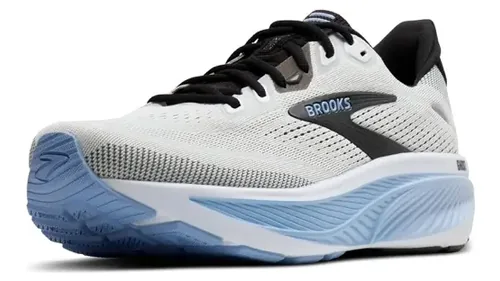
The Ghost 18 is the easiest shoe to recommend if you simply want a dependable daily trainer. Brooks positions it for road running, daily runs and walking, with balanced cushioning rather than an ultra-soft or highly corrective feel. The 10 mm drop is conventional enough that most runners coming from traditional running shoes will not face a major geometry change.
For older runners, the advantage is versatility rather than some special age-related technology. The heel feels secure, the cushioning is substantial without turning the shoe into a tall max-cushion platform, and Brooks offers multiple widths. That makes it a sensible choice if your feet have become harder to fit over time or you want one shoe for running, walking and everyday use.
Choose the Ghost 18 if you want a neutral daily trainer that does not demand much adaptation. Skip it if you want very soft max cushioning, a light speed shoe or a dedicated stability system. Read our full Brooks Ghost 18 review.
Asics Gel-Kayano 33: Best if you need stability
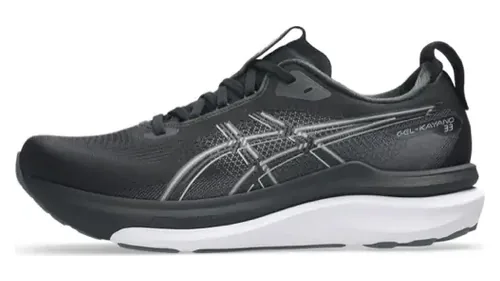
The Gel-Kayano 33 belongs here for runners who already know they benefit from a stability shoe. Asics introduced FLUIDSUPPORT with this version, replacing the old idea of a hard medial post with a more adaptive guidance system. The result is a plush stability trainer that feels less intrusive than older support shoes.
Do not choose the Kayano simply because you are older. Age does not automatically mean overpronation, collapsed arches or a need for motion control. If neutral shoes have always worked well for you, the Ghost, Bondi, 1080 or Triumph is the more straightforward place to start. The Kayano makes sense when you know you like extra guidance, feel more secure in a stability platform or have been advised to use one.
Choose the Gel-Kayano 33 if you want cushioning and support together for daily running or walking. Skip it if you prefer a lighter neutral shoe or dislike guided stability. Read our full Asics Gel-Kayano 33 review.
Hoka Bondi 9: Best for maximum cushioning
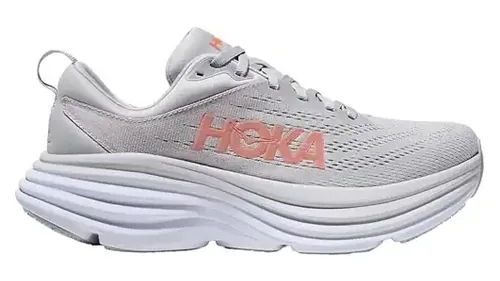
The Bondi 9 is the shoe to consider when cushioning has become your top priority. Hoka builds it for everyday running, walking and recovery, and the thick foam platform gives it a noticeably softer, more protective feel than a traditional daily trainer. The base is broad enough that the shoe does not feel as precarious as its height might suggest.
This can be useful if harder shoes leave your feet feeling beaten up after easy runs or if you mix running with a lot of walking. The rocker shape also gives the shoe a smooth forward roll, which some runners enjoy when they are no longer chasing fast turnover on every run. The trade-off is bulk: the Bondi is not the shoe I would choose for intervals, sharp turns or anyone who wants a lot of ground feel.
Choose the Bondi 9 for easy runs, recovery days and run-walk training when comfort matters more than speed. Skip it if you prefer a lower, lighter or more flexible shoe. Read our full Hoka Bondi 9 review.
New Balance 1080v15: Best for soft cushioning and width choices
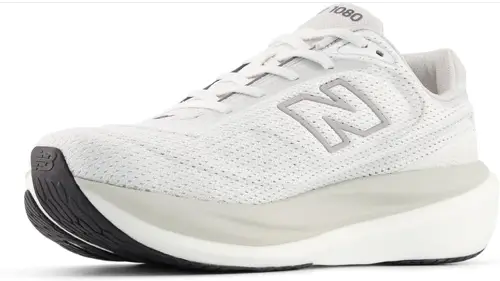
The 1080v15 is a good choice when fit has become just as important as cushioning. New Balance offers the women’s model from narrow through extra-wide, and the line is known for giving buyers more width choices than many premium trainers. That matters if your feet have changed over time, if the forefoot has widened or if you simply need more room without buying a longer shoe.
The current version uses New Balance’s Infinion foam and a 6 mm drop. New Balance classifies it as an extra-soft neutral shoe for everyday and long runs. That gives it a different feel from the firmer Ghost and the more structured Kayano. It works best for runners who like soft cushioning but do not need a dedicated stability system.
Choose the 1080v15 if you want a plush neutral trainer and appreciate real width options. Skip it if soft foam feels unstable to you or you prefer a firmer, more connected ride. Read our full New Balance 1080v15 review.
Brooks Launch 12: Best lighter option
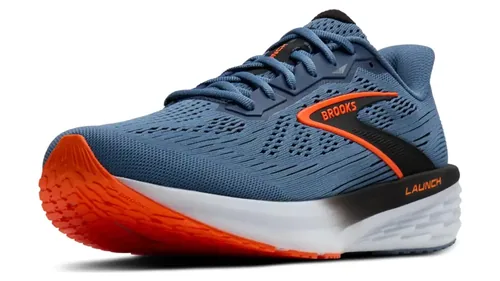
Not every older runner wants a thick stack of foam. The Launch 12 is here for runners who still prefer a lighter, quicker daily shoe. Brooks lists it for everyday runs, faster runs and gym workouts, with responsive cushioning, an 8 mm drop and a lighter build than the Ghost or Glycerin.
That makes the Launch useful if you want one shoe for short daily runs, strides, treadmill work or the occasional faster session without moving into a plated racing shoe. The trade-off is that there is less cushioning underfoot than in the other road shoes on this list. If your feet feel better with a deeper, softer platform, the Ghost, 1080 or Bondi will be more comfortable.
Choose the Launch 12 if you value light weight and responsiveness more than maximum softness. Skip it if cushioning has become your main priority or you need a broad range of widths. Read our full Brooks Launch 12 review.
Saucony Triumph 23: Best for long runs
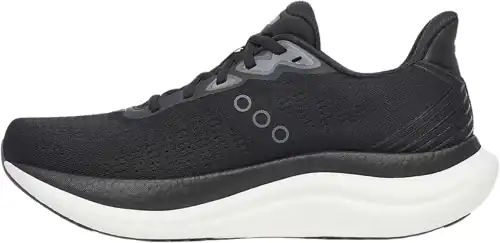
The Triumph 23 is a useful option if your weekly running still includes longer road miles. Saucony describes it as a neutral shoe for daily runs, long distances and recovery, with deep cushioning and a 10 mm drop. What makes it interesting is that it delivers substantial cushioning without becoming one of the heaviest shoes in this guide.
That balance works well for runners who want protection over time but still prefer a conventional running-shoe feel. The higher drop may also feel familiar if you have spent years in traditional trainers. There is no need to switch to a low-drop shoe simply because it is fashionable; if a 10 mm drop has always felt comfortable, the Triumph is a sensible modern option.
Choose the Triumph 23 for long easy runs, recovery miles and runners who like deep cushioning without a very tall max-cushion platform. Skip it if you want a stability shoe or a lighter speed-focused trainer. See our Saucony running shoe guide for the current lineup.
Hoka Speedgoat 7: Best for trails
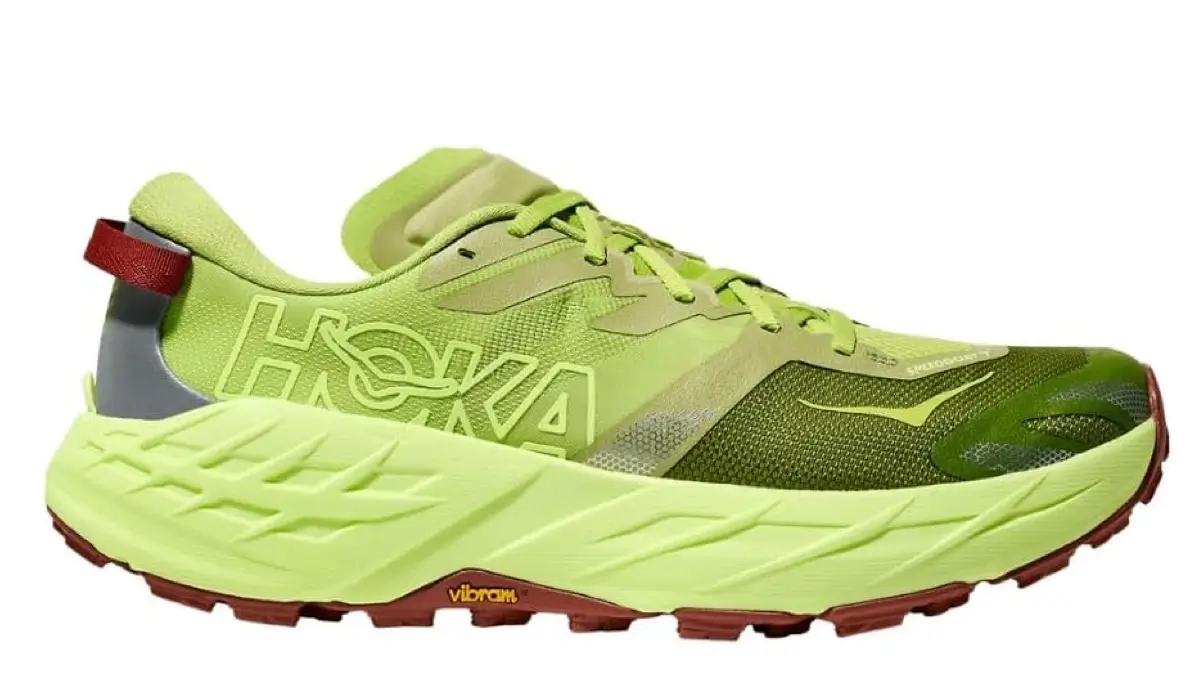
The Speedgoat 7 is the trail choice for runners who want substantial traction without giving up cushioning. Hoka uses Vibram Megagrip with Traction Lugs and 5 mm lugs, plus a 5 mm heel-to-toe drop. The current version also adds a more responsive supercritical foam midsole and gaiter integration for debris protection.
For older trail runners, the appeal is not that the shoe is “safer” because of age. It is that traction, fit and underfoot protection matter on uneven ground at any age. If you have become less willing to tolerate a slippery outsole or thin rock protection, the Speedgoat gives you a more serious trail setup than a road shoe pressed into off-road duty.
Choose the Speedgoat 7 for technical trails, loose surfaces and mixed terrain. Skip it if most of your running is on pavement or smooth gravel, where the aggressive outsole is unnecessary. Compare it with the other current options in our best trail running shoes guide.
What matters more as your running changes with age?
Age itself does not tell you whether you need a neutral shoe, stability shoe, high drop or maximum cushioning. Your current comfort, training volume, gait and foot shape are better guides. But runners often notice new priorities over time, and those changes are worth paying attention to instead of automatically buying the same model forever.
Fit may become more important. Feet can change in width and volume over the years. If your old size suddenly feels tight, measure both feet again and pay attention to width rather than simply adding length. A secure heel with enough forefoot room is usually a better solution than an oversized shoe.
Cushioning preference can change. Some runners become more comfortable in softer or deeper midsoles. Others still prefer a lower, firmer shoe. The right answer is the one that lets you run comfortably and consistently. More foam is not automatically better.
Stability should be need-based. Do not move into a stability shoe simply because you are older. Choose one if you overpronate, feel more comfortable with guidance or have been advised to use that type of shoe. Otherwise, a neutral trainer is usually the simpler choice.
Traction deserves more attention. Worn rubber, slick roads and loose trails matter. Replace a shoe when the outsole is too worn for your normal surfaces, even if the upper still looks good. Trail runners should choose trail outsoles rather than relying on a road shoe with limited grip.
If you are returning to running after a long break, changing shoe geometry or increasing mileage, build up gradually. A shoe can improve comfort, but it cannot replace sensible training progression. If pain is persistent or changes your gait, get it assessed rather than trying to solve it only with footwear.
Not sure which feature matters most? Use our free Shoe Finder, or compare our broader guides to the best running shoes, best cushioned running shoes and best stability running shoes.
Frequently asked questions about running shoes for older runners
Not automatically. Some runners prefer more cushioning as they age, while others remain comfortable in firmer or lower shoes. Choose the amount of cushioning that feels comfortable and stable for your current training.
Only if they benefit from added guidance or stability. Age alone is not a reason to move from a neutral shoe to a stability model.
There is no single best shoe based only on age. The Brooks Ghost 18 is our best general-purpose pick, but the right choice depends on fit, cushioning preference, gait, width and where you run.
Not necessarily. If a traditional 8 to 10 mm drop feels comfortable, there is no need to change. Lower-drop shoes can also work well, but switching suddenly may require an adjustment period.
Measure both feet again and choose a shoe offered in the width you need. New Balance and Brooks both offer several current running shoes in multiple widths. Do not solve a width problem by automatically buying a longer shoe.
They can be more comfortable for some runners, especially on easy or recovery days, but they are not automatically better. Max-cushion shoes are taller and can feel bulky to runners who prefer a lighter or more connected ride.
Yes. Many daily trainers work well for both. The Ghost 18, Bondi 9 and 1080v15 are reasonable crossover choices if you want one shoe for running, walking and everyday mileage.