Last Updated on October 20, 2026
| Quick Answer: Best Shoes for Standing or Walking on Concrete All Day The best shoes for long hours on concrete combine stable cushioning, a secure heel and midfoot, enough forefoot room and a durable outsole. Walking creates repeated impact, while standing keeps pressure on the feet for longer stretches, so very soft cushioning is not always the best choice. Our top picks include the Hoka Bondi 9, Brooks Ghost 18, New Balance Fresh Foam X More v6 and Asics Gel-Kayano 33. If your job requires slip resistance, safety toes or other protective features, choose work-rated footwear instead. Compare the shoes. |
Concrete is hard and unforgiving, whether you spend the day walking across it or standing in one place. Walking adds repeated impact; standing creates sustained pressure. In both cases, the goal is cushioning that protects without making you feel unstable, plus a secure fit and enough room for your feet as the hours pass.
This guide focuses on the surface itself: concrete and other hard floors. If standing is your main concern regardless of surface, see our best shoes for standing all day. If your job has specific footwear rules, start with the Best Work Shoes hub because safety requirements come before cushioning preferences.
Best Shoes for Walking on Concrete All Day: Quick Picks
| Shoe | Best for | Why it works | Watch out for | Launch Price |
|---|---|---|---|---|
| Hoka Bondi 9 | Maximum cushioning | Protective cushioning and a broad, supportive platform | Bulkier than lighter daily shoes | $175 | Check latest price |
| Brooks Ghost 18 | Best overall daily comfort | Balanced cushioning, secure fit and smooth transitions | Not a work-specific slip-resistant shoe | $150 | Check latest price |
| New Balance Fresh Foam X More v6 | Broad plush platform | Highly cushioned Fresh Foam X platform for walking and all-day wear | May feel too soft for people who prefer a firmer ride | $159.99 | Check latest price |
| Asics Gel-Kayano 33 | Stability support | Structured cushioning for walkers who prefer added guidance | More structured than a neutral shoe | $170 | Check latest price |
| Brooks Glycerin 23 | Soft neutral comfort | Plush cushioning with a wide, steady platform | Less guidance than a stability shoe | $175 | Check latest price |
| Topo Phantom 4 | Roomy toe box | Anatomical toe box with high cushioning and a secure midfoot | 5 mm drop may feel different from conventional trainers | $150 | Check latest price |
| Hoka Clifton 11 | Lighter cushioning | Cushioned daily shoe that weighs less than the Bondi | Less protective than a max-cushion option | $155 | Check latest price |
What matters most when standing or walking on concrete all day?
Concrete does not give much underfoot, so the best shoe needs to protect you without becoming unstable. Walking creates repeated impact, while standing creates sustained pressure. If you do both during a long shift, prioritize these features in roughly this order:
- Stable cushioning: Enough foam to soften hard floors, but not so soft that your feet wobble or sink.
- Heel protection and secure fit: A cushioned heel and firm rearfoot hold help with impact while limiting rubbing and heel slip.
- Forefoot width and toe room: Feet can swell during long days. Your toes should not feel squeezed at the start of a shift.
- Arch comfort: Support should feel natural rather than pushing aggressively into the arch. More support is not automatically better.
- Outsole traction: Durable rubber matters on abrasive concrete. If floors are wet, oily or polished, use footwear designed for the required level of slip resistance.
- Weight: Heavy shoes can become tiring if you walk several miles during a shift, although protective work footwear may need extra weight for safety features.
Do you need an athletic shoe or work-rated footwear?
| Running or walking shoe | Work-rated footwear |
|---|---|
| Best when comfort, cushioning, fit and low weight are the main needs and your employer does not require protective features. | Choose when your workplace requires slip resistance, a safety toe, electrical-hazard protection, waterproofing or other protective features. |
| Good fit for many school, office, retail and non-safety work settings. | Common in restaurant, warehouse, factory, construction, delivery and other jobs with specific hazards. |
| Do not assume an athletic outsole meets workplace slip-resistance rules. | Check the exact model and your employer’s requirements. Protective features vary by shoe. |
For wet or slippery workplaces, compare our best slip-resistant work shoes. If you need weather protection as well as jobsite features, see our best waterproof work boots. For safety-toe jobs, start with the best steel toe shoes guide.
Hoka Bondi 9
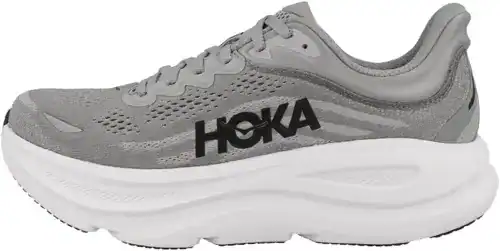
The Hoka Bondi 9 is one of the best shoes for walking on concrete if you want maximum cushioning. It has a thick, protective midsole and a supportive platform that can help soften the feel of hard floors during long shifts.
The Bondi is especially useful for people who walk or stand for hours on concrete, tile, retail floors, hospital floors, or warehouse floors. It is not the lightest shoe, but that extra cushioning is exactly why many people choose it for long days on hard surfaces.
Best for:
- Maximum cushioning on concrete
- Long work shifts
- Retail, healthcare, and warehouse floors
- Heel fatigue
- People who want a plush but supportive feel
Watch out for:
- Bulkier feel than lighter walking shoes
- Higher stack height
- Premium price
- Not ideal if you prefer a low-profile shoe
Amazon Link: Check latest price
Official specs: Hoka Bondi 9
Brooks Ghost 18
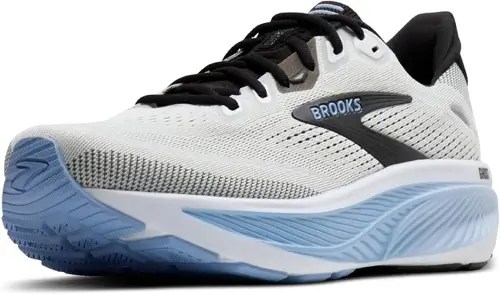
The Brooks Ghost line is a strong choice for people who want balanced comfort rather than extreme cushioning. The Ghost 17 remains a good option if you can find it at a discount, while the newer Ghost 18 may be more available as 2026 inventory shifts.
For concrete, the Ghost works well because it combines cushioning, a comfortable fit, and smooth transitions without feeling overly bulky. It is a daily trainer, not a work-specific shoe, so it is best for dry indoor settings where you do not need a safety toe or slip-resistant certification.
Best for:
- Overall daily comfort
- Teachers, retail workers, and walkers
- People who want cushioning without a huge shoe
- Moderate concrete walking
- Neutral feet
Watch out for:
- Not a true work shoe
- May not be protective enough for very heavy concrete use
- Some people may need wide sizing
- Not ideal for wet or oily floors unless outsole grip is suitable for your workplace
Amazon Buy Link: Check latest price
Official specs: Brooks Ghost
New Balance Fresh Foam X More v6
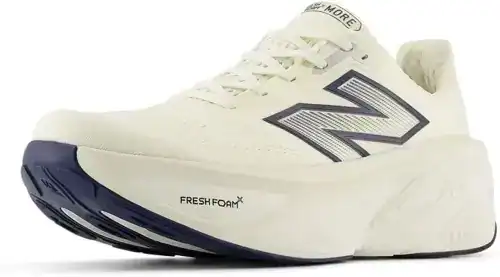
The New Balance Fresh Foam X More v6 is a plush, high-cushion option for people who want a soft platform underfoot. It can work well for walking on concrete because it offers a lot of foam between your foot and the floor.
New Balance is also useful for many walkers because several models come in multiple widths. That matters if your feet swell during the day or if standard-width shoes feel tight across the forefoot.
Best for:
- Plush cushioning
- Long indoor walking
- Wide feet, depending on available sizing
- People who want a soft, broad platform
- Concrete floors where shock absorption matters
Watch out for:
- May feel too soft for some people
- Less ideal if you need strong stability
- Can feel bulky
- Check current model availability before publishing product links
Amazon Buy Link: Check latest price
Official specs: New Balance Fresh Foam X More v6
Asics Gel-Kayano 33
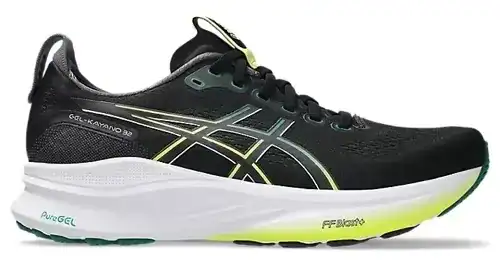
The Asics Gel-Kayano 33 is a strong choice for walkers who need more stability. If your feet roll inward, your arches fatigue, or you feel better in a more structured shoe, the Kayano is worth considering.
For concrete, the benefit is that it combines cushioning with support. That can make it a better choice than very soft neutral shoes for people who overpronate or feel unstable after hours on hard floors.
Best for:
- Stability support
- Overpronation
- Flat feet or tired arches
- Long walks on hard surfaces
- People who want structure and cushioning together
Watch out for:
- More expensive than basic walking shoes
- More structured than neutral shoes
- May feel like too much shoe for people who prefer flexibility
- Not a workplace safety shoe
Amazon Buy Link: Check latest price
Official specs: Asics Gel-Kayano 33
Brooks Glycerin 23
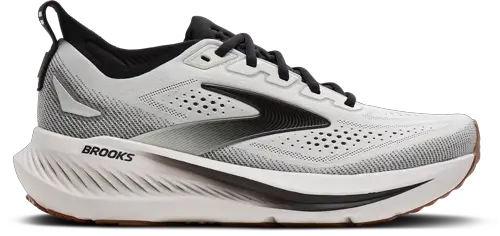
The Brooks Glycerin is a good option for people who like Brooks but want a softer feel than the Ghost. It is a cushioned neutral shoe that can work well for long days on concrete if you do not need extra stability.
This is a good choice for walkers who want comfort, cushioning, and a smooth feel without moving into a very bulky max-cushion shoe.
Best for:
- Soft neutral cushioning
- Walking and standing on hard floors
- Teachers, office workers, and retail workers
- People who like a plush daily trainer
- Neutral feet
Watch out for:
- Less stable than support-focused shoes
- May not be enough for severe overpronation
- Not designed as a slip-resistant work shoe
- Higher price than budget walking shoes
Amazon Buy Link: Check latest price
Official specs: Brooks Glycerin
Skechers Arch Fit 2.0

Skechers Arch Fit shoes are a practical option for people who want affordable comfort and built-in arch support. They are widely available and often come in walking, work, and casual styles.
For concrete, Skechers Arch Fit can be a good value choice if you want support without spending premium running-shoe prices. Just pay attention to the exact model, because cushioning, outsole durability, and work features can vary.
Best for:
- Budget-friendly arch support
- Daily walking
- Retail, errands, and light work use
- People who want accessible comfort
- Wide sizing in some models
Watch out for:
- Durability varies by model
- Some versions feel softer than supportive
- Not all models are work-appropriate
- Check whether the outsole is suitable for your workplace
Amazon Buy Link: Check latest price
Official specs: Skechers Arch Fit
Dansko Professional
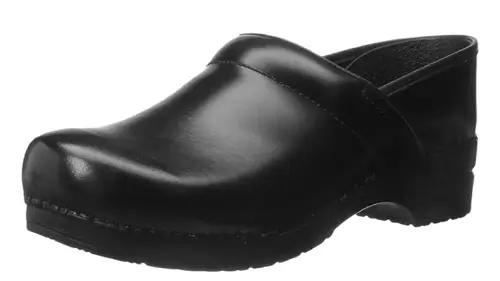
The Dansko Professional is a popular clog for healthcare, restaurant, salon, and service workers. It is not soft in the same way as a max-cushion running shoe. Instead, it offers a firmer, supportive feel that many people like for long hours on hard floors.
Dansko clogs are not for everyone. Some people love the firm support, while others prefer the softer feel of a running or walking shoe. If you are used to cushioned sneakers, expect a different ride.
Best for:
- Healthcare workers
- Restaurant and hospitality workers
- Hair stylists and barbers
- People who like firm support
- Work settings where clogs are common
Watch out for:
- Firmer feel
- Break-in period
- Clog fit may feel unfamiliar
- Not ideal if you want a soft sneaker feel
Amazon Buy Link: Check latest price
Official specs: Dansko Professional
Topo Phantom 4

The Topo Phantom 4 is a useful option for people who want cushioning with more toe room. Topo shoes are known for a roomier toe box, which can help if your toes feel squeezed in standard running shoes.
For concrete walking, the Phantom can work well for people who want a cushioned shoe but do not want their toes compressed during long shifts. Read our full Topo Phantom 4 review for fit, cushioning, sizing and walking impressions.
Best for:
- Wide toe box comfort
- Forefoot room
- Long walking days
- People with toe pressure or mild bunion discomfort
- Walkers who dislike narrow running shoes
Watch out for:
- Less common in stores
- Fit may feel different if you are used to traditional running shoes
- Not a work-specific shoe
- Check size and return policy carefully
Amazon Buy Link: Check latest price
Official specs: Topo Phantom 4
Hoka Clifton 11
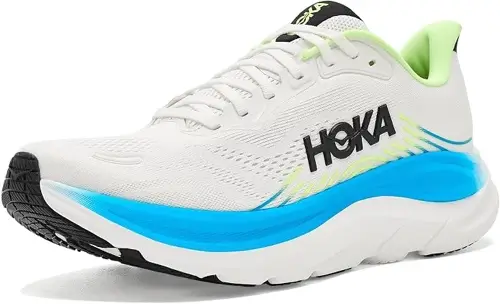
The Hoka Clifton 11 is a lighter cushioned option than the Bondi. It can work well for people who want Hoka cushioning but do not want the bulk of a max-cushion shoe.
For concrete, the Clifton is best for moderate walking, teaching, retail, travel, and daily wear. If you are on concrete for very long shifts, the Bondi may feel more protective. If you want lighter cushioning, the Clifton may be easier to wear all day.
Best for:
- Lightweight cushioning
- Teachers and retail workers
- Walking and daily wear
- People who like Hoka but want less bulk
- Moderate concrete use
Watch out for:
- Less cushioning than the Bondi
- Not a work-specific shoe
- May not be enough for very long warehouse shifts
- Higher stack may not suit everyone
Amazon Buy Link: Check latest price
Official specs: Hoka Clifton 11
Best shoes for concrete by job
The surface may be the same, but the job changes what matters most. Use this as a starting point, then follow any workplace footwear rules before choosing for comfort alone.
| Job | What to prioritize |
|---|---|
| Healthcare | Cushioning, secure fit and easy-clean materials. Hoka Bondi 9 works for ordinary hard-floor use; choose the Hoka Bondi SR or another work-rated model when slip resistance is required. |
| Restaurant | Slip resistance, easy cleaning and heel security. Use a work-rated slip-resistant shoe rather than a standard running shoe. |
| Retail | Balanced cushioning, lower weight, durability and room for swelling. Brooks Ghost 18 or Hoka Bondi 9 are reasonable starting points if no protective footwear is required. |
| Warehouse | Start with employer requirements for safety toes, traction, puncture or electrical protection. For soft-toe roles without those requirements, a stable cushioned shoe may be enough. |
| Office or school | Comfort, moderate weight and secure fit for mixed standing and walking. Brooks Ghost 18 or Hoka Clifton 11 are good starting points when dress rules allow athletic shoes. |
For deeper job-specific advice, see our nursing shoe guide, restaurant work shoes and warehouse shoe guide.
Best Shoes for Walking on Concrete by Foot Type
Foot type matters. The same concrete shoe will not work for everyone.
Best Shoes for Flat Feet on Concrete
Flat feet often need more support and stability. If your arches collapse inward or your feet feel tired after long shifts, avoid shoes that feel too soft or flimsy.
Good options include:
- Asics Gel-Kayano 33 for stability support
- Brooks Ghost 18 for balanced support
- Skechers Arch Fit for budget-friendly arch support
- Hoka Bondi 9 for cushioned support
- New Balance stability models, if available
Look for a stable base, a supportive heel, and enough arch support.
Best Shoes for High Arches on Concrete
High arches often benefit from cushioning because pressure may concentrate under the heel and forefoot.
Good options include:
- Hoka Bondi 9 for maximum cushioning
- Brooks Glycerin 23 for soft neutral comfort
- NNew Balance Fresh Foam X More v6 for a broad cushioned platform for plush cushioning
- Hoka Clifton 11 for lighter cushioning
- Brooks Ghost 18 for balanced comfort
Avoid shoes that feel thin or harsh under the forefoot.
Best Shoes for Wide Feet on Concrete
If your shoes are too narrow, concrete walking can become even more uncomfortable. Your toes need room, especially during long shifts.
Good options include:
- Topo Phantom 4 for a roomy toe box
- New Balance Fresh Foam X More v6 for a broad cushioned platform in wide sizing
- Brooks Ghost 18 in wide or extra-wide sizing
- Asics Gel-Kayano 33 in wide sizing
- Skechers Arch Fit wide models
Choose actual wide sizes when possible, not just stretchy uppers.
Best Shoes for Bunions on Concrete
Bunions usually need a roomy toe box and an upper that does not press hard against the big toe joint.
Good options include:
- Topo Phantom 4 for toe room
- New Balance wide-width shoes
- Brooks Ghost 18 wide
- Skechers Arch Fit wide
- Hoka wide models, depending on fit
Avoid narrow toe boxes and stiff overlays near the bunion area.
Best Shoes for Heel Pain on Concrete
Heel pain can have several causes, but concrete often makes it feel worse. Shoes with heel cushioning, arch support, and a stable platform may help reduce strain.
Good options include:
- Hoka Bondi 9 for maximum heel cushioning
- Brooks Ghost 18 for balanced support
- Asics Gel-Kayano 33 for stability
- Skechers Arch Fit for arch support
- New Balance Fresh Foam X More v6 for a broad cushioned platform for plush cushioning
If heel pain is sharp, persistent, or getting worse, speak with a healthcare professional.
Best Shoes for Plantar Fasciitis on Concrete
Plantar fasciitis often causes heel or arch pain, especially after rest or at the start of the day. Supportive shoes can be part of managing discomfort, but persistent pain should be assessed by a professional.
Good options include:
- Hoka Bondi 9 for cushioning
- Asics Gel-Kayano 33 for stability
- Brooks Ghost 18 for balanced support
- Skechers Arch Fit for built-in arch support
- Dansko Professional for firm work support
Look for arch support, heel cushioning, and a stable base.
Best Shoes for Heavy Walkers on Concrete
Heavier walkers or people in bigger bodies may need more durable cushioning and a wider, more stable platform. Thin or overly soft shoes may compress quickly.
Good options include:
- Hoka Bondi 9 for maximum cushioning
- New Balance Fresh Foam X More v6 for a broad cushioned platform
- Asics Gel-Kayano 33 for stability
- Brooks Ghost 18 for plush neutral cushioning for balanced daily comfort
- Brooks Glycerin 23 for plush neutral cushioning
Look for a shoe that feels cushioned but not wobbly.
Common Mistakes When Buying Shoes for Walking on Concrete
The wrong shoe can make concrete feel even harder than it is. Avoid these common mistakes.
Buying shoes that are too soft: Soft shoes can feel comfortable in the store but unstable after hours of walking. Look for cushioning with structure.
Ignoring width: A narrow shoe can create toe pressure, blisters, bunion pain, and forefoot discomfort. If your feet swell, wide sizing may matter.
Using old running shoes: Running shoes lose cushioning before they look destroyed. If your feet hurt more than usual, the midsole may be worn out.
Choosing fashion sneakers: Many lifestyle sneakers look good but offer little support for long workdays on concrete.
Forgetting workplace requirements: If your job requires slip-resistant, waterproof, safety-toe, or electrical-hazard footwear, choose shoes that meet those requirements.
Assuming all running shoes work for concrete: Some running shoes are too light, narrow, unstable, or performance-focused for long work shifts.
Not rotating shoes: If you wear the same pair every workday, the cushioning may break down faster. Rotating pairs can help extend shoe life.
When Should You Replace Shoes Used on Concrete?
Concrete wears shoes down quickly. Even if the upper still looks fine, the midsole may have lost cushioning and support.
Signs it may be time to replace your shoes include:
- Your feet hurt more than they used to
- The outsole is worn unevenly
- The midsole feels flat or compressed
- The heel feels unstable
- The shoe leans to one side
- You feel more knee, hip, or back discomfort after shifts
- The inside lining is worn or rubbing
- Your toes or heels are developing new hot spots
If you work long shifts on concrete, check your shoes regularly. Waiting too long to replace them can make foot fatigue worse.
Are Running Shoes Good for Walking on Concrete?
Running shoes can be good for walking on concrete if they have stable cushioning, enough support, and a durable outsole. Daily trainers are usually better than lightweight racing shoes or minimalist shoes.
Good running shoes for concrete walking include:
- Hoka Bondi 9
- Brooks Ghost 18
- New Balance Fresh Foam X More v6
- Asics Gel-Kayano 33
- Brooks Glycerin 23
- Hoka Clifton 11
However, running shoes are not always appropriate for work. If your workplace requires safety features or slip-resistant footwear, choose a work-rated shoe.
Are Work Boots Good for Walking on Concrete?
Work boots can be good for concrete if your job requires protection. They may offer safety toes, durable outsoles, waterproofing, and workplace-rated features.
The trade-off is weight. Work boots are usually heavier than running shoes, which can increase fatigue over long walking shifts. If you need work boots, look for cushioning, proper fit, and safety features that match your job.
Are Memory Foam Shoes Good for Concrete?
Memory foam shoes can feel comfortable at first, but they are not always the best choice for walking on concrete all day. Some memory foam compresses quickly and may not provide enough support or stability.
If you choose memory foam, make sure the shoe also has:
- Arch support
- A stable heel
- Durable outsole rubber
- Enough width
- Cushioning that does not collapse too quickly
Comfort should come from the whole shoe, not just the insole.
Do Insoles Help for Walking on Concrete?
Insoles can help if your shoes have removable footbeds and enough room. They may improve arch support, cushioning, or pressure distribution.
Insoles are most useful when the shoe already fits well. They cannot fully fix a shoe that is too narrow, unstable, worn out, or inappropriate for your workplace. See our guide to insoles and inserts.
FAQ: Best Shoes for Walking on Concrete All Day
Look for stable cushioning, a secure heel, enough toe room and a durable outsole. Strong starting points include the Hoka Bondi 9, Brooks Ghost 18, New Balance Fresh Foam X More v6, Asics Gel-Kayano 33, Brooks Glycerin 23 and Topo Phantom 4. The best choice depends on your fit, support needs and workplace requirements.
Choose a shoe that balances cushioning with stability. Very soft foam can feel comfortable at first but tiring if the platform feels unstable. The Bondi 9 and Fresh Foam X More v6 emphasize cushioning, while the Ghost 18 offers a more balanced everyday feel and the Gel-Kayano 33 adds more structured support.
They can be. The Bondi 9 is the more protective max-cushion option in this guide, while the Clifton 11 is lighter. Neither is a substitute for workplace-rated slip resistance or a safety toe when those features are required.
Yes. The Ghost 18 is a balanced daily option for walking and the Glycerin 23 offers a softer, plusher ride. Fit matters more than brand alone, so compare width, heel security and how stable the shoe feels after several minutes of walking.
Start with your employer’s safety requirements. If a safety toe, puncture protection or certified slip resistance is required, choose a work-specific shoe or boot. If those features are not required, a cushioned walking or running shoe may be comfortable, but it still needs a secure fit and durable outsole.
Healthcare workers often need cushioning, stability and an upper that is practical to clean. Some workplaces also require slip-resistant footwear. A cushioned shoe such as the Bondi 9 or Ghost 18 may work where allowed, while wet or spill-prone environments may call for a work-specific slip-resistant model.
Not for every dry concrete surface, but they matter when floors may be wet, oily, polished or exposed to spills. Restaurants, healthcare facilities, factories, warehouses and other workplaces may have specific footwear rules, so check those requirements before buying.
If you work behind a register or spend long shifts on a sales floor, see our best shoes for retail workers and cashiers guide for job-specific recommendations and footwear requirements.