Last Updated on September 23, 2026
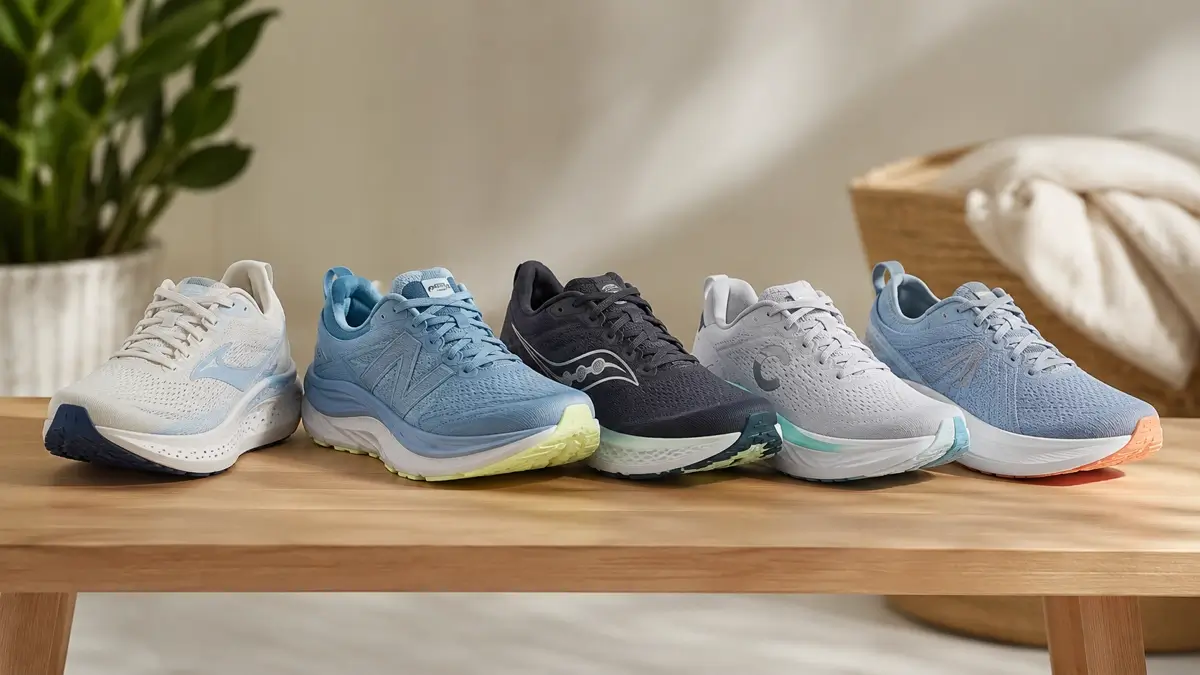
| Quick Answer: Best Shoes After a Metatarsal Fracture. Once your health professional has cleared you to return to regular footwear after a metatarsal fracture, look for a broad, supportive shoe with a secure heel, adequate room through the forefoot and a stable sole. Some fracture-clinic protocols recommend transitioning from a walking boot into broad, supportive footwear with a relatively stiff sole rather than immediately returning to soft, flimsy or highly flexible shoes. Among current models, the Brooks Ghost Max 3 is our best overall choice because it combines a broad platform, substantial cushioning and rocker-style geometry that creates a smooth transition through the walking cycle. If your biggest concern is cushioning, consider the Hoka Bondi 9. If you need more forefoot room, look at the Topo Athletic Atmos 2. The Saucony Echelon 10 is a particularly good choice for a broad, stable platform, while the New Balance 1080v15 stands out for its extensive width selection. |
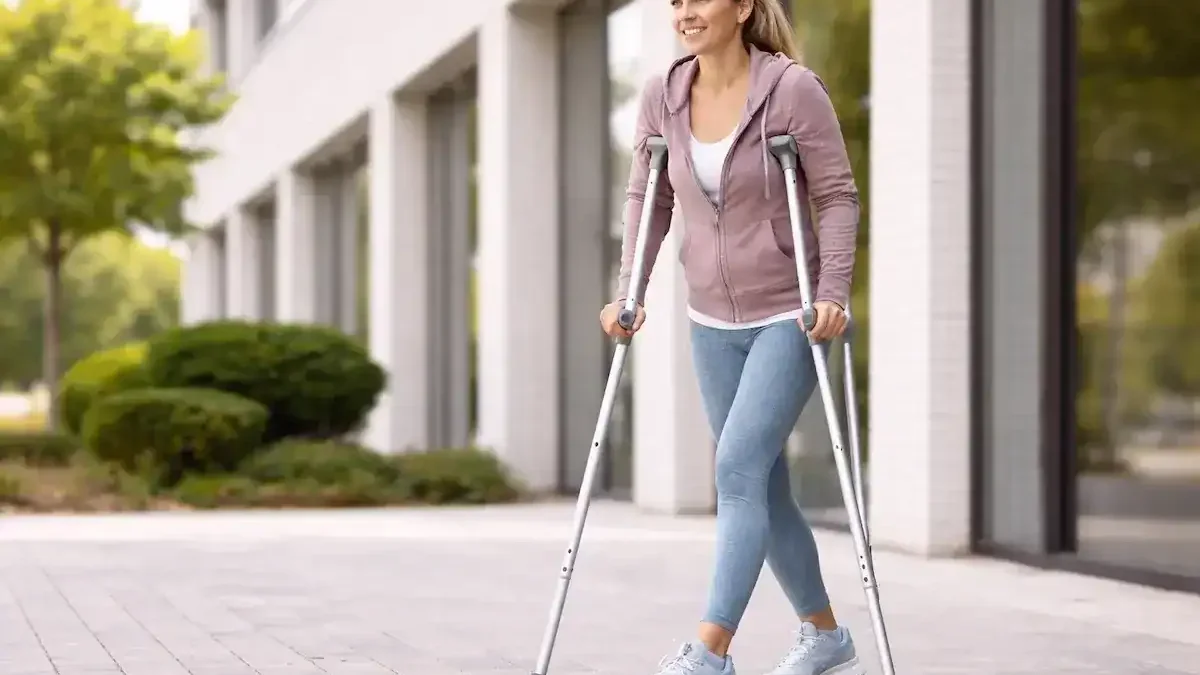
Getting out of a walking boot after a metatarsal fracture can feel like a major milestone. Then you put on your regular shoes and discover that your foot does not feel quite regular yet.
Swelling may still be present. The forefoot can feel sensitive. Your ankle and foot may be stiff after several weeks of reduced movement, and shoes that fit perfectly before the fracture may suddenly feel too narrow, soft or flexible.
The best shoes after a metatarsal fracture generally provide a secure fit, enough room through the forefoot, a supportive platform and cushioning that makes walking comfortable without allowing the foot to feel unstable.
There is one important condition: You should transition into regular shoes only after your doctor, fracture clinic, podiatrist or other qualified health professional says it is appropriate. Different metatarsal fractures heal differently, and a shoe cannot protect a fracture that still requires immobilization.
For people who have been cleared to return to regular footwear, our top choice is the Brooks Ghost Max 3 because its broad platform, substantial cushioning and rocker-shaped sole provide a useful combination for the transition back to everyday walking.
Still healing? See our metatarsal fracture recovery timeline before choosing post-fracture footwear.
Best Shoes After a Metatarsal Fracture at a Glance
Different shoes solve different post-fracture fit and comfort problems. Here is how our five current picks compare.
| Shoe | Best for | Key advantage | Width options | Approx. U.S. price |
|---|---|---|---|---|
| Brooks Ghost Max 3 | Best overall | Broad base and rocker geometry | Medium, wide, extra wide | $110 | Check latest prices |
| Hoka Bondi 9 | Cushioning | Plush ride and broad platform | Multiple widths | $175 | Check latest prices |
| Saucony Echelon 10 | Broad, stable support | Straight shape and accommodating fit | Regular, wide, extra wide | $155 | Check latest prices |
| Topo Athletic Atmos 2 | Roomy toe box | Anatomical forefoot shape | Standard | About $165 | Check latest prices |
| New Balance 1080v15 | Width selection | Narrow through extra wide | Narrow, standard, wide, extra wide | About $170 | Check latest prices |
Prices can change, and sale pricing may differ from manufacturer list prices.
None of these shoes should be interpreted as treatment for a fracture. They are footwear options to consider only after you have been medically cleared to return to normal shoes.
Best Shoe by Recovery Need
The best shoe depends in part on what is making ordinary footwear uncomfortable.
| If your main issue is… | Consider | Availability |
|---|---|---|
| General return to walking | Brooks Ghost Max 3 | Check for sizes and availability |
| Sensitive forefoot or desire for cushioning | Hoka Bondi 9 | Check for sizes and availability |
| Need for a broad, stable platform | Saucony Echelon 10 | Check for sizes and availability |
| Toe and forefoot crowding | Topo Athletic Atmos 2 | Check for sizes and availability |
| Difficult-to-fit width | New Balance 1080v15 | Check for sizes and availability |
If none of these descriptions quite matches your situation, focus less on the shoe name and more on fit, sole stiffness, width and the recommendations you were given for your particular fracture.
Why We Chose These Shoes
We evaluated shoes for this guide based on characteristics that can matter when returning to regular footwear after a metatarsal fracture.
Our selection criteria included forefoot room, platform stability, cushioning, width availability, heel security and how smoothly the shoe moves through the walking cycle. We also prioritized current models that manufacturers identify as suitable for walking.
We did not select these shoes because they claim to heal fractures. Regular walking shoes do not treat a metatarsal fracture or speed bone healing. Their role begins when your health professional determines that you are ready to transition back into everyday footwear.
Brooks Ghost Max 3

Best for: Overall post-fracture walking
The Brooks Ghost Max 3 gets our top spot because its design addresses several issues that can matter when you return to walking after a metatarsal fracture.
Brooks builds the shoe on a broad base and combines that platform with substantial DNA LOFT v3 cushioning. More importantly for someone who remains sensitive through the forefoot, the Ghost Max 3 uses Brooks’ GlideRoll Rocker geometry to create a smoother transition from landing through toe-off.
That does not mean the shoe immobilizes the metatarsals. It does not. However, some people transitioning out of more protective footwear may find a rocker-shaped shoe more comfortable than a highly flexible shoe that bends aggressively through the forefoot.
The Ghost Max 3 is also available in multiple widths, including wide and extra-wide versions in some men’s and women’s sizes. That can matter because residual swelling may temporarily change the amount of space you need inside a shoe.
Brooks markets the Ghost Max 3 for walking as well as running and describes it as having a broad base for additional stability.
Specs
The Ghost Max 3 includes the following key features:
- Cushioning: DNA LOFT v3
- Heel-to-toe drop: 6 mm
- Men’s weight: About 11 ounces
- Platform: Broad neutral base
- Sole geometry: GlideRoll Rocker
- Widths: Multiple options, including wide and extra wide
- Best uses: Walking, everyday wear and eventual return to running when medically appropriate
- Approximate price: $110
Pros
Its strongest advantages for post-fracture walking include:
- Broad, stable platform.
- High level of cushioning.
- Rocker geometry that encourages a smooth transition through the step.
- Multiple width options.
- Suitable for everyday walking.
Cons
There are also some drawbacks:
- The high stack can feel unfamiliar if you usually wear low-profile shoes.
- It is heavier than some alternatives.
- People who have specifically been instructed to use a rigid or very stiff-soled shoe should confirm that it is appropriate for their recovery stage.
Hoka Bondi 9
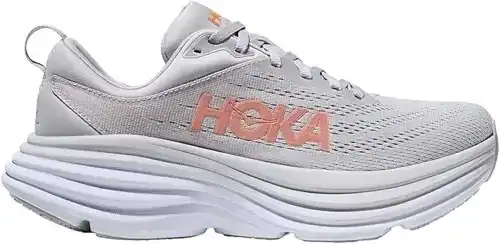
Best for: Cushioning and a smooth ride
The Hoka Bondi 9 is one of the better-known maximal-cushion walking and running shoes, and it can be appealing if your foot remains sensitive when you resume everyday walking.
Hoka increased the stack height in the Bondi 9 and uses a plush foam midsole designed to provide substantial cushioning. The shoe also sits on a broad platform, helping prevent the tall cushioning from feeling excessively unstable.
The Bondi 9 also uses Hoka’s MetaRocker geometry. This curved sole shape helps the shoe roll forward through the walking cycle rather than relying entirely on forefoot flexibility. That combination of cushioning, a broad base and rocker geometry can make the Bondi 9 worth considering when the front of the foot still feels sensitive.
The Bondi 9 has a 5 mm heel-to-toe drop and is marketed for both walking and running.
Specs
Important Bondi 9 features include:
- Cushioning: Maximal
- Heel-to-toe drop: 5 mm
- Men’s weight: About 10.5 ounces
- Platform: Broad base
- Sole geometry: MetaRocker
- Upper: Structured knit
- Widths: Multiple options
- Best uses: Walking and everyday wear
- Approximate price: $175
Pros
The Bondi 9 offers several useful features:
- High level of cushioning.
- Broad platform.
- Rocker-shaped sole geometry.
- Multiple width choices.
- Available in men’s and women’s versions.
Cons
Potential drawbacks include:
- The high stack is not ideal for everyone.
- Some walkers may prefer a firmer shoe after immobilization.
- It is one of the more expensive choices in this group.
Saucony Echelon 10
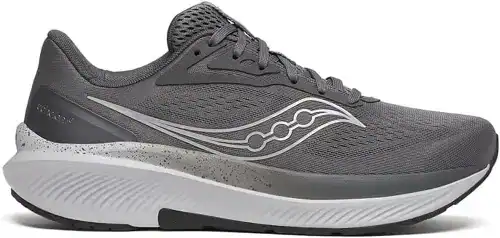
Best for: A broad and stable platform
The Saucony Echelon 10 may be one of the most useful options for someone who wants an accommodating shoe without an extremely soft or unstable feel.
Saucony builds the Echelon around a broad, relatively straight platform. This can work particularly well when you need more room through the foot but still want the shoe to hold you securely.
The Echelon 10 uses PWRRUN cushioning and a durable rubber outsole. It is available in regular, wide and extra-wide versions, which makes it easier to find additional room without simply increasing shoe length.
The relatively straight shape can also make the Echelon a useful shoe to discuss with a podiatrist if you use orthotics.
Specs
Important Echelon 10 specifications include:
- Cushioning: PWRRUN
- Heel-to-toe drop: 8 mm
- Stack: About 35 mm heel and 27 mm forefoot
- Men’s weight: About 10.8 ounces
- Widths: Regular, wide and extra wide
- Platform: Broad and relatively straight
- Best uses: Walking and everyday wear
- Approximate price: $155
Pros
The Echelon’s main strengths include:
- Broad, stable base.
- Accommodating overall shape.
- Wide and extra-wide versions.
- More structured feel than some soft maximal shoes.
- Good potential for orthotic use.
Cons
There are a few trade-offs:
- The design is more utilitarian than some competitors.
- It does not have as pronounced a rocker feel as the Ghost Max or Bondi.
- Some walkers may find it firmer than maximal-cushion shoes.
Topo Athletic Atmos 2

Best for: A roomy toe box
Swelling and forefoot sensitivity are two common reasons old shoes become uncomfortable following a metatarsal fracture. The Topo Athletic Atmos 2 approaches fit differently from many conventional running shoes. Topo uses an anatomical toe-box shape designed to provide more room around the toes while keeping the heel and midfoot relatively secure.
That distinction matters. A shoe does not necessarily need to be wide everywhere simply because you need additional space around the forefoot.
The Atmos 2 combines its roomy toe box with substantial cushioning, a 5 mm heel-to-toe drop and a high-stack platform. It is designed for both walking and daily running.
This is one of the first models we would consider when the primary issue is pressure across the toes or forefoot rather than a need for strong motion-control features.
Specs
The Atmos 2 includes:
- Cushioning: Max-cushion ZipFoam
- Heel-to-toe drop: 5 mm
- Stack: About 40 mm heel and 35 mm forefoot
- Toe box: Anatomical, roomy shape
- Support: Neutral
- Best uses: Walking and daily running
- Approximate price: $165
Pros
Its strongest features are:
- Roomy anatomical toe box.
- Substantial cushioning.
- Secure heel and midfoot.
- Lower 5 mm drop.
- Designed for walking as well as running.
Cons
Potential disadvantages include:
- The anatomical shape feels different from a conventional athletic shoe.
- Width selection is not as extensive as New Balance or Saucony.
- A roomy toe box does not make the shoe appropriate for an incompletely healed fracture.
New Balance 1080v15
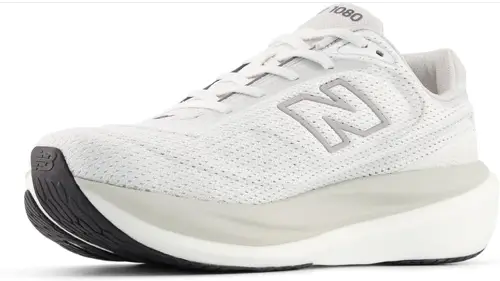
Best for: Finding the right width
Foot swelling after a fracture can create a frustrating sizing problem. You may need more room now, but buying a shoe that is simply too long can cause sliding and poor heel security.
That makes the New Balance 1080v15 particularly useful because it is offered in a broad range of widths, from narrow through extra wide.
The current 1080v15 uses New Balance’s Infinion cushioning system and has a 6 mm heel-to-toe drop. New Balance positions it as an extra-cushioned everyday shoe for walking and running.
Its biggest advantage in this article is fit versatility. If your foot is naturally narrow, broad or temporarily fuller after an injury, you have a better chance of finding the correct combination of shoe length and width.
Specs
Important 1080v15 specifications include:
- Cushioning: Infinion
- Heel-to-toe drop: 6 mm
- Men’s weight: About 9 ounces
- Support: Neutral
- Widths: Narrow, standard, wide and extra wide
- Upper: Breathable mesh
- Best uses: Walking, daily wear and eventual running
- Approximate price: $170
Pros
The 1080v15 offers several advantages:
- Excellent selection of widths.
- Substantial cushioning.
- Relatively low weight for the amount of cushioning.
- Breathable upper.
- Men’s and women’s versions available.
Cons
Potential disadvantages include:
- Softer cushioning will not suit everyone.
- It is not designed specifically for fracture recovery.
- Anyone still instructed to use stiff-soled footwear should check with their clinician before moving into a conventional running shoe.
What Should You Look for in Shoes After a Metatarsal Fracture?
The exact footwear recommendation depends on the type and location of the fracture, but several characteristics commonly matter during the transition back into normal shoes.
A supportive sole
Some fracture-clinic protocols specifically recommend a broad, supportive and relatively stiff-soled shoe when transitioning out of a walking boot or orthopedic shoe.
That does not mean you need a rigid shoe indefinitely. It does mean a flimsy slipper or extremely flexible shoe may not be the best first step back into ordinary footwear. Follow the instructions provided for your specific fracture.
Enough forefoot room
Your forefoot may remain swollen after the initial injury has improved. A shoe should not squeeze the metatarsal area or force the toes together. Look for enough width and volume that your foot feels comfortable without sliding around inside the shoe.
This is where a wide toe-box shoe can help.
A secure heel and midfoot
Do not solve forefoot pressure by simply buying an oversized shoe. If the shoe is too long or too wide everywhere, your heel can slide and your foot can move excessively inside it. Ideally, you want room around the sensitive forefoot combined with a reasonably secure heel and midfoot.
Appropriate cushioning
Cushioning can make the return to walking more comfortable, particularly when the foot remains sensitive. However, very soft cushioning is not automatically better. Some people feel more secure on a somewhat firmer, broader platform.
Moderate flexibility
During the early transition out of a boot, you may not want a shoe that folds easily through the forefoot. The metatarsals participate in the push-off portion of walking. A shoe that bends significantly at the front can feel uncomfortable if the area remains sensitive.
Ask your clinician whether you still need a relatively stiff sole at your stage of healing.
Adjustable fit
Laces are useful during fracture recovery because swelling can fluctuate. You may find that the same foot needs slightly different tension first thing in the morning and after several hours of activity.
How to Test a Shoe Before Keeping It
A shoe that looks suitable on paper can still be wrong for your foot. Once you have been cleared to wear regular footwear, try the shoes indoors before committing to them. Walk around long enough to determine whether there are pressure points or whether your foot slides inside the shoe.
Pay particular attention to:
- Pressure across the metatarsals.
- Pain as you push off through the forefoot.
- Heel slipping.
- Numbness or tingling.
- Pressure across swollen areas.
- Increased discomfort after several minutes of walking.
- Whether your foot slides forward inside the shoe.
Your toes should not feel compressed, and the previously injured area should not be pressed tightly against the shoe upper.
Post-injury footwear should not require a painful break-in period. If significant pain occurs at or near the fracture site, stop using the shoe and discuss the problem with your health professional if necessary.
Why Shoes Feel Different After a Metatarsal Fracture
The bone is only one part of the recovery process.
If you spent several weeks in a boot or reduced your activity, your foot and ankle may also have lost some strength and mobility. Your gait may have changed because you were protecting the injured foot.
As you begin walking normally again, you may notice several changes:
- You take shorter steps.
- You walk more slowly.
- You avoid pushing off strongly through the forefoot.
- You place more weight on the inside or outside of the foot.
- You tire more quickly than you did before the injury.
These changes can make a familiar pair of shoes feel surprisingly unfamiliar.
Our metatarsal fracture recovery guide explains the broader healing process and what can happen as you move from injury through recovery.
Don’t Forget the Other Foot
If you are still spending some of your time in a walking boot, the shoe on your uninjured foot matters too.
Walking boots are often taller than regular shoes. That difference in height can make one leg effectively longer than the other while you walk, potentially causing you to compensate through your hips, knees or lower back.
Some fracture-clinic guidance recommends wearing a thick-soled shoe on the uninjured foot while using a walking boot to reduce the height difference.
The goal is not to create a perfect match at home by stacking inserts or improvising. It is simply worth paying attention to whether your regular shoe leaves you noticeably uneven while walking in the boot.
If the difference feels substantial, ask your clinician or physical therapist what they recommend.
Should You Wear Rocker-Bottom Shoes After a Metatarsal Fracture?
Rocker-shaped footwear changes the way a shoe moves through the walking cycle.
Instead of relying entirely on the forefoot of the shoe to flex as you move forward, curved sole geometry helps the body progress over the foot.
That is one reason models such as the Brooks Ghost Max 3 and Hoka Bondi 9 may feel comfortable to some people with a sensitive forefoot.
However, rocker geometry is not appropriate for every person or every stage of fracture recovery.
If your clinician has prescribed a specific orthopedic shoe, walking boot or rigid sole, continue using that until you are told otherwise.
Should You Wear Wide Shoes?
A wide shoe can help if your foot is swollen or you naturally have a broad forefoot, but do not automatically move up to a wide width.
First determine where the pressure is occurring.
If your toes and forefoot are crowded but your heel fits comfortably, a shoe with a wide toe box may work better than a shoe that is wide from heel to toe.
If the entire foot feels compressed, moving to a wide or extra-wide version may make more sense.
See our guide to the best wide toe-box shoes for additional options.
What We Would Avoid During the Early Return to Shoes
Your clinician may provide specific restrictions, and those should always take precedence. In general, however, we would be cautious about shoes that provide very little support during the first stage of returning to normal footwear.
Potential problem choices include:
- Very thin or flimsy soles.
- Tight or pointed shoes that compress the forefoot.
- Loose slippers that allow the foot to move around.
- Shoes with badly worn or uneven soles.
- Extremely flexible minimalist shoes unless your clinician specifically approves them.
Minimalist and barefoot-style shoes may work perfectly well for some people later in recovery. They are simply not a generic recommendation for someone who has recently transitioned out of immobilization.
The goal at this stage is generally predictable, comfortable support rather than testing how much movement your recovering foot can tolerate.
Can You Wear Running Shoes After a Metatarsal Fracture?
Running shoes can work very well as walking shoes after a metatarsal fracture once your health professional has approved normal footwear.
Modern running shoes often provide cushioning, secure lacing, multiple widths and substantial outsoles, all of which can make them useful everyday shoes. The problem is that running shoes vary enormously. Some are extremely flexible. Others are very soft or have aggressive rocker geometry. Racing shoes can contain carbon-fiber plates. Minimalist shoes may have almost no structure or cushioning.
Do not assume that any shoe labeled a running shoe is appropriate for your stage of recovery.
When Can You Wear Normal Shoes After a Metatarsal Fracture?
There is no universal date. Metatarsal fractures vary according to which bone is involved, exactly where it broke, whether the fracture is displaced and whether surgery was necessary.
Some uncomplicated fractures are managed with a walking boot or orthopedic shoe for several weeks and then transitioned gradually into supportive footwear. Other fractures require considerably more protection.
Some fracture-clinic protocols allow patients with specific uncomplicated metatarsal fractures to begin transitioning toward normal supportive footwear within roughly three to six weeks. That should not be interpreted as a personal recovery schedule.
Your own clinician’s instructions take precedence over any general timeline.
What About a Fifth Metatarsal Fracture?
Be particularly careful about generalizing footwear advice when the fifth metatarsal is involved. The fifth metatarsal runs along the outside of the foot. Fractures can occur in different sections of the bone, and those fractures do not all behave the same way.
A Jones fracture, for example, occurs in an area that can be more difficult to heal than some fractures closer to the base of the bone. Do not use decreased pain or your ability to fit into a sneaker as evidence that a fifth metatarsal fracture has healed. Get medical clearance before progressing your footwear or activity level.
How to Transition Out of a Walking Boot
Going from full-time boot use directly to wearing normal shoes all day can be uncomfortable. If your clinician has told you to transition gradually, follow the schedule they provided rather than creating your own. You may initially notice more swelling or discomfort when spending time outside the boot. This can happen as the foot begins taking more of the load again.
Your new shoe should feel supportive from the beginning. It should not require a painful break-in period. If pain or swelling increases sharply as you transition, contact the health professional managing your recovery.
Can You Walk Barefoot After a Metatarsal Fracture?
Do not assume that barefoot walking is the logical next step after leaving a boot. Some fracture-clinic protocols recommend supportive footwear indoors during the early transition rather than immediately returning to barefoot walking. The recommendation for you depends on your injury, fracture location and stage of recovery. If your doctor or physical therapist has given you a rehabilitation plan that includes barefoot exercises, follow that plan.
When Can You Start Exercising Again?
Being able to wear a normal shoe is not the same as being ready to run, jump or return to sports.
Higher-impact activities place considerably more stress through the foot than ordinary walking.
Your return to running or sports should be based on fracture healing, strength, range of motion, symptoms and professional clearance rather than simply the number of weeks since the injury.
Some uncomplicated-fracture protocols allow a gradual return to normal activities over several additional weeks while delaying impact activity such as running and jumping.
Again, your fracture may require a different timeline.
Questions to Ask Your Doctor or Physical Therapist About Shoes
Your follow-up appointment is a good time to get specific footwear guidance.
Consider asking:
- Do I still need a stiff-soled shoe?
- Can I wear regular athletic shoes now?
- Should I avoid bending through the forefoot?
- Is a rocker-style shoe appropriate?
- Can I walk barefoot at home?
- Is my remaining swelling normal?
- Do I need an orthotic or insert?
- When can I increase my walking distance?
- When can I return to running or sports?
- Should I see a physical therapist about my gait?
Those answers are more useful than relying on a generic recovery timeline because they reflect your actual fracture and how it is healing.
Common Questions About Shoes After a Metatarsal Fracture
For someone who has already been cleared to return to normal footwear, the Brooks Ghost Max 3 is our top overall choice because it combines a broad base, substantial cushioning, multiple widths and rocker-shaped geometry. Your clinician may recommend different footwear depending on the fracture.
Not necessarily. Some people transition into ordinary supportive athletic shoes. Others may need an orthopedic shoe, walking boot or other protective footwear for longer. Follow your clinician’s instructions.
Some fracture-clinic protocols recommend relatively stiff-soled footwear during the transition back to normal shoes. How much stiffness you need depends on the fracture and your stage of healing.
The Hoka Bondi 9 offers substantial cushioning, a broad platform and MetaRocker geometry that can make it comfortable for some people returning to regular walking. It should only be used once normal footwear is appropriate for your recovery.
The Brooks Ghost Max 3 is particularly interesting because of its broad base, high cushioning and GlideRoll Rocker geometry. That does not make it a medical treatment or a replacement for protective fracture footwear.
New Balance can be particularly useful when width is an issue. The 1080v15 is available in sizes ranging from narrow through extra wide, making it easier to fit the shoe to your foot rather than simply buying a longer size.
Do not automatically size up in length. If swelling has made your foot wider, you may need a different width or a roomier toe box instead. A shoe that is too long can allow your foot to slide.
Your toes should not be compressed or pushed against the front or sides of the shoe. At the same time, the shoe should hold the heel and midfoot securely enough that your foot does not slide forward.
Cushioning can make walking more comfortable after you have been cleared for normal footwear, but maximum softness is not always ideal. Stability, fit and appropriate sole stiffness also matter.
A rocker-shaped sole changes the transition through toe-off and may feel more comfortable for some people with forefoot sensitivity. Whether it is appropriate for your injury should be discussed with your clinician.
Flip-flops generally provide less support and security than athletic shoes. They are not the first type of footwear we would recommend when transitioning out of a walking boot or orthopedic shoe.
That depends on your stage of recovery. Some fracture-clinic guidance recommends initially using supportive shoes indoors when transitioning out of a boot. Ask your clinician what applies to your injury.
Swelling can persist after a fracture and may become more noticeable as activity increases. New or rapidly worsening swelling, particularly when accompanied by increasing pain, numbness or changes in skin color, should be discussed with a health professional.
Pain, stiffness, weakness and habits developed while protecting the injured foot can all affect your gait. If the limp persists, a physical therapist or other qualified professional can assess your walking pattern.
Do not use your ability to walk comfortably in sneakers as your signal to begin running. Running puts considerably more load through the foot than ordinary walking. Your clinician should tell you when impact exercise is appropriate.
What to Do Next
If you are still in the healing stage, start with our metatarsal fracture recovery timeline to understand what typically happens between the initial injury and the return to activity.
Once you have been cleared for regular footwear, choose a shoe according to the problem you are actually trying to solve.
The Brooks Ghost Max 3 is our best overall choice. The Hoka Bondi 9 is a strong option for cushioning, while the Saucony Echelon 10 provides a broad and relatively stable platform. The Topo Athletic Atmos 2 is particularly useful when forefoot room matters, and the New Balance 1080v15 provides one of the strongest selections of widths.
If swelling or forefoot pressure remains your main challenge, also see our guide to the best wide toe-box shoes.
Medical note: BestWalkingFeet.com provides general educational information about footwear and foot health. It does not diagnose injuries or replace individualized medical advice. Follow the treatment, weight-bearing and footwear instructions provided by the health professional managing your fracture.