Last Updated on October 14, 2026
| Quick Answer: Best Shoes for Hallux Rigidus in 2026. Hallux rigidus is arthritis of the big-toe joint, so the most useful shoe features are a stiff or rockered sole that reduces how much the toe must bend, enough room around the forefoot, and a secure fit that does not force pressure onto the joint. Our current picks are the Hoka Bondi 9, Brooks Ghost Max 4, New Balance Fresh Foam X More v6, New Balance 928v3, Orthofeet Edgewater, Brooks Addiction Walker 2 and Dansko Professional. Shoes can improve comfort, but they do not reverse the arthritis. For a broader comparison of curved-sole designs, see our best rocker bottom shoes guide. |
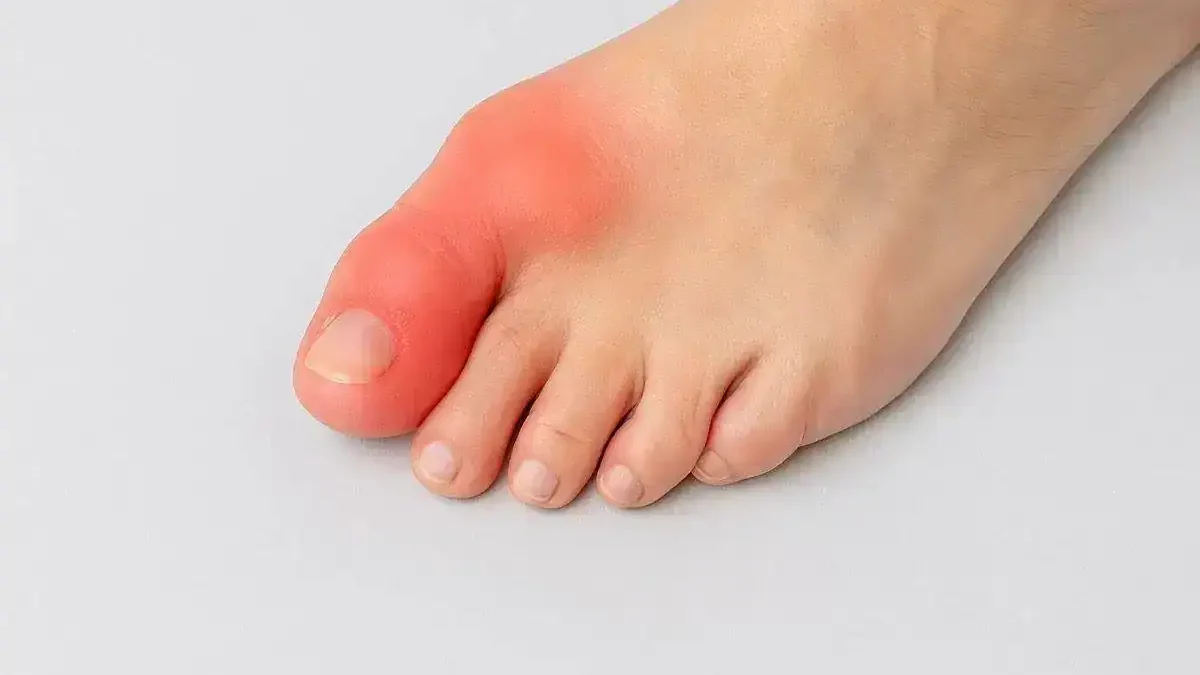
Hallux rigidus means “stiff big toe.” It is a form of osteoarthritis affecting the first metatarsophalangeal joint, where the big toe meets the foot. Pain is often worst when the toe bends upward during push-off, which is why ordinary flexible shoes can feel surprisingly uncomfortable.
Cleveland Clinic recommends footwear with plenty of toe room and a stiff sole for hallux rigidus. A rocker-shaped sole can also help the foot roll forward while reducing how much the big toe has to bend. The best shoe therefore is not necessarily the softest one. Forefoot stiffness, rocker geometry, fit and width matter at least as much as cushioning.
Best Shoes for Hallux Rigidus at a Glance
The seven models below solve different hallux-rigidus problems. The Hoka Bondi 9 and Brooks Ghost Max 4 offer the clearest rocker-assisted transitions for everyday walking. The New Balance Fresh Foam X More v6 adds maximum cushioning and generous width options. The New Balance 928v3 and Brooks Addiction Walker 2 are firmer, more traditional walking shoes for people who want greater structure or use orthotics. Orthofeet Edgewater prioritizes extra depth and a stretch upper when swelling, bunions or sensitive toes complicate the fit. The Dansko Professional is the work-clog option, using a stiff rocker-style platform for people who spend long shifts on their feet.
If your big-toe joint hurts mainly during push-off, start with a rocker shoe. If the main problem is pressure from the upper, prioritize toe-box room and stretch. If you use a carbon-fiber plate or custom orthotic, look for enough internal depth and a removable insole. None of these features substitutes for medical evaluation when pain is persistent or worsening, but they can make normal walking much more tolerable.
| Shoe | Best for | Hallux-rigidus advantage | Price |
|---|---|---|---|
| Hoka Bondi 9 | Best overall | Smooth MetaRocker, broad base, plush cushioning | Check latest price |
| Brooks Ghost Max 4 | Rocker plus orthotics | GlideRoll rocker, roomy fit, broad platform | Check latest price |
| New Balance Fresh Foam X More v6 | Wide feet and maximum cushioning | Broad forefoot, multiple widths, high-stack foam | Check latest price |
| New Balance 928v3 | Structured walking and orthotics | Firm platform, removable insole, widths through 6E | Check latest price |
| Orthofeet Edgewater | Swelling and sensitive feet | Stretch upper, extra depth, roomy toe box | Check latest price |
| Brooks Addiction Walker 2 | Firm support and work | Structured leather upper, firm platform, orthotic room | Check latest price |
| Dansko Professional | Work clog | Rigid rocker-style sole reduces forefoot flex | Check latest price |
Why Rocker and Stiff-Soled Shoes Help Hallux Rigidus
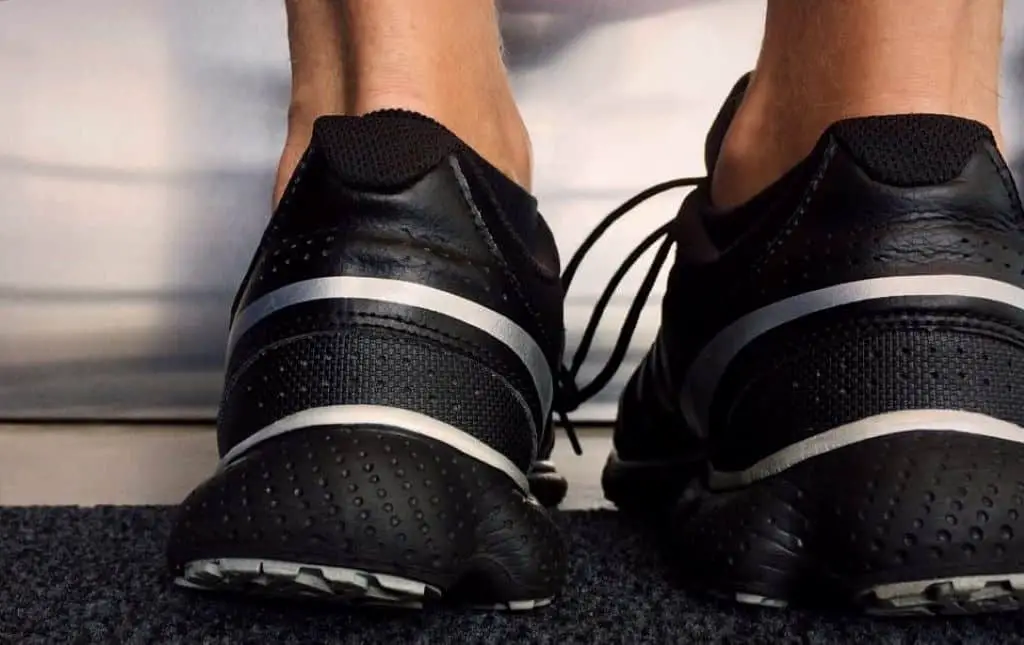
During normal walking, the big toe bends upward as the heel lifts and the body moves over the forefoot. Hallux rigidus makes that motion painful because the arthritic joint has lost range of motion. A stiff sole limits bending through the front of the shoe, while a rocker shape lets the shoe roll forward instead of asking the big toe to create as much of the motion.
This is why flexibility is not always a virtue. Many shoe guides tell shoppers to look for a forefoot that bends easily, but hallux rigidus is one of the situations where less forefoot flex can be useful. Cleveland Clinic specifically recommends stiff-soled footwear and warns against shoes that squeeze the toes. Its hallux-limitus guidance also identifies rigid or rocker soles as useful because they reduce big-toe bending.
Toe-box room matters for a different reason. Hallux rigidus can produce swelling and a bony bump over the joint, so a low or narrow upper can become painful even if the sole is ideal. Look for enough vertical and horizontal room around the big toe, and avoid pointed shoes or high heels that push load toward the forefoot.
Best Shoes for Hallux Rigidus in 2026
Our selections emphasize current shoes with rocker geometry, forefoot stiffness, width choices or room for orthotics. No shoe on this list is a treatment for osteoarthritis, and the ideal amount of stiffness varies by person. Some people feel best in a highly rockered running shoe; others prefer a firm traditional walker with a carbon-fiber plate or orthotic added by a clinician.
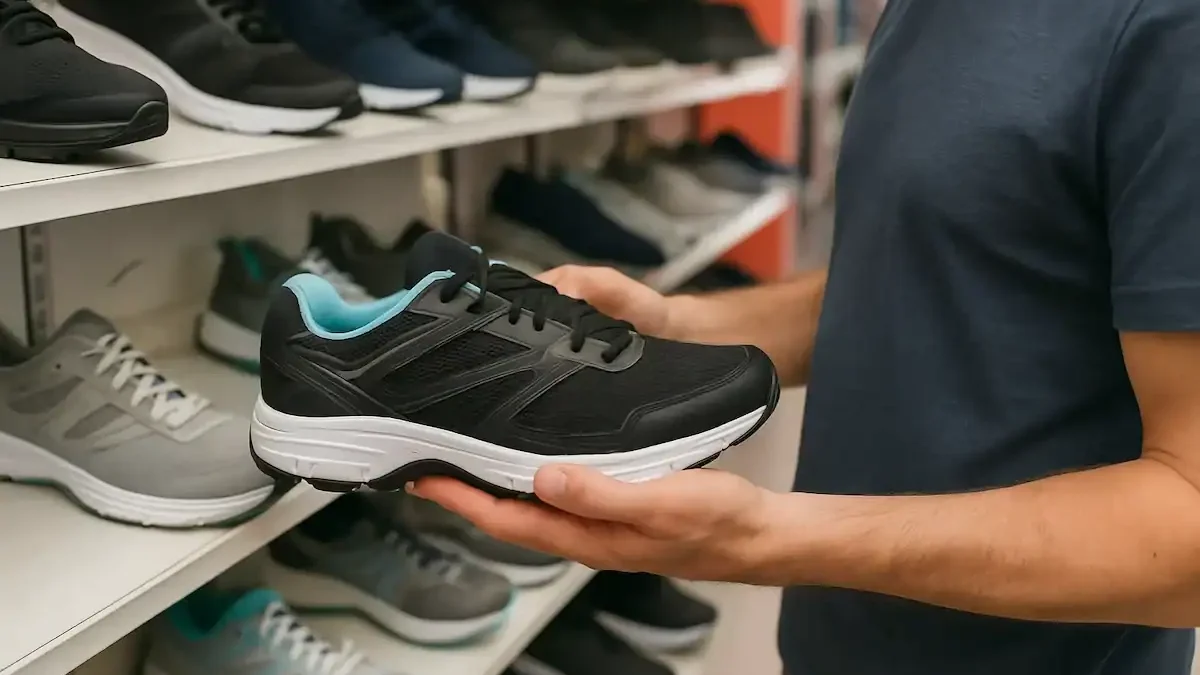
Try the shoe with the socks and inserts you actually use. Walk long enough to feel how the shoe behaves at push-off. The big-toe joint should not feel as though it is being forced upward with every step, and the upper should not press directly on a dorsal bone spur or swollen joint. If you need more room, use a true wide or extra-wide size rather than simply buying a longer shoe.
Hoka Bondi 9
Best for: Most walkers who want an obvious rocker and maximum cushioning.
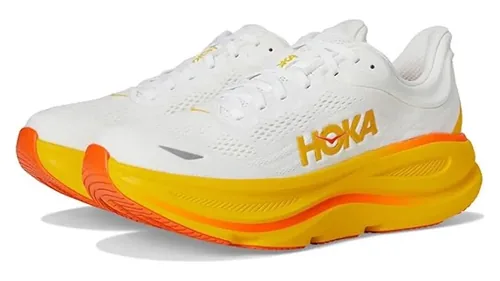
The Bondi 9 is our best overall choice because Hoka combines a thick midsole with its Smooth MetaRocker geometry. The rocker helps the shoe move forward through the gait cycle instead of relying entirely on big-toe extension, while the broad base keeps the tall platform relatively stable.
Hoka lists the Bondi 9 for walking, everyday running, lifestyle and recovery. The 5mm drop keeps the heel-to-forefoot slope moderate, and wide versions are available. It is bulky, but that is a reasonable trade-off when limiting painful toe bend is the priority.
Read our Hoka Bondi 9 review.
Brooks Ghost Max 4
Best for: Rocker-assisted walking with extra room for orthotics.

The Ghost Max 4 is the strongest alternative to the Bondi because Brooks explicitly builds it around a GlideRoll rocker. The curved sole assists the transition from landing to toe-off, and the broad base gives the shoe a planted feel despite the high stack.
Brooks also describes the fit as roomy enough to accommodate orthotics and varied foot shapes. The 6mm drop and soft DNA LOFT v3 cushioning make it comfortable for long walking, while the rocker is the feature that matters most for hallux rigidus.
Read our Brooks Ghost Max 4 review.
New Balance Fresh Foam X More v6
Best for: Wide feet and people who want maximum cushioning through the forefoot.

The More v6 is not as aggressively rockered as the Bondi or Ghost Max, but its unusually thick forefoot cushioning and broad platform can make hard surfaces feel much less harsh. New Balance offers standard, wide and extra-wide versions, which is valuable when the big-toe joint is swollen or a wider forefoot is simply more comfortable.
The listed drop is 4mm. The main caution is softness: if a very soft shoe makes you feel unstable, the 928v3 or Addiction Walker 2 may be more comfortable. Read our New Balance Fresh Foam X More v6 review.
New Balance 928v3
Best for: Firm walking support, orthotics and very wide feet.
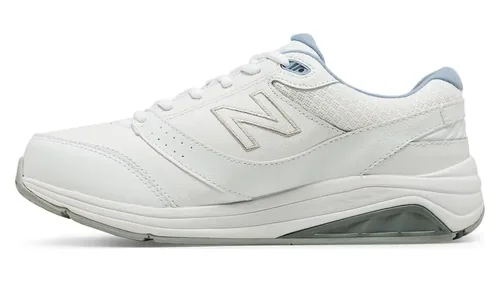
The 928v3 is old-school in appearance but still current in New Balance’s walking lineup. Its appeal for hallux rigidus is the firm, structured platform and enormous width range rather than plush cushioning. New Balance offers men’s widths through 6E and women’s widths through 4E.
The removable polyurethane footbed creates room for custom orthotics or a clinician-recommended stiffening plate. ROLLBAR and Walking Strike Path technologies add rearfoot control, which can be useful if you want a traditional walking shoe rather than a tall rocker trainer.
We currently have a detailed 928v3 review in draft, so this guide links directly to the product search until that review is published.
Orthofeet Edgewater
Best for: Men who need extra depth, a stretch upper and room around a sensitive big-toe joint.
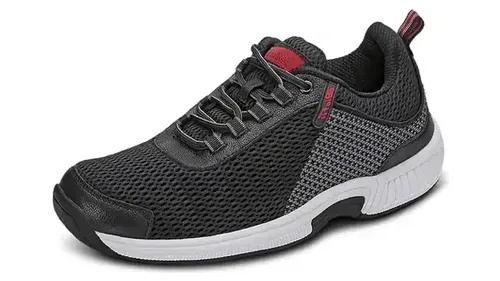
The Edgewater addresses the upper-fit side of hallux rigidus better than most athletic shoes. Orthofeet builds it for sensitive feet with a stretchable knit upper, extra depth, a roomy forefoot and removable support components. That can be helpful when the joint is enlarged or a dorsal bone spur makes rigid uppers uncomfortable.
This is not the stiffest or most rockered shoe here, so it makes the most sense when pressure from the upper is the main problem or when you need room for an orthotic or stiffening insert. Orthofeet currently sells the Edgewater as a men’s model.
Brooks Addiction Walker 2
Best for: Firm support, work and people who dislike soft max-cushion shoes.
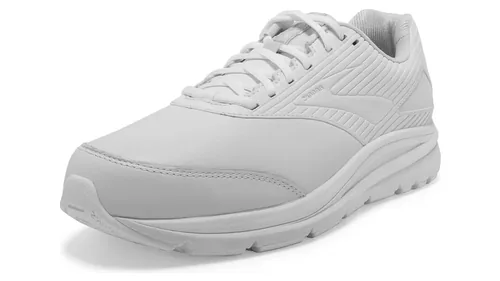
Brooks’ current walking model is the Addiction Walker 2, not an Addiction Walker 3. It uses a leather upper, structured support and a firm platform that resists the excessive softness some people dislike in modern max-cushion shoes.
The shoe is available in narrow through extra-wide widths and has a removable insole. Brooks also lists it under PDAC code A5500, but that does not mean every retail purchase is automatically reimbursed by Medicare. Coverage depends on medical eligibility and the therapeutic-shoe process.
Read our Brooks Addiction Walker 2 review.
Dansko Professional
Best for: Work settings where a rigid rocker-style clog is practical.
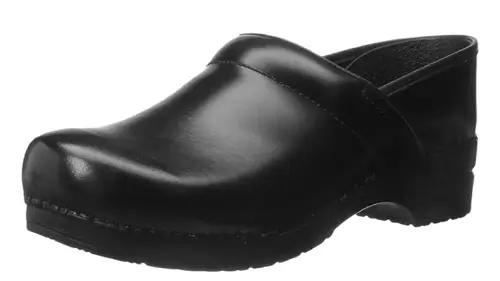
The Dansko Professional takes a very different approach from the running shoes above. Its polyurethane rocker bottom is stiff through the forefoot, which can reduce the amount of big-toe bending required during walking. That is the main reason the clog can work well for hallux rigidus.
The roomy toe box also leaves space around the front of the foot. The loose heel fit is intentional in a traditional clog, however, so it will not feel as locked-in as a lace-up shoe. It is best for work environments where clogs are already practical rather than for uneven outdoor walking.
Read our Dansko Professional review.
What to Look for in Shoes for Hallux Rigidus
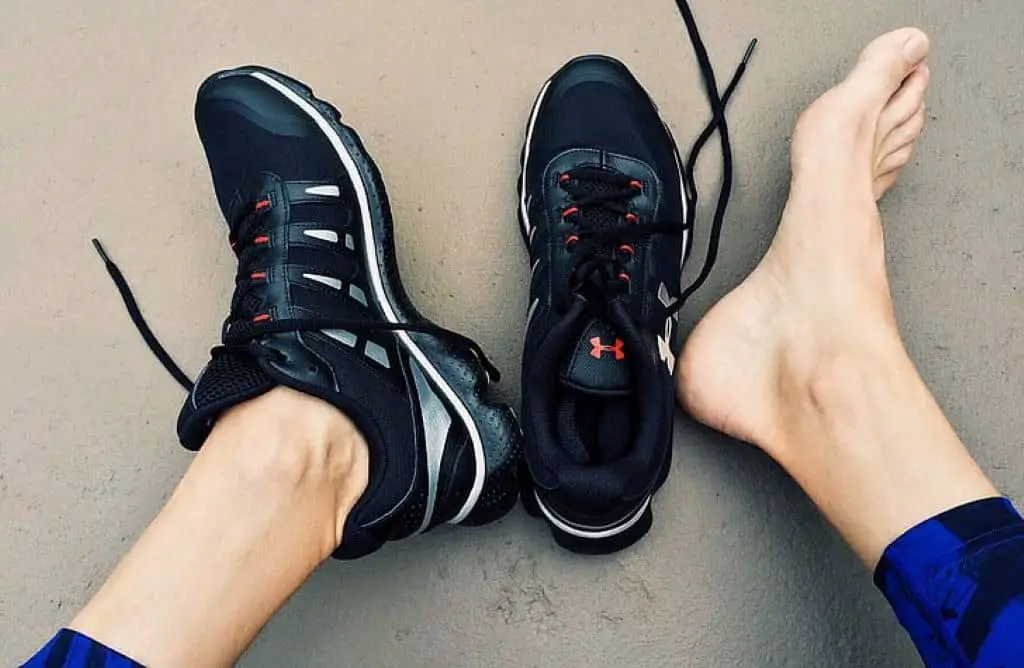
Start with the sole. Hold the shoe at the heel and forefoot and gently try to bend it. A hallux-rigidus-friendly shoe usually resists folding sharply at the big-toe joint. A rocker can then help replace some of that lost forefoot motion by allowing the shoe to roll forward. This combination—less flex plus a smoother roll—is more important than simply buying a shoe labeled “supportive.”
Next, check the toe box. Hallux rigidus can create swelling or a bone spur on top of the MTP joint, so both width and vertical volume matter. Your big toe should not touch the side or roof of the shoe. Avoid narrow pointed shoes and high heels, which can increase forefoot pressure.
If a shoe is otherwise comfortable but still bends too much, a podiatrist may recommend a stiff insert such as a carbon-fiber plate or Morton’s extension. Do not add a rigid plate blindly: it changes shoe volume and mechanics, so it should fit the shoe properly. Our insole and orthotic guide explains the difference between over-the-counter inserts and custom devices.
When Hallux Rigidus Needs Medical Treatment
Footwear changes are a conservative way to reduce symptoms, but they do not reverse the arthritis. See a clinician if big-toe pain, stiffness or swelling is persistent, worsening or limiting normal walking. Cleveland Clinic notes that most people start with nonsurgical options such as footwear changes, activity modification, icing and medication, but surgery may be considered when pain and stiffness interfere substantially with daily life.
Early-stage hallux limitus and advanced hallux rigidus can feel different, so diagnosis matters. A clinician may use an exam and imaging to determine how much joint-space loss, bone-spur formation or cartilage damage is present. Treatment can range from shoe modifications and orthotics to procedures such as cheilectomy or, in more advanced cases, joint fusion or replacement.
Get assessed sooner if pain follows an injury, the joint becomes suddenly very red or hot, or you cannot comfortably bear weight. Those symptoms can have causes other than ordinary osteoarthritis.
Frequently Asked Questions About Hallux Rigidus Shoes
The key shopping principle is to reduce painful big-toe bending without creating a new pressure point elsewhere. Rocker shoes, rigid walkers and orthotic-friendly comfort shoes can all work, but they solve different parts of the problem. These answers cover the most common decisions.
Look for a stiff or rocker-shaped sole, enough room around the big toe and a secure fit. The goal is to reduce how much the big-toe joint must bend during push-off while avoiding pressure on the joint.
Some Hoka models can work well because their rocker geometry helps the foot roll forward with less big-toe bending. The Bondi 9 is our strongest Hoka option because it combines a pronounced rocker, broad base and high cushioning. For current sizes and availability, check Hoka Bondi 9 sizes on Amazon.
Usually not. A very flexible forefoot can force the painful big-toe joint to bend more. Cleveland Clinic recommends stiff-soled footwear, and rocker soles can further reduce the need for toe extension during walking.
A stiffening plate may reduce big-toe motion and can help some people, but fit and placement matter. A podiatrist or other foot specialist can advise whether a carbon-fiber plate, Morton’s extension or custom orthotic is appropriate.
They are better when the big-toe joint is being squeezed or the forefoot is genuinely wide. The shoe should provide room around the joint without becoming so loose that the foot slides forward.
Some people with mild symptoms can continue running with appropriate footwear and medical guidance, but high-impact activity can aggravate a painful joint. If running causes increasing pain or stiffness, get evaluated rather than trying to run through it.
See a clinician if big-toe pain, stiffness or swelling is persistent, worsening or limiting walking. Seek earlier care after an injury or if the joint becomes suddenly very red, hot or difficult to bear weight on.