Last Updated on September 29, 2026
Quick Answer: The PowerStep Pinnacle Low is our best overall insole for flat feet because it combines a low-profile arch shape, deep heel cradle and full-length cushioning without forcing a high arch under the foot. Superfeet All-Purpose Support Low Arch is better for tighter shoes, while Tread Labs Pace SL is the most adjustable choice because it comes in several arch heights. The Birkenstock Blue Footbed is a good cork-based option for everyday shoes. Flat feet do not always need insoles; use them when added support or comfort actually helps. Compare all four picks side by side.
Flat feet describe a foot shape, not automatically a problem. Plenty of people have low arches and no pain at all. An insole becomes useful when you want more structure inside a flexible shoe, your feet roll inward more than feels comfortable, or your current shoe leaves your heel and midfoot feeling unsupported.
The mistake is assuming that a flat foot needs the tallest or hardest arch support available. A high arch bump can feel intrusive under a genuinely low arch. The better approach is to match the insole to your foot shape and the amount of room inside the shoe. If you have persistent pain, numbness, a new change in foot shape or one foot that suddenly looks different from the other, get medical advice rather than relying only on an insert.
Best insoles for flat feet at a glance
Insole | Best for | Arch profile | Thickness | Typical price |
|---|---|---|---|---|
Best overall | Low | Full length | $54.95 | Check latest price | |
Tight or slim-fitting shoes | Low | Thin | $59.99 | Check latest price | |
Choosing your own arch height | Low to extra high options | Low profile | $75 | Check latest price | |
Cork-based everyday support | Contoured | Low profile | $56.95 | Check latest price |
Which type of insole should you choose?
If your feet are genuinely flat when you stand, start with a low-arch design rather than assuming more arch is better. The PowerStep Pinnacle Low and Superfeet Low Arch are the most straightforward choices here. If your arch appears when you sit but flattens when you stand, you may prefer a little more structure; Tread Labs is useful because you can choose from several arch heights instead of accepting one fixed shape.
Shoe fit matters just as much as arch shape. A thick full-length insole works best when the factory liner can be removed. Tight dress shoes, casual shoes and lower-volume sneakers usually need a thinner insert. If adding an insole makes your toes feel cramped or lifts your heel too high, the insert is too bulky for that shoe even if the arch feels good.
PowerStep Pinnacle Low: Best overall for flat feet
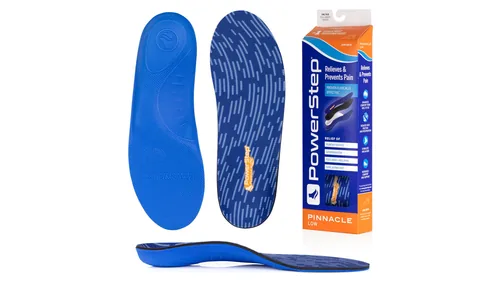
The Pinnacle Low is the most direct match for the search intent on this page. PowerStep specifically builds it around a low arch profile, with a firm-but-flexible support shell, deep heel cradle and two layers of cushioning. That combination gives the foot some structure without putting a tall arch under a low midfoot.
It works best in walking, running, casual and work shoes where you can remove the factory insole. It is not the thinnest option here, so it may take up too much room in low-volume dress shoes. For everyday sneakers and walking shoes, though, it offers the best balance of low-arch shape, heel control and cushioning.
Best for: low arches, everyday walking and shoes with removable liners.
Skip it if: your shoes are already tight through the instep or toe box.
PowerStep Pinnacle Low price and sizes on Amazon
Superfeet All-Purpose Support Low Arch: Best for tighter shoes
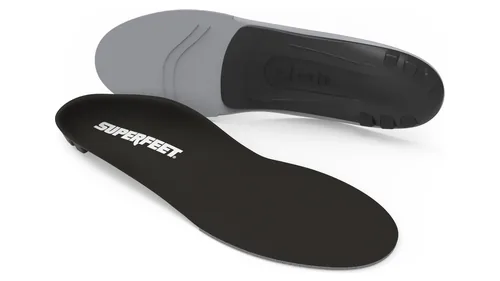
This is the current name for the insole many longtime buyers knew as Superfeet Black. It uses a low arch shape and thin profile, making it a better fit for shoes that do not have much spare interior volume. Superfeet says it can work in moderate-to-tight fitting footwear, including some shoes without removable factory liners.
The cushioning is firm rather than plush. That makes it a better choice for someone looking for structure and heel stability than someone who mainly wants a softer step. It can also be trimmed to fit, which helps when moving between different shoe shapes.
Best for: flat or low arches in slim everyday, walking or work shoes.
Skip it if: you want thick, soft cushioning under the whole foot.
Superfeet All-Purpose Support Low Arch price and sizes on Amazon
Tread Labs Pace SL: Best if you want to choose your arch height
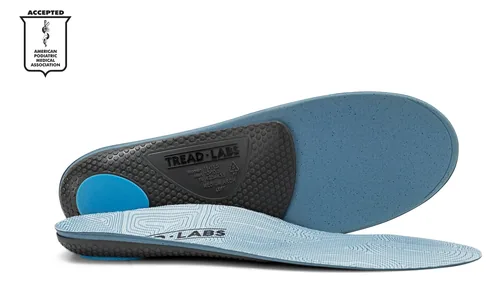
The Pace SL is useful because it does not assume everybody with “flat feet” needs exactly the same arch shape. Tread Labs offers the current Pace SL in low, medium, high and extra-high arch heights. For a foot that stays flat when sitting and standing, the low version is the logical starting point. A flexible arch that appears when unloaded may feel better with a different height.
This is also the newest model in the group. The SL version is designed to be lower profile than the standard Pace and uses a firm support platform with targeted heel cushioning. Its main downside is price. You are paying more for the ability to tune arch height and for a replaceable top-cover system.
Best for: people who want more control over arch-height selection or have struggled with one-size-fits-all insoles.
Skip it if: you want the cheapest simple low-arch insert.
Tread Labs Pace SL price and sizes on Amazon
Birkenstock Blue Footbed: Best cork-based everyday option
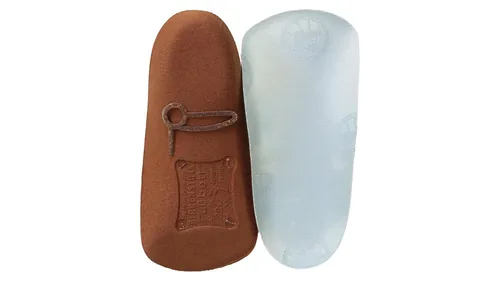
The current Blue Footbed uses Birkenstock’s familiar cork-based contoured platform in an insert you can move into other shoes. It is designed to support and stabilize the foot and includes a shaped heel area. The current full-length version can be trimmed for sneakers, shoes and boots.
This is less specifically targeted to flat feet than the PowerStep or Superfeet options, so it is better for someone who already likes the feel of Birkenstock footbeds and wants that firmer contoured sensation in another shoe. Cork also feels different from foam or plastic support shells, which can be a plus if synthetic insoles feel too rigid underfoot.
Best for: Birkenstock users who want a cork-based support insert for everyday shoes.
Skip it if: you specifically need a very low arch profile or maximum cushioning.
Birkenstock Blue Footbed price and sizes on Amazon
How we chose these insoles
We focused on current products that let a person with flat or low arches make a clear fit decision. We looked at arch height, overall thickness, heel structure, cushioning, whether the factory shoe liner needs to be removed, current availability and whether the manufacturer clearly explains who the insole is designed for. We did not assume that the most aggressive arch support is automatically the best choice for a flat foot, and we do not claim that every insole here was personally tested by Best Walking Feet.
How to fit an insole for flat feet
Start with the shoe. If the original liner lifts out, remove it before adding a full-length replacement insole unless the manufacturer tells you otherwise. Putting a thick insert on top of a thick factory liner can raise the foot too high and make the shoe feel short or tight. Your heel should still sit securely in the back of the shoe and your toes should have their normal room.
Pay attention to where the arch support contacts your foot. It should feel supportive, not like a hard lump pressing into the middle of your arch. Give a new insert some gradual wear time, but persistent pressure, numbness or increasing pain is a reason to stop using it. An insole should improve the fit and comfort of a suitable shoe; it cannot turn a badly fitting shoe into the right shoe.
If you would rather start with footwear designed for low arches, see our guides to the best running shoes for flat feet, best shoes for men with flat feet and best walking shoes for flat feet.
Frequently asked questions about insoles for flat feet
No. Many people with flat feet have no pain or functional problem. Insoles are most useful when extra support improves comfort, fit or stability in a particular shoe.
Not automatically. A genuinely low arch often feels better with low or moderate support. A very high arch insert can create uncomfortable pressure if it does not match your foot shape.
Our best overall pick is the PowerStep Pinnacle Low because it combines a low arch profile, heel cradle and full-length cushioning. The best choice still depends on your shoe volume and how your foot feels in the insert.
A structured insole can change how the foot sits inside the shoe and may help some people feel more stable. Overpronation itself is not automatically a problem, so comfort and symptoms matter more than trying to force a specific foot position.
Usually yes when installing a full-length replacement insole, especially if the factory liner is removable. Stacking two thick insoles can make the shoe too tight or raise the heel too high.
Often. Dress shoes and low-volume casual shoes usually have less interior space, so a thinner insole such as Superfeet All-Purpose Support Low Arch or a low-profile Tread Labs option is easier to fit.
Get professional advice if you have persistent or worsening pain, numbness, significant swelling, a sudden change in arch shape, or one foot that changes differently from the other.