| Quick Answer: The best rocker bottom shoes use a curved sole to help the foot roll from landing to toe-off with less bending through the forefoot. For most walkers, the Hoka Bondi 9 is the best place to start because its smooth rocker, broad platform and deep cushioning work well for everyday miles. The Keen WK400 II has a stronger rolling sensation built specifically for walking, while the Brooks Ghost Max 4 is a good choice if you want a stable rocker with room for orthotics. Compare all eight rocker shoes. |
Rocker bottom shoes curve upward at the heel, forefoot or both. Instead of relying entirely on your foot and ankle to bend through each step, the shoe helps roll you forward. That can make a thick or stiff shoe feel smoother, and it may reduce how much the big-toe joint needs to bend.
The important part is that rocker shoes do not all feel alike. Some, such as the Hoka Bondi 9, have a mild rolling feel. Others, such as the Keen WK400 II and Nike Motiva 2, make the curve much more obvious. The right choice depends on whether you want everyday walking comfort, extra stability, a stiff forefoot, help on hard floors or simply a smoother heel-to-toe transition. If you want the mechanics first, read what a rocker in shoes means and how rocker geometry works.
Best Rocker Bottom Shoes at a Glance
These are the rocker shoes we would start with for walking, foot comfort and long days on your feet. The price column uses U.S. launch MSRP for current numbered models where available. The Dansko Professional is a long-running model, so its reference price is the standard U.S. list price for the core version when this guide was updated. Retail prices change, which is why each row also includes a current-price link.
| Shoe | Best for | Rocker feel | Support | Launch/reference price |
|---|---|---|---|---|
| Hoka Bondi 9 | Best overall for walking | Smooth, moderate | Neutral, broad base | $175 | Check sizes and availability on Amazon |
| Keen WK400 II | Strong walking-specific rocker | Pronounced, continuous curve | Neutral with nylon plate | $170 | Check sizes and availability on Amazon |
| Brooks Ghost Max 4 | Stable rocker and orthotics | Smooth GlideRoll rocker | Neutral, broad base | $165 | Check sizes and availability on Amazon |
| Hoka Gaviota 6 | Stability and overpronation | Smooth rocker | H-Frame stability | $180 | Check sizes and availability on Amazon |
| Nike Motiva 2 | Walking with an obvious rolling feel | Exaggerated rocker | Neutral | $115 | Check sizes and availability on Amazon |
| Asics GlideRide Max 2 | Brisk walking and long runs | Strong rockered toe-off | Neutral | $170 | Check sizes and availability on Amazon |
| Hoka Bondi SR | Work and hard floors | Smooth rocker | Neutral, broad base | $180 | Check sizes and availability on Amazon |
| Dansko Professional | Firm rocker clog for work | Firm, obvious rocker | Structured clog platform | From $140* | Check sizes and availability on Amazon |
How We Chose These Rocker Shoes
A visible curve is not enough to make a shoe a good rocker shoe. We looked for designs where the curve meaningfully works with the midsole stiffness, cushioning and platform shape. We also favored shoes that solve a clear walking or foot-comfort problem instead of simply looking curved from the side.
For everyday walking, we prioritized a predictable transition and a base that does not feel tippy. For foot conditions that can make forefoot bending uncomfortable, we looked for a combination of rocker geometry and enough sole stiffness to reduce sharp bending through the toe area. For work shoes, we also considered outsole grip, upper durability and whether the shoe makes sense for long periods on hard floors.
Rocker strength matters, too. A strong rocker can feel efficient once you are moving, but some people dislike the sensation of being tipped forward. That is why this guide includes both mild and pronounced designs rather than treating “more rocker” as automatically better.
Hoka Bondi 9: Best Overall Rocker Shoe for Walking
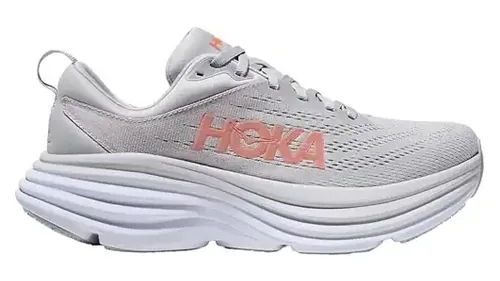
The Hoka Bondi 9 is the easiest recommendation for walkers who want a rocker without an aggressive rolling sensation. Hoka combines its Smooth MetaRocker with a tall supercritical EVA midsole and a broad platform. The result is a shoe that rolls forward gradually rather than feeling as if it suddenly falls over a tipping point.
That balance makes it useful for long daily walks, recovery walks and people who spend a lot of time on their feet. It is also available in wide and extra-wide versions, which gives it an advantage over many strongly rockered shoes. The trade-off is bulk: this is a tall max-cushion shoe, so people who prefer a low, flexible or highly ground-connected feel may find it excessive.
Read our full Hoka Bondi 9 review for fit, cushioning and walking details.
Keen WK400 II: Best Strong Rocker for Walking Exercise

The Keen WK400 II is the most walking-specific rocker in this group. KEEN.CURVE uses a constant curve from heel to toe, high-rebound cushioning and a full-length nylon plate. Keen describes the WK400 line as its more pronounced curve for exercise walking, while the flatter WK450 is aimed more at casual all-day wear.
You feel that geometry immediately. The WK400 II encourages forward motion and can make a steady fitness walk feel unusually fluid. That makes it particularly interesting if the rocker sensation itself is what you want, rather than simply a cushioned shoe that happens to have curved geometry. The contoured fit is more athletic and secure than the roomy fit of many comfort walkers, so people with very wide feet should pay close attention to sizing.
This is the shoe to try when you want to understand what a deliberate, continuous walking rocker feels like.
Brooks Ghost Max 4: Best Stable Rocker for Orthotics

The Brooks Ghost Max 4 is a good middle ground between a traditional neutral trainer and a strongly curved rocker shoe. Its GlideRoll Rocker works with a low 6 mm offset to assist the heel-to-toe transition, while the broad base keeps the shoe feeling stable underfoot.
Brooks specifically lists walking and orthotics among the Ghost Max 4’s intended uses, and the roomy platform makes sense for both. This is useful if you want rocker geometry but do not want a narrow, unstable or aggressively propulsive shoe. The high-stack DNA Loft v3 cushioning also makes it suitable for long walks and hard surfaces.
The Ghost Max 4 is still a neutral shoe rather than a dedicated stability model. If you need more guidance for overpronation, the Gaviota 6 below is the stronger match. Read our Brooks Ghost Max 4 review for the full fit and ride analysis.
Hoka Gaviota 6: Best Rocker Shoe for Stability
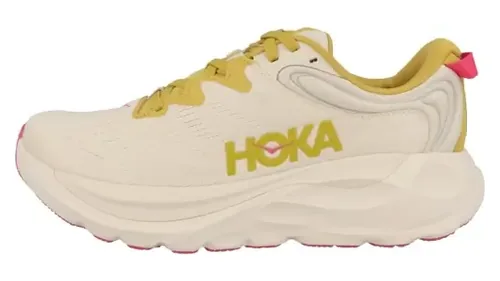
The Hoka Gaviota 6 combines a rockered Hoka ride with an H-Frame that adds guidance without using a traditional hard medial post. That makes it a useful choice for walkers who like the smooth roll of a Hoka but also want more structured support than the Bondi 9 provides.
The rocker is not the most aggressive here. Instead, the appeal is how the curve works with a broad, cushioned stability platform. This makes the Gaviota especially relevant for long walks, heavier walkers or people who tend to feel less secure in tall neutral shoes. If you have been told you overpronate, our walking shoes for overpronation guide explains what stability features actually do.
The Gaviota 6 is bulky compared with a lighter walking shoe, but that extra structure is part of the reason it feels more controlled. Read our Hoka Gaviota 6 review.
Nike Motiva 2: Best for an Obvious Rolling Sensation

The Nike Motiva 2 is a true walking shoe rather than a running shoe repurposed for walking. Nike uses an exaggerated rocker outsole and its Comfortgroove design to create a soft, rolling transition. Compared with the Bondi 9 or Ghost Max 4, the rocker sensation is more noticeable.
That makes the Motiva 2 appealing if you enjoy the feeling of the shoe nudging you forward through a walk. Nike also added more room through the forefoot, arch and toe box in the second version, which addresses one of the common fit concerns with highly sculpted walking shoes. The midsole remains soft, however, so walkers who want a firm platform or substantial stability control may prefer the Gaviota 6 or Ghost Max 4.
The Motiva 2 is one of the more affordable ways to try a pronounced rocker without moving into a specialized orthopedic or recovery shoe. Read our Nike Motiva 2 review for more detail on fit, cushioning and walking feel.
Asics GlideRide Max 2: Best for Brisk Walking and Long Runs
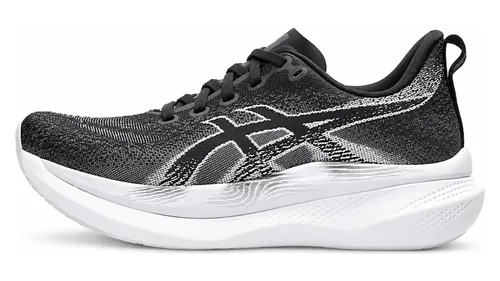
The Asics GlideRide Max 2 has one of the strongest performance-oriented rockers in this guide. A hard-pressed EVA plate sits inside the midsole, while Guidesole geometry curves the shoe to reduce ankle flexion and help it roll toward toe-off. That makes the shoe feel more directed than a simple soft max-cushion trainer.
For brisk walkers, run-walk training and runners who also walk substantial mileage, that efficient transition can be a real strength. The FF Blast Max cushioning is protective without turning the shoe into a soft, collapsing platform. Slow walkers who dislike a forward-rolling feel may find it more rocker than they need.
This is also an especially useful comparison shoe if you are trying to understand the difference between a comfort rocker and a performance rocker. Read our Asics GlideRide Max 2 review for more detail.
Hoka Bondi SR: Best Rocker Shoe for Work and Hard Floors
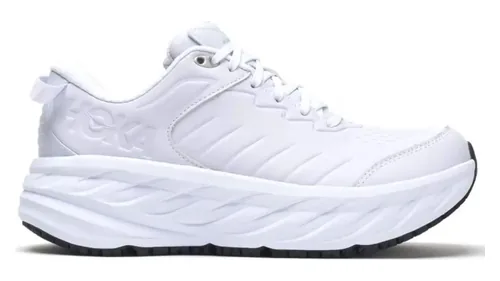
The Hoka Bondi SR takes the cushioned, rolling idea behind the Bondi and adapts it for work. It uses a leather upper and slip-resistant outsole, making it much more practical for restaurant, health care and other jobs where a regular mesh running shoe may not be appropriate.
The rocker can help a thick work shoe transition more smoothly across hard floors, while the cushioning reduces the harsh feel of concrete and tile. It is not a safety-toe shoe, and the leather upper makes it heavier and warmer than the standard Bondi. For the right job, however, it fills a useful gap between an athletic shoe and a traditional work clog.
See our Hoka Bondi SR review and our guide to the best shoes for walking on concrete all day if hard floors are the main problem.
Dansko Professional: Best Traditional Rocker Clog
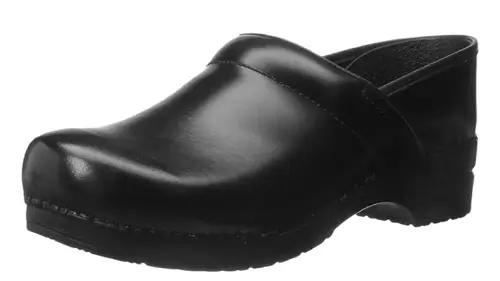
The Dansko Professional uses a very different rocker concept from the athletic shoes above. Its polyurethane outsole is firm and curved, and the shoe does not depend on a soft foam stack to create the rolling motion. The roomy toe box and stiff forefoot are part of why this long-running clog remains relevant for people who spend full shifts standing and walking.
The fit is intentionally different, too. A Dansko Professional allows some heel movement rather than locking the foot in like a running shoe. Some people love that traditional clog feel; others never adapt to it. The tall, rigid platform also requires more care on stairs and uneven ground than a conventional walking shoe.
This is the strongest work-clog option here if you specifically want a firm rocker bottom. Read our Dansko Professional review before buying because sizing and fit are unusually important.
Which Rocker Shoe Should You Choose?
Start with what you want the rocker to accomplish. A smooth rocker for ordinary walking is a different problem from reducing big-toe bending or creating a strong forward-rolling sensation during exercise.
- For everyday walking: start with the Hoka Bondi 9.
- For the strongest walking-specific rolling feel: try the Keen WK400 II.
- For a stable neutral shoe or orthotics: consider the Brooks Ghost Max 4.
- For added stability or overpronation: look at the Hoka Gaviota 6.
- For a noticeable rocker at a lower price: consider the Nike Motiva 2.
- For brisk walking, run-walk use or long runs: choose the Asics GlideRide Max 2.
- For restaurant, health care or other hard-floor work: consider the Hoka Bondi SR.
- For a firm, traditional work clog: consider the Dansko Professional.
If you are still not sure which type fits your walking needs, use our Free Shoe Finder or browse the best walking shoes hub for more options by support, cushioning and foot need.
If the reason you are shopping for a rocker is big-toe pain or stiffness, do not choose by curve alone. A rocker works best for that purpose when the forefoot is also stiff enough to limit painful bending. See our best shoes for hallux rigidus guide for footwear selected specifically around that problem.
Are Rocker Bottom Shoes Good for Foot Pain?
They can help some people, but “rocker shoe” is not a treatment by itself. Rocker geometry changes how the shoe moves beneath the foot. A stiff forefoot rocker can reduce how much the big toe bends during push-off, while other rocker designs can redistribute pressure or reduce some ankle motion. Those effects depend on the location of the curve, sole stiffness, walking speed and the individual wearer.
That is why a rocker that feels excellent for one problem can feel awkward for another. People with balance concerns may prefer a broad, moderate rocker rather than a narrow or highly unstable platform. People with plantar heel pain may care more about heel cushioning, rearfoot stability and fit than about the rocker itself. Our plantar fasciitis walking-shoe guide looks at those features together.
Medical safety note: Severe, sudden or persistent foot pain, numbness, major swelling, redness, warmth, pain after an injury or difficulty bearing weight should be evaluated by a qualified health professional. Footwear can change comfort and mechanics, but it cannot diagnose or treat the underlying cause of pain.
What to Look for in a Rocker Bottom Shoe
The most useful rocker is one that matches your pace and foot mechanics. A curve that begins farther back can create an earlier rolling sensation, while a later forefoot rocker may mostly affect toe-off. Stiffness matters just as much: a flexible shoe may have visible toe spring but still bend easily, while a stiff shoe relies much more on its rocker shape to move forward.
Also look at platform width, heel security and overall fit. A tall rocker with a narrow base can feel unstable even if the curve itself is comfortable. If you need wide footwear, check the actual width options rather than assuming a shoe has a roomy toe box because it looks bulky. Our wide toe box shoe guide covers models built around forefoot room.
Finally, think about the surface. A rocker that feels great on a treadmill or smooth sidewalk may feel less secure on uneven trails, stairs or sloped pavement. Use the shoe where you actually plan to walk.
Frequently Asked Questions About Rocker Bottom Shoes
A rocker bottom shoe has a curved sole that helps the shoe roll from landing toward toe-off. The curve may be mild or pronounced, and the effect depends on sole stiffness, cushioning and where the rocker begins.
The Hoka Bondi 9 is our best overall starting point for walking because its rocker is smooth rather than aggressive, its platform is broad and it offers deep cushioning plus wide and extra-wide options.
The Keen WK400 II has one of the most deliberate walking-specific rocker designs here. Its KEEN.CURVE geometry creates a continuous heel-to-toe curve and a noticeable feeling of forward momentum.
A stiff forefoot rocker may reduce how much the big-toe joint needs to bend during walking, which can help some people with hallux rigidus. Fit and sole stiffness matter, so use a condition-specific guide or clinical advice rather than choosing by rocker shape alone.
They can be comfortable for jobs that mix standing and walking, especially when the shoe also has enough cushioning and a stable base. For mostly stationary standing, rocker geometry may matter less than cushioning, fit and platform stability.
Some can. A strong curve, tall stack or narrow base may feel less stable, especially at slow speeds or on uneven ground. Broad platforms such as the Bondi 9, Ghost Max 4 and Gaviota 6 generally feel more planted than narrow rocker designs.
No. Heel-to-toe drop measures the height difference between the heel and forefoot inside the shoe. Rocker describes the lengthwise curve of the sole. A shoe can have a low drop and strong rocker or a higher drop and mild rocker.