Last Updated on September 13, 2026
Walking is one of the most effective and accessible ways to improve your health. It supports heart health, helps manage weight, improves mood, and keeps your joints moving.
But one question comes up again and again: Is morning the best time to walk? You’ve probably seen strong opinions online. Some say early morning is the only time that works. Others say timing doesn’t matter at all. The truth sits in the middle.
Are Morning Walks Actually Better?
Morning walks can be a great choice for many people, but they are not universally better than walking later in the day. What research and health organizations consistently agree on is this:
The best time to walk is the time you can stick to consistently. That said, morning walking does have some real advantages that make it easier for many people to build a long-term habit.
Why Morning Walks Work So Well for Many People
There are a few practical and physiological reasons morning walks tend to stick. Before getting into the details, it helps to think about this from a lifestyle perspective. Most exercise routines fail because of inconsistency, not because the timing was wrong. Morning walking solves that problem for a lot of people. Here’s why.
Removes excuses later in the day
Once your day starts, things get unpredictable. Work runs long. Errands pop up. Energy drops. Walking in the morning gets your activity done before any of that can interfere. This is one of the strongest real-world advantages, even more important than any physiological benefit.
Help you feel more alert early
A brisk walk increases circulation and helps your body transition out of sleep mode. Many people find that a 20 to 30 minute walk wakes them up more effectively than easing slowly into the day.
Supports routine building
Habits are easier to form when they happen at the same time every day. Morning routines tend to be more stable than evenings, which makes it easier to turn walking into something automatic rather than something you have to negotiate with yourself.
It may help regulate sleep over time
Regular physical activity is associated with better sleep quality. Morning exposure to natural light combined with movement can also help reinforce your body’s internal clock, although the effect varies from person to person.
Outdoor conditions are often better
If you walk outside, mornings usually offer cooler temperatures, lower traffic, less air pollution, and a quieter environment. All of these make walking more comfortable and sustainable, especially in warmer months.
What Morning Walks Do Not Guarantee
This is where most articles go off track. It is not accurate to claim that morning walks dramatically boost metabolism in a unique way, automatically reduce cravings all day, or are universally better for fat loss.
Exercise timing research is still evolving. Some studies suggest small differences, but nothing strong enough to support sweeping claims. For most people, total activity matters far more than when it happens.
When Walking Later in the Day Makes More Sense
Morning walking is not practical for everyone, and forcing it can actually hurt consistency. There are many situations where another time is better. For some people, a different schedule simply works better:
- Shift workers or night workers
- Parents managing school routines
- People who feel stiff or slow in the morning
- Anyone who struggles with early wake-ups
In these cases, walking later in the day is not a compromise. It is the smarter choice.
Benefits of Walking in the Afternoon or Evening
If morning does not work, you still get nearly all the same benefits. Walking later in the day can actually offer its own advantages. An afternoon or evening walk can help you decompress after work, improve mental clarity after long periods of sitting, reduce stress before the evening, and create social opportunities if walking with others. A short walk after dinner can also support digestion, though it is best to leave some time between more intense walking and bedtime if you are sensitive to stimulation before sleep.
Walking Before or After Breakfast
This is one of the most common follow-up questions. Some people prefer walking before eating, while others feel better after. Walking before breakfast may feel lighter and more efficient for some people, especially if the walk is short and easy.
Walking after eating can feel better if you need energy or are doing a longer or faster walk. There is no single correct answer. Comfort and consistency matter more than timing here.
Why Your Walking Shoes Matter More Than Timing
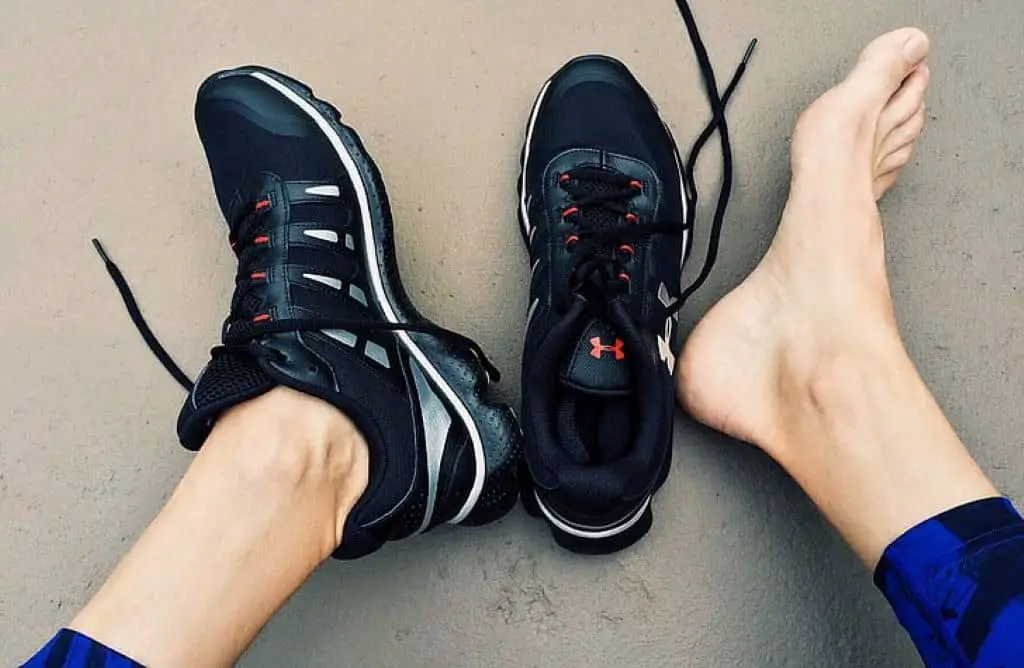
Once you’ve figured out when you’re going to walk, the next factor that really affects how you feel is what’s on your feet. The difference between a walking routine that sticks and one that fades often comes down to discomfort. Sore arches, knee pain, or general foot fatigue can turn a simple daily walk into something you start avoiding.
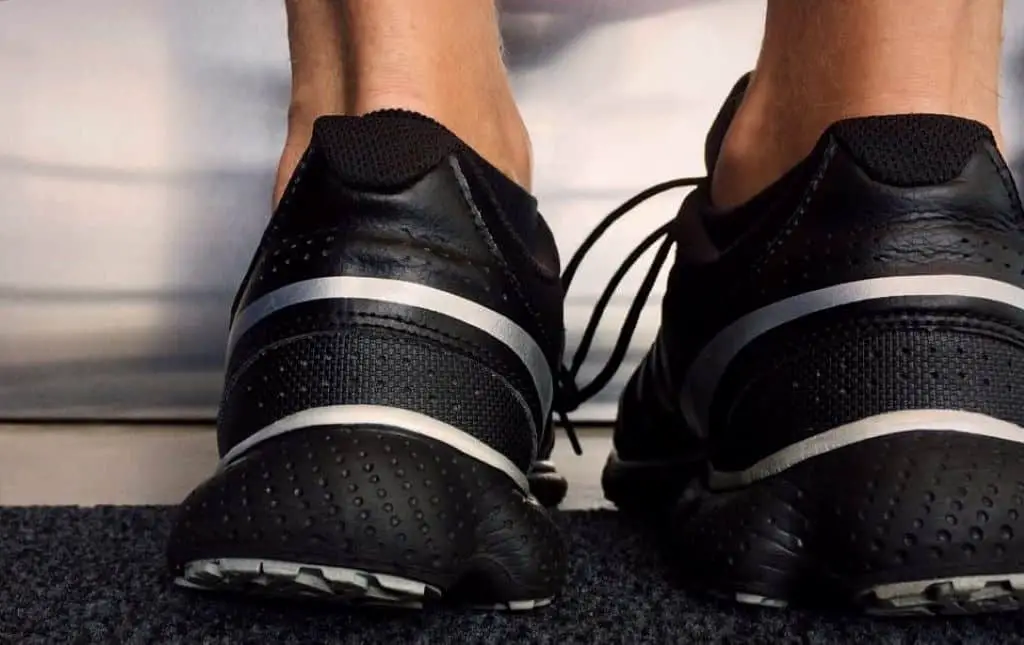
The right shoes help prevent that. A well-cushioned, supportive walking shoe can reduce joint impact, improve stability, and make it easier to stay consistent day after day. This becomes even more important if you’re increasing your distance or walking on harder surfaces like pavement.
If you’re just getting started, or trying to make walking a daily habit, it’s worth getting this part right early.
Best Walking Shoes for Comfort and Support
If you’re unsure where to start, this guide breaks down the top options based on comfort, support, and real-world use:
If you’re dealing with specific issues, these targeted guides will help you narrow things down:
- Best walking shoes for plantar fasciitis
- Best walking shoes for knee pain
- Best cushioned walking shoes
Choosing the right pair can make a bigger difference than the time of day you walk. It’s one of the easiest ways to make your routine more comfortable and sustainable over the long term.
How Much Walking Do You Actually Need?
If you want real health benefits, the focus should be on volume and consistency. Most guidelines recommend at least 150 minutes of moderate activity per week. That works out to about 20 to 30 minutes per day. You can split that up however you want. Morning, afternoon, or evening all count the same.
How to Choose the Best Time for You
Instead of chasing the perfect time, use a simple filter. The best walking time is the one that fits your daily schedule without stress, feels physically comfortable, is easy to repeat most days, and does not rely on motivation alone. If that’s morning, great. If it’s after dinner, that’s just as effective.
Video on Walking Advice From a Hospital
Also see this video for the benefits of walking from CHI Health, anaccredited US hospital: