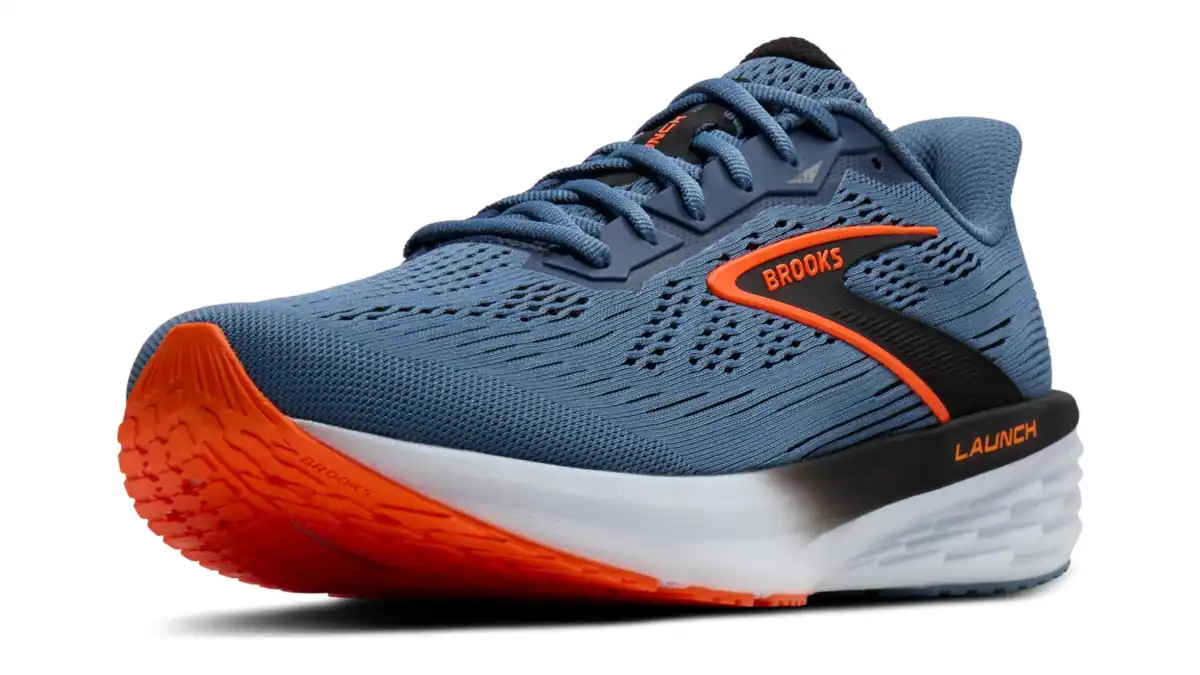
Quick Answer: Brooks Launch 12. The Launch 12 is a straightforward, lightweight running shoe for people who want something simple, reasonably priced and easy to move in. It feels firmer and more connected to the road than a soft comfort shoe, which makes it pleasant for short runs and quicker efforts but less forgiving when your legs are tired. For a casual runner who does a few miles at a time, it offers a lot for $120. For long walks or long runs, you may want more cushioning. See what the Launch 12 feels like in everyday use.
The Launch 12 is refreshingly uncomplicated. There is no plate, no towering stack of foam and no feeling that you need to be a serious runner to understand it. Put it on and it feels light, fairly firm and easy to turn over.
That can be a very good thing for someone who runs two or three times a week, does a 5K now and then, or wants a lighter shoe alongside a more cushioned pair. The catch is that it does not give your legs much help on long outings. If your feet, knees or hips appreciate a softer landing these days, the Launch may feel a little bare after an hour or more.
What the Brooks Launch 12 feels like in real life
| Best for | Short everyday runs, faster miles, beginners and runners who prefer a simple, firm feel. |
| Overall feel | Light, flexible and fairly firm. You can feel the road more than you can in a plush daily trainer. |
| Cushioning | Enough for everyday miles, but not designed to pamper tired legs on long runs or all-day walks. |
| Heel-to-toe drop | 8 mm. Your heel sits moderately higher than your toes, so the shoe feels familiar if you have worn conventional running shoes before. |
| Weight | 8.9 oz. men’s / 7.9 oz. women’s. That keeps the shoe feeling light without making it feel flimsy. |
| Fit | Traditional and secure, with an average toe box. Brooks currently lists Medium width. |
| Why the foam matters | Brooks uses lightweight DNA FLASH cushioning. You do not need to remember the name; the practical effect is a firmer, springier feel than the soft foam used in comfort-first shoes. |
| Launch price | $120 | Check latest price |
What you may like
Here is where the Launch 12 earns its keep:
- Light on the foot without being flimsy, which makes easy runs feel less like work
- Quick and willing at faster paces, so it doubles as a strides and tempo shoe
- $120 buys a shoe that runs like a far more expensive one
- Secure, traditional fit with a lightweight upper
- Plenty of rubber under the forefoot, so it wears well for a light shoe
What to keep in mind
And where it asks you to compromise:
- Modest cushioning by current standards, which shows up on runs beyond about 90 minutes
- The firm, connected feel that some runners love is exactly what others dislike
- The upper is plain and a little warm in summer
- Nothing about it is exciting, which matters if you are shopping on feel
- Not enough shoe for heavier runners doing high mileage
What is new compared with the Launch 11
The important change is inside the midsole. The Launch 11 used a single foam throughout, and the Launch 12 splits it in two: DNA Flash v1 under the heel, which is the softer of the pair and absorbs impact better, and the newer DNA Flash v2 at the forefoot, which is firmer and springier. Both are nitrogen-injected, meaning gas is blown into the foam to make it lighter and livelier.
The effect is subtle but real. Landings are less jarring than they were in the Launch 11, particularly if you land heel first, while the push off the front of the shoe still feels sharp. The 8 mm drop carries over from the previous version, as does the general shape, and the outsole keeps its large cutout between heel and midfoot, which saves weight and lets the shoe bend more easily. This is a shoe getting better in small ways rather than reinventing itself, which for a value trainer is the right approach.
Pros
- Light, responsive ride with strong road feel
- Simple geometry with no plate or aggressive rocker
- Good second shoe for shorter and faster training days
- Affordable compared with premium speed-focused trainers
Cons
- Less protective than max-cushion shoes on long runs
- Heavier runners may want more cushioning for high mileage
- No built-in stability guidance for overpronation
Who this shoe is likely to suit: Brooks Launch 12
Buy it if you like a shoe that feels connected to the ground. Much of the market has moved to tall, soft platforms, and plenty of runners simply do not enjoy them. The Launch 12 sits lower and firmer, so you can feel the road under you and the shoe responds immediately when you push. For a runner who finds modern max-cushion shoes vague and wobbly, this is a relief.
Buy it as a second pair. If you already own a cushioned trainer for long runs, a light, quick shoe for shorter and faster days rounds out a rotation nicely, and at $120 that is an easy decision. Alternating shoes also spreads the wear, so both pairs last longer.
Buy it if you are starting out and want something honest. There is no learning curve here: no rocker to adapt to, no plate to work around and no unusual geometry. For a first proper running shoe, or for a couch-to-5K plan, it is one of the easiest recommendations to make.
You may want something else if…
Skip it if you want cushioning. At 33.4 mm under the heel it is not a thin shoe by historical standards, but it is well short of what a modern comfort trainer offers, and on a two-hour run you will feel the difference. Heavier runners logging serious mileage will find it runs out of protection. And if your feet roll inward and you have been told you need support, this shoe offers none, so it is the wrong starting point.
Look at these instead:
- Brooks Ghost Max 4: the same brand’s soft, tall, forgiving option, with a rocker shape that makes long runs and long walks much easier on the legs (check price | read review)
- Mizuno Wave Rider 30: a much more cushioned everyday trainer that also handles walking well, for anyone who wants comfort rather than sharpness (check price | read review)
- Asics GT-1000 15: an affordable support shoe for feet that roll inward, and priced close enough to the Launch that it is a fair swap (check price | read review)
Gender-specific buy links: Men’s version | Women’s version
Not sure which shoe fits your needs? Find the ideal shoe for you with our free Shoe Finder.
How the Launch 12 feels on your foot
The Launch 12 fits like a traditional Brooks trainer, which is to say straightforward and slightly snug. There are no surprises in the shape, no unusual volume anywhere and nothing that needs breaking in. Most people can order it online with reasonable confidence.
How the fit feels
Take your normal size. Length is accurate and the heel is held securely by a moderately padded collar, while the midfoot wraps close without pinching. The toe box is average: not tight, but not especially roomy either. Brooks currently lists the Launch 12 in Medium width, so runners with broad feet should try the fit before buying rather than sizing up automatically.
Comfort when you first put it on
The upper is a plain engineered air mesh, and plain is the right word. It does its job without ceremony: it holds the foot, it does not rub anywhere obvious and there is just enough padding at the tongue and collar to be comfortable without adding weight. Step-in feel is firm and neutral, with none of the immediate squishiness of a max-cushion shoe. Breathability is acceptable rather than excellent, and it runs a touch warm in real summer heat. For $120 there is nothing to complain about.
How the Launch 12 feels when you run
The Launch 12 is a straightforward shoe that does most things competently and one thing well. It is quick, and it makes running at a decent pace feel easy in a way heavier trainers do not.
What the cushioning feels like
Stack height means the depth of foam between your foot and the road, and at 33.4 mm at the heel and 24.5 mm at the forefoot this is a moderate amount by current standards. The split foam setup is the interesting part. The softer DNA Flash v1 under the heel takes the sting out of landing, which is where most runners feel impact, while the firmer v2 at the front gives you something solid to push against. The result is a ride that cushions where you need it and stays responsive where you want it. Do not expect plushness. This shoe is about feedback, not insulation.
What it feels like once you get moving
At easy paces the Launch 12 is pleasant and unremarkable. Pick the pace up and it comes alive. There is no plate and no rocker, so all the forward drive comes from the foam and from how readily the shoe bends, which is plenty at this weight. It is happy doing strides, a tempo run or a parkrun, and it is light enough that you never feel you are dragging it around. Where it struggles is duration. Past about 90 minutes the cushioning starts to feel thin and your legs notice.
Will it feel steady?
This is a neutral shoe with no support features, so it does nothing to guide a foot that rolls inward. That said, it is naturally steadier than most tall, soft trainers for a simple reason: a lower platform is harder to tip over. Runners with mild pronation who do not want a stability shoe often get along fine with a firm neutral trainer like this one, because there is less height to wobble on. Anyone with a genuine need for guidance should still choose a proper stability model.
Grip and everyday wear
Brooks uses RoadTack rubber, its hard-wearing road compound, and there is generous coverage across the forefoot where most of the wear happens. Between heel and midfoot there is a large cutout exposing the foam, which saves weight and helps the shoe flex, and is the usual place a light trainer shows wear first. Grip on dry and damp pavement is dependable. The 300 to 500 mile figure often quoted for running shoes is only a broad guideline, and a light shoe like this typically lands in the middle of it rather than the top.
Is the Brooks Launch 12 good for walking?
It is fine for walking without being a natural at it. The low weight helps on a long day of sightseeing or a brisk fitness walk, and the shoe flexes easily, which matters more at walking speed than running speed because you roll through the whole foot. Nothing about the shape fights you.
The limitation is cushioning. Standing on hard floors for hours, or walking on concrete all day, is where a firmer, thinner midsole stops being charming, and this is where a max-cushion shoe would be the smarter purchase. There is also no arch support to speak of, so if your feet need structure you will want something else or a supportive insole. As a light, cheap shoe that can run in the morning and walk in the afternoon, though, it does the job.
For walking-first recommendations, see our Best Walking Shoes guide.
Brooks Launch 12 vs Launch 11
Here is how the two compare:
Feature | Launch 12 | Launch 11 |
Midsole | DNA Flash v1 heel, DNA Flash v2 forefoot | Single DNA Flash foam |
Heel-to-toe drop | 8 mm | 8 mm |
Weight, men’s 9 | 8.8 oz (249 g) | Close to the Launch 12 |
Landing feel | Softer at the heel | Firmer throughout |
Outsole | RoadTack, heel to midfoot cutout | RoadTack, heel to midfoot cutout |
Price | $120 | Check latest price |
Buy the Launch 12 if you found the Launch 11 harsh on landing, because the softer heel foam is the one change you will actually notice. Buy the Launch 11 on clearance if firmness never bothered you, since everything else about the two shoes is close enough that the saving is worth more than the update.
Brooks Launch 12 alternatives
Shoe (links go to full reviews) | Choose it instead when… | Check price |
|---|---|---|
You want a similarly light trainer with more cushioning and rocker geometry. | ||
You want more bounce and cushioning for longer daily runs. | ||
You want a lighter, sharper trainer for faster workouts. |
Is it good value?
At $120 the Launch 12 is one of the best-value running shoes on sale, and that is the main reason to buy it. Most current daily trainers ask $140 to $160, and a good number of them are not meaningfully better for everyday miles. You get modern nitrogen-injected cushioning and a durable outsole at a price below many current daily trainers. What you give up is cushioning depth and any sense of occasion. For a shoe you will simply put on and run in four times a week, that is a very fair deal.
Our take for everyday walkers and runners
Best for: everyday miles on a budget, runners who prefer a firm connected ride, beginners, and anyone building a rotation who wants a light second pair.
Avoid if: you run long regularly, you want maximum cushioning, or you need stability features.
Fit: true to size for most runners, with a secure heel and average toe box. Brooks currently lists Medium width.
Verdict: The Launch 12 will not thrill anybody, and that is rather the point. It is a light, quick, honest running shoe that costs less than most of its rivals and gets better in the places that matter, and the softer heel foam fixes the one thing people complained about. If you want the most shoe for the least money, this is where to start looking.
Frequently Asked Questions About the Brooks Launch 12
Yes. It is light, straightforward and relatively affordable, with no plate or aggressive rocker. It is best for neutral runners who want a conventional daily trainer.
Brooks lists an 8 mm heel-to-toe drop.
Brooks lists the Launch 12 at 8.9 ounces for men and 7.9 ounces for women.
Brooks currently lists the Launch 12 in Medium width on its U.S. product page. Runners with broad feet should confirm current width availability before buying.
Yes. Brooks positions it for both everyday and faster runs, and its light DNA FLASH cushioning works well for strides and quicker daily mileage.
It can work for brisk walking and mixed run-walk use, but it is firmer and less cushioned than walking-first shoes.
The U.S. launch price was $120. Current pricing may be lower depending on size and color. Check latest price and available colors.