Quick Answer: Columbia Fairbanks Omni-Heat Review: The Columbia Fairbanks Omni-Heat is a light, waterproof, insulated winter boot for everyday cold-weather life: commutes, school runs, errands and walks on snowy sidewalks. A silver-dot lining reflects your own body heat back toward your feet, so it feels warmer than its moderate insulation suggests, and the soft foam midsole makes it far easier to walk in than a heavy pac boot. It comes in standard and wide fittings. The trade-offs are a mid-height collar that lets deep snow in and a soft upper that suits sidewalks better than job sites. Check latest price.
The Columbia Fairbanks Omni-Heat is the kind of winter boot most people actually need. It is a mid-height, lace-up boot with a mostly textile upper, a waterproof membrane and a moderate amount of insulation, and it is built to be worn all day in town rather than strapped on for an expedition. Columbia lists its best use as snow and ski days, but its real home is the walk from the parking lot to the office, the dog walk on a frozen morning and the hour on the sidelines at a weekend game.
The current version carries Columbia style number 2100831 and comes in men’s sizes 7 to 15 in standard and wide fittings. Columbia does not number the Fairbanks the way running brands number shoes, so you may still see older stock under a previous style number at some stores. Going by Columbia’s listings, the core recipe is the same: textile upper, Omni-Heat reflective lining, 200 grams of insulation, a Techlite foam midsole and an Omni-Grip rubber outsole. This review covers the men’s boot.

Specs
Here are the specifications for the Columbia Fairbanks Omni-Heat:
| Type | Mid-height, waterproof, insulated lace-up winter boot |
| Best for | Everyday winter walking, commuting and errands on snowy or slushy streets |
| Upper | Cordura textile, with leather, mesh and webbing listed among the materials |
| Waterproofing | Omni-Tech waterproof-breathable construction |
| Warmth | Omni-Heat Reflective silver-dot lining plus 200 grams of insulation; Columbia rates it Medium Warmth |
| Midsole | Techlite lightweight foam |
| Outsole | Omni-Grip non-marking rubber |
| Weight | About 15.7 oz per boot (Columbia’s figure for a men’s size 9), roughly 2 lb per pair |
| Widths | Standard and wide |
| Sizes | Men’s 7 to 15 |
| Price | Check latest price |
Pros
- Light for an insulated, waterproof boot, so your legs do not tire the way they do in a heavy pac boot.
- The reflective lining adds warmth without adding bulk, which keeps the boot slim and easy to walk in.
- A true wide fitting means broad feet do not have to size up and put up with heel slip.
- The Techlite foam feels closer to a cushioned walking shoe than a stiff winter boot.
- No real break-in: the soft upper and padded collar are comfortable from the first wear.
Cons
- The mid-height collar is too low for deep, unpacked snow.
- A soft textile upper scuffs and shows salt marks faster than leather or rubber.
- Medium warmth is not enough for standing still for hours in severe cold.
- The soft build gives less ankle and side-to-side support on rough, frozen ground than a stiffer boot.
Why this boot feels warmer than its insulation suggests
Two things keep your feet warm here. The first is conventional: 200 grams of synthetic insulation, a moderate amount that suits cold days when you are moving around. On its own, that would make the Fairbanks a mid-range winter boot.
The second is the reason people buy it. Columbia’s Omni-Heat Reflective lining is printed with small silver dots, and the brand says they “reflect and retain body heat.” In everyday terms, the dots bounce some of the warmth your feet give off back toward you instead of letting it pass straight through the boot wall. The fabric between the dots still breathes, so sweat can escape. For the buyer, that means more warmth without a thicker, heavier boot, and the Fairbanks stays slim enough to walk in like a shoe.
Columbia rates the boot Medium Warmth, and that is a fair way to think about it. It is warm for active winter days, walking errands and short waits outside. If you will stand still for long stretches in bitter cold, such as at an outdoor job, a hunting stand or an ice-fishing hole, you want a boot with heavier insulation or a removable liner.
Keeping feet dry matters as much as insulation, because damp socks lose heat quickly. The Omni-Tech construction is waterproof and breathable, so slush and puddles stay out while some of the moisture from your feet can escape. Our guide on how to keep your feet warm in winter covers socks and layering that help any boot perform better.
Who should buy the Fairbanks Omni-Heat
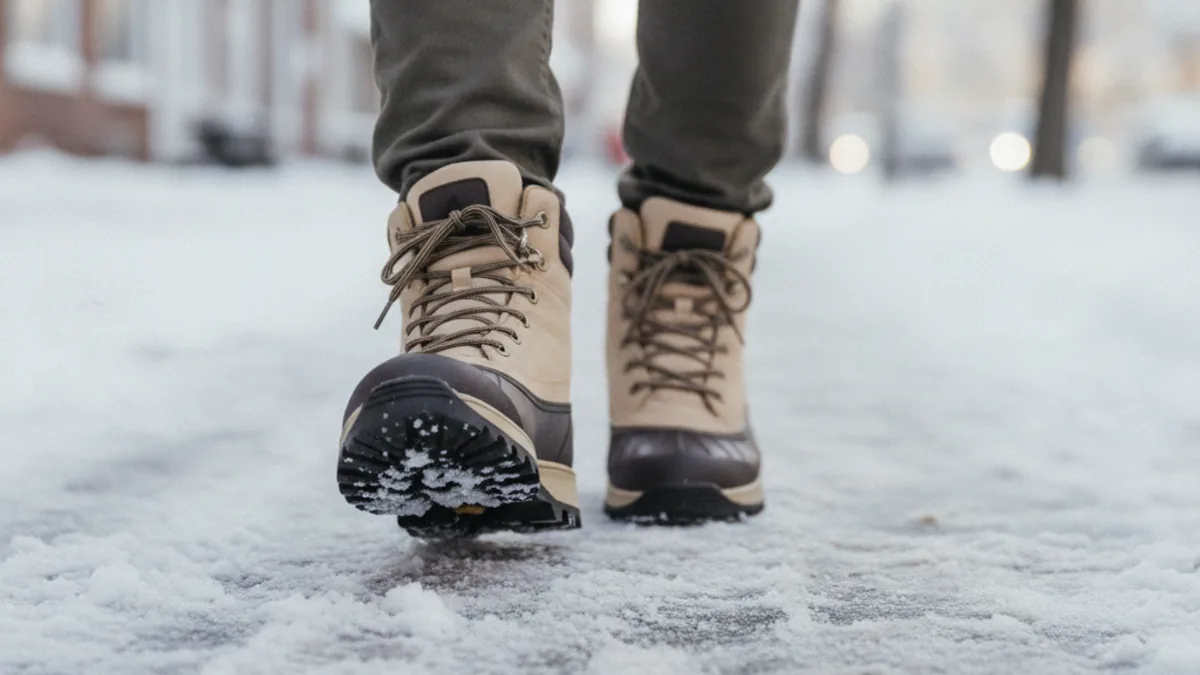
Buy it if your winter happens mostly on sidewalks, plowed paths and parking lots. Walking to a train, crossing a salted lot, running errands in slush or standing on a sideline for an hour are exactly the jobs it is designed for, and it does them without feeling like a heavy piece of equipment.
It is also one of the easier insulated boots to fit if you have broad feet. Most winter boots come in a single width, and the usual workaround of buying a larger size gives you a boot that is too long as well as roomier, which lets your heel lift with every step. Because Columbia makes the Fairbanks in a wide fitting, you can keep your normal length and still get the extra room.
And it suits people who usually dislike winter boots. If you find most of them stiff, clunky and tiring to walk in, the low weight, soft foam and easy flex of the Fairbanks make it feel much more like a padded hiking shoe.
Who should probably skip it
Skip it if your winter involves deep snow. The collar sits just above the ankle, so snow that comes higher than that will get in over the top. Skip it if you work outside in winter, because a soft textile upper is not built to be kicked against frozen ground, dragged through mud or soaked in salty slush every day. And skip it if you stand still for long periods in severe cold, since Columbia rates its warmth as medium rather than extreme.
These boots suit those situations better:
- Sorel Caribou: a tall, traditional pac boot with a waterproof rubber lower and a removable felt liner, built for deep snow and long periods outdoors in hard cold (check price | read review)
- Muck Boot Arctic Sport: a tall pull-on rubber and neoprene boot for wet farm, yard and barn chores where mud and meltwater would ruin a textile boot (check price | read review)
- Columbia Bugaboot III: Columbia’s taller, burlier snow boot, for buyers who like the brand but need more height for deeper snow (check price)
Still not sure which winter boot fits your feet and your routine? Our Free Shoe Finder can narrow it down.
Fit: true to size, with a real wide option
Start with your usual shoe size. The Fairbanks has a rounded, fairly roomy toe area, so most people should have space to wiggle their toes in a medium-weight winter sock. That room matters for warmth as well as comfort: toes squeezed against the front of a boot lose circulation and get cold faster.
If you normally buy wide shoes, choose the wide fitting rather than going up half a size. Extra length does not fix a tight forefoot. It just moves the bend of the boot away from the ball of your foot and lets your heel slip, which causes rubbing over a long walk.
Socks are the other thing to plan for. Try the boot on with the socks you will actually wear in January. A thick wool sock takes up noticeably more room than an everyday cotton sock, and a winter boot that is snug with thin socks can feel tight and cold with thick ones.
The upper is soft and flexible rather than stiff, with a padded collar and tongue and a pull tab at the back of the ankle to help you get it on. That softness is why there is almost no break-in. The trade-off is structure: the upper does not hold your foot firmly in place on uneven ground, so lace the top of the boot snugly when the footing is rough. If you wear custom orthotics or a supportive insole, bring them when you try the boot on, because they take up some of the room inside.

What it feels like on frozen sidewalks
The Fairbanks walks more like a cushioned shoe than a traditional winter boot. Techlite is Columbia’s lightweight foam, and the brand says it delivers “enhanced impact absorption” and “step-in comfort.” In plain terms, it is a soft, slightly springy layer that takes the jolt out of each step on hard, frozen pavement. Combined with a sole that bends readily at the ball of the foot, it makes long stretches of sidewalk feel much less tiring than they do in a stiff boot.
That softness has a cost on rough ground. Soft foam under a mid-height boot lets your foot rock a little more from side to side, so on rutted ice, frozen mud or a sloped trail you will want to place your feet carefully. On flat, plowed sidewalks and packed snow, it is not an issue.
Grip comes from Columbia’s Omni-Grip rubber outsole, which the brand says uses a tread pattern designed for traction on varied surfaces, and the rubber is non-marking, so it will not leave black streaks on indoor floors. The lugs clear packed snow and slush well. No ordinary rubber sole grips well on wet, glazed ice, though, so take short steps, keep your weight over your feet and consider slip-on ice cleats if your route turns to sheet ice.
Durability is mostly about the upper. A textile boot holds up well to normal city wear, but road salt, scuffs from curbs and repeated soakings will show sooner than they would on leather or rubber. Rinsing off salt with clean water after slushy days and letting the boots dry away from a direct heat source helps them last longer.
Is the Columbia Fairbanks Omni-Heat good for walking?
Yes, and walking is where it beats most insulated boots. At roughly 2 pounds a pair, it is much lighter than a traditional rubber-bottomed pac boot, and the flexible sole and soft foam let you walk with a natural stride. A few miles of winter errands or dog walks on plowed paths should feel comfortable, and the wide fitting helps if your feet swell over a long day.
It is less suited to winter hiking on rough trails or walking through deep, unplowed snow, where the low collar and soft upper become limits. For those, a taller boot or an insulated hiking boot is the better tool. And on days without snow and slush, a regular walking shoe will feel lighter and cooler still; see our guide to the best walking shoes for warmer-weather options.

Columbia Fairbanks Omni-Heat Alternatives
If you like the idea of the Fairbanks but want a different balance, these are worth a look.
The Columbia Fairbanks Cityscape Omni-Heat is the more casual, city-focused member of the family. It keeps the Omni-Heat name but uses a different midsole, which Columbia builds with deflection domes in the forefoot and heel to soften each step. It suits commuters who mostly face cold, wet pavement rather than real snow (check price).
For a heavier-duty lace-up winter boot with more protection for snowy trails and rougher use, The North Face Chilkat V is a natural step up from the Fairbanks, at the cost of more weight on your feet (check price).
Want more height for deeper snow without going to a full work boot? The Sorel 1964 Pac Nylon is a taller pac-style boot with a waterproof rubber lower and a removable liner, so snow stays out and the liner can dry overnight (check price | read review).
To compare more options side by side, see our guides to the best Columbia winter boots and the best winter boots for men.
Price and value
The Fairbanks Omni-Heat sits in the middle of the winter boot market, and its value comes from how much everyday comfort it packs into that price. You get waterproofing, warmth that punches above its insulation, a soft cushioned midsole and a wide fitting, all in a boot light enough to wear from morning to evening.
It is less of a bargain if you need it to survive hard outdoor work or deep snow, because the soft textile upper and mid-height collar are not built for that. Think of it as a comfortable, practical boot for city and suburban winters, and it earns its keep. If your winters are harsher or your work is rougher, a tougher boot will serve you better over time.
Final verdict
Best for: everyday winter walking, commuting and errands on sidewalks, plowed paths and packed snow, especially for people with wide feet.
Avoid if: you face deep, unplowed snow, work outdoors in winter or stand still for hours in severe cold.
Fit: true to size with a roomy, rounded toe; choose the wide fitting rather than sizing up.
Verdict: The Columbia Fairbanks Omni-Heat gets the priorities right for the way most people use a winter boot. It keeps your feet warm and dry, it is light and cushioned enough to walk in all day, and the wide option makes it easier to fit than most. It is not a deep-snow or job-site boot, but for city and suburban winters it is an easy recommendation.
Check the latest price on the Columbia Fairbanks Omni-Heat.
Frequently Asked Questions About the Columbia Fairbanks Omni-Heat
Yes. Columbia builds it with its Omni-Tech waterproof-breathable construction, so rain, slush and puddles stay out while some moisture from your feet can escape. Snow or water deeper than the mid-height collar can still get in over the top.
Columbia rates it Medium Warmth. It combines 200 grams of insulation with a heat-reflective lining, which makes it warm for active winter days. For standing still for hours in severe cold, look for a boot with heavier insulation.
For most people, yes. Start with your usual size and try it with the winter socks you plan to wear. If your feet are broad, choose the wide fitting instead of going up in length.
The lining is printed with small silver dots that Columbia says reflect and retain body heat. In practice, they send some of the warmth your feet give off back toward you, adding warmth without making the boot thicker or heavier.
You can, but take care. The Omni-Grip rubber outsole handles packed snow and slush well, but no ordinary rubber sole grips reliably on wet, glazed ice. Shorten your steps and consider slip-on ice cleats for icy routes.
Wipe the boots with clean, cool water while the salt is still fresh, then let them air dry away from radiators and heat vents. Salt left to dry on the upper causes white marks and wears the materials faster.