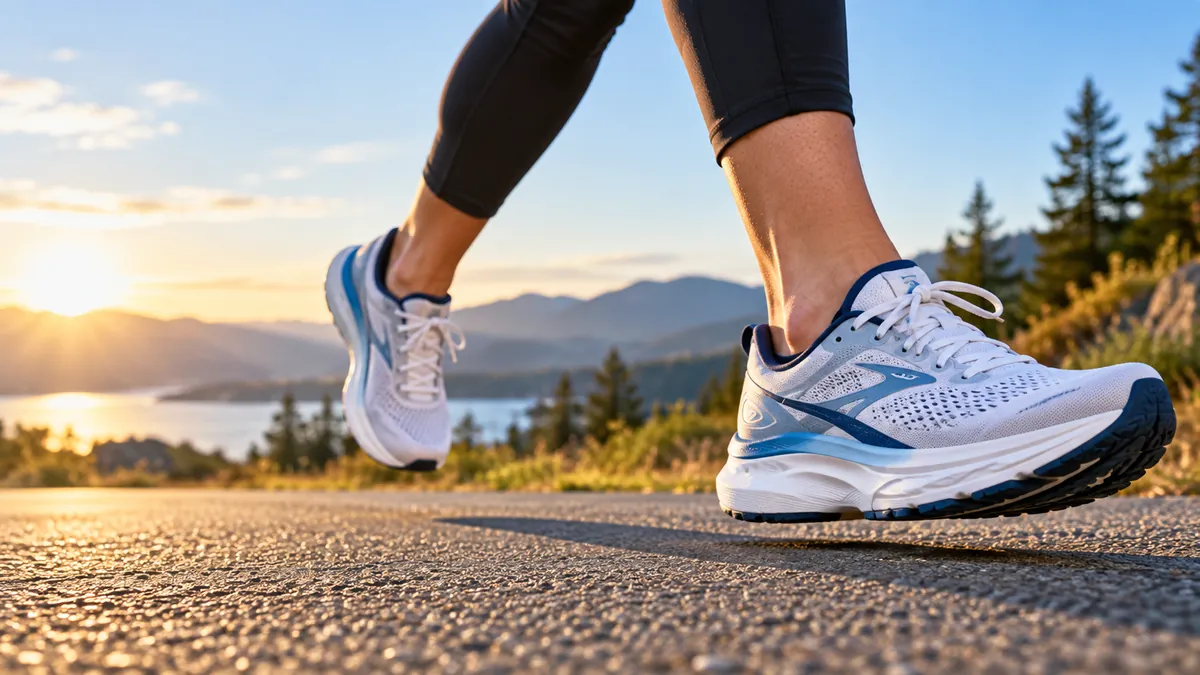
Roomy comfort across road and trail, with the best grip costing extra
Quick Answer: The Altra Experience Wild 3 is a road-to-trail shoe for runners who want Altra’s foot-shaped toe box without going all the way to zero drop. It uses a 4 mm drop, Altra EGO P35 foam and a rocker-shaped platform that works smoothly on pavement, gravel and moderate trail. The standard model uses MaxTrac rubber, while the Wild 3+ upgrades to Vibram Megagrip for $15 more. Altra lists the men’s weight at 11.1 ounces and the women’s at 9.1 ounces. It is best for mixed-surface running, walking and light trail use rather than technical racing.
Altra built its name on two things: a toe box shaped like an actual foot, and a sole with no height difference between heel and forefoot. That second idea, which the brand calls zero drop, suits some runners beautifully and gives others sore calves. The Experience line exists to bridge that gap. It keeps the wide front end and adds a small 4 mm heel lift, meaning your heel sits about 4 mm higher than your toes. That is a modest amount, far less than a typical Nike or Brooks, but enough to take some strain off the Achilles tendon.
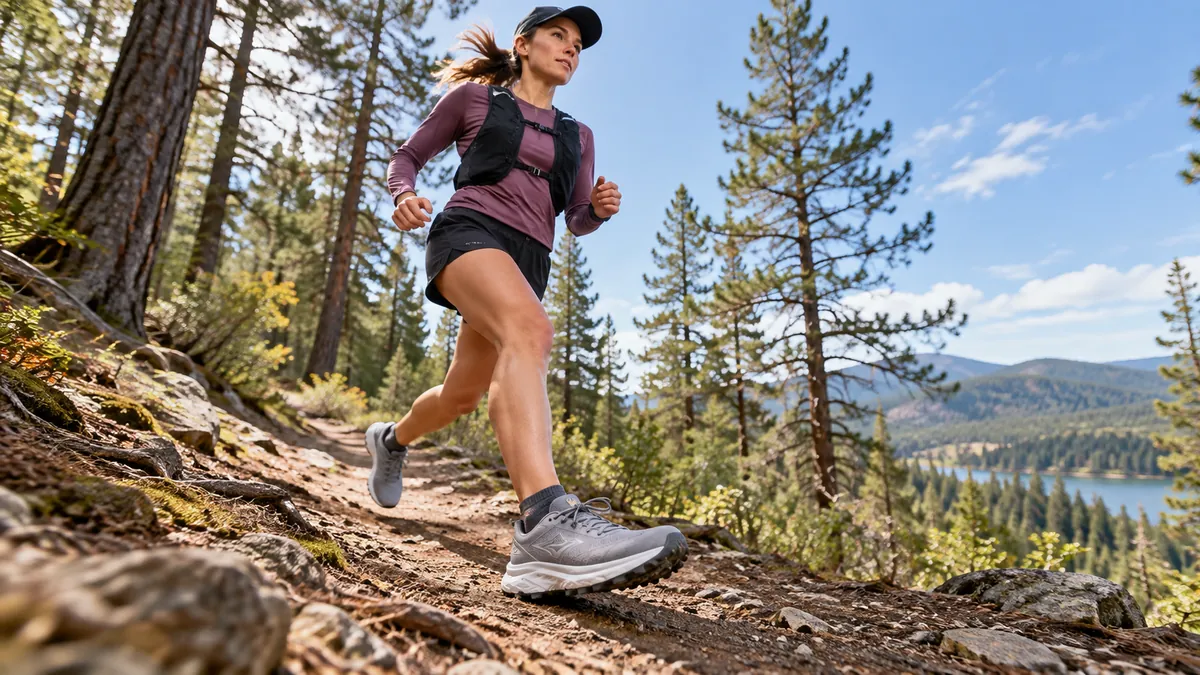
The Altra Experience Wild 3 is built for mixed-surface running: pavement to the trailhead, then dirt, gravel and moderate singletrack, then pavement home again. Altra sells it in two versions. The standard Experience Wild 3 uses MaxTrac rubber, while the Experience Wild 3+ upgrades to a Vibram Megagrip outsole for $15 more.
For more options in this category, see our best trail running shoes guide and our best running shoes hub.
Specs
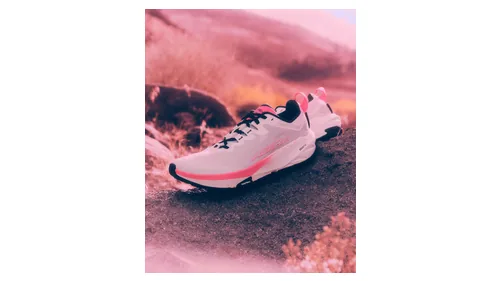
Here are the specifications for the Altra Experience Wild 3:
| Shoe type | Road-to-trail running shoe, daily trail training |
| Gait type | Neutral, no correction built in |
| Heel-to-toe drop | 4 mm, so the heel sits slightly higher than the toes |
| Stack height | 32 mm heel / 28 mm forefoot, according to Altra |
| Weight | 11.1 oz men’s / 9.1 oz women’s, according to Altra |
| Midsole | Altra EGO P35 foam, with a gentle rocker shape |
| Outsole | Altra MaxTrac rubber, 4 mm lugs; the Wild 3+ uses Vibram Megagrip instead |
| Upper | Engineered mesh with a reinforced toe bumper and a molded ankle collar |
| Fit | Standard FootShape fit with a roomy toe box; not a dedicated wide-width model |
| Best use | Mixed pavement and trail, smooth to moderately technical ground, long easy efforts |
| Price | $150 for the standard Wild 3 and $165 for the Wild 3+. Check latest price |
Pros
- The Standard FootShape toe box gives toes more room to spread than many conventional trail shoes
- The 4 mm heel lift makes Altra’s fit accessible to runners whose calves never got on with zero drop.
- The new EGO P35 foam is softer than the old EVA midsole without turning mushy on uneven ground.
- The rocker and 4 mm drop make it easier to transition into than Altra’s zero-drop trail shoes
- It genuinely works on pavement, so you do not have to change shoes to reach the trail.
Cons
- The standard MaxTrac outsole is a step behind Vibram Megagrip on wet rock and slick roots, which pushes serious trail runners toward the pricier Wild 3+.
- At 11.1 oz in the men’s version, it is better suited to daily miles than racing
- The 4 mm lugs are shallow for deep mud, where you want something closer to 5 mm or 6 mm.
- There is only one width, so if your foot is narrow the roomy front end can feel sloppy.
- A rocker and a raised heel move it away from the ground feel that drew some people to Altra in the first place.
What is new compared with the Experience Wild 2
The headline change is the midsole. The Experience Wild 2 used a compression-molded EVA blend, a traditional and fairly firm foam. The Wild 3 replaces it with Altra EGO P35, which is softer underfoot and better at holding that softness over time. The practical effect is a shoe that absorbs more of the small rocks and hard-packed ruts you hit on a typical trail, without the vague, sinking feeling that very soft foams can produce on uneven ground.
Altra also updated the upper, toe protection and outsole details. The current shoe uses a 4 mm drop and a 32 mm/28 mm stack, keeping the same basic low-drop road-to-trail concept while refining comfort and protection.
Who should buy the Altra Experience Wild 3
This shoe is built for the runner whose weekend loop is half pavement and half dirt. If you leave the house, run a mile of sidewalk, spend forty minutes on a park trail and then come home the same way, the Wild 3 handles all of it without complaint. The rocker shape, meaning the sole curves up at the toe so your foot rolls forward rather than bending sharply, keeps the ride smooth on hard surfaces, and the lugs are deep enough to bite on dirt and gravel.
It is also a sensible choice if you like Altra’s foot-shaped fit but have been put off by zero drop. The 4 mm lift is a genuine middle ground. You still get more room at the front than many conventional trail shoes, but the shoe is not a dedicated wide-width model.
Who should probably skip it
Narrow-footed runners should think twice because the roomier toe box can feel less secure on steep descents. Anyone chasing a fast trail-race time may also find the Wild 3 too heavy and too training-focused. And if your usual ground is genuinely severe, steep, wet and rocky, a more aggressive outsole and more technical fit will make more sense. If you are not sure what category fits you, try our free shoe finder.
Here are three shoes that suit those runners better:
- Hoka Speedgoat 7: the standard answer for technical, wet and rocky ground, with a full Vibram Megagrip outsole and deeper lugs (check price | read review)
- Saucony Peregrine 16: a closer, more locked-down fit for narrower feet, plus aggressive lugs for mud (check price | read review)
- Brooks Cascadia 20: a stable, protective trail shoe in a more conventional last, for anyone who finds Altra’s front end simply too roomy (check price | read review)
How does the Altra Experience Wild 3 fit?
The short version is that the front is wide and the back is not. Altra has spent the past few years tightening up the heel and midfoot of its shoes while leaving the toe box alone, and the Wild 3 is a good example of that work. Most people can order their usual size.
Fit and sizing
Length runs true to size according to Altra. The Standard FootShape toe box gives more room across the toes than many conventional trail shoes, while the midfoot and heel stay more secure. If you are coming from a tapered shoe, expect the front to feel noticeably roomier.
Upper and step-in comfort
The engineered mesh is the reworked version, built to let more air through the forefoot and midfoot while standing up to abrasion better than the Wild 2’s upper. Step-in comfort is good straight out of the box, with no break-in period worth mentioning. The reinforced toe bumper adds a layer of protection at the front without making the shoe feel stiff, which is a sensible trade for anyone who has kicked a root at pace. The tongue and collar are padded enough to be comfortable under laces but not so plush that they hold water, which matters on a shoe you will be running through puddles in.
How does the Altra Experience Wild 3 perform?
The Wild 3 is a middle-of-the-road trail shoe in the best sense: nothing about it is extreme, and that is what makes it useful across so many surfaces. It is cushioned enough for two hours on your feet, firm enough to feel connected to the ground, and smooth enough that a mile of tarmac does not feel like a punishment. The sections below break down what that means underfoot.
Cushioning and ride
With 32 mm at the heel and 28 mm at the forefoot, there is enough cushioning for hard-packed dirt, gravel and road connectors without turning the shoe into a max-cushion model. Altra EGO P35 gives the Wild 3 a smoother, more forgiving ride than a firm trail shoe while keeping enough structure for mixed terrain.
Ride and running performance
The sole curves up at the toe, so each stride rolls off the front instead of demanding that your foot flex hard at the end of it. That shape is what makes the shoe feel smooth on roads, and it is the main reason the Experience line reads as more modern than Altra’s flat-soled models. At easy and steady paces it works well, and the transition from heel to toe is quiet and predictable rather than sharp. The forefoot is slightly softer than it was on the Wild 2, which costs a little snap when you want to accelerate up a short climb but pays you back on long descents when your legs are tired.
Stability and support
This is a neutral shoe. It has no medial post, no guide rails and nothing designed to change how your foot rolls, and it will not correct overpronation. What it does have is passive stability from its shape. The base is wide, particularly under the forefoot, and the sidewalls cradle the foot slightly rather than letting it sit on top of the foam. Combined with the moderate 32 mm heel stack and broad forefoot platform, that makes the Wild 3 feel planted on off-camber ground. The molded collar contributes here too, holding the heel steady. If you need genuine stability features for a gait issue, this is not the shoe, but for most neutral runners on uneven ground it feels secure.
Outsole, grip and durability
The standard Wild 3 uses Altra’s MaxTrac outsole, while the Wild 3+ upgrades to Vibram Megagrip. That makes the standard shoe the value choice for dry dirt, gravel and road-to-trail use, while the Plus version is the better bet if wet rock and roots are common where you run.
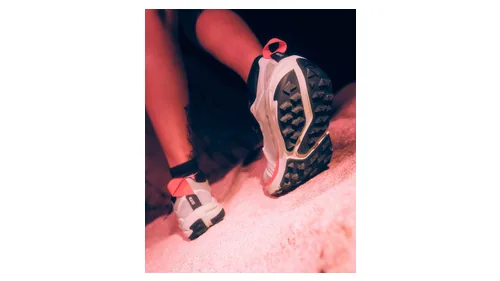
Actual lifespan will vary with runner weight, surfaces and how much pavement you mix into your trail mileage. We would not use a single mileage number as a promise for a mixed-surface shoe.
Is the Altra Experience Wild 3 good for walking?
It is a strong walker, and for some people it will spend more time walking than running. The wide toe box is the reason. Feet swell over the course of a long day, and a front end that does not squeeze makes a real difference on a five-hour hike or a day of travel. The 4 mm lift is close enough to flat to feel natural at walking speed, and the curved sole helps each step roll forward instead of stopping dead. Traction on dirt paths and gravel is more than enough for hiking, and the toe bumper is welcome on rocky sections. The one caveat is hard indoor floors: the moderate cushioning is comfortable, but a dedicated max-cushion walking shoe will feel softer on concrete all day. It also takes standard aftermarket insoles without crowding the foot, which matters if you wear orthotics.
Altra Experience Wild 3 vs. Experience Wild 2
| Feature | Experience Wild 3 | Experience Wild 2 |
| Drop | 4 mm | 4 mm |
| Stack height | 32 mm / 28 mm | Previous-generation figures vary by source |
| Weight (men’s) | 11.1 oz | Previous-generation weight varies by source |
| Weight (women’s) | 9.1 oz | Previous-generation weight varies by source |
| Midsole | Altra EGO P35 | Compression-molded EVA blend |
| Lug depth | 4 mm | 3.5 mm |
| Toe protection | Reinforced rubber toe bumper | Standard toe cap |
| Vibram option | Yes, the Wild 3+ | Not offered |
| Launch price | $150, February 2026 | Not confirmed for the US market |
Buy the new model if you want the current EGO P35 platform, updated upper and the option of Vibram Megagrip in the Wild 3+. Those changes make it a more polished road-to-trail option than the earlier generation.
Buy the previous model when you find a clearance pair and you actually preferred the firmer EVA ride, which some runners do on rocky ground because it transmits more information about what is under the shoe. The Wild 2 is still a capable road-to-trail shoe and nothing about the update makes it obsolete.
Altra Experience Wild 3 Alternatives
The nearest relative is the Wild 3+, the same shoe with the Vibram outsole for about $15 more. At that small a difference, the standard model really only makes sense if you are buying strictly on price or you know your trails are dry (check price).
Runners who want the same wide fit but far more cushioning underfoot should look at the Altra Olympus 7. It is the brand’s big ultra-distance trail shoe, with a much taller stack that protects your legs on long days. The catch is that it goes back to a completely flat platform, so it asks more of your calves than the Wild 3 does (check price | read review).
Another option, if the trail half of your running is the smaller half, is the Altra Experience Flow 3. It is the road version of this shoe, built on the same 4 mm platform with the same curved sole, and it is lighter and smoother on pavement. You give up the lugs and the toe protection, so it only makes sense if your off-road running is limited to firm park paths (check price).
For long, rolling trail miles in a more conventional fit, the Asics Trabuco Max 5 is worth a look. It is taller and more heavily rockered than the Wild 3, which smooths out hard-packed ground on tired legs, though it mutes the trail underfoot and its front end is nowhere near as roomy (check price | read review).
Price and value
The Experience Wild 3 is priced at $150, with the Vibram-equipped Wild 3+ at $165. That puts the standard model in the middle of the trail category and makes the Plus upgrade relatively inexpensive if wet-surface grip matters to you.
The value case is strongest for runners who genuinely split time between pavement and trail. One shoe that handles both surfaces well can be more useful than owning separate road and trail pairs.
Final verdict
Best for: runners who split miles between roads and trails and want Altra’s roomy FootShape toe box without a zero-drop platform.
Avoid if: you run steep, wet, technical ground, you have narrow feet, or you want a light shoe for trail racing.
Fit: true to size with Altra’s Standard FootShape fit: roomy at the toes and more secure through the midfoot and heel.
Verdict: The Experience Wild 3 is a sensible road-to-trail shoe for runners who want Altra’s foot-shaped fit without a zero-drop platform. EGO P35 foam, a 4 mm drop and a smooth rocker make it comfortable across pavement, gravel and moderate trail. Choose the standard MaxTrac version for mostly dry mixed surfaces and the Wild 3+ if wet-surface grip matters more.
For more mixed-terrain choices, compare the Experience Wild 3 with our best trail running shoes.
Frequently Asked Questions for Altra Experience Wild 3
The outsole. The standard Wild 3 uses Altra’s own MaxTrac rubber, while the Wild 3+ uses Vibram Megagrip, which grips better on wet rock and roots. The Wild 3+ costs about $15 more. Everything else, including the midsole, the upper and the 4 mm drop, is the same.
No. It has a 4 mm drop, meaning the heel sits about 4 mm higher than the forefoot. That is much flatter than a typical running shoe but not flat. Altra’s zero-drop trail shoes are the Lone Peak and the Olympus.
The Experience Wild 3 uses Altra’s Standard FootShape fit, which is roomier at the toes than many conventional trail shoes. It is not a dedicated wide-width model, so runners who normally need a true wide size should still try it before buying.
Yes. The wide toe box suits feet that swell over a long day, the 4 mm lugs handle dirt and gravel well and the reinforced toe bumper helps on rocky sections. It is a shoe rather than a boot, so it offers no ankle coverage and is not waterproof.
Most people should order their normal size. The length runs true. The extra room is in the width of the toe box rather than the length, so sizing up usually leaves the heel loose instead of solving anything.
No. The upper is an engineered mesh built to breathe and to drain, which is what you want for stream crossings and wet grass because the shoe dries quickly. Altra has not announced a Gore-Tex version of this model.
Yes, especially for trail walking and mixed-surface days. The 4 mm drop, rocker and roomy toe box make it easier to walk in than many technical trail shoes, although a dedicated walking shoe will still feel better for long hours on hard indoor floors.