| Quick Answer: The Adidas Dropset 4 is our best gym shoe for most people who want a supportive, stable platform without turning a workout shoe into a bulky stability runner. Its broad base and dual-density setup suit lifting while the forefoot stays flexible enough for mixed training. Choose the Nike Metcon 10 for heavier lifting, the On Cloud X 5 for HIIT and studio classes, the Hoka Kawana 3 for cardio-heavy gym days, or the Asics Gel-Kayano 33 for treadmill work when you want more gait guidance. If you use custom orthotics, fit and removable-insole space may matter more than built-in arch contour. |
“Arch support” means different things to different gym-goers. Someone with high arches may want cushioning under a rigid foot. Someone with flat feet may prefer a stable platform. Someone using a custom orthotic may mainly need enough room inside the shoe for the insert. Those are not the same requirement.
That is why this list is organized by workout type rather than by which shoe has the most noticeable bump under the arch. Heavy lifting rewards a firm, broad base. HIIT needs lateral security and forefoot flexibility. Treadmill sessions can tolerate more cushioning and running-shoe-style stability. A shoe that feels supportive during a 30-minute walk may feel unstable under a loaded squat.
If you want a broader gym-shoe comparison without the arch-support angle, see our best cross-training shoes guide. For everyday support outside the gym, compare our best arch support shoes. Our high-arches guide and flat-feet shoe guide explain why support needs vary.
Best Gym Shoes for Arch Support at a Glance
Shoe | Best for | Support approach | Key caution | U.S. price* |
|---|---|---|---|---|
Best overall | Broad base, firm heel, flexible forefoot | More strength-focused than running-focused | $145 | Check latest price | |
Heavy lifting | Hyperlift heel plate, midfoot band, wide base | Runs small; not for long treadmill runs | $155 | Check latest price | |
HIIT and studio classes | Sculpted footbed, heel hold, flexible platform | Not a dedicated heavy-lifting shoe | $160 | Check latest price | |
Cardio-heavy gym days | Broad, cushioned platform | Too stiff and tall for serious lifting | $140 | Check latest price | |
Treadmill and overpronation | Adaptive stability and maximum cushioning | Too tall and soft for heavy lifts | $170 | Check latest price | |
Walking and longer treadmill sessions | GuideRails structured support | Running geometry is not ideal for lifting | $180 | Check latest price |
*Prices shown are U.S. original or regular retail prices checked in September 2026. Current prices vary by size, color and retailer.
What “Arch Support” Should Mean in a Gym Shoe
A gym shoe does not need an aggressive raised arch to be supportive. In fact, for lifting and multidirectional training, stability often comes from the entire platform: a broad heel, controlled midsole compression, secure midfoot hold and an outsole that does not twist or slide excessively. That structure can keep the foot planted without forcing every wearer into the same arch shape.
This matters because arches differ in height, flexibility and function. Two people can both say they “need arch support” but prefer completely different shoes. If a pronounced built-in arch feels as though it is poking or bruising the underside of your foot, more support is not automatically the answer. If you already wear custom orthotics, the priority may be a secure shoe with adequate depth and a removable or replaceable sockliner.
Workout type is the other major variable. A firm training shoe generally makes more sense for squats, deadlifts and lateral drills. A cushioned stability running shoe makes more sense for treadmill miles. Mixing those jobs is possible, but every hybrid shoe has a compromise.
How We Chose the Best Gym Shoes for Arch Support
We looked for current 2026 shoes that represent the main ways people actually train in a gym: strength work, mixed cross-training, HIIT, studio classes, treadmill running and cardio circuits. We checked manufacturer descriptions and current retail availability, then separated true training shoes from supportive running shoes so readers can see where each design makes sense.
Our selection criteria included platform stability, midfoot lockdown, outsole grip, forefoot flexibility, cushioning, width and the way each shoe behaves under load. We also considered whether a shoe’s support comes from a stable chassis rather than from a rigid piece placed directly under the arch. That distinction is especially important for gym use.
We did not assume that a stability running shoe belongs under a barbell, or that a flat lifting shoe is comfortable for treadmill mileage. The picks below are therefore “best” within specific gym use cases rather than interchangeable recommendations for every exercise.
Adidas Dropset 4

Best Overall Gym Shoe for Support
The Adidas Dropset 4 is our best overall choice because its support comes from gym-friendly geometry rather than a highly cushioned running platform. Adidas gives the shoe a wide heel and broad forefoot, with a dual-density setup that stays firmer under the heel for strength work while allowing more flexibility toward the forefoot. That is a useful balance for people who lift but also include lunges, sled work, short bursts of cardio or HIIT in the same session.
Adidas positions the Dropset 4 for strength training and cross-training, and the current model uses REPETITOR cushioning with a stable heel structure. The platform helps the foot feel planted without relying on an exaggerated arch contour. For many people who describe themselves as needing “arch support,” that broad, controlled base can be more useful in the gym than a soft stability running shoe.
The Dropset 4 retails for $145. It is not the right choice for long treadmill runs, and people using substantial custom orthotics should verify internal depth before buying. For mixed strength training, though, it is the most balanced option here.
Nike Metcon 10
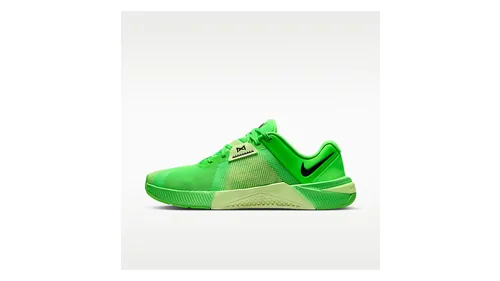
Best for Heavy Lifting
The Nike Metcon 10 moves further toward lifting than the Dropset 4. Its Hyperlift plate creates a firm, stable heel for squats, deadlifts and cleans, while a midfoot band and sturdy heel cup help keep the foot from shifting inside the shoe. Nike also widened the toe box compared with the Metcon 9, giving the forefoot more room to spread and create a stable base under load.
ReactX foam and outsole flex grooves make this generation more forgiving for box jumps, short sprints and other high-intensity work, but it remains a strength-first shoe. That distinction matters for someone with support needs. A firm, flat-feeling gym platform can feel more secure during lifting than a thick stability runner, even if the running shoe has more obvious arch structure.
The Metcon 10 retails for $155. Nike says it fits small and recommends going up half a size, so do not assume your usual Nike size will be right. It is also not our first choice for longer treadmill sessions. Use it when the workout is built around strength, not mileage.
On Cloud X 5
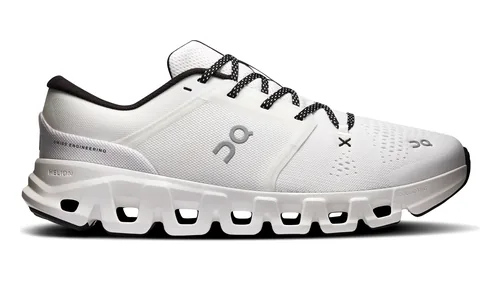
Best for HIIT and Studio Classes
The On Cloud X 5 is built for the middle ground between a running shoe and a strength trainer. On redesigned the footbed for the fifth generation with a sculpted shape intended to improve flexibility and stability, while Helion superfoam adds enough cushioning for jumps, short runs and studio sessions. The shoe also uses a secure heel hold and outsole traction designed for multidirectional movement.
That makes it a good choice for people whose “gym” means circuits, boot camps, classes, body-weight exercises and short treadmill intervals rather than heavy barbell work. The platform is lower and more agile than a max-cushion stability runner, yet it provides more underfoot protection than a minimalist trainer. For many arches, that balance feels supportive without being intrusive.
The Cloud X 5 retails for about $160 in the U.S. and On describes the fit as true to size. It is only offered in a regular width in many configurations, so people with wide feet should be cautious. It is also not a dedicated powerlifting shoe. For studio-style training, however, it is one of the most versatile choices in this group.
Hoka Kawana 3
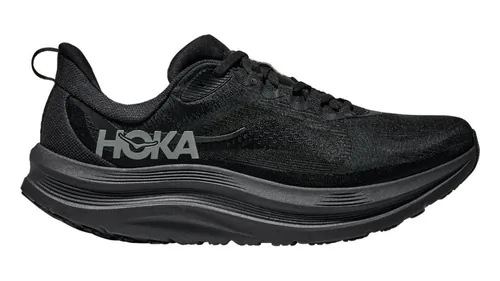
Best for Cardio-Heavy Gym Days
The Hoka Kawana 3 is a hybrid for people whose gym sessions lean toward walking, elliptical work, rowing, machines and general cardio. It has more cushioning and a taller platform than a conventional cross-trainer, but the base is broad enough to feel stable during light gym work. Hoka also shortened the extended heel shape used on the prior version, which makes the shoe less awkward in equipment such as rowing machines.
Independent lab testing in 2026 found the Kawana 3 stable for its height and confirmed that the insole is removable, which is useful for people who already rely on an orthotic. The same testing also found a relatively stiff forefoot and a thicker platform than the average training shoe. Those are reasons not to choose it for serious cross-training or heavy lifts.
At a $140 regular U.S. price, the Kawana 3 fills a useful niche: more stable and gym-friendly than a pure high-stack running shoe, but more comfortable for walking and cardio than a flat lifting shoe. If your workout includes heavy squats or fast lateral drills, choose the Dropset 4 or Metcon 10 instead.
Asics Gel-Kayano 33
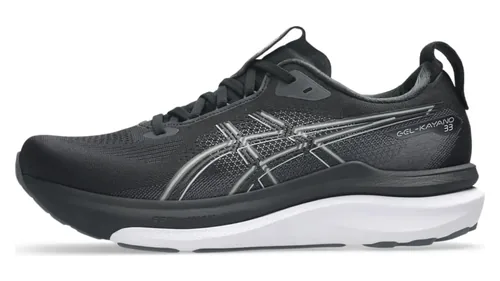
Best for Treadmill Work and Added Stability
The Asics Gel-Kayano 33 belongs on this list for a specific gym user: someone who primarily walks or runs on a treadmill and wants the guidance of a modern stability running shoe. Asics uses FLUIDSUPPORT technology that adapts through the gait cycle, plus FF Blast Plus and FF Blast Max foams for a maximum-cushion ride. The men’s version weighs about 10.5 ounces and has an 8 mm drop.
That is a very different support strategy from the Metcon or Dropset. Instead of prioritizing a firm base under heavy weight, the Kayano is designed to guide forward motion while cushioning repeated running impact. If your gym session is 45 minutes on the treadmill followed by machines, that can make sense. If your session centers on loaded squats, deadlifts or quick lateral work, the height and softness become disadvantages.
The Gel-Kayano 33 retails for $170. Read our Asics Gel-Kayano 33 review for more detail. It is a treadmill-support option in this roundup, not an all-purpose cross-training recommendation.
Brooks Glycerin GTS 23

Best for Walking and Longer Treadmill Sessions
The Brooks Glycerin GTS 23 is another running shoe that earns a place here only for gym-goers who spend most of their workout moving forward. Brooks combines plush DNA TUNED cushioning with its GuideRails structured-support system, which is designed to limit excess movement without using a traditional rigid medial post. The current model has an 8 mm drop and weighs about 11 ounces for the men’s version.
For long treadmill walks, warmups, easy running or a gym routine built around cardio machines, the Glycerin GTS can feel much more comfortable than a firm lifting shoe. The cushioning also makes it useful for people who arrive at the gym already dealing with foot fatigue from a day of standing. But softness is not the same as stability under load. The higher cushioned platform is not what we would choose for heavy squats or deadlifts.
The regular U.S. price is $180. Our Brooks Glycerin GTS 23 review goes deeper into its fit and support. Choose it when treadmill comfort matters more than barbell performance.
Other Gym Shoes Worth Considering
The Reebok Nano X6 is an obvious alternative for people who want a true cross-training shoe. Reebok describes the current Nano generation as combining gym stability, lateral support and responsiveness for mixed workouts. We would compare it directly with the Dropset 4 and Metcon 10 rather than with the Kayano or Glycerin.
The New Balance Minimus TR v2 is another useful contrast. It has a low 4 mm drop, minimal cushioning and a wide option, and New Balance explicitly lists it as a gym shoe. That lower, more connected platform can work well for people who dislike thick cushioning, but it is not a conventional “arch support” shoe. If you require a substantial orthotic or prefer more cushioning under a high arch, confirm fit before buying.
For a less specialized all-rounder, the previous On Cloud X 4 is still worth considering when discounted; read our On Cloud X 4 review. If your training is mostly running rather than gym work, move to our best daily running shoes guide instead of forcing a cross-trainer to do a running shoe’s job.
How to Choose a Gym Shoe When You Need More Support
Start by ranking your workouts. If heavy lifting is the priority, look for a broad, firm heel, strong midfoot lockdown and an outsole that stays planted. If HIIT and classes dominate, add forefoot flexibility and lateral support to the list. If you mostly walk or run on a treadmill, cushioning and gait guidance matter more than having a rock-solid lifting platform.
Next, pay attention to how the arch feels rather than how a product is marketed. Support should feel secure, not intrusive. A shoe that pushes sharply into your arch or causes numbness, pressure or cramping is not improved by the fact that a manufacturer calls it supportive. People with custom orthotics should check sockliner removability, internal depth and heel hold after the insert is installed.
Finally, do not use one symptom to diagnose your feet. Arch pain can come from several causes, and flat feet or high arches do not automatically require a particular shoe category. Persistent pain, swelling, numbness or pain that changes your gait deserves professional assessment. Footwear can improve comfort and workout suitability, but it is not a substitute for finding out why the foot hurts.
Frequently Asked Questions About Gym Shoes and Arch Support
For mixed strength training, the Adidas Dropset 4 is our best overall choice because its broad base, firm heel and flexible forefoot create support without excessive cushioning. The best shoe changes with the workout: heavy lifting, HIIT and treadmill running need different platforms.
Not always. Many good training shoes create support through a stable base, secure midfoot and controlled heel rather than a pronounced arch shape. People using custom orthotics may prefer a shoe with enough internal volume and a replaceable or removable sockliner.
Running shoes can work for light machine work or general fitness, but highly cushioned running shoes are usually not ideal for heavy lifting because the soft, tall platform can compress under load. A firmer, broader training shoe is generally more stable for squats and deadlifts.
Some people with flat feet prefer a stable cross-trainer for lifting and a stability running shoe for treadmill work. Comfort and function vary, so flat feet alone do not determine the correct shoe. Try the shoe in the activity you plan to do rather than judging it only while standing.
People with high arches often prioritize a comfortable fit through the instep and enough cushioning for impact. For lifting, however, too much soft cushioning can reduce stability. A supportive shoe should match both your foot shape and the exercise you are doing.
Often, yes, but fit must be checked with the orthotic installed. Look for adequate internal depth, secure heel hold and enough toe room. If the insert raises your heel too high or makes the upper tight, a different shoe or size may be needed.
A hybrid trainer can handle both in moderation, but compromises are unavoidable. Firmer shoes are better under heavy loads; softer shoes are more comfortable for longer runs. If both activities are major parts of your training, two specialized pairs may work better than one all-purpose shoe.