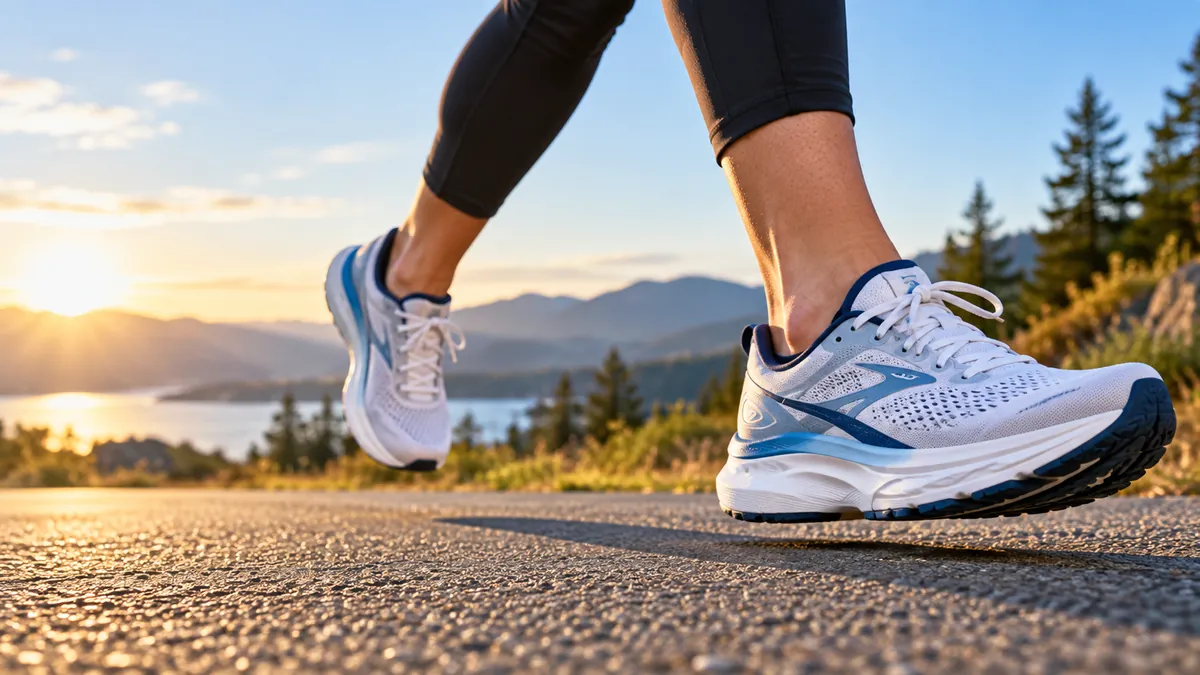
Low-drop running shoes reduce the height difference between your heel and forefoot, creating a flatter platform than traditional running shoes. For this guide, we consider a low-drop running shoe to have more than 0 mm and no more than 6 mm of heel-to-toe drop. If you want a completely level platform, see our Best Zero-Drop Running Shoes guide instead.
The Saucony Kinvara 16 is our best overall low-drop running shoe for 2026. Its 4 mm drop, lightweight construction and flexible PWRRUN cushioning make it an approachable option for runners who want less heel elevation without moving all the way to zero drop.
The New Balance FuelCell Rebel v5 adds more cushioning and bounce with a 6 mm drop, while the Altra Experience Flow 3 combines a 4 mm drop with Altra’s roomier FootShape design. Runners who want more structure can also look at low-drop stability options.
| Low-Drop Running Shoe | Best For | Why It Stands Out | Drop | Launch Price |
|---|---|---|---|---|
| Saucony Kinvara 16 | Best overall | Lightweight PWRRUN cushioning and a flexible platform make this a classic low-drop daily trainer | 4 mm | $130 | Check latest price |
| New Balance FuelCell Rebel v5 | Lightweight daily training | PEBA/EVA FuelCell cushioning delivers a responsive ride without adding much weight | 6 mm | $140 | Check latest price |
| Altra Experience Flow 3 | Roomy toe box | Combines Altra’s foot-shaped fit with a more approachable 4 mm drop instead of the brand’s traditional zero-drop platform | 4 mm | $145 | Check latest price |
| Topo Athletic Phantom 4 | Cushioned daily running | A 35/30 mm stack provides substantial cushioning while maintaining a 5 mm heel-to-toe drop and roomy forefoot | 5 mm | $150 | Check latest price |
| Topo Atmos 2 | Max-cushion low-drop running and walking | A 40/35 mm stack, roomy toe box and soft ZipFoam ride make it the more cushioned Topo option at the same 5 mm drop | 5 mm | $170 | Check latest price |
| Topo Athletic Cyclone 3 | Speed and lightweight running | Full-length Pebax-powered cushioning, low weight and a 5 mm drop make it suited to workouts and shorter races | 5 mm | $155 | Check latest price |
| Altra Experience Flow ST | Low-drop stability | GuideRail technology adds gentle medial guidance while retaining a 4 mm drop and Altra’s roomy forefoot shape | 4 mm | $145 | Check latest price |
| Brooks Hyperion Max 3 | Fast long runs | High-stack DNA Flash v2 and DNA Gold cushioning plus a nylon plate provide a faster ride on a 6 mm platform | 6 mm | $200 | Check latest price |
Want to try a lower-drop shoe? Compare current low-drop running shoe prices and availability on Amazon.
How to Choose Low-Drop Running Shoes
Heel-to-toe drop is only one part of running shoe design. Cushioning, stack height, flexibility, fit and your current footwear can matter just as much. That means you should not automatically choose the shoe with the lowest number. Start by finding a drop that works with your running habits and then compare the other features you need.
What Does Low Drop Mean?
Heel-to-toe drop measures how much higher your heel sits than your forefoot. A shoe with a 4 mm drop has a heel that sits approximately 4 mm higher than the forefoot. A 10 mm shoe has a much more noticeable difference. There is no single industry definition of “low drop.” Some sources reserve the term for roughly 1-4 mm, while others use 0-6 mm.
For this guide, we use 1-6 mm because it separates low-drop shoes from both traditional higher-drop models and true 0 mm shoes.
Low Drop vs. Zero Drop
Low drop and zero drop are not the same thing. A zero-drop shoe places the heel and forefoot at the same height. A low-drop shoe still raises the heel slightly.
That distinction can matter if you are transitioning from a traditional running shoe. Moving from a 10 mm shoe to a 4 or 6 mm shoe is a smaller change than moving directly to zero.
If you specifically want no heel elevation, see our Best Zero-Drop Running Shoes instead.
For more info on shoe drop, see this guide.
Do Low-Drop Shoes Change How You Run?
They can, but the effect is not as simple as saying a lower drop automatically creates a more natural stride.
Research suggests heel-to-toe drop can influence running mechanics, but the results vary considerably among runners. Shoe cushioning, stack height, stiffness and geometry can also influence how a shoe behaves. In other words, two 4 mm shoes may feel completely different.
Choose a shoe based on how the entire design works for you, not simply the number printed in the specifications.
Should You Switch Gradually?
If you normally run in shoes with an 8, 10 or 12 mm drop, it makes sense to introduce a substantially lower-drop shoe gradually.
A flatter platform can change how forces are distributed through your feet, ankles and lower legs. Your calves and Achilles tendons may also be asked to work differently.
Start with shorter runs and continue using your usual shoes for some training. Increase your mileage in the new shoes as they begin to feel normal.
You do not need to change your running form deliberately simply because you changed shoes.
Consider Cushioning and Stack Height Separately
Low drop does not mean low cushioning.
The Saucony Kinvara 16 has a relatively moderate stack and flexible feel. The Topo Athletic Phantom 4, by comparison, uses a 35 mm heel stack while maintaining a 5 mm drop.
This is an important distinction.
Drop measures the difference between heel and forefoot height. Stack height measures how much material sits underneath your foot.
You can therefore buy a highly cushioned low-drop shoe or a thinner shoe that keeps you closer to the road.
Choose the Right Shoe for Your Training
For daily mileage, prioritize comfort, fit and durability. The Saucony Kinvara 16, New Balance FuelCell Rebel v5, Altra Experience Flow 3 and Topo Athletic Phantom 4 are all designed to handle regular road running.
For faster workouts, a lighter and more responsive shoe such as the Topo Athletic Cyclone 3 may feel better.
The Brooks Hyperion Max 3 provides another approach. Its high stack and nylon propulsion plate make it a more performance-oriented low-drop option for workouts and long runs.
Look at Toe Box Shape
Some runners looking for low-drop shoes are also looking for more natural foot movement.
That makes toe-box shape worth checking.
Altra and Topo Athletic are particularly known for designs that provide additional room around the toes while still securing the heel and midfoot.
However, a wide-looking toe box does not automatically mean the shoe is a wide-width shoe. If you have wide feet, check whether the model is actually offered in wider widths.
Low Drop Is Not Automatically Better
There is no convincing evidence that every runner should use low-drop shoes or that one heel-to-toe drop prevents injuries for everyone.
Running comfort and injury risk depend on far more than shoe drop. Training volume, changes in mileage, previous injuries, strength, running surface and the rest of the shoe’s construction can all matter.
If your current shoes are comfortable and you run without problems, there is no requirement to switch simply because lower-drop shoes are available.
What Drop Should Beginners Choose?
Beginners do not need a particular drop. A moderate 4-6 mm shoe can be a reasonable choice if it feels natural and comfortable, especially if you already walk or exercise in relatively flat footwear.
Someone accustomed to heavily raised heels or running shoes with a 10-12 mm drop may prefer to make the transition more slowly. Comfort should carry more weight than trying to achieve a specific number.
Are Low-Drop Shoes Good for Walking?
Many can be.
Low-drop running shoes such as the Topo Athletic Phantom 4, Altra Experience Flow 3 and Experience Flow ST can also work well as walking shoes because they combine cushioning with a relatively flat platform.
However, the same transition principle applies. If you normally wear shoes with substantial heel elevation, build up walking time gradually rather than immediately wearing low-drop shoes all day.