Last Updated on October 1, 2026
Quick Answer: The Brooks Ghost 18 is our best overall treadmill running shoe for 2026 because it is light, smooth and versatile enough for easy miles, intervals and walk-run sessions. Choose the Asics Gel-Nimbus 28 for maximum cushioning, Nike Pegasus 42 for a firmer all-purpose ride, Hoka Clifton 11 for lightweight rocker-assisted running, Saucony Ride 19 for balanced daily training, or Hoka Kawana 3 if your workout mixes treadmill running with gym machines and light strength work. Compare all six picks.
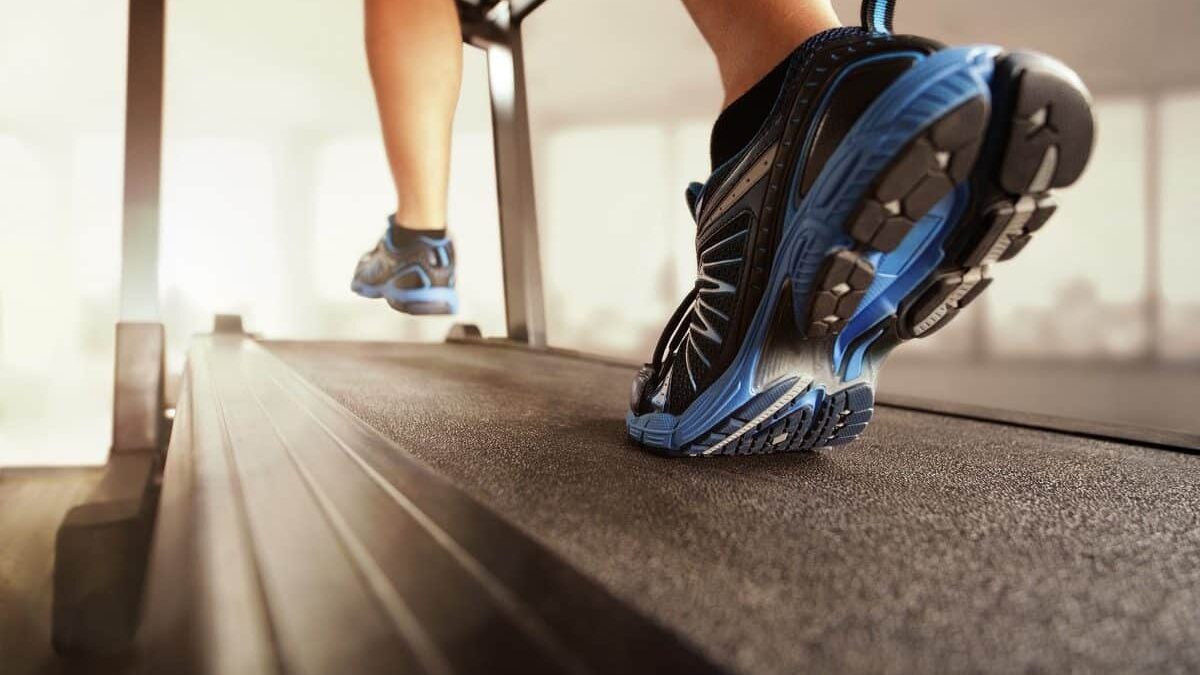
Treadmill running is easier on outsoles than road running, but it still involves thousands of repeated steps in a warm indoor environment. That makes fit, breathability, cushioning and a smooth transition more important than rugged traction.
The best treadmill shoe depends on what the rest of your workout looks like. If you are mainly running, choose a dedicated running shoe. If you are new to running or using walk-run intervals, start with our best running shoes for beginners. If your session mixes short treadmill intervals with lifting, classes or machines, a hybrid such as the Hoka Kawana 3 can make more sense. Our training shoes vs. running shoes guide explains where that line sits.
If you are also shopping for the machine itself, see our best treadmills for home use.
Best treadmill running shoes at a glance
| Shoe | Best for | Why it works on a treadmill | Trade-off | Price |
|---|---|---|---|---|
| Brooks Ghost 18 | Best overall | Smooth, neutral daily trainer for easy miles and walk-run workouts | Not the most exciting speed shoe | Check latest price |
| Asics Gel-Nimbus 28 | Maximum cushioning | Soft, protective ride for longer indoor sessions | More shoe than some runners need | Check latest price |
| Nike Pegasus 42 | Versatile training | Balanced platform for steady runs and intervals | Firmer than max-cushion options | Check latest price |
| Hoka Clifton 11 | Lightweight cushioning | Rockered geometry and light feel for steady indoor mileage | Not ideal for heavy gym work | Check latest price |
| Saucony Ride 19 | Balanced daily training | Moderate cushioning and flexible daily-trainer feel | Less plush than Nimbus-type shoes | Check latest price |
| Hoka Kawana 3 | Run + gym crossover | Broad, controlled platform for treadmill, machines and light gym work | Not for heavy lifting or hard speedwork | Check latest price |
Brooks Ghost 18: Best overall
The Brooks Ghost 18 is the safest starting point for most treadmill runners because it does not overcomplicate the job. It is a neutral daily trainer with enough cushioning for regular mileage, a smooth transition and a fit that works well for easy running, walking and beginner run-walk programs.
On a treadmill, you do not need an aggressive outsole, so the Ghost’s strength is consistency. It feels natural at steady paces and does not force you into a highly rockered or overly soft ride. It is also easy to use for warmups before strength training, though it is still a running shoe rather than a lifting shoe.
Check Brooks Ghost 18 prices and sizes on Amazon.
Asics Gel-Nimbus 28: Best for maximum cushioning
The Asics Gel-Nimbus 28 is the better choice if long indoor sessions leave your feet feeling beaten up. Its max-cushion design gives you more foam underfoot than the Ghost or Pegasus, which can make 45- to 90-minute treadmill sessions feel less harsh.
The trade-off is bulk. If you prefer a more connected feel or use the same shoe for fast transitions around the gym, the Nimbus can feel like too much shoe. For pure treadmill mileage, though, it is a strong comfort-first option.
Check Asics Gel-Nimbus 28 prices and sizes on Amazon.
Nike Pegasus 42: Best versatile treadmill trainer
The Nike Pegasus 42 makes sense if you use the treadmill for more than easy jogging. Its firmer, more traditional daily-trainer feel works well for steady runs, progression runs and shorter intervals without the tall softness of a max-cushion shoe.
That firmer platform can also make it feel more controlled during short gym transitions, but it is still designed primarily for forward running. If your session includes serious lifting or a lot of lateral movement, move to a cross-training shoe instead.
Check Nike Pegasus 42 prices and sizes on Amazon.
Hoka Clifton 11: Best lightweight cushioned option
The Hoka Clifton 11 combines a lighter feel with Hoka’s familiar rocker geometry. That can work especially well indoors, where a smooth rolling transition is more useful than aggressive grip.
It is a strong choice for easy and steady treadmill running when you want cushioning without moving all the way to a Bondi-style max-cushion platform. It is less useful for lifting because the tall cushioned base is not designed to stay rigid under heavy load.
Check Hoka Clifton 11 prices and sizes on Amazon.
Saucony Ride 19: Best balanced daily trainer
The Saucony Ride 19 is a straightforward choice if you want moderate cushioning without a highly specialized feel. It sits between softer max-cushion shoes and firmer speed-focused trainers, which makes it easy to use for everyday treadmill running.
That balanced feel is useful for runners who change pace during a session or combine running with walking. It is not the softest or fastest shoe here, but that is part of its appeal.
Check Saucony Ride 19 prices and sizes on Amazon.
Hoka Kawana 3: Best for treadmill and gym crossover
The Hoka Kawana 3 is the outlier in this list because it is not a pure running shoe. It is built for people who want one pair for walking, short runs, cardio machines and light gym work.
Its broad, controlled platform makes it more gym-friendly than a Clifton or Nimbus, while still giving you enough cushioning for short treadmill sessions. The trade-off is specialization: it is not as smooth for longer runs as a dedicated running shoe and not as stable for heavy lifting as a true cross-trainer.
If your workout mixes treadmill work with machines, classes or light strength training, also compare our best cross-training shoes and best gym shoes for arch support.
What should you look for in a treadmill running shoe?
Treadmill shoes do not need special technology. Start with the same basics you would use for a road-running shoe, then account for the indoor environment.
- Breathability: Indoor gyms can feel warm, so a ventilated upper matters.
- Smooth transitions: Repetitive belt running rewards a shoe that moves naturally from landing to toe-off.
- Appropriate cushioning: You do not automatically need maximum cushioning just because you run indoors.
- Secure fit: Your heel should stay controlled without pinching the forefoot.
- Weight: A lighter shoe can feel easier during intervals and longer sessions.
- Workout compatibility: If you also lift or do lateral work, a running shoe may be the wrong tool for the rest of the session.
Do you need different shoes for treadmill and road running?
Usually not. A good road-running shoe can also work well on a treadmill. The treadmill belt is more predictable and easier on outsole rubber, so traction matters less than it does outdoors.
The main reason to choose a different shoe is workout type. A lighter shoe may feel better for indoor intervals, while a hybrid trainer may be more practical if your treadmill run is only one part of a gym session.
Can you use cross-training shoes on a treadmill?
Yes, for short warmups, short intervals and mixed gym workouts. Cross-training shoes are usually firmer and flatter than running shoes, so they become less comfortable as running distance increases.
If you regularly run several miles at a time, use a dedicated running shoe. If you are doing 10 minutes on the treadmill before lifting, a cross-trainer may be more practical. Our training shoes vs. running shoes comparison goes deeper into that trade-off.
Frequently asked questions
What are the best running shoes for treadmill use?
The Brooks Ghost 18 is our best overall pick for 2026 because it balances cushioning, weight and a smooth daily-training ride. The Asics Gel-Nimbus 28 is better if you want maximum cushioning.
Are treadmill shoes different from running shoes?
No special treadmill category is required. Most good road-running shoes work well indoors. The best choice depends on pace, distance, fit and whether your workout includes other gym activities.
Can I wear Hoka shoes on a treadmill?
Yes. The Clifton 11 is a better choice for dedicated treadmill running, while the Kawana 3 makes more sense if you combine treadmill work with machines and light gym training.
Are heavily cushioned shoes better on a treadmill?
Not automatically. The treadmill already provides a consistent surface. Choose the amount of cushioning that feels comfortable for your stride and distance rather than assuming more foam is always better.
Can I lift weights in treadmill running shoes?
Light machine work is usually fine, but soft running shoes are not ideal for heavy squats or deadlifts because the midsole can compress under load. A cross-training or lifting shoe provides a firmer base.