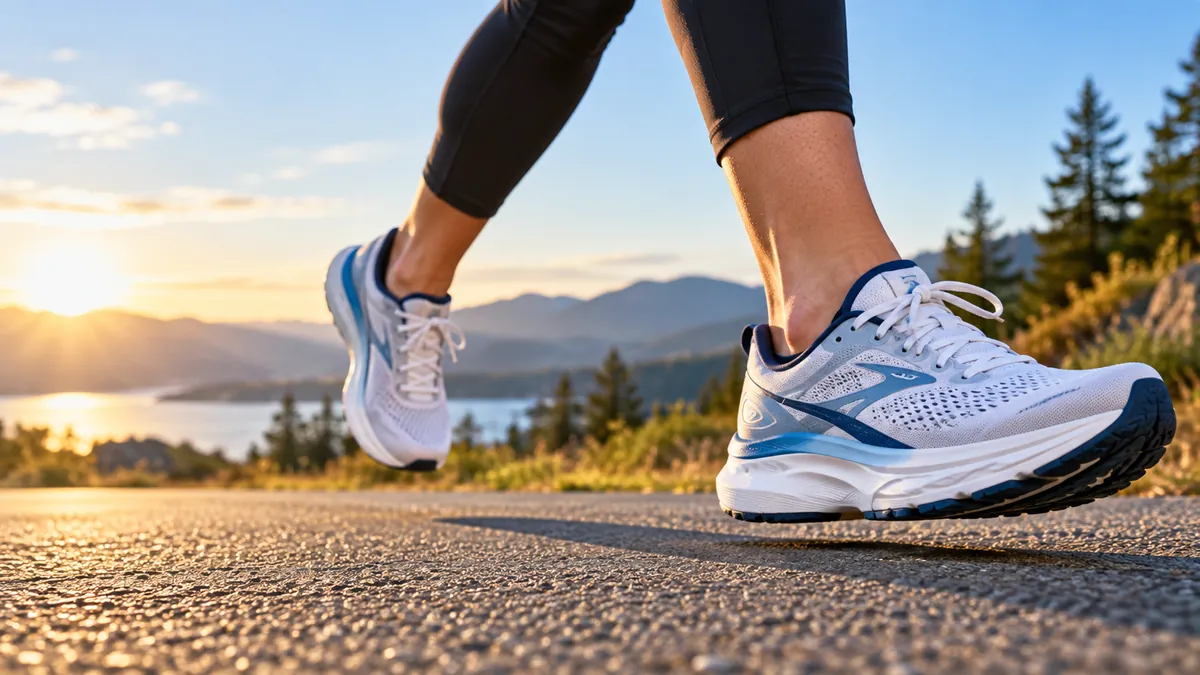
Quick Answer: Saucony Endorphin Speed 6 Review: The Saucony Endorphin Speed 6 is a neutral, nylon-plated trainer for runners who want one lively shoe for tempo runs, intervals, faster long runs and the occasional race. Its new springy foam and reshaped plate give a quick, rolling push-off without the harsh, race-only feel of a carbon super shoe, and the plate adds a touch of structure underfoot. The trade-offs are a snug, performance-style fit and a ride that feels firm and a little stiff at a slow jog, so it works best as a second shoe beside a softer daily trainer..
The Saucony Endorphin Speed 6 went on sale in the US on Oct. 15, 2026, as the sixth version of Saucony’s fast-day trainer. In the Endorphin family it sits between the plateless Endorphin Azura, a lively everyday trainer, and the carbon-plated Endorphin Pro race shoe. Saucony calls the Speed 6 a purpose-built tool for your faster training days, which is a fair summary: this is the shoe you reach for when the run has a pace target in it.
Two ingredients shape how it feels. The midsole, the foam layer between your foot and the ground, is PWRRUN PBX, which Saucony describes as a beaded PEBA superfoam. PEBA is the light, bouncy material used in many racing shoes, and for you it means a midsole that springs back rather than squashing flat. Inside that foam sits a nylon plate, a thin stiff layer that adds snap as your foot rolls off the toes. Nylon bends more easily than the carbon used in race shoes, so the push feels quick without feeling like a board. A curved rocker sole, which Saucony calls SPEEDROLL, helps tip you forward from heel to toe.
We wrote this review for the weekend runner who has started adding a weekly tempo run, or who is training for a first 10K or half marathon, and wonders whether a fast shoe is worth it. If most of your running is relaxed, read the sections on fit and on who should skip it closely, because that is where the Speed 6 is less convincing. Our guide to the best Saucony running shoes covers the rest of the range.

Saucony Endorphin Speed 6 men’s shoe. Image: Amazon.
Specs
Here are the specifications for the Saucony Endorphin Speed 6:
| Type | Neutral plated road trainer for tempo runs, workouts, faster long runs and racing |
| Midsole | PWRRUN PBX (beaded PEBA foam) with an SRS sockliner |
| Plate | Reshaped nylon plate, more flexible than carbon |
| Sole shape | SPEEDROLL rocker geometry |
| Weight | Men’s 8.2 oz (233 g); women’s 6.9 oz (198 g), per Saucony |
| Stack height | 38 mm heel, 30 mm forefoot |
| Heel-to-toe drop | 8 mm |
| Upper | Go-Fast lightweight, breathable mesh with a secure heel |
| Outsole | XT-900 rubber |
| Widths | Men’s and women’s regular and wide |
| Released | October 2026 |
| Price | $180 launch MSRP (October 2026). Check latest price |
Pros
Here is what the Endorphin Speed 6 does well:
- A springy foam and plate that wake up at pace: tempo runs and intervals feel quicker without the stiffness of a carbon race shoe.
- Light for how much cushioning it carries: at about 8 oz in a men’s size, faster long runs stay protected without heavy legs.
- One shoe for several jobs: it can handle a weekly workout, a long run with fast finishing miles and race day from 10K to the marathon.
- A men’s wide option: men with broader feet can get the same shoe instead of forcing a standard fit.
- A breathable upper: the thin mesh keeps your feet cooler on warm runs and in hard sessions.
Cons
Here are the compromises to weigh before buying:
- Firm and a little stiff at a slow jog: easy miles can feel clunky, so you will still want a softer daily trainer.
- A close, performance fit: high-volume feet may feel squeezed, and women have only the regular width.
- A premium price for a training shoe: it costs more than most everyday trainers, which only pays off if you run fast regularly.
- Not built for orthotics or all-day wear: the snug upper and tuned sockliner leave little room for a thick insert.
The Speed 6 swaps in PEBA foam and a reshaped plate
The headline change is the foam. The Speed 5 used PWRRUN PB, and the Speed 6 moves to PWRRUN PBX, which Saucony says is now lighter and softer while keeping its energy return. Energy return is simply how much of the squash the foam gives back as it springs up. For a buyer, the practical upshot is a bit more protection on longer efforts without carrying extra weight.
There is also more of it. Saucony lists a 38 mm heel and 30 mm forefoot stack, about 2 mm taller than the Speed 5 at both ends. Stack height is the total amount of material under your foot, so the change adds cushion without altering the slope of the shoe, which stays at an 8 mm drop. Drop is how much higher your heel sits than your toes, and 8 mm is the moderate, conventional slope most runners already know.
The nylon plate has been redesigned too. Saucony says the new shape gives more propulsion and smoother, faster transitions, which in plain terms means the shoe rolls you from landing to push-off with less effort. Up top, the Go-Fast mesh is thinner and more see-through than a daily trainer’s upper, with a firm hold at the heel so your foot does not slide when you speed up. Saucony also now sells a men’s wide version.
Who the Endorphin Speed 6 suits best
This shoe makes the most sense for a runner who already owns a comfortable everyday shoe and wants a second pair for harder days. If you run one or two quicker sessions a week, such as a tempo run at a comfortably hard pace or a set of intervals on a track or flat road loop, the Speed 6 gives those days a noticeable lift. Pair it with one of the best daily running shoes for everything else and both pairs will last longer.
It also suits runners training for a half marathon or marathon who want one shoe for long runs with faster finishing miles and for race day itself. The nylon plate is a gentler introduction to plated shoes than a carbon racer, so it is a sensible first step for someone curious about modern speed shoes.
Fit-wise, it is best for neutral runners with average to slim feet who like a close, locked-in feel. Men with wider feet now have a wide version to try. And because the shoe is light and rolls forward easily, it also works for steady tempo efforts on a treadmill through the winter.
Who should probably skip the Endorphin Speed 6
Skip it if most of your running is slow and easy. The Speed 6 is tuned for pace, and a plated, rockered shoe tends to reward effort rather than a gentle jog. On relaxed days a softer, more forgiving shoe will feel better and cost you less.
It is also the wrong pick if you want a roomy, plush shoe for long walks or a full day on your feet, if your feet roll inward enough that you want real support, or if your thick orthotics do not fit securely. Women and men can try the dedicated wide version, but runners needing especially generous toe room should still check the fit carefully. And if the budget is tight and you rarely run fast, a good daily trainer is the better use of the money.
Here are three shoes that suit those runners better:
- Saucony Paramount Max: a max-cushion neutral trainer with a broad, stable base and a roomy fit, made for easy runs, long walks and recovery days (check price | read review)
- Asics Gel-Slowcush: a very soft neutral shoe built for comfort at relaxed paces, easy runs and walks rather than speed (check price | read review)
- Saucony Echelon 10: a stable, wide and orthotic-friendly shoe for runners and walkers who need more support and more room (check price | read review)
A snug, secure fit that rewards trying it on first
Saucony describes the Go-Fast upper as a breathable, lightweight mesh with a secure heel fit that keeps the foot locked when you pick up the pace. Read that as a performance fit: close through the midfoot and heel, with less spare room than a cushioned daily trainer. That hold is what keeps your foot steady over the plate when you run hard, but it also means there is not much give for a high instep or a broad forefoot.
The front of the shoe narrows toward the toes, as fast shoes often do, so runners with wide or square toes should pay attention to how the forefoot feels on day one. Going up half a size only adds length, not width, so it will not fix a shoe that pinches across the ball of your foot. For men, the wide version is the better answer. For women, who get the regular width only, a roomier model such as the Altra Vanish Tempo 2 in our alternatives below is worth a look.
The thin mesh breathes well, which is a bonus in summer and in hard workouts, but it will feel cool on winter mornings, so pair it with warmer socks. The SRS sockliner, a thin layer of extra foam under your foot, is part of how Saucony tunes the ride, so swapping in a thick orthotic changes the feel and eats into an already close upper. Try the shoe late in the day, when your feet are slightly larger, and wear the socks you actually run in.

Saucony Endorphin Speed 6 men’s shoe, alternate view. Image: Amazon.
A springy ride that comes alive once you pick up the pace
Saucony says the new PWRRUN PBX foam is lighter and softer than before while keeping its bounce. Combined with the plate and the rocker, the result is a shoe built to feel quicker the harder you push. Three things create the forward motion: the foam springs back, the plate stiffens the forefoot so you push off a firmer lever, and the curved SPEEDROLL sole helps your foot roll through instead of slapping down flat.
That recipe has a flip side. Plated, rockered shoes are tuned for pace, so at a gentle jog the forefoot can feel firm and a little stiff, and the rocker can feel like it is hurrying you along. Expect the shoe to feel its best at tempo effort and faster, and give it a few runs before you judge it on easy days. If you only ever run at a relaxed pace, that is a sign this is not the shoe for you.
On stability, Saucony classifies the Speed 6 as neutral, meaning it has no dedicated support feature such as a firmer medial post. That said, Saucony says the plate is placed to add stability as well as pop, and a plate does make the midsole feel more structured than a soft, unplated foam shoe. We would call it a stable-feeling neutral shoe. It will not correct how your foot moves, and runners who want real guidance should look at a stability model.
Distance-wise, the 38 mm heel offers plenty of protection for half marathon and marathon training, while the light weight keeps 5K and 10K sessions lively. It is a road and track shoe; keep it off rocky trails.
XT-900 rubber grips the road, but this is a workout shoe first
The outsole uses Saucony’s XT-900 rubber, which the brand says offers traction and durability without adding weight. Like many fast trainers, the Speed 6 puts its rubber mainly where the sole wears hardest and leaves some foam exposed to save weight, so expect the bare areas to scuff sooner than on a heavier daily shoe.

Saucony Endorphin Speed 6 women’s shoe. Image: Amazon.
As a broad guideline, running shoes last roughly 300 to 500 miles, and light performance foams often sit toward the lower end of that range. How fast yours wears depends on your weight, stride and surfaces. The easiest way to stretch its life is to save the Speed 6 for workouts and races and do your easy miles in a sturdier daily trainer. On wet roads, take corners with a little care, as you would in any light road shoe.
Is the Saucony Endorphin Speed 6 good for walking?
Not really. The Speed 6 is built for running pace, and its plate, springy foam and rocker do their best work when you move faster than a walk. At walking speed you carry a snug upper and a stiff-ish forefoot that you never really use, and the close fit is not ideal for feet that swell over a long day. For long walks, travel days or standing on hard floors, a dedicated walking shoe gives you more room, a steadier platform and a softer landing. You can see our picks in the best walking shoes guide. The Speed 6 is fine for a warm-up or cool-down walk around a run, but it is not the shoe we would buy for everyday walking.
Endorphin Speed 6 vs. Speed 5: which should you buy?
Here is how the two versions compare on the changes that matter:
| Feature | Speed 6 | Speed 5 |
| Midsole foam | PWRRUN PBX (beaded PEBA) | PWRRUN PB |
| Stack height | 38 mm heel, 30 mm forefoot | About 2 mm lower |
| Heel-to-toe drop | 8 mm | 8 mm |
| Plate | Reshaped nylon plate | Nylon plate |
| Upper | Go-Fast mesh | Earlier lightweight mesh |
| Availability | New in October 2026 | Previous model, sold while stock lasts |
The two shoes share the same job and the same basic recipe: a nylon plate, a lively foam and a neutral ride. The Speed 6 adds a newer foam, a bit more cushion and a reshaped plate, which should make it the better long-run and marathon-training shoe of the two.
Buy the Speed 6 when you want the newest foam and extra cushion for longer workouts, when you have broad feet and want the men’s wide, or when you simply want a fresh pair that will be easy to find in your size.
Buy the Speed 5 when you already know and like its fit and can still find your size. If your current Speed 5 has plenty of life left, there is no pressing reason to replace it early.
Saucony Endorphin Speed 6 Alternatives
If you like what the Speed 6 is trying to do but want a different trade-off, these four shoes are worth a look.
Saucony Endorphin Azura: the same family without a plate, a better match if you want one lively shoe that is easier to live with on relaxed days as well as quick ones (check price | read review).
Puma Deviate Nitro 4: another plated tempo trainer, and the one to pick if grip on wet roads matters most to you, since its outsole is its standout feature (check price | read review).
Altra Vanish Tempo 2: a roomy, bouncy speed shoe with a flexible plate and a slight heel lift, the better choice if the Speed 6 feels tight across your toes (check price | read review).
Nike Zoom Fly 6: a carbon-plated performance trainer with ZoomX foam for runners who want a more race-like push at tempo pace and do not mind a snug fit (check price | read review).
Still not sure which shoe fits your feet and the way you run? Our Free Shoe Finder narrows your options in a few quick questions about fit, cushioning, support and how you plan to use the shoe.
Price and value
Saucony launched the Endorphin Speed 6 at $180 in October 2026. That is a premium price for a training shoe, and what it buys is a PEBA-based foam, a plate and a light build, features that once belonged only on race-day shoes. For a runner who treats it as the one fast shoe in the closet, covering weekly tempo work, long runs with fast finishes and a race or two, the cost is spread over a lot of quality miles and the value is easy to see.
The value drops if you plan to wear it for every easy run. Those miles do not need a plate or a springy foam, and a cheaper cushioned trainer will do that job just as well while saving your faster shoe for the days it matters. A two-shoe rotation, with a soft daily trainer for most runs and the Speed 6 for harder sessions, also tends to make both pairs last longer. If you are on the fence, check the latest price on the Endorphin Speed 6 and compare it with the outgoing Speed 5 while sizes last.
Final verdict
Best for: neutral runners who do at least one faster session a week and want one lively, flexible shoe for tempo runs, intervals, long runs with fast finishes and races from 10K to the marathon.
Avoid if: your runs are mostly slow and easy, you want a roomy shoe for walking or standing, you need stability support or you wear thick orthotics.
Fit: snug and secure, with a narrowing toe area. Both men’s and women’s versions are available in regular and wide. Sizing up adds length, not width.
Verdict: the Saucony Endorphin Speed 6 is a worthwhile update to Saucony’s do-it-all fast-day trainer. The newer foam and extra cushion make it better suited to longer efforts, and the nylon plate keeps it friendlier than a carbon racer. It rewards runners who use it for what it was built for: controlled, quicker running where the foam and plate have room to work. If your running is mostly relaxed, start with a softer daily shoe and add a plated trainer once your pace and weekly mileage grow.
Frequently Asked Questions for Saucony Endorphin Speed 6
No. It uses a nylon plate, which bends more easily than carbon and makes the shoe more comfortable for regular training. Saucony’s carbon-plated option in the Endorphin line is the Endorphin Pro race shoe.
Saucony’s size guide suggests choosing a size up from your usual casual-shoe size for its performance shoes. If you already know your Saucony running size, start there and make sure you have about a thumb’s width of space in front of your longest toe.
It can be. The cushioning and plate are designed to hold up over long efforts at pace, which makes it a sensible marathon shoe for runners who want something less aggressive than a carbon racer. If you are chasing a time goal and want the most push, a carbon-plated race shoe is the more specialized tool.
It is better as a second shoe than a first one. A newer runner should start with a comfortable daily trainer, then add the Speed 6 once running is a habit and faster sessions become part of the week.
Yes. It is a road shoe, and the plate and rocker work the same way on a treadmill belt. A treadmill is a good place for steady tempo efforts in this shoe, especially in bad weather.
No. The upper is a thin, breathable mesh that lets water in as easily as it lets heat out. It is a good warm-weather shoe, but on cold or wet days you will want warmer socks or a weather-ready trainer.