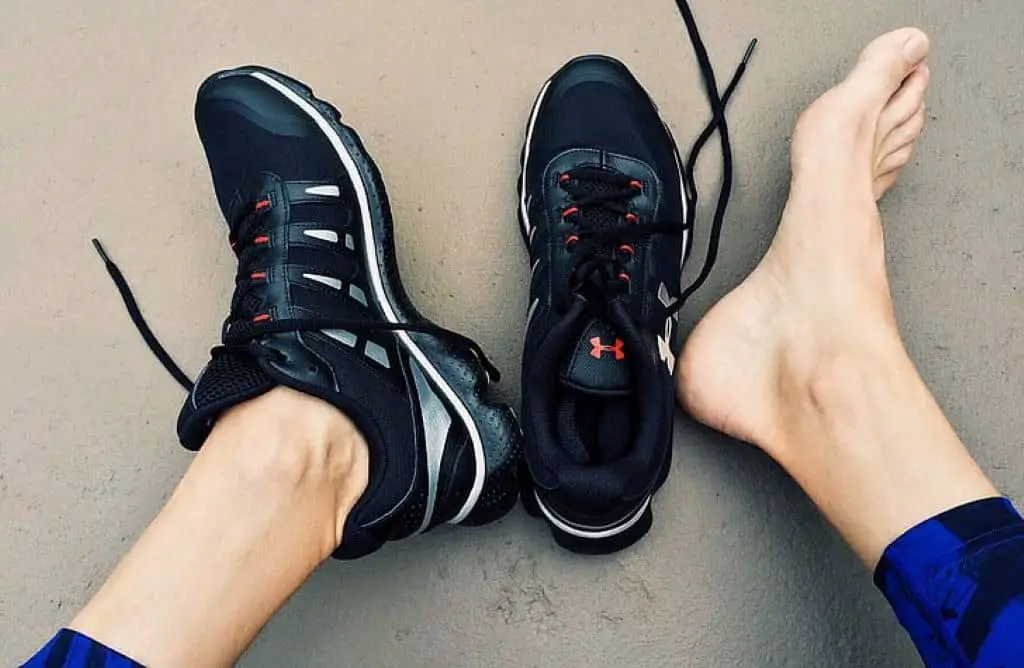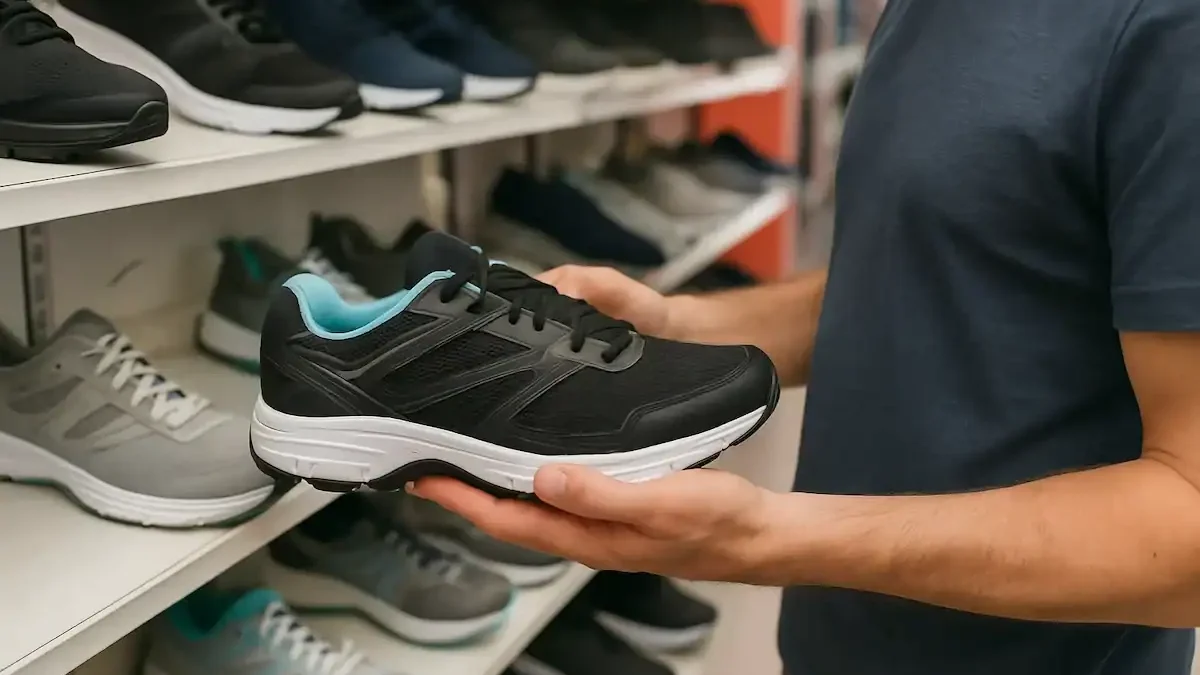
| Quick Answer: Walking shoes for plantar fasciitis and sensitive feet often need different priorities. Plantar fasciitis usually calls for supportive shoes with cushioning, a secure heel and a stable platform. Sensitive feet may need more room, a softer upper, fewer pressure points and a smooth interior. If numbness, diabetes, neuropathy, swelling or skin problems are involved, fit and pressure relief become especially important and a general shoe recommendation may not be enough. See the comparison table below or use the Free Shoe Finder for a general starting point. |
Plantar fasciitis and “sensitive feet” can overlap, but they are not the same problem. That matters when you choose walking shoes. A shoe with a pronounced arch shape and firm heel support may feel reassuring to one person with plantar fasciitis yet create too much pressure for someone with neuropathy, arthritis, bunions, swelling or skin sensitivity.
Plantar Fasciitis and Sensitive Feet Need Different Priorities
Plantar fasciitis commonly causes pain near the bottom of the heel and can also affect the arch. Footwear is only one part of managing it, but shoe structure can change how comfortable walking feels. The usual priorities are cushioning, arch support that feels comfortable, a stable sole and a secure heel. Mayo Clinic specifically recommends supportive shoes with good arch support, thick soles and cushioning, while also advising people to replace worn-out athletic shoes as support and cushioning deteriorate. Mayo Clinic’s plantar fasciitis guidance is a useful medical reference.
“Sensitive feet,” by contrast, is not one diagnosis. The sensitivity may come from bunions, arthritis, swelling, friction, skin irritation, neuropathy or another condition. In those cases, the upper, lining and shape of the shoe can matter as much as the midsole. A shoe that looks ideal for heel support can still be a poor choice if it presses on a bunion, rubs a numb area or crowds swollen toes. That is why the first step is identifying what “sensitive” means for your feet rather than shopping only by a comfort label.
What to Look for if Plantar Fasciitis Is the Main Problem
Start with a stable walking platform. The shoe should not twist or collapse so easily that your foot feels as though it is working to steady itself with every step. Heel cushioning can make hard surfaces feel less harsh, but very soft foam is not automatically better. A broad base with controlled cushioning often feels more predictable than a narrow, highly compressible platform. The heel should also feel secure enough that your foot is not sliding up and down as you walk.
Arch support is more personal than the label suggests. Some people with plantar fasciitis prefer a noticeable arch contour, while others find aggressive support uncomfortable. The better test is whether the shoe supports the foot without creating a concentrated pressure point. A removable insole can also be useful if you already wear an orthotic or need to experiment with a different insert.
For current shoe options, use our Best Walking Shoes for Plantar Fasciitis guide. If you are trying to decide between a softer shoe and one with more structure, our cushioned vs. supportive shoes guide explains why those features are not opposites.
What to Look for if Pressure or Sensitivity Is the Main Problem
When the main issue is rubbing, pressure or tenderness, look beyond the amount of cushioning. A soft or stretchable upper can reduce pressure on bunions and swollen areas. A roomy toe box can give the toes more space without forcing you to buy a shoe that is too long. A smooth lining and fewer internal seams can also matter if friction is part of the problem. Multiple width options are useful because “wide” is not the same as “roomy in the toe box,” and some feet need both.
If numbness or nerve damage is involved, shoe fit becomes more than a comfort issue. The American Diabetes Association advises wearing shoes that fit well and do not rub the feet, and notes that neuropathy can reduce the ability to feel an injury. The CDC similarly recommends well-fitting shoes with smooth linings and warns that people with nerve damage may not notice blisters or other injuries. See the American Diabetes Association’s foot-complication guidance and CDC guidance on diabetes and foot care.
For more targeted BWF guides, see our shoes for neuropathy, shoes for arthritis, shoes for bunions and orthopedic-friendly shoes pages.
Plantar Fasciitis vs. Sensitive Feet: What Changes?
The biggest difference is what you are trying to reduce. With plantar fasciitis, the goal is usually to make walking feel more comfortable by combining cushioning with enough structure and heel security. With pressure-sensitive feet, the goal may be to reduce rubbing, squeezing or concentrated pressure. Those priorities can overlap, but one does not automatically solve the other.
| Main concern | What often matters most | What can go wrong |
|---|---|---|
| Plantar fasciitis | Stable cushioning, heel security and comfortable arch support | Very soft or unstable shoes may feel tiring |
| Bunions or forefoot pressure | Roomy toe box, suitable width and forgiving upper | Tapered toe boxes can create pressure even in well-cushioned shoes |
| Arthritis or tender joints | Easy entry, cushioning, room and a smooth walking transition | Stiff or difficult-to-enter shoes may be uncomfortable |
| Neuropathy or reduced sensation | Proper fit, smooth interior and avoiding rubbing or pressure | Injury may go unnoticed if sensation is reduced |
| Swelling | Adjustable fit, extra volume and enough width | A shoe that fits early in the day may become too tight later |
Cushioning, Arch Support and Toe Room Have to Work Together
It is easy to focus on one feature and overlook the rest. A highly cushioned shoe can still be uncomfortable if the arch shape is too aggressive. A supportive shoe can still fail if the toe box crowds the forefoot. A roomy shoe can still feel tiring if the heel slips or the platform is unstable. The right combination depends on where the discomfort occurs and what happens after you have been walking for a while.
For plantar fasciitis, heel and arch comfort usually deserve more attention. For bunions, swelling and pressure-sensitive toes, the shape and volume of the upper can become the deciding factor. If your feet are sensitive mainly at the front, our Best Wide Toe-Box Shoes guide and Do I Need Wide Shoes? guide are better starting points than simply choosing a softer midsole.
The same principle applies to orthotics. A removable insole is useful only if the shoe has enough depth and volume to accommodate the insert without squeezing the foot. If adding an orthotic makes the heel rise out of the shoe or crowds the top of the foot, the shoe may not be a good match even if its other features look ideal.
When Neuropathy, Diabetes or Loss of Sensation Changes the Advice
If you have diabetes, neuropathy or reduced sensation, do not rely on comfort alone to tell you whether a shoe fits safely. A shoe can rub, create a blister or press on the skin without producing the usual warning pain. Both the American Diabetes Association and CDC emphasize regular foot checks, well-fitting footwear and avoiding pressure or rubbing. The CDC also recommends trying shoes later in the day when feet tend to be larger and breaking new shoes in gradually.
That changes how you should use a shoe guide. Online recommendations can help you understand features, widths and shoe types, but they cannot inspect your skin, sensation, circulation or foot shape. If you have numbness, a history of ulcers, open sores, significant swelling or diabetes-related foot problems, ask your health care professional or foot specialist whether you need therapeutic footwear, inserts or a more specific fitting approach.
The Free Shoe Finder can still help organize general options, but it is not a medical assessment. For neuropathy specifically, start with our neuropathy shoe guide and use your clinician’s recommendations as the controlling advice.
How to Test the Fit Before You Commit to a Pair
Try shoes with the socks and any orthotics or inserts you normally wear. Check the heel first: it should feel secure without hard pressure against the back of the foot. Then check the midfoot and arch. Support should feel present if you want it, but it should not create a sharp or concentrated pressure point. Finally, check the forefoot. Your toes should have room to move, and the upper should not press firmly on bunions, swollen joints or tender areas.
Fit should also be checked after your feet have been active. Feet commonly become larger as the day goes on, which is why a shoe that feels perfect first thing in the morning can become tight later. Our walking and running shoe fit guide explains what to check around the heel, arch and toe box.
If you have normal sensation, notice whether the shoe causes rubbing, pressure or numbness during indoor test wear. If you have reduced sensation, inspect your feet after wear instead of assuming “no pain” means the fit is safe. Redness, blisters, skin changes or pressure marks are reasons to stop and reassess the fit.
Which Direction Should You Start With?
Start with the problem that most limits your walking rather than the broadest label. The table below points to the BWF guide that best matches the main concern.
| If this sounds like you | Start here |
|---|---|
| Heel or arch pain is the main issue | Walking shoes for plantar fasciitis |
| Your toes or bunions feel squeezed | Wide toe-box shoes |
| You have arthritis or tender joints | Shoes for arthritis |
| You have numbness or nerve sensitivity | Shoes for neuropathy |
| You need orthotic room or extra depth | Orthopedic-friendly shoes |
| You are not sure which category fits | Free Shoe Finder |
Frequently Asked Questions
Are soft shoes always better for plantar fasciitis?
No. Cushioning can make walking more comfortable, but the shoe also needs to feel stable and secure. Very soft cushioning may feel less controlled for some walkers.
Is strong arch support required for plantar fasciitis?
Supportive footwear is commonly recommended, but more aggressive arch pressure is not automatically better. The arch shape should feel comfortable rather than creating a new pressure point.
What makes a shoe better for sensitive feet?
It depends on the cause of the sensitivity, but common priorities include enough width, a roomy toe box, a forgiving upper, smooth interior surfaces and cushioning that does not make the shoe unstable.
Are wide shoes the same as wide toe-box shoes?
No. A shoe can be wide through the whole platform yet still taper at the toes, while another shoe may have a naturally broad toe shape without being offered in multiple widths. Match the shape to where you actually need room.
What if I have both plantar fasciitis and bunions?
Look for a shoe that combines a stable, comfortable platform with enough forefoot width and a forgiving upper. Avoid solving heel support by accepting pressure on the bunion area.
Should people with neuropathy choose shoes by comfort alone?
No. Reduced sensation can make it harder to notice rubbing or injury. Proper fit, smooth interiors, regular foot checks and guidance from a health professional are especially important if neuropathy or diabetes is involved.
When should foot pain or sensitivity be checked by a clinician?
Get medical advice for persistent or worsening pain, unexplained numbness, loss of sensation, open sores, skin breakdown, significant swelling or symptoms that interfere with normal walking. Footwear may help with comfort, but it should not be used to diagnose the cause.