Last Updated on September 25, 2026
| Quick Answer: For most runners and walkers who want Brooks support for overpronation, the Brooks Adrenaline GTS 25 is the best place to start. It combines Brooks’ GuideRails support with balanced cushioning and a secure everyday fit without feeling like an old-fashioned motion-control shoe. Choose the Glycerin GTS 23 if you want a softer, plusher ride. For maximum structure, a broad base or orthotic use, look at the Beast GTS 26 for men or Ariel GTS 26 for women. The Addiction GTS 15 remains a roomy, supportive alternative. |
Brooks has several shoes that can work well for people whose feet roll inward more than they find comfortable while walking or running. The important point is that these models do not all feel the same. Some provide moderate guidance for everyday miles, while others use a broader, more substantial platform for people who prefer a very stable feel.
Brooks now relies mainly on its GuideRails support system rather than the firm medial posts used in many older stability shoes. The idea is to help keep excess movement in check while allowing your foot to move naturally. If you want to compare Brooks with other brands, see our broader guide to the best shoes for overpronation.
Which Brooks shoe is best for overpronation?
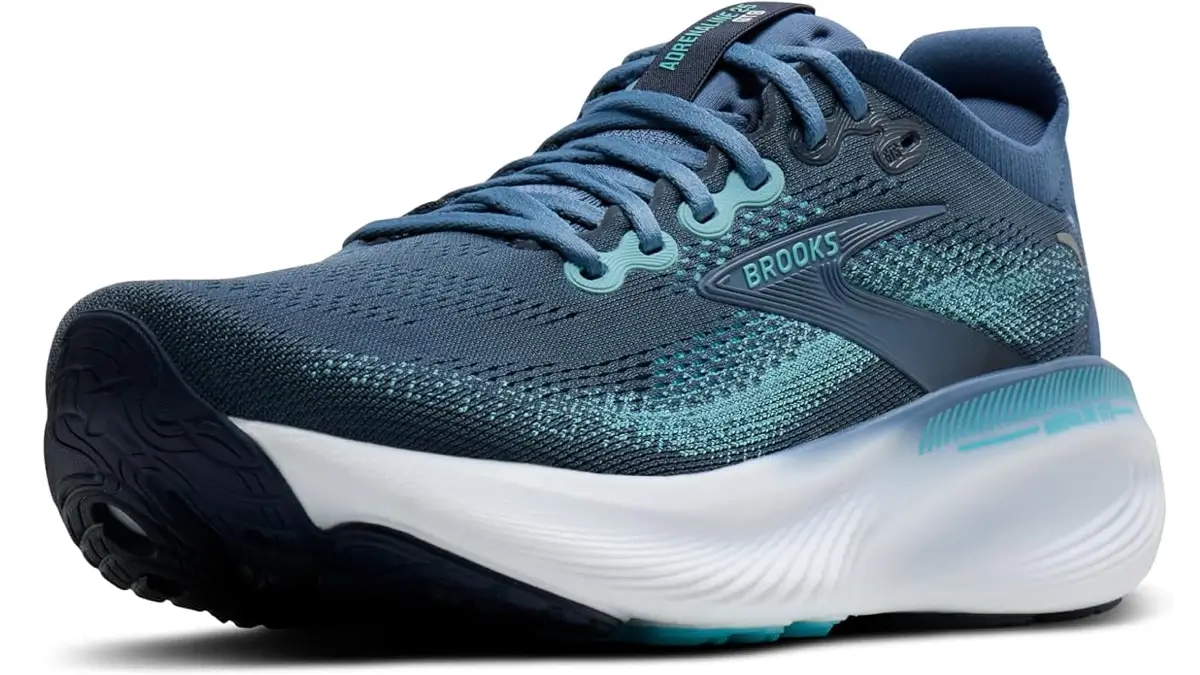
The Brooks Adrenaline GTS 25 is our best Brooks pick for most people who want added stability for overpronation because it strikes the best balance between support, cushioning, weight and everyday usability. Brooks lists it for structured support, road running, walking and reliable comfort. It uses the current GuideRails system, a 10 mm heel-to-toe drop and balanced DNA LOFT v3 cushioning.
That makes it easier to live with than a heavier maximum-support shoe. It works for daily runs, fitness walking and general wear, and it comes in multiple widths. If you are moving from a neutral shoe because you want a little more guidance, this is the Brooks model we would try first. Our full Brooks Adrenaline GTS 25 review goes deeper into fit, cushioning and walking performance.
Gender-specific buy links: Men’s version | Women’s version
Best Brooks shoes for overpronation at a glance
The right model depends on how much structure you actually like underfoot. A runner who wants gentle guidance does not necessarily need the same shoe as someone who uses orthotics, wants a very broad base or spends long hours walking. The table below shows the current Brooks options we would consider first.
Shoe | Best for | Support feel | Drop | Brooks price |
|---|---|---|---|---|
Brooks Adrenaline GTS 25 | Best overall | Moderate structured support | 10 mm | $155 |
Brooks Glycerin GTS 23 | Plush cushioning | Structured support with softer cushioning | 8 mm | $180 |
Brooks Beast GTS 26 / Ariel GTS 26 | Maximum support, walking and orthotics | Broad, highly stable platform | 12 mm | $170 |
Brooks Addiction GTS 15 | Roomy fit and orthotics | Structured support with high-volume fit | 12 mm | $140 |
Prices are Brooks’ listed U.S. prices at the time of this update and can change. Amazon prices vary by size and color.
Brooks Glycerin GTS 23: best if you want more cushioning
The Glycerin GTS 23 takes the same basic support philosophy and wraps it in a softer, more luxurious ride. Brooks positions it for road running, everyday runs and long runs, with GuideRails support and plush DNA TUNED cushioning. Compared with the Adrenaline, the Glycerin GTS is the better choice if cushioning is high on your priority list and you do not mind paying more for it.
It is especially appealing for long easy runs, recovery days and walkers who like a softer feel underfoot but still want a guided platform. The 8 mm drop is also slightly lower than the Adrenaline’s 10 mm. The trade-off is that it feels more substantial and costs more. If your main goal is a dependable everyday stability shoe, the Adrenaline remains the simpler choice. If your feet feel better with more cushioning, the Glycerin GTS 23 is the Brooks model we would move to next.
Gender-specific buy links: Men’s version | Women’s version
Brooks Beast GTS 26 and Ariel GTS 26: best for maximum support
The Beast GTS 26 for men and Ariel GTS 26 for women are Brooks’ more substantial support shoes. These are the models to consider when the Adrenaline does not feel stable enough, when you prefer a broad platform, or when you need extra room for an orthotic. Brooks describes the Beast GTS 26 as suitable for maximum support, walking, everyday wear and running with orthotics. The Ariel GTS 26 uses the same broad-base, GuideRails approach for women.
These shoes are noticeably heavier and more structured than the Adrenaline, so we would not automatically move to them simply because you have been told that you overpronate. The extra shoe can be useful for people who genuinely prefer that secure, planted feel, but others will find the Adrenaline easier and more natural. Read our Brooks Beast GTS 26 review for more detail on the men’s version.
Gender-specific buy links: Men’s Beast GTS 26 | Women’s Ariel GTS 26
Brooks Addiction GTS 15: best for a roomy fit and orthotics
The Addiction GTS 15 is an older design than the other shoes here, but it still fills a useful niche in Brooks’ lineup. Brooks gives it a roomy forefoot and specifically lists it for added support, orthotics, everyday running and walking. It also uses GuideRails and has a 12 mm drop. For someone who struggles to fit an orthotic into a normal running shoe, or who simply needs more volume through the forefoot, that roomy construction can matter more than having the newest foam.
It feels more traditional than the Adrenaline GTS 25 or Glycerin GTS 23, and we would not choose it first for someone who wants a lighter, more modern running feel. But it remains a sensible option for walking and steady running when fit space is the priority. If your current Brooks feels cramped once an insert is added, the Addiction is one of the models worth trying before moving away from the brand entirely.
Gender-specific buy links: Men’s version | Women’s version
How Brooks GuideRails support works
Older stability shoes often used a firmer wedge of foam on the inside of the midsole to resist inward rolling. Brooks moved away from that traditional medial-post approach in many of its support shoes. GuideRails instead uses supportive elements around the heel and sides of the shoe to help limit excess movement while allowing the foot to follow its preferred path.
That is why a current Brooks GTS shoe can feel less corrective than an older motion-control model even though it is still categorized as a support shoe. The amount of stability also depends on the rest of the shoe: platform width, midsole geometry, upper hold and cushioning all change how stable a shoe feels. Our guide to the Brooks GuideRails support system explains the technology in more detail.
How to choose the right Brooks stability shoe
Start with how much support actually feels comfortable rather than assuming that more support is automatically better. If you are running and walking comfortably in neutral shoes, visible inward rolling alone is not a reason to change. If you consistently prefer a more guided feel, the Adrenaline GTS 25 is the most useful starting point because it gives you support without becoming unusually heavy or rigid.
- Choose Adrenaline GTS 25 for balanced everyday support, walking and daily running.
- Choose Glycerin GTS 23 if you want the same general support concept with softer, plusher cushioning.
- Choose Beast GTS 26 or Ariel GTS 26 when you want maximum structure, a broad base or room for orthotics.
- Choose Addiction GTS 15 when a roomy, high-volume fit matters more than having the newest design.
If none of those descriptions sounds quite right, compare the rest of the current lineup in our Brooks running shoes comparison or see our best Brooks shoes for runners and walkers. You can also use the Free Shoe Finder to narrow your choices by support, cushioning, width and use.
Do you need a stability shoe for overpronation?
Not necessarily. Pronation is part of normal foot movement, and the amount that is visible does not by itself tell you which shoe will feel best. Some runners who pronate are comfortable in neutral shoes, while other people prefer the secure sensation of a stability shoe even without a major gait issue. Comfort, fit, your normal training load and how the shoe behaves when you actually walk or run are more useful than choosing from a label alone.
If you have persistent pain, a recent injury or a significant change in the way you walk or run, footwear should not be treated as a diagnosis or a substitute for professional assessment. For shoe shopping, however, Brooks makes it relatively easy to progress from moderate support in the Adrenaline to plush support in the Glycerin GTS and then to the broader, more structured Beast or Ariel if you need it.
Frequently asked questions
Is the Brooks Adrenaline GTS 25 good for overpronation?
Yes, it is Brooks’ most versatile current stability shoe and our first choice for most runners and walkers who want support for excess inward movement. It uses GuideRails rather than a traditional medial post.
Is the Brooks Glycerin GTS more supportive than the Adrenaline?
Both use structured GuideRails support. The Glycerin GTS 23 is mainly the plusher, more cushioned option; it is not automatically the better choice simply because it costs more.
What is the most supportive Brooks shoe?
The Beast GTS 26 for men and Ariel GTS 26 for women are the current Brooks options to look at when you want maximum structure, a broad platform and a fit that can work well with orthotics.
Which Brooks shoe is best for walking and overpronation?
For most walkers, start with the Adrenaline GTS 25. If you want more cushioning, consider the Glycerin GTS 23. If you need a broader and more substantial platform, move to the Beast GTS 26 or Ariel GTS 26.
Are Brooks Ghost shoes good for overpronation?
The Ghost is primarily a neutral shoe. Some people who pronate are perfectly comfortable in neutral shoes, but if you specifically want Brooks’ GuideRails support, look at an Adrenaline GTS, Glycerin GTS, Beast GTS or Ariel GTS instead.
Do Brooks stability shoes correct overpronation?
It is better to think of them as providing guidance and a more stable platform than as “correcting” your gait. Brooks describes GuideRails as helping keep excess movement in check rather than forcing the foot into one position.
Should I choose the most supportive Brooks shoe if I have flat feet?
No. Flat feet do not automatically mean you need maximum support. Start with fit and comfort, and choose the level of stability that feels good while you move. Our overpronation guide compares Brooks with other current options.