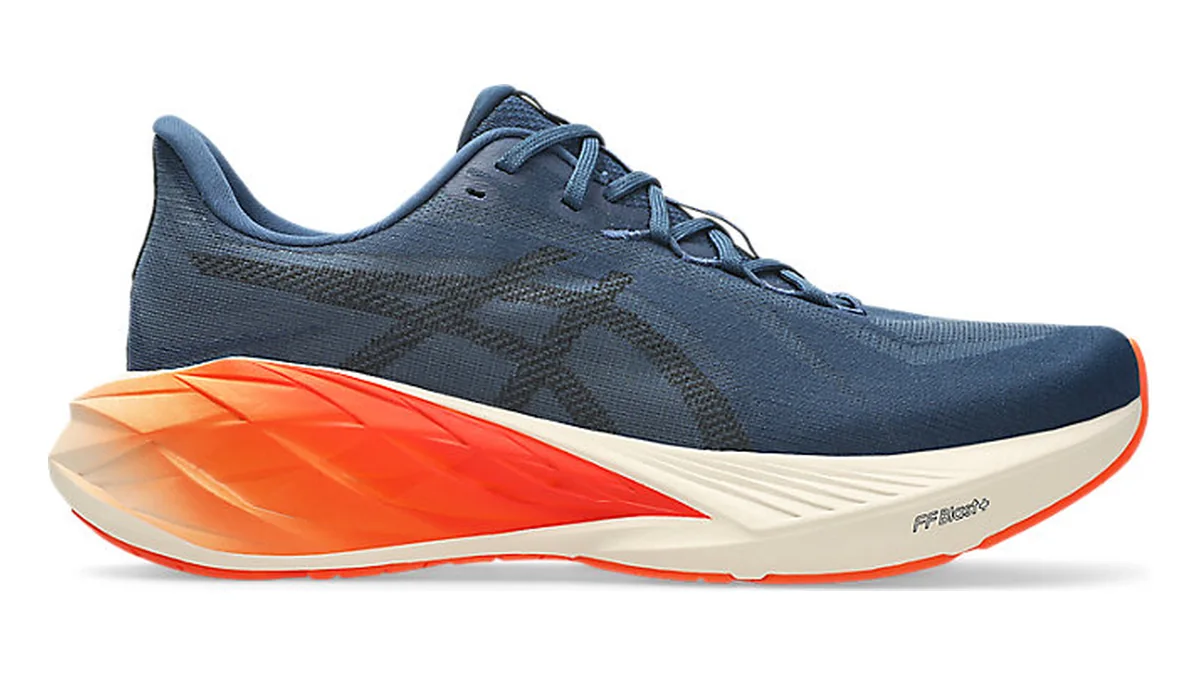
Quick Answer: Asics Dynablast 6 Review: The Asics Dynablast 6 is a comfortable everyday trainer for runners and walkers who want plenty of cushioning without a complicated ride. It feels best on easy and steady runs, treadmill sessions and daily walks. The cushioning has some bounce, but the shoe is not trying to be a speed trainer or race shoe. Its biggest strengths are comfort, simplicity and versatility. The main limitation is fit: the current U.S. version is Standard width only, so people who regularly need more room may be better served by another model. Check latest price. See recommendations side by side.
A comfortable everyday trainer for easy runs and walking
Gender-specific buy links: Men’s version | Women’s version
The Asics Dynablast 6 is the kind of shoe you can put on without thinking too hard about it. It is cushioned enough for easy miles, comfortable enough for walking and simple enough for people who do not want an aggressive rocker, plate or race-shoe feel.
That makes it especially appealing for casual runners, newer runners and people who use the same pair for running, walking and everyday wear. The ride is smooth and forgiving, with a little bounce underfoot, but it never feels demanding.
At a glance
The useful details at a glance:
| Best for | Easy runs, steady daily mileage, treadmill running and walking |
| Ride | Cushioned, smooth and mildly bouncy |
| Support | Neutral |
| Fit | Conventional daily-trainer fit; Standard width on the current U.S. listing |
| Underfoot feel | Protective rather than low or flexible |
| Key technology | FF Blast Plus cushioning with a central pod designed to add energy through toe-off |
| Drop | 8 mm |
Pros
- Comfortable for easy and steady running
- Cushioning works well for walking as well as running
- Smooth ride is easy to get along with
- Enough bounce to avoid feeling dull
- Simple, versatile choice for people who do not need a specialized shoe
Cons
- Not the best choice for speed-focused workouts
- Current U.S. model is Standard width only
- Neutral design will not suit runners who prefer structured stability support
- People who like low, flexible shoes may find it too substantial
What is new compared with the Dynablast 5
The main change from the Dynablast 5 is feel rather than one headline number. The Dynablast 6 has moved toward a more cushioned, protective daily-trainer experience, so it feels better suited to easy mileage and walking than to quick, stripped-down running.
Asics still uses FF Blast Plus foam, but the current shoe also has a central pod underfoot designed to make toe-off feel a little more energetic. You do not need to understand the technology to notice the intent: softer landings, a smoother roll forward and enough rebound to keep the shoe from feeling flat.
Who should buy the Asics Dynablast 6
Buy the Dynablast 6 if most of your running is easy or steady and you want comfort without a complicated feel. It is a good match for daily mileage, treadmill sessions and people who want one pair that can handle both running and walking.
It is also a sensible option if tall, aggressive shoes feel like too much. The Dynablast gives you plenty underfoot but still behaves like a straightforward daily trainer.
Who should probably skip it
Skip the Dynablast 6 if you want a lightweight shoe for speed work or racing. It is also not the right choice if you know you prefer structured stability support or require a wider fit than the standard U.S. model offers.
Not sure which shoe suits your feet and routine? Find your ideal shoe with our free Shoe Finder.
Here are three shoes that suit those runners better:
- Asics Gel-Cumulus 26: choose it if you want a steadier, more traditional cushioned trainer with broader width options (check price | read review).
- Nike Pegasus 42: choose it if you prefer a firmer, more planted daily ride and need more width choices (check price | read review).
- Brooks Ghost AMP: choose it if you want something lighter and more responsive for days when you pick up the pace (check price | read review).
How does the Asics Dynablast 6 fit?
The Dynablast 6 has a conventional daily-trainer fit. Most runners should start with their usual Asics size and pay attention to forefoot room, midfoot hold and heel security rather than assuming the shoe runs unusually narrow or low-volume.
Fit and sizing
Start with your normal Asics running-shoe size. The current U.S. listing is Standard width, so runners who regularly need Wide or Extra Wide shoes should compare another model rather than automatically sizing up. For cross-brand sizing, use our shoe size converter as a starting point.
Upper and step-in comfort
The engineered mesh upper is straightforward and breathable, with enough padding for daily use without becoming bulky. It is designed for comfort rather than a stripped-down racing fit.
How does the Asics Dynablast 6 perform?
The Dynablast 6 is at its best when you settle into a comfortable rhythm. It is not trying to push you forward or make every run feel fast. Instead, it gives you a cushioned, predictable platform that works well for the kind of easy running most people do most often.
Cushioning and ride
The cushioning feels soft enough to take the edge off pavement without becoming squishy. There is a little rebound as you roll through the stride, which helps the shoe feel more lively than a basic comfort trainer.
Ride and running performance
Easy and steady running are the sweet spots. You can pick up the pace occasionally, but runners who do regular intervals, tempo work or racing will probably want a lighter second shoe. For ordinary daily mileage, the Dynablast is much easier to live with.
Stability and support
The Dynablast 6 is a neutral shoe. Its support comes from the width and shape of the platform rather than a dedicated stability system. If you know you prefer structured guidance, choose a true stability model instead.
Outsole, grip and durability
Ahar Lo rubber covers the main wear areas while exposed foam helps keep weight down. Grip is appropriate for normal road and treadmill use. Replace the shoe when traction declines, cushioning feels noticeably flatter or the upper no longer holds the foot securely.
Is the Asics Dynablast 6 good for walking?
Yes. Walking is one of the Dynablast 6’s better secondary uses. The cushioning works well on sidewalks and treadmills, and the shoe is comfortable enough for errands, travel and general daily wear without feeling as bulky as some max-cushion models.
If you spend all day standing or walking on hard floors, fit and stability matter as much as softness. Compare our best walking shoes and best shoes for standing all day for broader options.
Asics Dynablast 6 vs. Dynablast 5
What changed | Dynablast 6 | Dynablast 5 |
Overall feel | More cushioned and protective | Lower and more direct |
Best use | Easy running, daily mileage and walking | Daily running with a slightly leaner feel |
Toe-off | Central pod adds a little more energy | Simpler previous setup |
Who should choose it | People who want more comfort | People who prefer the older, lower feel |
Choose the Dynablast 6 if you want the more cushioned, comfort-focused version. The Dynablast 5 may still appeal if you preferred the older shoe’s leaner feel.
The change is more about ride character than one single specification. The Dynablast 6 feels more substantial and comfort-focused than the model it replaces.
Asics Dynablast 6 alternatives
The Asics Novablast is the more performance-oriented alternative. It feels livelier and is a better match for runners who want their daily trainer to handle quicker running as well as easy miles (check price | read review).
The Nike Winflo is worth comparing if you want a similarly straightforward daily shoe but prefer Nike’s fit and ride. It is another option for runners who want comfort and versatility rather than a highly specialized trainer (check price).
The Adidas Supernova Rise is a good alternative if you want a steadier, more planted feel. It gives up some bounce but may suit runners who dislike taller, softer shoes (check price | read review).
The Nike Vomero 18 makes sense if your priority is a softer, more protective ride for long easy outings. It feels more substantial underfoot and is better suited to runners who want maximum comfort rather than a little extra bounce (check price | read review).
Should you buy it?
Best for: runners and walkers who want a comfortable neutral shoe for easy mileage and daily use.
Avoid if: you need structured stability support, a dedicated Wide fit or a lightweight shoe for faster workouts.
Fit: start with your usual Asics size; the current U.S. model is listed in Standard width.
Verdict: The Asics Dynablast 6 is a comfortable, easygoing daily trainer that makes the most sense for relaxed running and walking. Its appeal is not one standout specification; it is how little effort it takes to live with.
Frequently Asked Questions for Asics Dynablast 6
Yes. It is best suited to easy runs, steady mileage and runners who want cushioning without a highly aggressive ride.
Yes. The cushioning and smooth ride make it comfortable for daily walks, errands, travel and treadmill walking.
It sits on the cushioned side, but it still has enough structure to feel controlled rather than mushy. It is designed more for comfortable daily miles than for a very soft recovery-shoe feel.
No. It is a neutral trainer. If you know you prefer structured guidance, choose a dedicated stability shoe instead.
It can work for easy and steady longer runs if you like its cushioning and fit, but runners who want a softer or more protective feel over many miles may prefer a more substantial daily trainer.
The Dynablast 6 is the simpler everyday option. The Novablast family is generally more performance-focused and feels livelier, while the Dynablast is easiergoing and aimed more squarely at comfortable daily use.
The current U.S. listing is Standard width. If you regularly need Wide or Extra Wide shoes, compare another model rather than simply sizing up.