Last Updated on October 1, 2026
| Quick Answer: Best Shoes for Teachers in 2026. Teachers spend long hours standing, walking between classrooms and working on hard floors, so the best shoes combine stable cushioning, a secure fit and a style that works with the school dress code. Our current picks are the Brooks Ghost 18, Hoka Bondi 9, Hoka Transport 2, Vionic Walk Max, Dr. Scholl’s Time Off, Dansko XP 2.0 and Skechers Hands Free Slip-ins GO WALK Flex. If your school environment involves wet or slick floors, choose a model with verified slip resistance rather than assuming a running shoe is suitable. |
Teaching is a standing-and-walking job. Even when you are not moving between classrooms, you may spend hours on hard tile, concrete or commercial flooring. That puts a premium on shoes that stay comfortable after the first hour rather than just feeling soft when you try them on. Women who want a broader occupational comparison can also see our best work shoes for women.
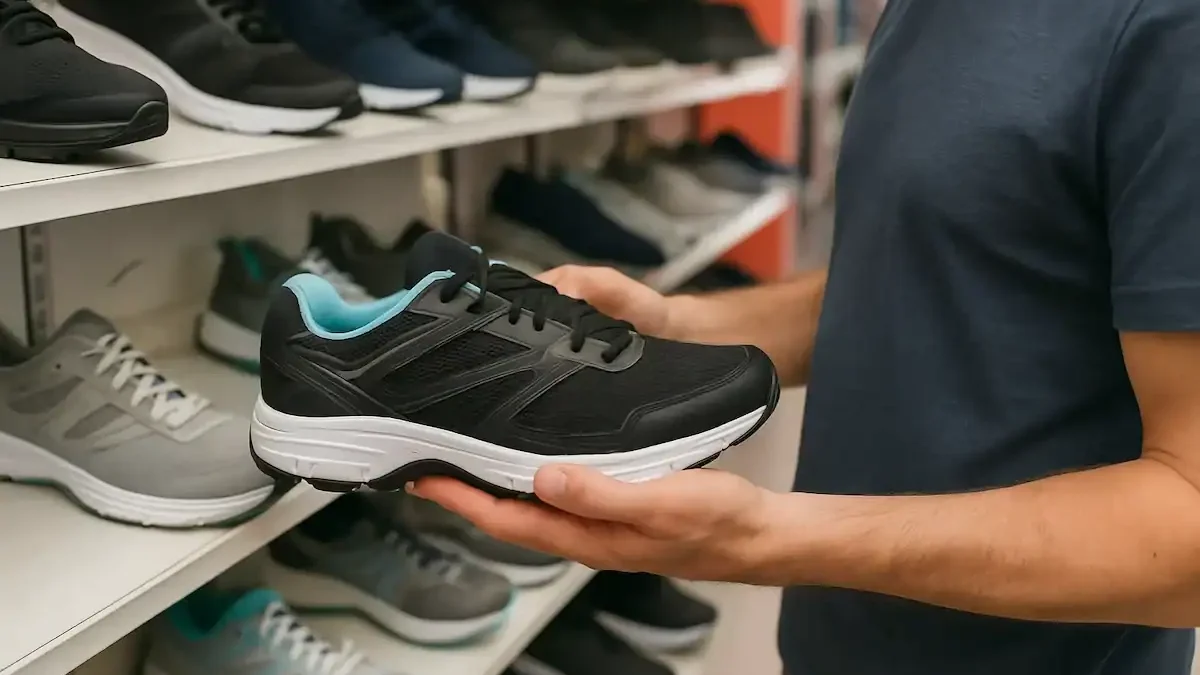
For most teachers, the priorities are stable cushioning, enough toe room for swelling later in the day, a secure heel and a style that fits the school’s dress code. Some teachers can wear athletic sneakers every day. Others need something that looks more polished. This guide covers both.
Best Shoes for Teachers at a Glance
The Brooks Ghost 18 is the best all-around sneaker for classrooms because it balances cushioning, weight and stability. The Bondi 9 adds more cushioning for hard floors. The Hoka Transport 2 looks less like a running shoe and works well for teachers who want sneaker comfort with a cleaner profile. The Vionic Walk Max adds a more noticeable arch shape. Dr. Scholl’s Time Off is the casual fashion-sneaker pick. Dansko XP 2.0 suits people who prefer clogs and stand more than they walk. Skechers GO WALK Flex is the easiest hands-free option.
Shoe | Best for | Why it works for teachers | Price |
|---|---|---|---|
Best overall | Balanced cushioning, multiple widths, all-day versatility | ||
Maximum cushioning | High stack, broad base, rocker for hard floors | ||
Smart-casual sneaker | Cleaner styling, Vibram outsole, walking comfort | ||
More noticeable arch support | Contoured footbed, rocker sole, wide options | ||
Casual style | Fashion-sneaker look with moderate support | ||
Standing-heavy days | Rocker clog, defined arch, slip-resistant outsole | ||
Easy-on comfort | Hands-free entry, lightweight cushion, simple everyday fit |
What Makes a Good Teacher Shoe?
The best teacher shoe should remain comfortable when you alternate between standing still and walking. Very soft cushioning can feel good at first but become tiring if the platform is unstable. A broad base and secure heel usually matter as much as foam depth.
Fit also changes over the day. Feet often feel fuller after hours of standing, so a shoe that feels snug first thing in the morning can become uncomfortable by afternoon. If you regularly feel pressure through the forefoot or midfoot, use a true wide size rather than simply buying a longer shoe.
Dress code matters too. Athletic shoes such as the Ghost 18 and Bondi 9 are the strongest comfort choices, but a Transport 2, Time Off or Dansko may fit better in schools with a more polished dress expectation.
Best Shoes for Teachers in 2026
Brooks Ghost 18
Best for: Teachers who want one versatile sneaker for standing, walking and commuting.
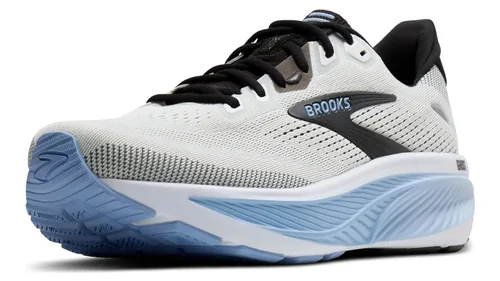
The Ghost 18 is the best all-around teacher shoe because it gives you enough cushioning for hard floors without becoming overly soft or unstable. Brooks uses DNA LOFT v3 foam in a neutral platform that works well for walking, standing and everyday wear.
It is also one of the easier mainstream shoes to find in multiple widths. That matters on long school days when feet swell. The main drawback is styling: it still looks like a running shoe, so it will not fit every dress code.
Read our Brooks Ghost 18 review.
Hoka Bondi 9
Best for: Maximum cushioning on tile, concrete and other hard classroom floors.
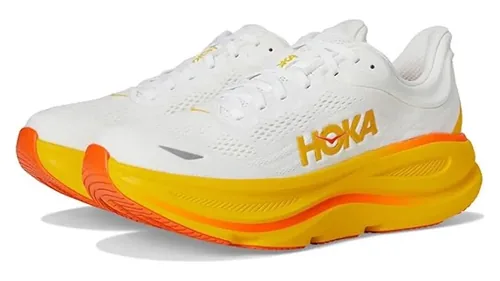
The Bondi 9 is the max-cushion choice. Its thick midsole reduces ground feel, while the broad base keeps the tall platform from feeling as unstable as its height might suggest. Hoka’s rocker geometry also helps the shoe roll forward during repeated walking.
Choose the Bondi if cushioning is the priority and you are comfortable with a bulky athletic look. Wide sizes are available. Read our Hoka Bondi 9 review.
Hoka Transport 2
Best for: Teachers who want sneaker cushioning without an obvious running-shoe look.
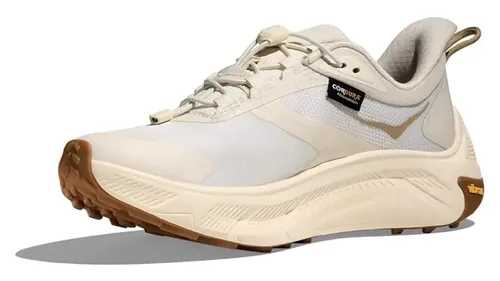
The Transport 2 is one of the better classroom compromises between comfort and appearance. It uses Hoka cushioning but wraps it in a cleaner commuter-style upper, while a Vibram outsole gives it more durable traction than many casual sneakers.
It is heavier and stiffer than the Ghost 18, so it makes more sense for school days and commuting than for fitness walking. Read our Hoka Transport 2 review.
Vionic Walk Max
Best for: Teachers who prefer a more noticeable arch shape underfoot.
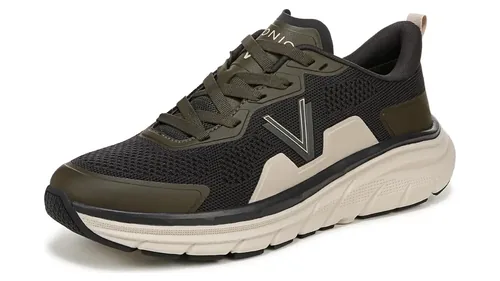
The Walk Max has a shaped footbed and pronounced arch contour, making it a better fit for people who already know they like noticeable support. The rocker sole and light cushioning work well for walking between classrooms and standing during lessons.
The trade-off is that the arch can feel intrusive if you prefer a flatter, neutral footbed. Wide options are available. Read our Vionic Walk Max review.
Dr. Scholl’s Time Off
Best for: Teachers who want a casual fashion sneaker rather than an athletic shoe.
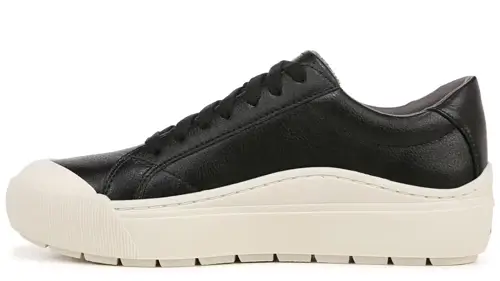
The Time Off looks more like a platform fashion sneaker but adds moderate anatomical support and a removable cushioned insole. That makes it useful for teachers who need something that pairs more naturally with casual professional clothing.
It is not as supportive or durable for all-day walking as the Ghost or Bondi, but it is one of the best style-first choices. Read our Dr. Scholl’s Time Off review.
Dansko XP 2.0
Best for: Teachers who spend more time standing than walking and like a firm clog.
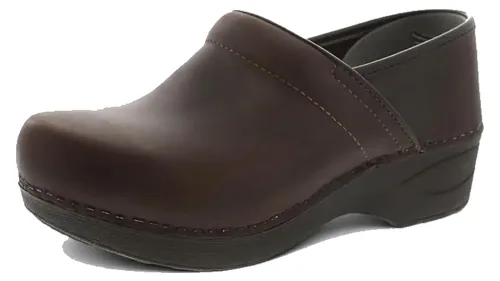
The XP 2.0 is very different from the sneakers above. It uses a stiff rocker sole, a shaped removable footbed and a roomy clog fit. That combination works well when you stand in one area for long periods and take short walks between tasks.
The outsole is specifically slip resistant, which can matter in schools with polished or occasionally wet floors. The open heel makes it less secure for fast movement or lots of stairs. Read our Dansko XP 2.0 review.
Skechers Hands Free Slip-ins GO WALK Flex
Best for: Easy-on comfort and lighter-duty classroom days.
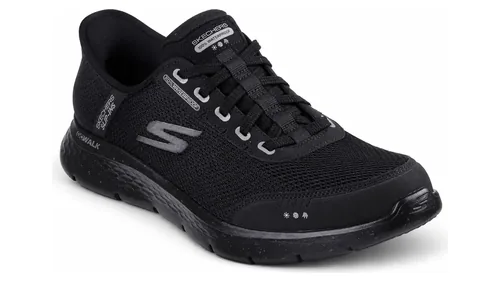
The GO WALK Flex is the convenience choice. Skechers’ hands-free heel lets you step in without touching the shoe, and the soft ULTRA GO cushioning feels comfortable for errands, classrooms and general walking.
It is less structured than the Ghost, Bondi or Vionic, so it is better for teachers who prioritize easy entry and light comfort over strong arch guidance or firm stability.
What About Dress Shoes and Flats for Teachers?
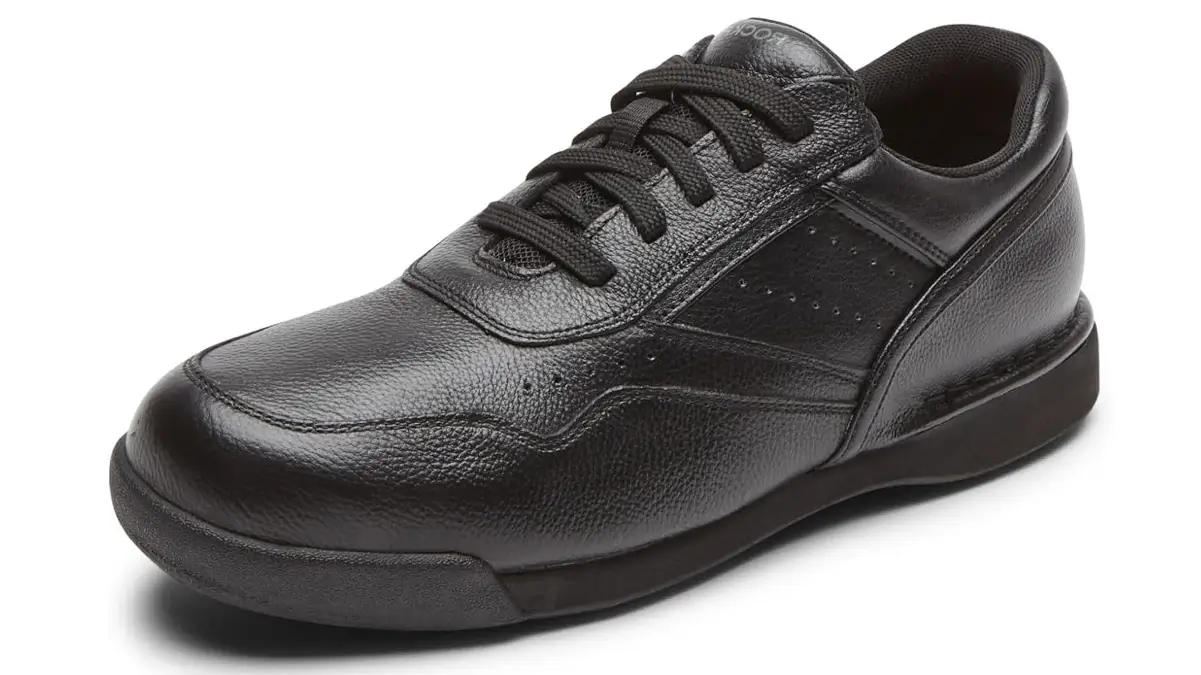
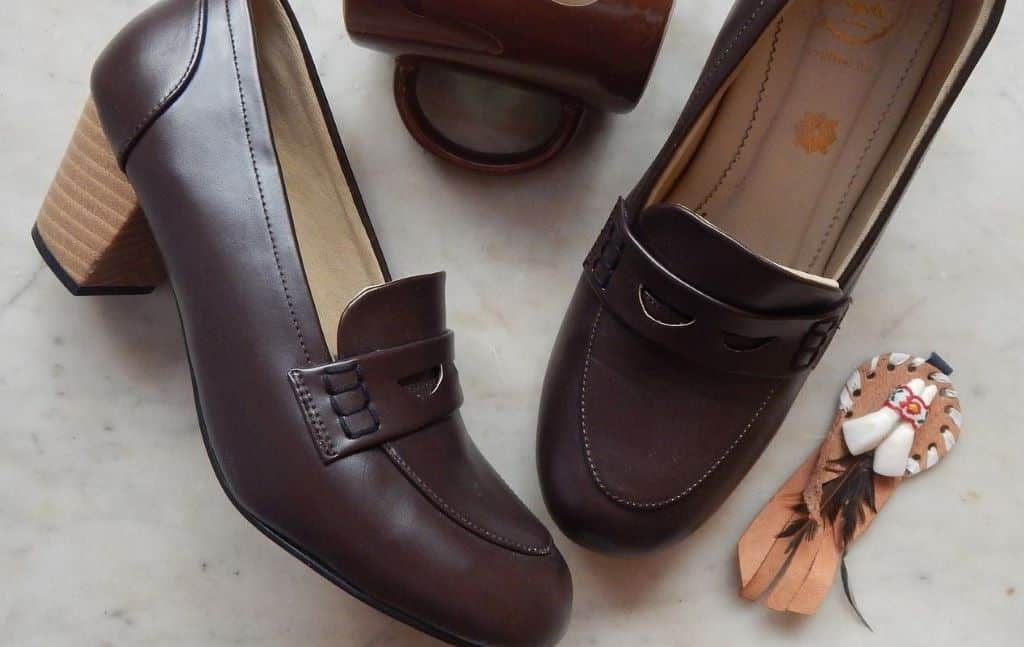
If your school requires dress shoes, look for a rubber outsole, a removable cushioned footbed and enough toe room. Thin ballet flats and hard leather soles can become uncomfortable quickly because they provide little cushioning or shock absorption.
A hybrid sneaker such as the Hoka Transport 2 or Dr. Scholl’s Time Off often works better than a traditional flat because it keeps more cushioning underfoot without looking like a running shoe. For formal environments, use our men’s dress-shoe guide or choose a women’s dress shoe with a rubber outsole and removable insole.
How to Make Long School Days Easier on Your Feet
Shoes help, but they are only one part of managing long hours on your feet. Alternate between standing and sitting when possible, change positions rather than locking your knees, and use a small anti-fatigue mat if you spend long periods at the same teaching station.
Rotate shoes if you teach every day. Using two pairs can give cushioning time to recover and reduce repetitive pressure from the same shoe shape. Replace shoes when the midsole feels compressed, the outsole wears unevenly or the shoe begins to lean.
If your feet hurt persistently, feel numb or swell significantly, footwear may not be the whole issue. Our standing-all-day shoe guide explains the broader factors that matter for long workdays.
Frequently Asked Questions About Teacher Shoes
Look for stable cushioning, a secure heel and enough width for your feet to remain comfortable late in the day. The Brooks Ghost 18 and Hoka Bondi 9 are strong athletic options, while the Hoka Transport 2 offers a cleaner casual look.
They can be excellent on dry classroom floors because they provide cushioning and a stable walking platform. They are not automatically slip-resistant work shoes, so check traction requirements if your environment has wet or slick surfaces.
Yes. The Bondi 9 is the max-cushion option for hard floors, while the Transport 2 gives you a more casual appearance with Hoka-style cushioning.
They can work well for teachers who stand more than they walk. The Dansko XP 2.0 has a firm rocker sole and slip-resistant outsole, but its open heel is less secure for fast movement or frequent stairs.
The Hoka Transport 2 and Dr. Scholl’s Time Off look less athletic than most running shoes while still offering more cushioning than traditional flats. A supportive dress shoe with a rubber outsole is another option for formal schools.
Only if their feet need the extra width. Feet can swell during long days, so a wide version may improve comfort, but a shoe that is too loose can create heel slip and instability.
Seek medical advice if pain is persistent, worsening, associated with numbness or swelling, or changes the way you walk. Shoes can improve comfort but cannot diagnose the cause of ongoing foot pain.