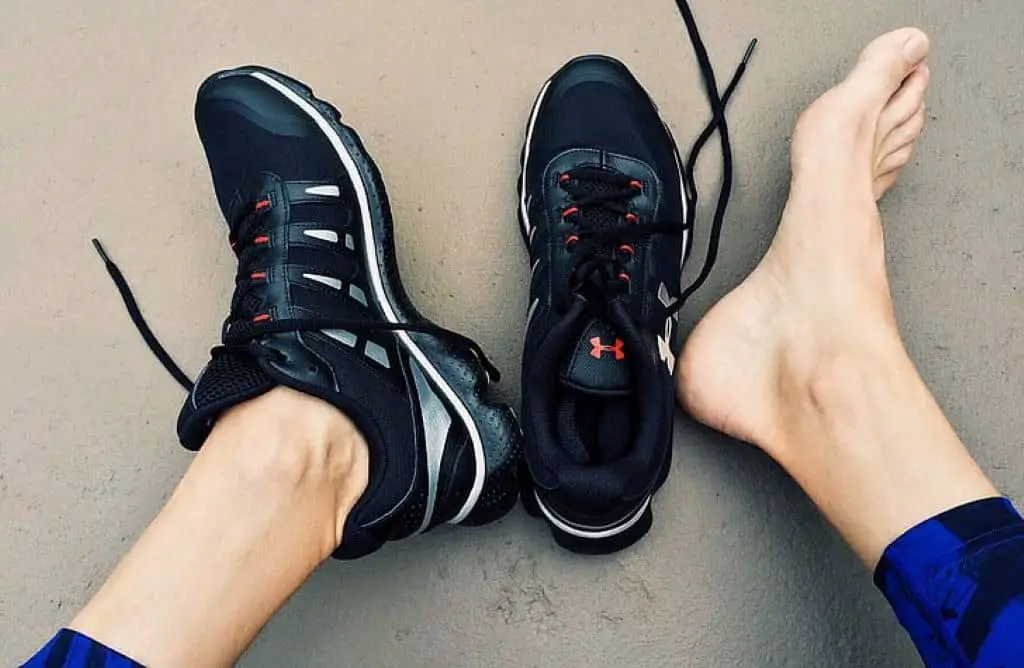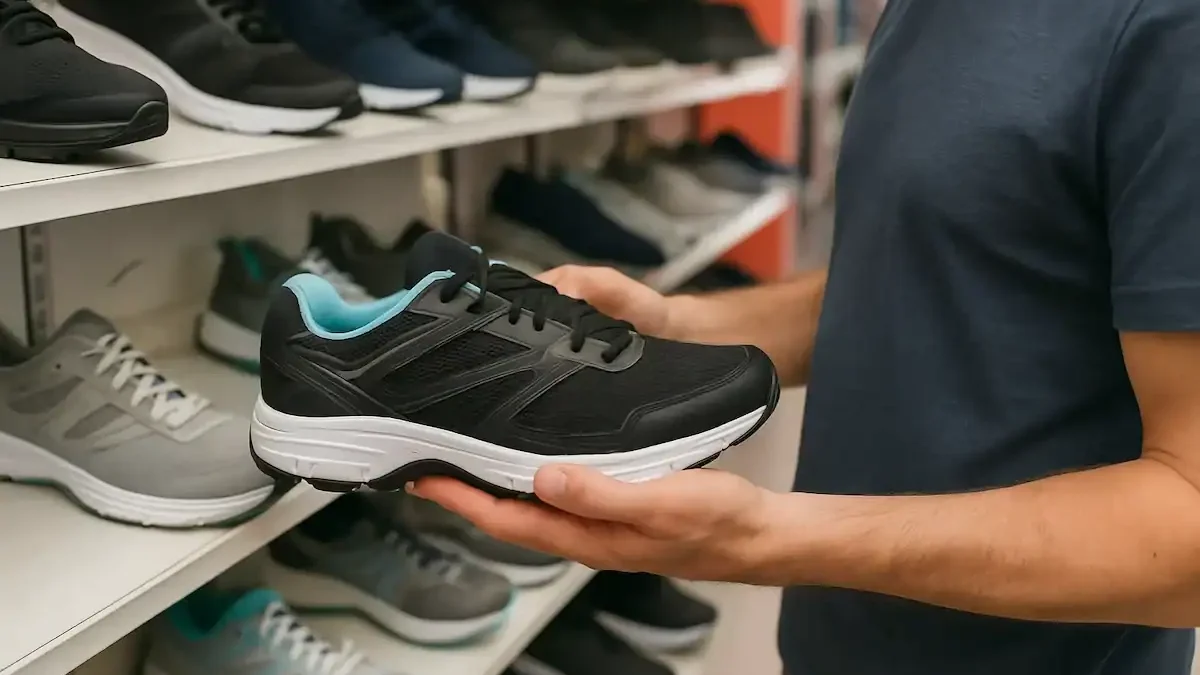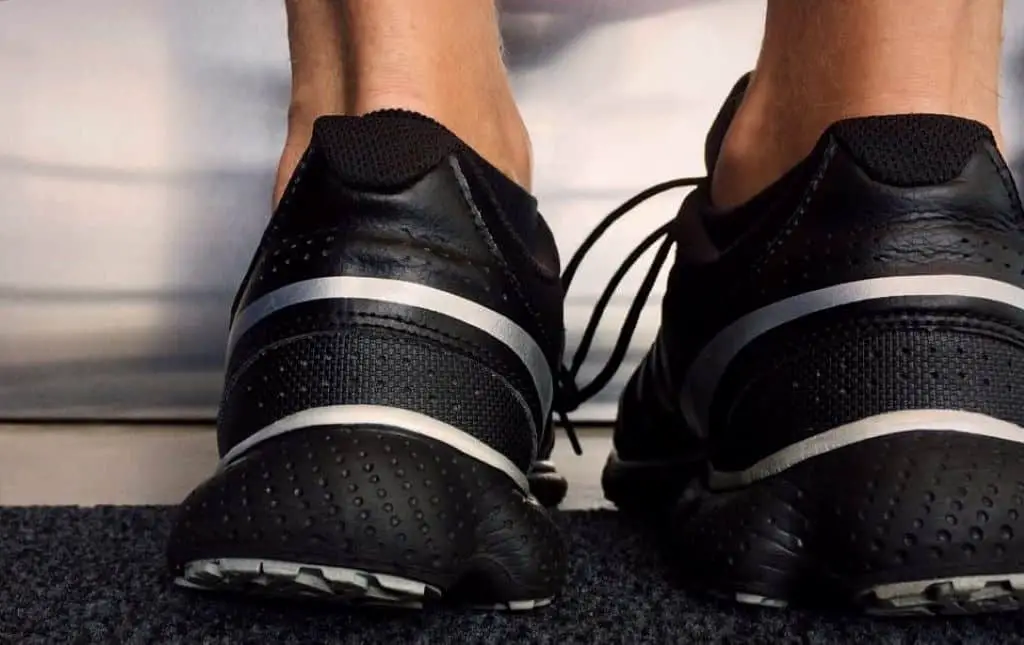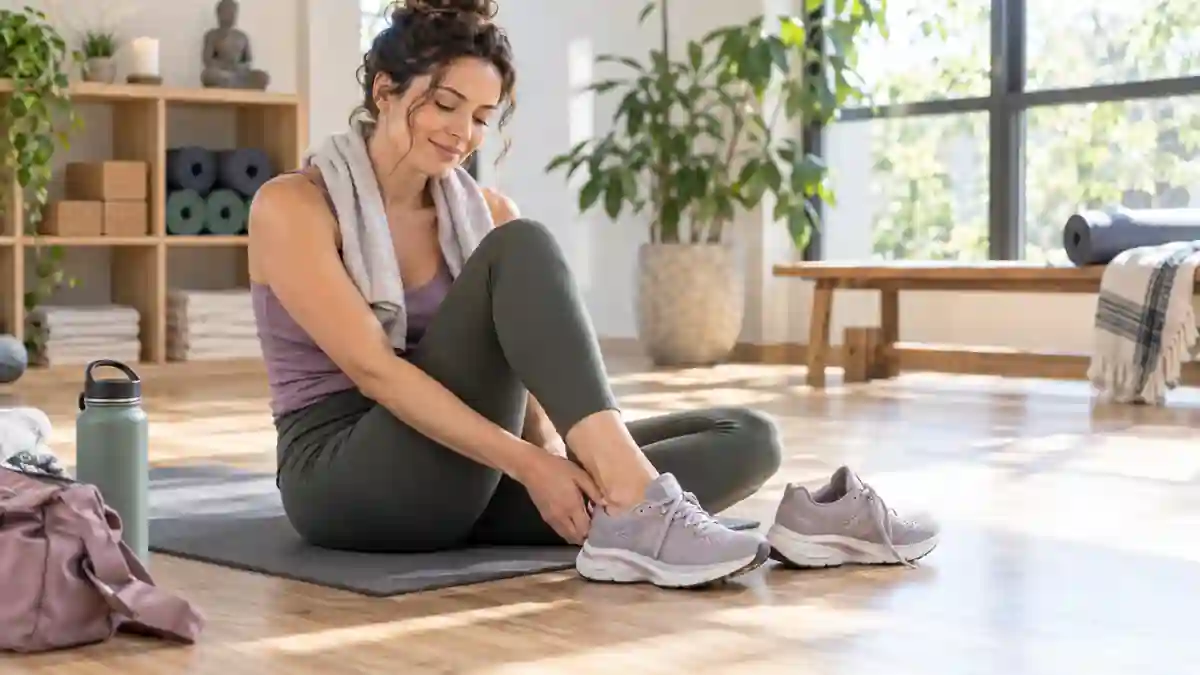
| Quick Answer: For most yoga enthusiasts dealing with foot pain, the Hoka Bondi 9 is our best all-around shoe for walking to class, everyday wear and recovery before or after practice. Yoga itself is usually done barefoot, and thick cushioning can interfere with balance and contact with the mat, so wear shoes during practice only when your instructor allows it or a health professional recommends it. Choose the Brooks Glycerin GTS 23 or Hoka Arahi 9 for added stability, the New Balance 928v3 for orthotics and wide feet, or the Oofos OOmy Zen for easy-on recovery. See shoe recommendations side by side. |
Yoga can improve strength, mobility and body awareness, but sore arches, heel pain or sensitive feet can make the walk to class — and sometimes the practice itself — uncomfortable. The answer is not simply to buy the softest shoe you can find.
For most people, shoes are most useful before and after yoga rather than on the mat. Traditional yoga is commonly practiced barefoot because direct contact with the floor helps with balance, toe spread and grip. If foot pain makes barefoot practice difficult, ask your instructor about modifications, supportive socks or whether footwear is permitted, and follow any advice you have received from a podiatrist, physiotherapist or other qualified clinician.
This roundup focuses on supportive shoes for yoga enthusiasts who also walk, commute, stand or run errands around their practice. We looked for cushioning, stable platforms, secure heel fit, width choice and room for orthotics rather than assuming one arch shape works for everyone.
If you are trying to understand the cause of recurring discomfort, start with our foot injury recovery hub. Readers with heel pain may also find our guide to the best walking shoes for plantar fasciitis useful.
Best Shoes for Yoga Enthusiasts With Foot Pain at a Glance
Shoe | Best for | Support approach | Fit note | U.S. price* |
|---|---|---|---|---|
Best overall | Wide, highly cushioned platform | Regular, wide and extra-wide options | $175 | Check latest price | |
Plush stability | GuideRails structured support | Accommodating upper | $180 | Check latest price | |
Guidance without a hard medial post | H-Frame stability | Standard and wide options | $155 | Check latest price | |
Maximum-cushion stability | Adaptive stability platform | Best for walkers who like a substantial shoe | $170 | Check latest price | |
Orthotics and very wide feet | Motion-control platform | Up to 6E men’s and 4E women’s | $159.99 | Check latest price | |
Post-yoga recovery | Soft recovery footbed with cupped heel | Easy-on slip-on | $99.95 | Check latest price |
*Prices shown are U.S. original or regular retail prices checked in September 2026. Current prices vary by size, color and retailer.
Should You Wear Shoes During Yoga?
No. If you practice yoga regularly, you know that standard practice is to remove your shoes and do yoga in bare feet. so your toes and the sole of your foot can contact the mat directly. That contact helps you sense pressure shifts during standing poses and lets the toes spread rather than being held inside a shoe. (A thick running shoe can also make the foot sit higher above the floor, which may make balance feel less natural.)
Foot pain changes the equation, but footwear is only one possible modification. Some studios may allow clean indoor shoes for accessibility or medical reasons; others may not. Grippy socks, a folded mat, pose changes, blocks, a chair or temporarily avoiding painful positions may be more appropriate depending on the problem. If a clinician has specifically asked you to keep your foot supported, follow that advice and tell your instructor before class.
The shoes in this guide therefore serve a broader purpose: they support the feet during the walking, commuting, standing and recovery that surrounds a yoga routine. They are not a blanket recommendation to wear sneakers on the mat.
How We Chose These Shoes
We started with current models that solve different types of support problems rather than filling the list with six similar running shoes. We considered cushioning, platform width, heel security, stability features, available widths, removable footbeds and whether the shoe makes sense for walking before or after class. We also checked current manufacturer specifications and retail availability in September 2026.
We did not rank shoes by how aggressively they press into the arch. A higher-feeling arch is not automatically better, and people with high arches, flat feet, overpronation or custom orthotics can need very different shapes. If you already use a prescribed or well-fitting orthotic, a removable factory insole and enough internal volume may matter more than the shoe’s built-in contour. Our guide to high arches and walking-shoe guide for flat feet explain those differences in more detail.
Hoka Bondi 9
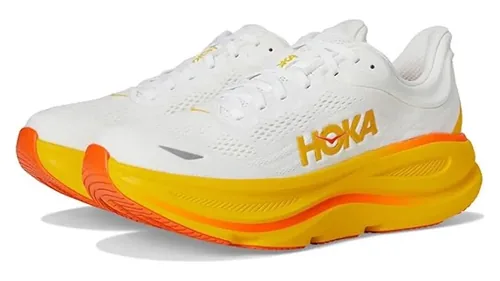
Best Overall
The Hoka Bondi 9 is our best overall pick because it works particularly well for the parts of a yoga routine that happen off the mat: walking to class, standing while commuting, running errands afterward and giving tired feet a deeply cushioned platform between sessions. Hoka increased the stack height in this generation and uses a supercritical EVA midsole, while the broad base keeps the shoe from feeling as precarious as the height might suggest. The stated heel-to-toe drop is 5 mm.
The Bondi is especially useful for people who value impact protection more than ground feel. It is available in regular, wide and extra-wide fits in many men’s configurations, which gives swollen or broad feet more room than many performance shoes. The trade-off is bulk: this is not the shoe we would choose for balancing poses, quick lateral movements or strength work. It is an off-mat comfort shoe first.
At a $175 regular U.S. price, it is also one of the more expensive choices here. If you prefer a lower, more flexible shoe, consider the Arahi 9 or one of the alternatives below.
Brooks Glycerin GTS 23

Best Plush Stability Shoe
The Brooks Glycerin GTS 23 is a better choice than the Bondi 9 for someone who wants soft cushioning but also prefers a more structured feel around the foot. Brooks uses its GuideRails system to limit excess movement rather than relying on a traditional hard medial post. The shoe has an 8 mm drop and plush DNA TUNED cushioning, with extra forefoot foam in the 23rd generation.
That combination makes the Glycerin GTS useful for long walks, standing and everyday running around a yoga schedule. It is not a yoga shoe in the literal sense, and we would not wear it for standing poses on a mat. Its value comes from reducing how much work sore feet need to do during the rest of the day. The upper is also more accommodating than a snug racing-oriented shoe, which matters if your feet become sensitive after exercise.
Read our Brooks Glycerin GTS 23 review for a closer look. The regular U.S. price is $180, so buyers who do not need structured support may save money with a neutral model.
Hoka Arahi 9
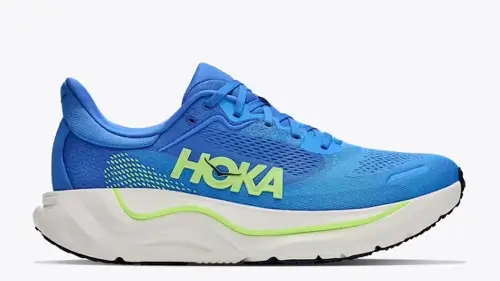
Best for Gentle Guidance
The Hoka Arahi 9 is for people who want stability without the firmer wedge-under-the-arch sensation associated with older stability shoes. Hoka builds its H-Frame into the foam so the guidance comes from the geometry around the foot rather than a conspicuous medial post. The result feels more natural for walking and easy running while still giving the rearfoot and midfoot a controlled platform.
For a yoga enthusiast with sore feet, that makes the Arahi useful when the issue is less about wanting maximum cushioning and more about feeling steadier during everyday walking. It is also lighter and less bulky than the Bondi. Standard and wide versions help with fit, although people who need very high-volume footwear or large custom orthotics should check the removable insole and internal volume carefully before committing.
The Arahi 9 launched at $155. In our Hoka Arahi 9 review, we found the support relatively unobtrusive, which is exactly the point. It is a support shoe, not a corrective device, and the right fit still matters more than the label.
Asics Gel-Kayano 33
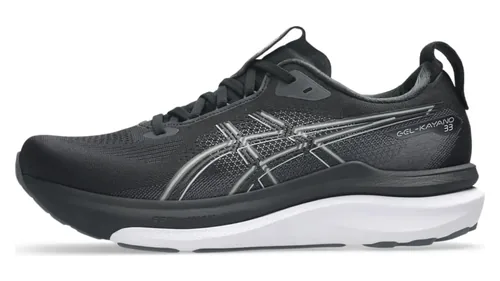
Best Maximum-Cushion Stability Option
The Asics Gel-Kayano 33 combines maximum cushioning with a substantial stability platform, making it a strong option for yoga enthusiasts who do a lot of walking or treadmill work and prefer more guidance than a neutral shoe provides. Its FLUIDSUPPORT system is designed to adapt as the foot moves through the gait cycle, while FF Blast Plus and FF Blast Max foams provide the soft, protected feel expected from a modern high-cushion trainer.
The men’s model weighs about 10.5 ounces and uses an 8 mm drop. That is not excessive for a stability shoe, but the Kayano still feels like a lot of shoe compared with a low-profile trainer. For off-mat use, that can be an advantage when sore feet want cushioning and a stable base. On a yoga mat, however, the same height and structure would make it a poor substitute for barefoot practice.
At $170, it sits in the premium range. See our Asics Gel-Kayano 33 review if you are comparing it with other stability shoes.
New Balance 928v3
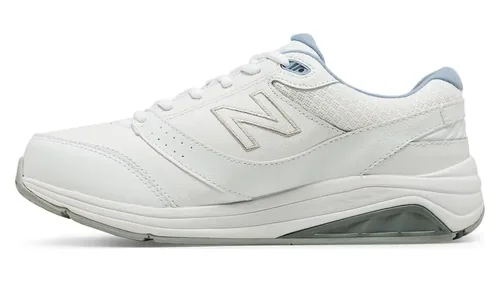
Best for Orthotics and Very Wide Feet
The New Balance 928v3 is the least sporty-looking shoe in this roundup, but it solves a problem newer performance shoes often do not: it gives people who need motion control, custom inserts or unusual widths a practical amount of space. New Balance still sells the 928v3 in 2026, with men’s widths ranging from narrow through 6E and women’s versions extending through 4E. The factory PU footbed is removable, which makes the shoe easier to adapt to an orthotic.
The platform combines ABZORB cushioning with New Balance’s ROLLBAR rearfoot stability system. That makes it more of a controlled walking shoe than a soft running shoe. It is heavy — the men’s version is listed at about 15.5 ounces — but weight is not the priority for someone who needs fit, stability and accommodation for an insert.
For a yoga enthusiast, the 928v3 makes the most sense for commuting, everyday walking and medically directed support outside class. It is not designed for yoga poses or gym-style lateral movement. The regular U.S. price is $159.99.
Oofos OOmy Zen
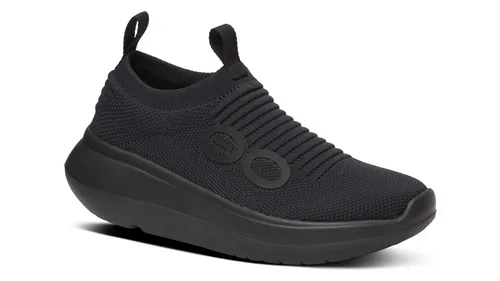
Best Post-Yoga Recovery Shoe
The Oofos OOmy Zen fills a different role from the five shoes above. It is a slip-on recovery shoe intended for the hours after activity rather than for performance. Oofos uses its OOfoam footbed and a rounded, cupped heel to create a soft, easy-to-wear platform, while the seamless knit upper reduces the amount of structure pressing on the top of the foot.
That can be appealing after a yoga session when you want to get out of a tighter athletic shoe without switching to a completely flat slipper. The OOmy Zen is also lightweight, packable and machine washable, so it is easy to keep in a gym or yoga bag. The trade-off is that its soft recovery feel is not intended for heavy lifting, fast running or precise balance work. It is also available mainly in standard widths, so people with very broad feet may find the New Balance 928v3 or a wide Hoka easier to fit.
The regular U.S. price is $99.95, although some colorways are discounted. Treat manufacturer recovery claims as product-design claims rather than a promise that the shoe will treat a medical cause of foot pain.
Other Shoes Worth Considering
Not every sore foot needs a maximum-cushion or stability shoe. If the choices above feel too heavy or structured, there are several strong alternatives already covered on BestWalkingFeet. The Brooks Ghost 18 offers a more traditional neutral running-shoe feel and works well for walking. The Hoka Clifton 11 is lighter than the Bondi 9 while keeping Hoka’s rocker-based ride, and it appears in our best daily running shoes guide.
People who want more stability than a neutral shoe provides can also compare the Brooks Adrenaline GTS 25 with the Glycerin GTS 23. If width is the main problem rather than stability, start with our best wide shoes for men guide or choose a model offered in multiple widths rather than simply sizing up. Going longer to gain width can move the shoe’s flex point and arch contour away from the place your foot actually bends.
What to Look for When Foot Pain and Yoga Overlap
Start with the activity the shoe will actually perform. A shoe for walking to yoga class can use more cushioning and a rocker. A shoe that a studio permits during modified practice should be lower, flexible and secure enough that it does not slide or catch on the mat. A recovery shoe can prioritize softness and easy entry. Trying to make one pair perform all three jobs usually creates compromises.
Fit matters just as much as cushioning. Your heel should feel secure without excessive pressure, your toes should have room to spread, and the shoe should not force the arch into a shape that feels immediately intrusive. If you use custom orthotics, check whether the stock insole is removable and whether the shoe has enough depth to hold the insert without crowding the top of the foot.
Finally, match the shoe to the problem rather than the symptom alone. High arches, flat feet, plantar fascia irritation, forefoot pain and an acute injury can all produce “foot pain,” but they do not necessarily benefit from the same footwear. Persistent, worsening, swollen, numb or injury-related pain deserves professional assessment rather than repeated shoe experiments.
Frequently Asked Questions About Yoga and Foot Pain
Usually yoga is practiced barefoot, and many studios do not permit outdoor shoes on mats. If foot pain makes barefoot practice difficult, ask your instructor about modifications, clean indoor footwear or grippy socks, and follow any advice from a health professional who has assessed your foot.
For walking to class and everyday use, look for a secure heel, enough cushioning for your comfort, a stable platform and the correct width. People who use orthotics should also check that the factory insole is removable and that the shoe has enough internal depth.
They can work for some people, but they are not automatically a treatment for foot pain. Minimal shoes place different demands on the feet and calves. If you are already sore or injured, changing suddenly to much less cushioning or support can be uncomfortable. Transition gradually if you choose to try them.
No shoe can guarantee a cure. Supportive footwear may make walking more comfortable for some people with plantar fascia irritation, but persistent heel pain can have multiple causes. See our plantar fasciitis footwear guide and consider professional assessment if pain persists.
Not necessarily. High arches often benefit from cushioning and a comfortable fit around the instep, while some people with flat feet prefer a stable platform or guidance. Individual comfort, gait and fit matter more than choosing a shoe solely from an arch label.
Many athletic shoes can accommodate an orthotic if the factory sockliner is removable and the shoe has enough volume. The New Balance 928v3 is especially accommodating. Always check that adding an insert does not make the heel slip or crowd the toes and instep.
Seek professional advice when pain is severe, follows an injury, keeps getting worse, includes swelling or numbness, changes the way you walk, or does not improve with reasonable rest and footwear changes. A diagnosis is more useful than repeatedly buying shoes for an unknown problem.