Last Updated on October 11, 2026
Quick Answer: The Brooks Ghost 18 is a practical starting point for heel strikers who want a familiar, balanced road trainer with a 10 mm drop and steady cushioning. Choose the Asics Gel-Nimbus 28 for a softer maximum-cushion ride, the Brooks Glycerin 23 for plush long-run comfort or the Nike Pegasus 42 for a more responsive feel. The Brooks Adrenaline GTS 25 is worth trying if you prefer guided support, while the Asics Gel-Cumulus 28 is a less imposing neutral alternative. No shoe or heel-to-toe drop guarantees injury prevention. Compare the six options.
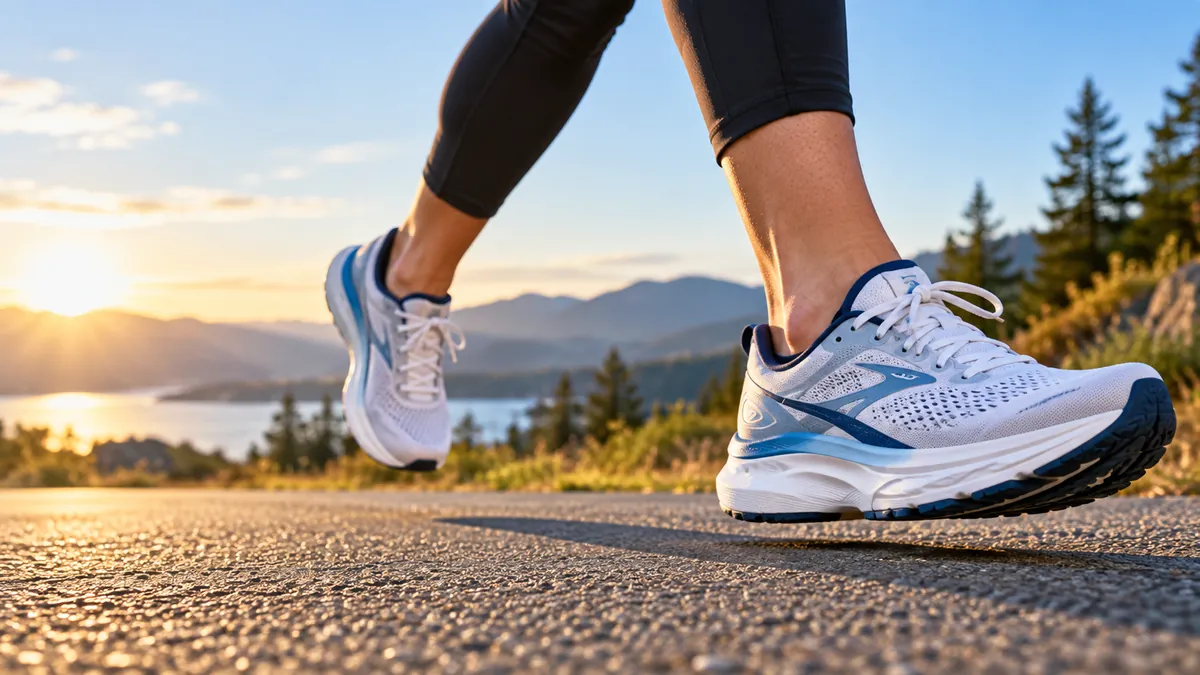
Heel striking simply means the heel touches down first during a running stride. That does not, by itself, mean your form is wrong or that you need a special corrective shoe. The useful questions are whether the heel feels comfortable, whether the shoe rolls smoothly forward and whether your foot stays secure when you run. These current shoes suit different budgets, cushioning preferences and stability needs. For a broader choice by mileage and running surface, start with our running shoe guide.
The comparison below is organized by how each shoe feels and what it is designed to do. These are editorial fit recommendations based on manufacturer specifications and BWF review coverage, not claims that we personally lab-tested every shoe or that a particular shoe prevents injury.
Heel-Striker Running Shoes at a Glance
Shoe (jump to recommendation) | Best for | Key feature | Availability |
|---|---|---|---|
Best balanced everyday option | 10 mm heel-to-toe drop | ||
Best for plush heel cushioning | 8 mm drop | ||
Best for comfortable long runs | 8 mm drop | ||
Best for versatile and responsive runs | 10 mm drop | ||
Best if you prefer guided support | GuideRails support system | ||
Best lighter-feeling cushioned option | Neutral cushioning platform |
How to Choose Running Shoes if You Land Heel-First
Start with what you feel, not an assumption about how your foot should strike the ground. If your heel slips, experiment with lacing and sizing. If the shoe feels unstable at easy pace, compare the platform and support instead of simply adding more foam. A shoe that feels smooth for two minutes should still feel natural after a longer walk or easy jog.
Heel-to-toe drop is the height difference between the rearfoot and forefoot of a shoe. You may prefer the feel of a 10 mm drop, like the Ghost 18 or Pegasus 42, but this does not mean every heel-first runner needs that measurement. The softer Nimbus and Glycerin, or the guided Adrenaline, may suit different preferences. Try shoes at the end of the day with your running socks and leave room for your toes.
For context, compare our daily running shoe guide, cushioned running shoe picks and Free Shoe Finder. If pain persists, seek individualized professional guidance rather than expecting a new shoe to cure it.
Brooks Ghost 18

Brooks Ghost 18 — Image: Amazon
Best for: balanced everyday option
The Ghost 18 is the least complicated starting point if you want cushioning without an oversized or unusually bouncy platform. Brooks lists a 10 mm heel-to-toe drop, a secure heel and a smooth road-running feel. The blend suits easy mileage, recovery runs and many beginners. A conventional heel shape can feel predictable as you contact the ground and move toward toe-off.
Who should skip it: It is not the most energetic shoe for speed workouts, and the ride may seem ordinary if you enjoy very soft foam. Try the fit carefully around the heel and midfoot rather than choosing it based on drop alone.
What to check: Balanced neutral trainer. 10 mm heel-to-toe drop. Manufacturer details.
Asics Gel-Nimbus 28

Asics Gel-Nimbus 28 — Image: Amazon
Best for: plush heel cushioning
The Gel-Nimbus 28 prioritizes cushioned long-run comfort. Asics combines FF Blast Plus cushioning with PureGEL at the heel and lists an 8 mm drop. The soft, generous platform can appeal to heel-first runners who find firmer trainers tiring, especially at easy paces. Its knit upper also feels different from the structured mesh of a traditional daily shoe.
Who should skip it: Maximum cushioning is not automatically more stable or better for every runner. If the soft ride makes your heel wander or the high platform feels bulky, the Ghost or Cumulus is a simpler choice.
What to check: Maximum-cushion neutral trainer. 8 mm drop. Manufacturer details.
Brooks Glycerin 23

Brooks Glycerin 23 — Image: Amazon
Best for: comfortable long runs
The Glycerin 23 takes a comfort-first approach without asking you to use a dedicated stability shoe. Its tuned cushioning is designed to soften landings while keeping toe-off active, and Brooks lists an 8 mm drop. That balance makes it a candidate for runners whose heels strike first but who do not want a stiff or highly controlling shoe.
Who should skip it: The premium cushioning is a more substantial feel than a light tempo trainer. Runners seeking minimal ground feel or the lowest possible weight may prefer a different category.
What to check: Plush everyday and long-run trainer. 8 mm drop. Manufacturer details.
Nike Pegasus 42

Nike Pegasus 42 — Image: Amazon
Best for: versatile and responsive runs
Nike gives the Pegasus 42 a curved, full-length Air Zoom unit over ReactX foam. It has a 10 mm drop and a more open forefoot fit than the Pegasus 41. For a heel striker who dislikes a slow, marshmallow-like ride, it offers an easy transition into a firmer, springier push-off. This is an everyday road shoe, not a winter traction shoe.
Who should skip it: The lively ride is less plush than the Nimbus. Try it if you value versatility, not because a heel-first strike requires an Air unit.
What to check: Responsive road trainer. 10 mm drop. Manufacturer details. Read our Nike Pegasus 42 review for more detail and alternatives.
Brooks Adrenaline GTS 25

Brooks Adrenaline GTS 25 — Image: Amazon
Best for: if you prefer guided support
The Adrenaline GTS 25 offers a more guided platform for runners who feel unsettled in neutral shoes. Brooks uses its GuideRails system to provide support beyond simple heel cushioning. If you already know that you like the Adrenaline fit and its controlled sensation, this is an easier recommendation than switching to an unfamiliar max-stack trainer.
Who should skip it: Heel striking alone does not establish a need for stability technology. If GuideRails feel restrictive, a neutral Ghost or Glycerin may suit you better.
What to check: Support-oriented daily trainer. GuideRails support system. Manufacturer details. Read our Brooks Adrenaline GTS 25 review for more detail and alternatives.
Asics Gel-Cumulus 28

Asics Gel-Cumulus 28 — Image: Amazon
Best for: lighter-feeling cushioned option
The Gel-Cumulus 28 provides a cushioned neutral platform without the same emphasis on maximum softness as the Nimbus. It works as a comparison shoe if you want impact comfort but still value a steady, practical everyday ride. It also gives runners a way to compare two Asics fits side by side instead of automatically assuming the softest model is best.
Who should skip it: Its ride is less plush than the Nimbus and may not satisfy runners wanting a truly pillowy shoe. Focus on heel lockdown and a comfortable transition rather than picking solely by stack height.
What to check: Neutral daily running shoe. Neutral cushioning platform. Manufacturer details. Read our Asics Gel-Cumulus 28 review for more detail and alternatives.
Frequently Asked Questions About Heel Striking
Not automatically. Heel-first contact is common, and there is no universal foot strike that fits everyone. Pain, training load, strength, footwear comfort and running mechanics matter more than one label.
No. Some runners like the feeling of a higher heel-to-toe drop, but it is a fit preference, not a medical requirement. Changes in drop should be gradual, particularly if your calves or Achilles tendon are sensitive.
The Asics Gel-Nimbus 28 is a strong soft-cushion option, while the Brooks Ghost 18 is more balanced. Try both if possible and prioritize a secure heel and comfortable full stride.
Only when a runner finds the guidance comfortable or has a specific stability preference. Heel-first contact does not automatically mean overpronation or a need for motion-control features.
Do not force a dramatic stride change based only on your landing pattern. If you have recurring pain, a qualified running clinician or physical therapist can assess your history and mechanics.
Many road trainers can also feel comfortable for walking. Test heel fit and stride feel for both activities; running performance claims do not guarantee walking comfort.
Watch for worn traction, compressed cushioning, uneven wear and changes in comfort. Mileage alone is not a reliable replacement rule for every runner or shoe.
How We Selected These Shoes
We focused on currently marketed road-running models with documented cushioning, fit and support descriptions, linked to published BestWalkingFeet reviews where available. Heel strike is one part of running form, so no product is presented as an injury-prevention device. Product variations and availability change. The linked manufacturer product details and Amazon search results are intended to help verify the exact version before buying.