Last Updated on September 22, 2026
| Quick Answer: Best Shoes for Sciatica in 2026. Shoes do not treat the nerve compression or irritation that causes sciatica. The best footwear choices are simply the ones that let you walk comfortably without adding instability, pressure or fatigue. For many people, that means a secure fit, moderate-to-high cushioning, a stable platform and enough room for an orthotic if one is prescribed. Our strongest current options are the Brooks Ghost Max 4, Hoka Bondi 9, New Balance Fresh Foam X More v6, Brooks Adrenaline GTS 25, Brooks Glycerin GTS 23, Orthofeet Coral Stretch Knit and Dr. Scholl’s Time Off. |
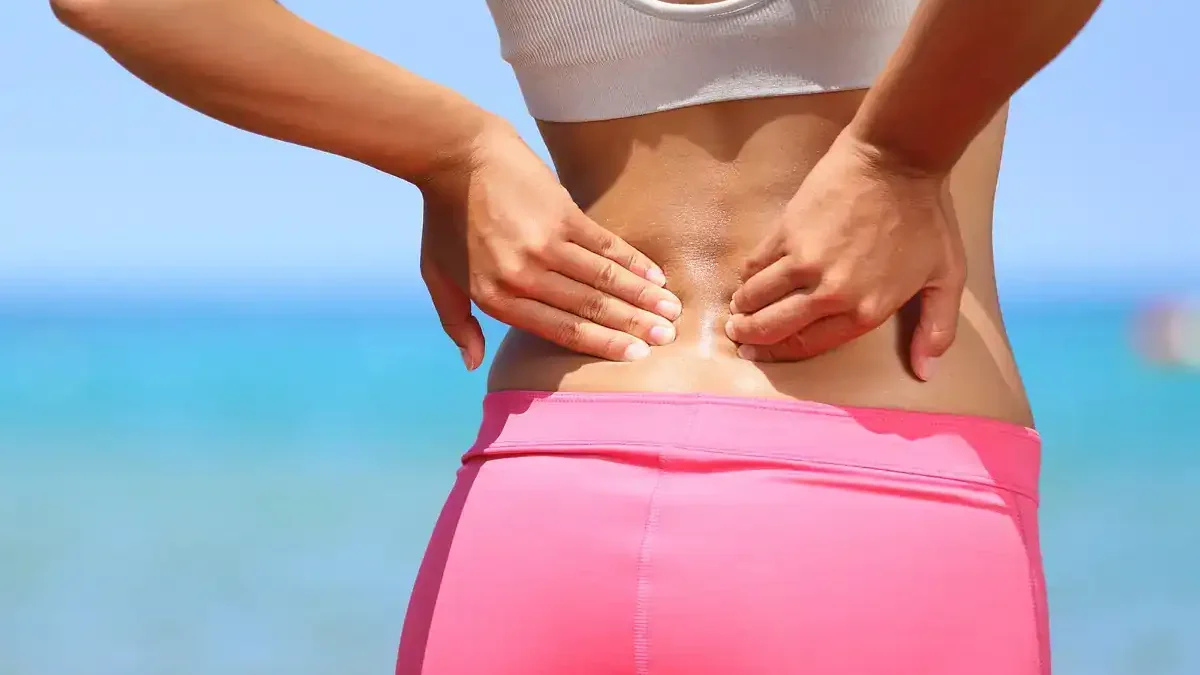
Sciatica is not primarily a foot problem. It is nerve pain caused by irritation or compression of the sciatic nerve or the nerve roots that form it, usually in the lower back. Pain can travel through the buttock and down one leg, sometimes with numbness, tingling or weakness.
That means no shoe can “fix” sciatica. What footwear can do is make walking and standing more tolerable while you recover or follow a treatment plan. A comfortable shoe may reduce the extra fatigue or jarring that comes from hard, worn-out or poorly fitted footwear, but it does not remove pressure from a spinal nerve root.
Best Shoes for Sciatica at a Glance
Because sciatica affects people differently, this list includes both neutral and stability shoes. Choose the amount of cushioning and guidance that feels natural to you rather than assuming that more support is always better.
| Shoe | Best for | Why it stands out | Price |
|---|---|---|---|
| Brooks Ghost Max 4 | Best overall | Broad base, deep cushioning, smooth rocker | Check latest price |
| Hoka Bondi 9 | Maximum cushioning | High stack, stable base, MetaRocker | Check latest price |
| New Balance Fresh Foam X More v6 | Wide feet | Soft ride, broad platform, multiple widths | Check latest price |
| Brooks Adrenaline GTS 25 | Everyday stability | GuideRails, secure fit, moderate cushioning | Check latest price |
| Brooks Glycerin GTS 23 | Plush support | DNA TUNED cushioning plus GuideRails | Check latest price |
| Orthofeet Coral Stretch Knit | Orthotics and sensitive feet | Extra depth, removable insole, stretch upper | Check latest price |
| Dr. Scholl’s Time Off | Casual wear | Comfort-focused lifestyle sneaker, removable insole | Check latest price |
What Is Sciatica?
Cleveland Clinic defines sciatica as nerve pain caused by injury or irritation of the sciatic nerve. Symptoms may include pain, tingling, numbness or weakness that travels from the lower back or buttock down the leg.
Common causes include a herniated disk, spinal stenosis, degenerative changes or other conditions that compress or irritate the nerve roots. This is why footwear should be treated as a comfort tool, not as the treatment itself. Physical therapy, movement, medication or other medical care may be more important depending on the cause and severity.
Best Shoes for Sciatica in 2026
We favor shoes that feel predictable underfoot, fit securely and offer enough cushioning to make walking more comfortable. We also include different support levels because sciatica does not tell you whether you need a neutral or stability shoe.
Brooks Ghost Max 4
Best for: A broad, cushioned neutral platform for everyday walking.

The Ghost Max 4 is a useful starting point because it combines a lot of cushioning with a wide, stable-feeling base. Its GlideRoll rocker helps the shoe move smoothly from heel to toe, which can make long walks feel less demanding.
It is neutral, not corrective, and comes in multiple widths. Read our Brooks Ghost Max 4 review.
Hoka Bondi 9
Best for: Walkers who prefer maximum cushioning and a pronounced rocker.
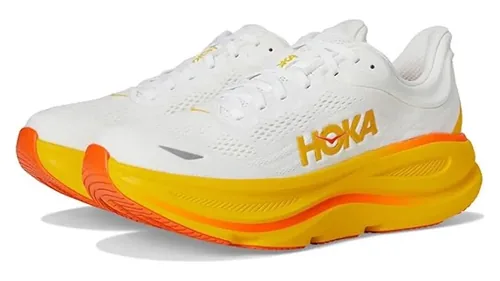
The Bondi 9 puts a thick layer of cushioning between you and the ground. Its broad platform helps keep the high stack from feeling unstable, while Hoka’s MetaRocker geometry encourages a rolling transition.
Choose it if you like a soft, substantial shoe. Read our Hoka Bondi 9 review.
New Balance Fresh Foam X More v6
Best for: Wide feet and people who want a very soft, broad platform.

The More v6 is heavily cushioned through both the heel and forefoot and sits on a wide footprint. That makes it appealing for slower walking, recovery days and long periods on hard floors.
New Balance also offers several width options. Read our New Balance Fresh Foam X More v6 review.
Brooks Adrenaline GTS 25
Best for: Walkers who prefer a more guided, structured ride.

The Adrenaline GTS 25 adds Brooks’ GuideRails system around the rearfoot, which can feel reassuring if you dislike side-to-side motion. Its cushioning is softer than older Adrenalines without becoming excessively plush.
Read our Brooks Adrenaline GTS 25 review.
Brooks Glycerin GTS 23
Best for: Plush cushioning plus structured stability.

The Glycerin GTS 23 is the softer, more premium stability option in this group. DNA TUNED cushioning gives it a plush ride, while GuideRails add rearfoot guidance.
Read our Brooks Glycerin GTS 23 review.
Orthofeet Coral Stretch Knit
Best for: Orthotics, sensitive feet and extra-depth fit needs.
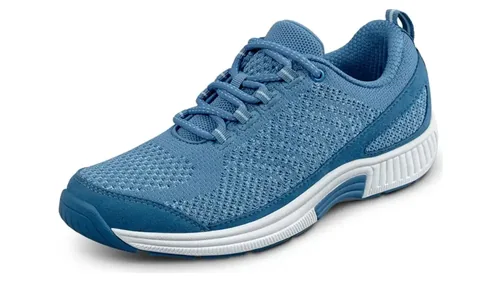
The Coral Stretch Knit is useful when ordinary athletic shoes feel too tight or when you need extra depth for an orthotic. Its stretch upper, roomy toe box and removable insole make fit its main advantage.
Read our Orthofeet Coral Stretch Knit review.
Dr. Scholl’s Time Off
Best for: Casual wear when you do not want a technical running shoe.
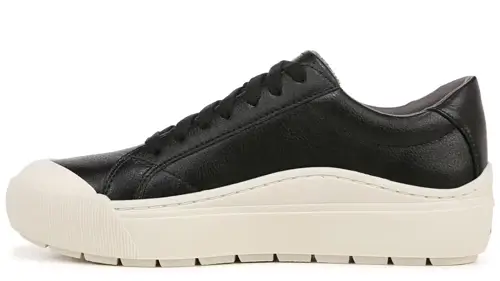
The Time Off is a lifestyle sneaker with a cushioned footbed and removable insole. It is less structured than the running shoes above, but it can work for errands, travel and everyday walking if the fit feels comfortable.
Read our Dr. Scholl’s Time Off review.
What to Look for in Shoes If You Have Sciatica
Comfort comes first. Look for a secure heel, enough toe room and cushioning that feels protective without making you unstable. If pain or numbness changes the way you walk, avoid shoes that feel narrow, slippery or difficult to control.
Do not assume that a stability shoe is necessary because you have sciatica. Stability features address foot motion, not the spinal cause of sciatic nerve pain. Choose them only if they feel better for your gait or have been recommended for another reason.
If you use an orthotic, look for a removable insole and enough depth to fit it without crowding the foot. Our free Shoe Finder can help narrow options by cushioning, support and width.
When to See a Doctor About Sciatica
Most mild cases improve over time, and staying gently active is often preferred to prolonged bed rest. But persistent, severe or worsening symptoms should be evaluated by a health professional.
Seek immediate medical care for sudden leg weakness or numbness, loss of bowel or bladder control, or sciatica following a major injury. Those signs can indicate a more serious nerve problem.
Frequently Asked Questions About Sciatica and Shoes
Shoe marketing often overstates what footwear can do for nerve pain. These answers focus on what is realistic.
No. Sciatica is caused by irritation or compression of the sciatic nerve or its nerve roots, usually in the lower back. Shoes may make walking more comfortable, but they do not remove the underlying nerve compression.
They can be more comfortable for some people, especially on hard surfaces, but more cushioning is not automatically better. Choose a shoe that feels stable and natural while you walk.
Not specifically because of sciatica. Arch support may improve comfort if your feet need it, but it does not treat the nerve irritation in your back.
They can be if you already prefer a guided ride or need support for overpronation. Sciatica itself is not a reason to choose a stability shoe.
Gentle movement and light activity are often recommended for mild sciatica, while prolonged inactivity can make recovery harder. Follow your clinician’s advice if walking increases pain, numbness or weakness.
Yes, if you already use them for a foot or gait issue. Choose a shoe with a removable insole and enough depth so the orthotic does not make the shoe too tight.
Seek immediate medical care for sudden leg weakness or numbness, loss of bowel or bladder control, or symptoms that follow a major injury.