Last Updated on September 22, 2026
| Quick Answer: Best Shoes for Shin Splints in 2026. Shoes cannot cure shin splints, but a comfortable pair that fits properly and matches your walking needs can reduce unnecessary impact and help you return to activity more comfortably once pain settles. For everyday walking and standing, our current picks are the Brooks Ghost Max 4, Hoka Bondi 9, New Balance 847v4, Brooks Addiction Walker 2, Skechers Max Cushioning Elite 2.0 and Propet Stability Walker. If your main activity is running, use our separate guide to the best running shoes for shin splints. |
Shin splints, medically called medial tibial stress syndrome, are an overuse injury involving repeated stress along the tibia and the tissues attached to it. They are common in runners, but they can also affect walkers, hikers, dancers, military trainees and anyone who suddenly increases time on their feet.
Mayo Clinic says shin splints often follow a rapid increase in training load and recommends comfortable, well-cushioned shoes suited to the foot. That does not mean the softest shoe is automatically the best one. Fit, stability, surface, activity level and how quickly you return to walking or exercise all matter.
Best Shoes for Shin Splints at a Glance
This guide is intentionally different from our running-shoe roundup. Here we are prioritizing footwear for walking, standing, work and everyday movement: shoes that can make pavement and hard floors feel less punishing, provide a predictable platform and accommodate different widths or orthotics. The neutral models focus on cushioning and broad bases. The more structured walking shoes add motion control for people who already know they prefer extra guidance.
Do not choose a stability shoe simply because you have shin splints. Overpronation can be one contributor for some people, but training load is often the bigger issue. If your feet feel comfortable and stable in neutral shoes, a cushioned neutral model may be enough. If you have flat arches, obvious inward rolling or a clinician has recommended more support, the New Balance, Brooks Addiction or Propet options make more sense.
| Shoe | Best for | Why it stands out | Price |
|---|---|---|---|
| Brooks Ghost Max 4 | Best overall for walking | Deep cushioning, broad base, smooth rocker | Check latest price |
| Hoka Bondi 9 | Maximum cushioning | High stack, stable footprint, rocker geometry | Check latest price |
| New Balance 847v4 | Overpronation and orthotics | ROLLBAR, removable insole, extended widths | Check latest price |
| Brooks Addiction Walker 2 | Work and standing | Motion control, leather upper, slip-resistant outsole | Check latest price |
| Skechers Max Cushioning Elite 2.0 | Budget cushioning | Soft ULTRA GO foam, rocker sole, wide versions | Check latest price |
| Propet Stability Walker | Very wide feet and orthotics | Five widths, broad base, extra depth | Check latest price |
How Shoes Fit Into Shin Splint Recovery
Footwear can help, but it is not the main treatment. Mayo Clinic recommends backing off activities that cause pain and returning gradually once symptoms settle. Low-impact options such as cycling or swimming can help maintain fitness while the shin recovers. If walking itself hurts, changing shoes and continuing the same volume is not a good recovery plan.
The role of a shoe is to remove avoidable problems. A shoe that is worn out, too narrow, unstable or poorly suited to the surface can add stress. A fresh pair that fits well and feels comfortable can make each step more predictable. Cushioning may reduce how harsh hard ground feels, while a broad base can improve stability. Arch supports or orthotics may help some people, particularly those with flat arches, but they are not automatically necessary for everyone with shin pain.
If you are returning to higher-impact exercise, increase distance and intensity gradually. Pain that becomes very localized, persists at rest or gets worse rather than better deserves medical evaluation because stress fractures and other lower-leg problems can mimic shin splints.
Best Shoes for Shin Splints in 2026
The six shoes below cover the main needs we see in people walking or standing with a history of shin splints: cushioning, stability, width and orthotic compatibility. We are not ranking them as treatments. The Ghost Max 4 and Bondi 9 are neutral cushioned options. The 847v4, Addiction Walker 2 and Propet Stability Walker add progressively more structure. The Skechers offers a softer, lower-cost alternative for people who want cushioning more than support.
Comfort should be immediate. You should not have to “break in” a shoe that is pressing on the arch, squeezing the forefoot or making your gait feel unnatural. If you already wear orthotics, bring them when trying shoes because they change the internal volume and heel fit. If your symptoms are primarily triggered by running, the models and return-to-run advice in our running-specific shin-splints guide are more relevant than this walking-focused list.
Brooks Ghost Max 4
Best for: Neutral walkers who want deep cushioning without a corrective stability system.

The Ghost Max 4 is our best overall walking pick because it combines a high stack of soft cushioning with a broad, planted base. Brooks’ GlideRoll geometry gives the sole a mild rocker, helping the shoe roll from heel to toe without feeling aggressively curved.
The listed drop is 6mm, and Brooks offers wide and extra-wide versions in many colorways. It works especially well for long walks on pavement or concrete when you want impact protection but do not need motion control. The US launch price was $164.95.
Read our Brooks Ghost Max 4 review.
Hoka Bondi 9
Best for: Walkers who prefer maximum cushioning and a substantial rocker.
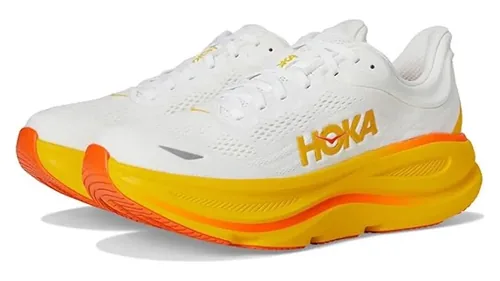
The Bondi 9 puts more foam underfoot than almost any conventional walking shoe. Its wide footprint keeps the tall platform relatively stable, while Hoka’s rocker geometry encourages a smooth transition forward.
It is a good match for long days on hard surfaces if you like a soft, substantial shoe. It is not a stability model, so people who need stronger motion control should compare it with the 847v4 or Addiction Walker 2. Wide sizes are available.
Read our Hoka Bondi 9 review.
New Balance 847v4
Best for: Walkers who overpronate, use orthotics or need unusually broad width choices.
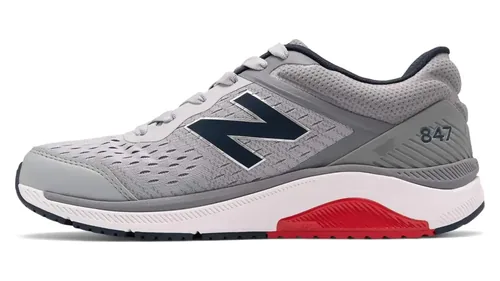
The 847v4 is a structured walking shoe with a ROLLBAR post under the heel and a firm TPU heel clip. That makes it one of the more controlling shoes on this list and a better fit for someone who already knows that inward foot motion contributes to discomfort.
The removable Ortholite insole leaves room for many custom orthotics, while widths commonly range from narrow through 4E depending on the version. The listed drop is 12mm, and the shoe currently lists around $149.99.
Read our New Balance 847v4 review.
Brooks Addiction Walker 2
Best for: Standing and walking at work, especially when you want firm motion control.
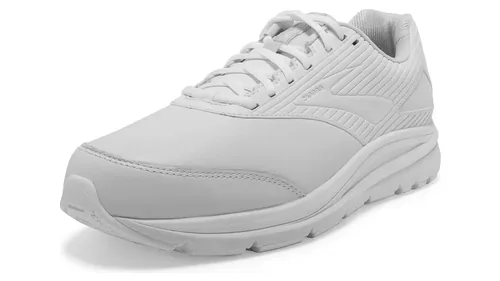
The Addiction Walker 2 is a heavier, firmer shoe built for people who spend hours standing or walking on hard floors. Brooks uses an Extended Progressive Diagonal Rollbar for motion control, BioMoGo DNA cushioning and a full-grain leather upper.
The outsole is slip-resistant, and Brooks offers widths through extra-wide. It is less comfortable for people who want a soft, flexible shoe, but its structured platform can be useful when fatigue makes your feet and ankles feel unstable. Typical list price is about $150.
Read our Brooks Addiction Walker 2 review.
Skechers Max Cushioning Elite 2.0
Best for: Budget-conscious walkers who want a soft ride on hard floors.
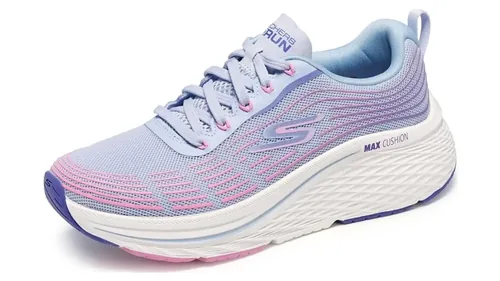
The Max Cushioning Elite 2.0 is built around soft ULTRA GO foam and a curved Natural Rocker sole. It gives you a lot of underfoot cushioning for considerably less than most max-cushion running shoes, and wide versions are available.
The trade-off is structure. This is a neutral shoe with little built-in arch support, and the tall soft platform can feel less stable on uneven ground. It works best for predictable surfaces such as sidewalks, stores and indoor floors. List price is about $125, though Skechers discounts the line frequently.
Read our Skechers Max Cushioning Elite 2.0 review.
Propet Stability Walker
Best for: Very wide feet, extra depth and people who need room for orthotics.
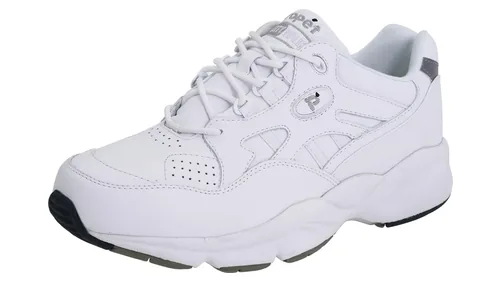
The Stability Walker is less about plush cushioning and more about fit. Propet offers five widths from narrow through 4E, plus extra depth and a removable insole. A broad unitsole platform, heel counters and a contoured heel stabilizer give it a steady, traditional walking-shoe feel.
This is useful when a custom orthotic or unusual foot width makes mainstream shoes hard to fit. The ride is firmer and the styling is dated, but those are reasonable compromises when internal volume and stability are the priorities. Typical prices run roughly $103 to $125.
Read our Propet Stability Walker review.
What to Look for in Shoes for Shin Splints
Start with fit. The heel should feel secure, the forefoot should have enough room and the shoe should not create pressure through the arch or inside edge. A shoe that makes you alter your stride can create a new problem even if it has plenty of cushioning.
Cushioning can make hard surfaces more comfortable, but “more” is not always “better.” Very soft shoes can feel unstable, especially when you are tired or walking on uneven ground. A broad platform is often as important as foam depth. If you know you overpronate, stability features may help, but shin splints alone are not a diagnosis of overpronation.
Mayo Clinic advises using a comfortable, well-cushioned shoe suited to your foot and replacing running shoes around 350 to 500 miles. For walking shoes, there is no universal mileage cutoff, so pay attention to compressed foam, uneven outsole wear, leaning or a clear change in ride. Our free Shoe Finder can help narrow choices by support, width and cushioning.
When Shin Pain Needs Medical Attention
Shin splints should improve when the aggravating activity is reduced. If pain continues despite rest, ice and a gradual reduction in impact, get evaluated. Mayo Clinic recommends returning to normal activity gradually after the pain is gone.
More focal or severe pain deserves extra caution. A stress reaction or stress fracture can produce pain in the same general area. Pain at rest, pain that is sharply localized to one spot, swelling that keeps worsening or symptoms that do not improve are good reasons to see a sports medicine clinician, physiotherapist or physician rather than repeatedly changing shoes.
If walking is pain-free but running triggers symptoms, do not use a cushioned shoe as permission to push through. Reduce the training load and return progressively. That approach is more important than any single footwear feature.
Frequently Asked Questions About Shin Splints and Shoes
The most useful way to think about footwear is as one part of load management. Shoes can improve comfort and remove avoidable fit problems, but they cannot compensate for a sudden jump in mileage, long hours on hard surfaces or continuing an activity that still hurts.
No. Shoes can improve comfort and reduce avoidable impact, but shin splints are an overuse injury. Reducing painful activity and returning gradually are more important than any single shoe.
They can make hard surfaces feel less harsh, but the softest shoe is not automatically the best. Cushioning should still feel stable and controlled while you walk.
Not automatically. A stability shoe makes sense if you overpronate, prefer a guided ride or have been advised to use more support. Shin splints alone do not prove that you need motion control.
Yes. Walking shoes can be firmer and more structured because walking creates lower peak impact than running. Runners should use a shoe appropriate for running and follow a gradual return-to-run plan.
They may help some people, especially those with flat arches or a specific biomechanical issue. Use a shoe with enough depth and a removable insole so the orthotic does not crowd the foot.
Avoid walking or exercise that causes pain. Low-impact activities may be appropriate while symptoms settle, and normal activity should be increased gradually once you are pain-free.
Get evaluated if pain is severe, sharply localized, present at rest, worsening or not improving after reducing activity. Stress fractures and other lower-leg problems can resemble shin splints.