Plush comfort with a flexible, natural feel
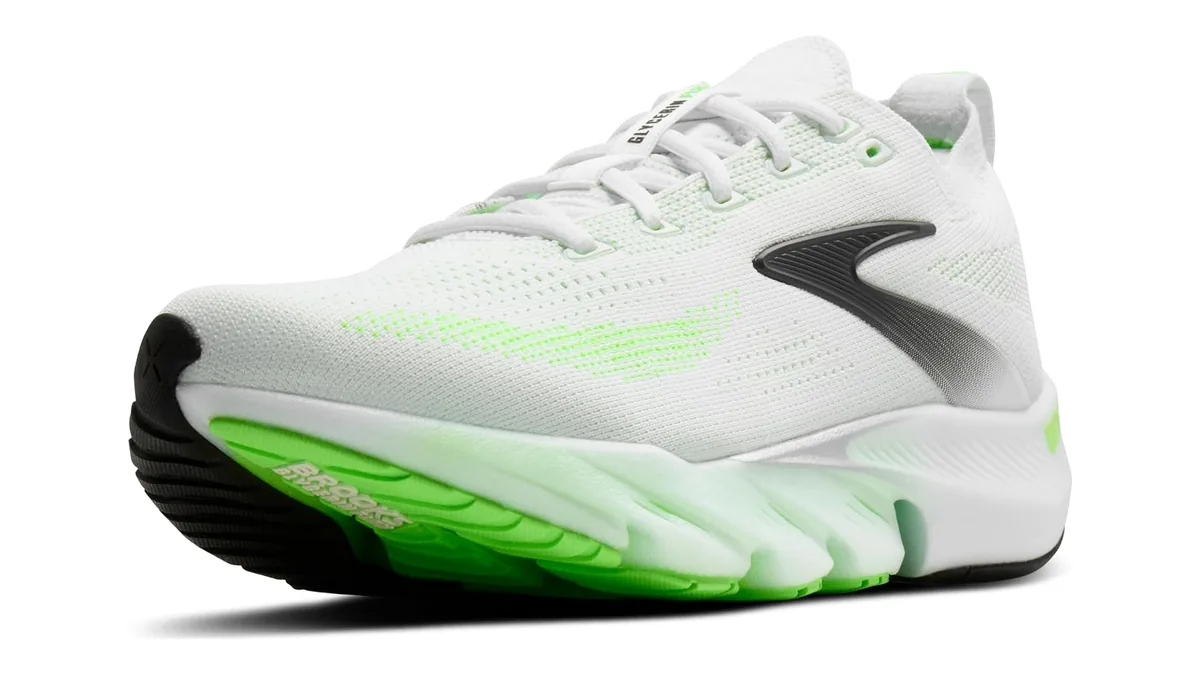
Quick Answer: Brooks Glycerin Flex Review: The Brooks Glycerin Flex is a plush daily trainer for runners and walkers who want cushioning without a stiff, heavily rockered feel. Brooks uses a FlexZone midfoot groove and segmented forefoot to let the shoe bend more naturally, while DNA TUNED foam keeps landings soft. It works best for easy runs, long runs, walking and everyday wear rather than speed sessions. Fit is true to size but relatively snug in the toe box, and Brooks currently offers only a Medium width. Check the latest price on Amazon.
Gender-specific buy links: Men’s version | Women’s version
The Brooks Glycerin Flex is one of the more interesting shoes Brooks has released in years because it goes in the opposite direction from the stiff, highly rockered trend. Instead of trying to roll your foot forward, it is designed to bend with you. Brooks calls this Flexible Support: a deep FlexZone groove through the midfoot and a pod-like forefoot let the sole flex while the plush DNA TUNED foam handles impact.
That makes it especially appealing if you are in your 30s, 40s or 50s and want a comfortable shoe for easy running, long walks or simply spending a lot of time on your feet. It still feels like a modern cushioned trainer, but it is less controlling than many thick-soled shoes. The trade-off is that it is not particularly fast, and the Medium-only fit is more restrictive than the standard Glycerin 23.
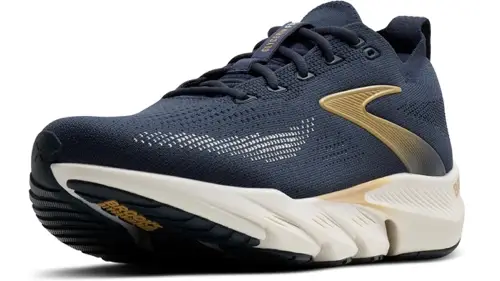
Specs
Here are the specifications for the Brooks Glycerin Flex:
| Category | Plush flexible road-running and walking shoe |
| Best for | Everyday runs, long runs, walking and gym crossover |
| Support | Flexible Support with FlexZone midfoot groove |
| Cushioning | Plush nitrogen-infused DNA TUNED foam |
| Heel-to-toe drop | 6 mm |
| Weight | Men: 9.1 oz / 258 g; Women: 8.0 oz / 226.8 g |
| Width | Medium only |
| Upper | Soft breathable flat knit; 62.8% recycled materials by weight |
| Release / launch price | February 2026 / $170 US. Check latest price |
Best for
The Glycerin Flex is best for runners and walkers who want plenty of cushioning but dislike shoes that feel stiff under the arch or force a strong rocker motion. It makes the most sense for easy daily runs, steady long runs, walking and general all-day wear. The snugger toe box suits narrow to average feet better than wide feet.
Pros
- Plush DNA TUNED cushioning without an overly stiff platform
- FlexZone groove and segmented forefoot let the shoe bend naturally
- Comfortable flat-knit upper with secure lockdown
- Works well for both road running and walking
- 6 mm drop feels moderate rather than extreme
- Recognized in the 2026 Runner’s World training-shoe awards
Cons
- Only offered in Medium width
- Toe box is relatively snug compared with roomier daily trainers
- Comfort-focused ride is not especially lively for speed work
- Flexible support is not the same as structured stability for overpronation
- $170 launch price puts it in premium daily-trainer territory
What’s new with the Brooks Glycerin Flex
The Glycerin Flex is not a replacement for the Glycerin 23. It is a new branch of the Glycerin family built around a different idea. Brooks took its plush DNA TUNED foam and cut a deep FlexZone groove through the midfoot, then divided the forefoot into flexible pods. The goal is to let the shoe follow your foot more naturally instead of behaving like one thick slab of foam.
That difference is easy to understand when you compare the lineup. The Glycerin 23 is the conventional cushioned daily trainer. The Glycerin GTS 23 adds structured GuideRails support. The Glycerin Max 2 emphasizes maximum cushioning and an assisted rocker. The Flex is for the person who wants the cushioning but would rather let the foot bend and move more freely.
Who should buy the Brooks Glycerin Flex
Buy the Glycerin Flex if comfort matters more to you than speed and you prefer a shoe that bends rather than rolls you forward. It is a strong match for easy morning runs, recovery days, steady long runs and fitness walking. It also makes sense if you use one pair for running and the gym, because Brooks specifically lists both road running and workouts among its intended uses.
For casual runners in their 30s, 40s and 50s, the appeal is simple: the shoe feels protective without feeling like a rigid platform. If you have ever tried a max-cushion shoe and thought it was comfortable but too stiff, the Flex is aimed directly at that complaint. It also belongs on the shortlist for walkers who like running-shoe cushioning. For more soft daily options, see our best cushioned running shoes.
Who should avoid it
Skip the Glycerin Flex if you have genuinely wide feet. Brooks currently sells it only in Medium width, and independent fit measurements show less room in the toe box than the average running shoe. The standard Glycerin 23 is easier to fit because Brooks offers it in multiple widths.
It is also not the best choice if you want a fast tempo shoe or a strong stability shoe. The Flex is built around comfort and movement, not propulsion, and Brooks’ Flexible Support system is different from the GuideRails structure in its GTS models. If your feet roll inward significantly or you already know you prefer guided support, start with the Glycerin GTS 23 instead. Not sure what fits your feet and routine? Find your ideal shoe with our free Shoe Finder.
How does the Brooks Glycerin Flex fit?
Fit and sizing
The Glycerin Flex is true to size in length for most runners, so start with the same size you normally wear in Brooks running shoes. The important caveat is width. Brooks currently lists only a Medium width, and independent lab measurements found the forefoot and toe area a little narrower than average. If your toes normally feel crowded in standard-width shoes, this is one model I would try on before ordering.
If you already wear Brooks, do not assume the Flex fits exactly like the roomier Glycerin 23. For cross-brand sizing, use our shoe size converter as a starting point, then check the retailer’s return policy.
Upper and step-in comfort
The soft flat-knit upper is one of the better parts of the shoe. It moves with the foot instead of fighting the flexible midsole, and the material feels more like a comfortable performance knit than a stiff engineered mesh. Brooks says 62.8% of the upper materials by weight are recycled. The heel and midfoot still hold securely, so the shoe does not feel loose simply because the sole flexes more.
How does the Brooks Glycerin Flex perform?
Midsole and cushioning
DNA TUNED is Brooks’ nitrogen-infused cushioning. In simple terms, Brooks tunes different parts of the foam to do different jobs: larger cells in the heel are designed for softer landings, while smaller cells in the forefoot are intended to feel firmer as you push off. The Flex then adds its deep midfoot groove and segmented front section so the whole platform can bend more easily.
The result is plush rather than mushy. You get plenty of impact protection, but your foot can still flex through the stride. That combination is the point of this shoe, and it is what separates it from both the regular Glycerin and the much more rockered Glycerin Max 2.
Ride and running performance
At easy and moderate paces, the Glycerin Flex feels smooth and relaxed. The sole bends under the midfoot and forefoot instead of holding one rigid shape, which makes the shoe feel natural when you are jogging rather than pushing hard. That is useful on easy days and longer runs when comfort matters more than pace.
The downside shows up when you try to run faster. Independent testing found below-average energy return, and that matches the shoe’s personality: it absorbs impact better than it launches you forward. If you want one shoe for intervals, tempo work and racing, look elsewhere. If you want a comfortable trainer that encourages you to settle into an easy rhythm, this works well.
Stability and support
Brooks does not describe the Glycerin Flex as a traditional neutral shoe or a structured stability shoe. It uses the company’s Flexible Support category. The FlexZone groove is intended to help the midfoot move along the body’s preferred motion path, while the broad platform still gives the shoe a reasonably secure base.
That is not the same thing as correcting overpronation. There is no GuideRails system here, and runners who need stronger guidance should look at a GTS model. Think of the support as freedom with some structure around it, not motion control. If you are unsure about the difference, our guide to stability shoes explains it in plain language.
Outsole, grip and durability
The outsole uses rubber in the main wear zones while leaving the FlexZone and segmented forefoot free to move. That gives the shoe dependable road grip without turning the sole back into a stiff plate. It is intended for pavement, treadmills and indoor training rather than trails.
Independent lab testing found very good durability in the knit upper and heel padding. Outsole wear was less exceptional but still within a normal range for a daily trainer. I would pay more attention to how the segmented rubber and exposed grooves wear on your particular stride than to a generic mileage promise. Replace the shoe when the cushioning feels noticeably flatter, the outsole loses traction, or the wear pattern starts changing how the shoe sits.
Is the Brooks Glycerin Flex good for walking?
Yes. Walking is one of the strongest reasons to consider the Glycerin Flex. Brooks lists walking as an intended use, and the design makes sense at walking pace: the midfoot groove and segmented forefoot let the shoe bend instead of making your foot fight a stiff sole. The plush cushioning also works well on sidewalks, treadmills and hard indoor floors.
I especially like the idea for people who want one comfortable pair for morning walks, errands, travel and occasional easy runs. The knit upper feels forgiving for long wear, while the 6 mm drop keeps the shoe from feeling aggressively high in the heel. The main limitation is fit. If your forefoot is wide, the Medium-only sizing may feel restrictive after several hours. Compare it with our best walking shoes or, if your main issue is long shifts on hard floors, our best shoes for standing all day.
Brooks Glycerin Flex alternatives
Brooks Glycerin 23: Choose the Glycerin 23 if you want the same premium cushioning in a more traditional, planted daily trainer. It is also the better starting point for wide feet because Brooks offers multiple widths. Check the latest price.
Brooks Glycerin GTS 23: Choose the Glycerin GTS 23 if you want plush cushioning plus more structured guidance for overpronation. Its GuideRails system is a much clearer support feature than the FlexZone design. Check the latest price.
Brooks Ghost 18: The Ghost 18 is the easier all-round choice if you want a familiar daily trainer for running and walking without paying for the Glycerin line. It feels more conventional and is available in more width options. Check the latest price.
Brooks Glycerin Max 2: The Glycerin Max 2 goes in the opposite direction from the Flex: more cushioning, more rocker and more assisted forward motion. Pick it when maximum protection matters more than natural flexibility. Check the latest price.
Price and value
The Glycerin Flex launched in February 2026 at $170 US. That puts it slightly below the $175 Glycerin 23 but still firmly in premium daily-trainer territory. The value case depends on whether you actually want the flexible ride. If you do, there are not many plush trainers built quite like it, and the comfortable knit upper plus crossover usefulness for running and walking make the price easier to justify. If flexibility is not important to you, the Ghost 18 costs less and the Glycerin 23 gives you more width choices. Check the latest Glycerin Flex price on Amazon.
Final verdict
Best for: runners and walkers who want plush cushioning in a shoe that bends more naturally through the stride, especially for easy runs, long runs, walking and all-day casual wear.
Avoid if: you have a wide forefoot, want a fast and springy trainer, or need structured support for overpronation.
Fit: true to size in length for most people, but relatively snug through the toe box and currently offered only in Medium width.
Verdict: the Brooks Glycerin Flex is a smart addition to the Glycerin family because it solves a real problem: some runners want lots of cushioning without a stiff sole telling the foot how to move. It is not the fastest or roomiest trainer, but for easy running and walking it combines softness, flexibility and a premium upper unusually well.
Frequently asked questions
Both use DNA TUNED cushioning, but the Glycerin Flex uses a FlexZone midfoot groove and segmented forefoot so the sole bends more freely. The Glycerin 23 feels more traditional and planted, while the Flex is aimed at runners who want plush cushioning with more natural foot movement.
It is not the strongest choice for wide feet. Brooks currently sells the Glycerin Flex only in Medium width, and independent fit testing found a relatively snug toe box. Wide-footed runners should try it on before buying or consider a roomier model such as the Glycerin 23.
Brooks classifies it as Flexible Support rather than Structured Support. The FlexZone design allows the midfoot to move through its preferred path, but the shoe does not use the GuideRails system found in Brooks GTS models. Runners who need more guidance should look at the Glycerin GTS 23.
Yes. Brooks lists long runs among its intended uses, and the plush DNA TUNED cushioning makes the shoe well suited to easy and steady mileage. It is less appealing for faster sessions because the ride emphasizes comfort and flexibility rather than a strong propulsive feel.
Most runners should start with their normal running-shoe size. Independent fit testing found the length to be true to size, although the toe box is relatively snug and Brooks currently offers only a Medium width.
Yes. Brooks lists walking as an intended use for the Glycerin Flex. Its soft cushioning, flexible sole and comfortable knit upper suit daily walks, travel and long periods of casual wear, especially if you prefer a shoe that bends more naturally through the stride.
Brooks lists the men’s model at 9.1 ounces (258 grams) and the women’s model at 8.0 ounces (226.8 grams). Both versions have a 6 mm heel-to-toe drop.