| Quick Answer: If your feet, knees, or hips hurt when you run or walk, start by checking fit, shoe wear, cushioning, stability, and whether your shoe matches your gait and activity. Foot pain may call for more cushioning, room, or support; knee pain may improve with a stable, comfortable shoe that reduces excess movement; hip pain may be aggravated by poor fit, unstable cushioning, or shoes that change your stride. Shoes can help when footwear is part of the problem, but persistent or worsening pain should be assessed by a qualified health professional. |
Pain in your feet, knees, or hips while walking or running can have many causes, and shoes are only one part of the picture. The wrong fit, worn-out cushioning, too much or too little support, a sudden change in training, or a mismatch between your shoe and your gait can all contribute to discomfort.
Why Pain Can Show Up in Different Places
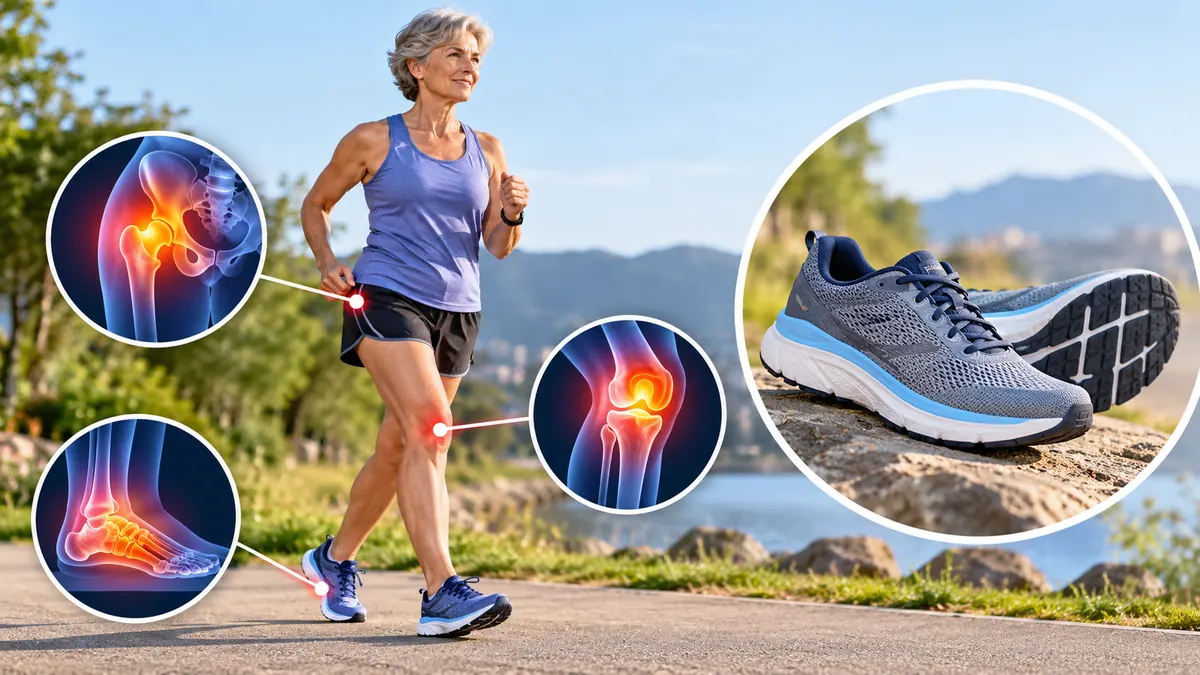
Your feet, knees, and hips work as a connected chain when you walk or run. A shoe that changes how your foot lands, how much it rolls inward, or how stable you feel can affect movement farther up the leg. That does not mean a shoe is always the cause of pain, but it is one of the easier variables to review.
Common footwear-related problems include shoes that are too narrow, too loose at the heel, worn down unevenly, too soft and unstable, too firm for your preference, or simply wrong for the activity. A sudden switch to a very different heel-to-toe drop, rocker shape, or support level can also change the load on your muscles and joints.
If the Pain Is Mostly in Your Feet
Foot pain is broad, so the location matters. Heel pain may point you toward different shoes than forefoot pressure, toe pain, or arch fatigue. Start with our best shoes for foot pain guide, then narrow the choice if you have a more specific issue such as plantar fasciitis, overpronation, wide feet, bunions, or high arches.
In general, look for a secure heel, enough room in the toe box, cushioning that feels protective without being unstable, and support that matches how your foot moves. If you are not sure what category fits you, the free Shoe Fit & Gait Calculator can help narrow the options.
If the Pain Is Mostly in Your Knees
Knee pain can be affected by much more than footwear, but shoes can influence comfort by changing cushioning, stability, and how smoothly your foot moves through each step. People who feel less stable in very soft shoes may prefer a broader platform or a stability-oriented model, while others may simply need fresher cushioning or a better-fitting neutral shoe.
See our best shoes for knee pain guide for current options and a fuller explanation of what to look for.
If the Pain Is Mostly in Your Hips
Hip discomfort can also be influenced by how stable and natural your stride feels. A shoe that is too narrow, too unstable, or badly worn can alter how you move. That does not mean the shoe caused the hip pain, but it can be worth removing obvious footwear problems before assuming the answer is simply more cushioning.
Our best shoes for hip pain guide focuses on supportive, cushioned options and explains the trade-offs between softness, stability, and fit.
Could Overpronation or Gait Be Part of the Problem?
Pronation is a normal part of walking and running, but some people are more comfortable in shoes that provide additional guidance or structure. If your feet roll inward noticeably and you also feel unstable or uncomfortable, compare the options in our best shoes for overpronation guide.
Do not assume that every ache means you need a stability shoe. Many people do well in neutral shoes. The goal is to find the level of support that feels comfortable and natural for your gait.
Check the Shoes You Already Own First
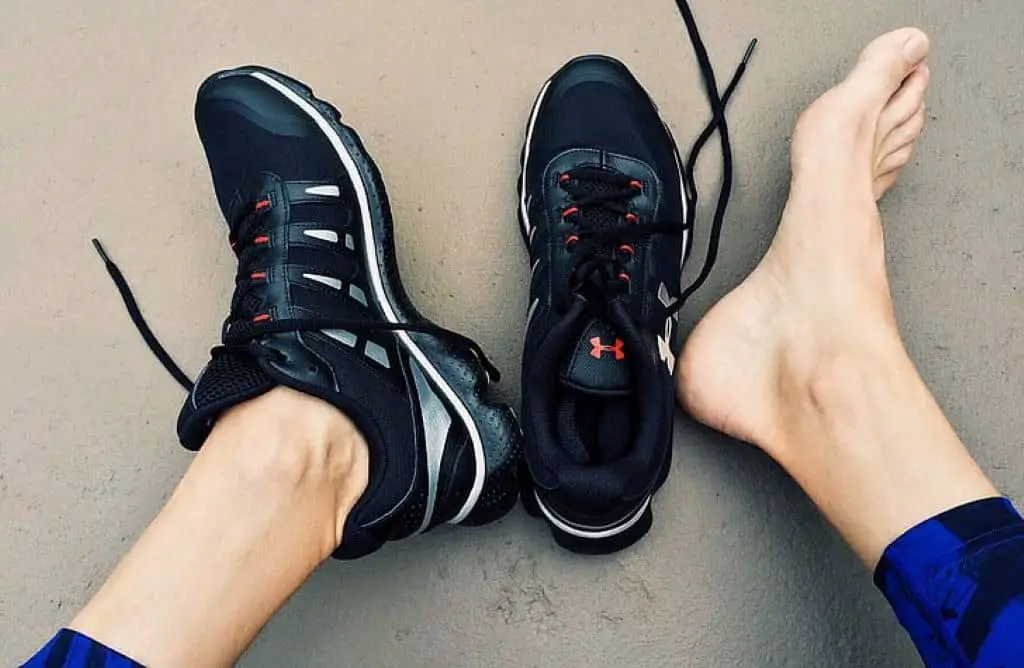
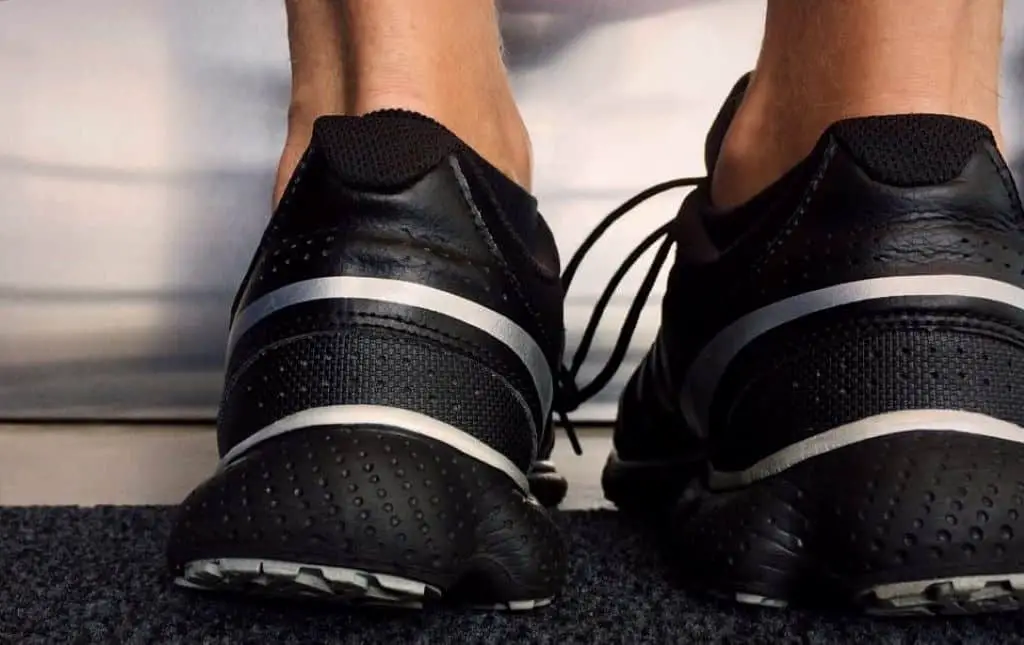
Before buying something new, inspect your current shoes. Look for compressed foam, an outsole worn more heavily on one side, a heel counter that no longer holds your foot securely, or a fit that becomes tight after your feet swell. If the pain started soon after switching shoes, compare the new pair with the old one for differences in drop, width, cushioning, and support.
When Shoes Are Not the Main Issue
Pain that is severe, persistent, worsening, associated with swelling or numbness, or changing the way you walk or run should not be treated as a shoe-shopping problem. A qualified health professional can help determine whether an injury, joint problem, nerve issue, or other condition is involved.
Where to Go Next
Start with the area that hurts most: foot pain, knee pain, or hip pain. If you suspect gait or support is the bigger issue, compare our overpronation guide or use the free Shoe Finder.
You can also browse the Common Shoe Questions hub for related answers about comfort, fit, support, sizing, work shoes, boots, and buying decisions.