Last Updated on September 22, 2026
| Quick Answer: Best Shoes for Heel Spurs in 2026. Heel spurs are bony growths on the heel bone and often occur alongside plantar fasciitis, but the spur itself is not always the source of pain. Shoes cannot remove a heel spur. The most useful footwear features are a comfortable fit, cushioning under the heel, enough arch support for your foot, a stable platform and room for an orthotic if you use one. Our top current options are the Brooks Ghost Max 4, Hoka Bondi 9, New Balance Fresh Foam X More v6, Asics Gel-Kayano 33, Brooks Adrenaline GTS 25, Brooks Glycerin GTS 23 and Orthofeet Coral Stretch Knit. |
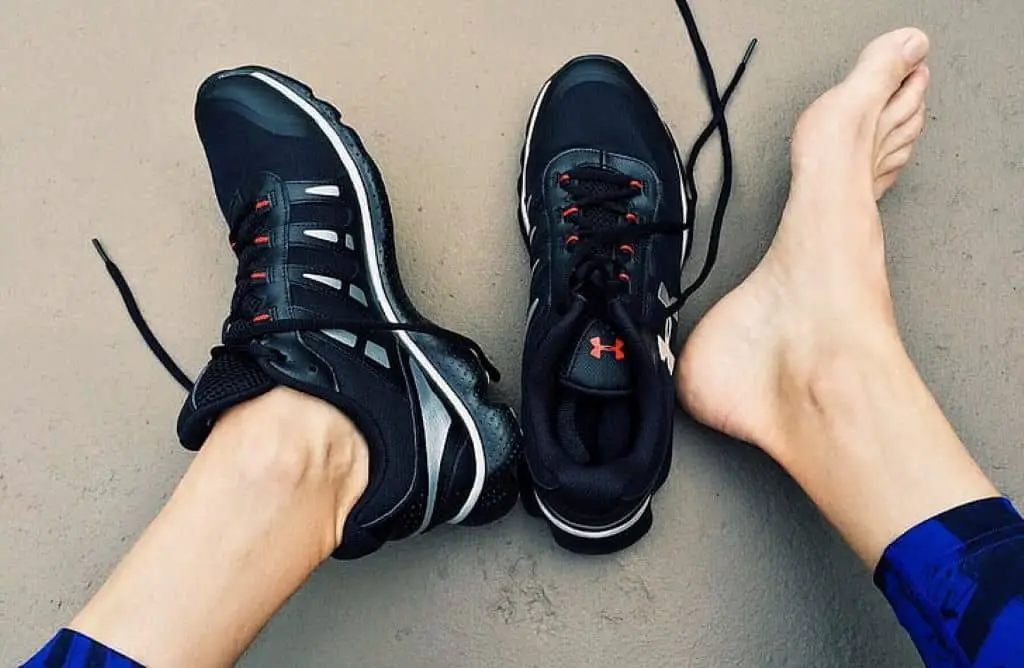
Heel pain can make the first few steps of the day miserable, but “heel spur” is often used too loosely. A heel spur is a calcium deposit or bony growth on the heel bone. Many people have one without pain. When heel pain is present, plantar fasciitis or irritation of nearby soft tissue may be the bigger issue.
That changes how we evaluate shoes. We are not looking for footwear that claims to dissolve, correct or heal a spur. We are looking for shoes that can make walking more comfortable by cushioning the heel, supporting the foot, fitting properly and reducing pressure from a hard or worn-out shoe. For persistent heel pain, especially pain that is getting worse or changing the way you walk, a health professional can help identify the actual cause.
Best Shoes for Heel Spurs at a Glance
The best shoe depends on how much cushioning and support feels comfortable to you. This list includes neutral max-cushion shoes, structured stability models and an orthopedic-style walking shoe so you can compare different approaches instead of assuming that one design works for everyone.
| Shoe | Best for | Why it stands out | Price |
|---|---|---|---|
| Brooks Ghost Max 4 | Best overall | Deep cushioning, broad base, rocker transition | Check latest price |
| Hoka Bondi 9 | Maximum cushioning | High stack, broad platform, rocker geometry | Check latest price |
| New Balance Fresh Foam X More v6 | Wide feet | Soft cushioning, wide base, multiple widths | Check latest price |
| Asics Gel-Kayano 33 | Structured stability | FLUIDSUPPORT, PureGEL heel cushioning, width options | Check latest price |
| Brooks Adrenaline GTS 25 | Everyday support | GuideRails, cushioned heel, traditional fit | Check latest price |
| Brooks Glycerin GTS 23 | Plush stability | DNA TUNED cushioning plus GuideRails | Check latest price |
| Orthofeet Coral Stretch Knit | Orthotics and sensitive feet | Extra depth, removable insole, adjustable arch support | Check latest price |
What Is a Heel Spur?
A heel spur is a bony growth that develops on the calcaneus, or heel bone. It is often associated with long-term stress where connective tissue attaches to the heel. Importantly, the presence of a heel spur does not automatically mean it is causing the pain. Many people have heel spurs that are discovered on an X-ray but never produce symptoms.
Cleveland Clinic notes that heel spurs themselves may be painless and are often associated with conditions such as plantar fasciitis. That is why shoe advice should focus on comfort and the underlying mechanics of walking rather than promising to “fix” the bone growth.
If your pain is sharpest with the first steps after getting out of bed, or sits under the heel and improves somewhat as you move, plantar fascia irritation may be involved. Our separate guide to the best walking shoes for plantar fasciitis goes deeper into that condition.
Best Shoes for Heel Spurs in 2026
We selected these models because they offer current cushioning technologies, stable platforms, useful width options or space for orthotics. None is a medical treatment. A shoe belongs on this list only if its design gives you a reasonable chance of reducing pressure and discomfort during walking or standing.
Brooks Ghost Max 4
Best for: Most people who want deep cushioning without a corrective stability system.

The Brooks Ghost Max 4 is our best overall starting point because it combines a deep layer of soft cushioning with a broad base and a gently curved rocker. That combination can reduce the harshness of heel strike without making the shoe feel narrow or unstable. It is a neutral shoe, so it does not add medial posting or GuideRails.
The listed heel-to-toe drop is 6mm, and the men’s model weighs about 10.2 ounces. Brooks also offers multiple widths. Read our full Brooks Ghost Max 4 review.
Choose the Ghost Max 4 if you want cushioning first. If you prefer a more guided ride, compare it with the Gel-Kayano 33 or Adrenaline GTS 25 instead.
Hoka Bondi 9
Best for: Walkers who like a very cushioned heel and a pronounced rocker transition.
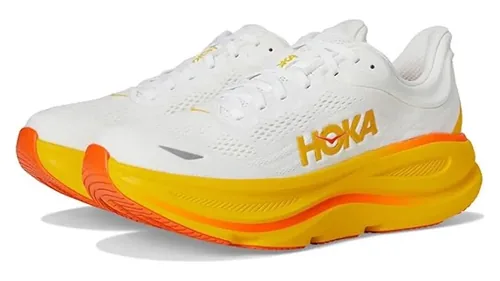
The Hoka Bondi 9 is one of the most cushioned mainstream road shoes available. Its thick midsole reduces ground feel, while the broad base helps keep the tall platform stable. The MetaRocker geometry creates a rolling transition from heel to toe.
The Bondi 9 uses a 5mm drop and is available in wide sizing. Its biggest strength here is simple: a lot of cushioning under the heel. Read our Hoka Bondi 9 review.
The downside is bulk. If you dislike tall shoes or want a closer-to-ground feel, the Bondi may feel excessive.
New Balance Fresh Foam X More v6
Best for: Wide feet and walkers who want maximum cushioning through both the heel and forefoot.

The New Balance Fresh Foam X More v6 is another max-cushion option. The Fresh Foam X midsole is soft and deep, while the footprint is unusually broad. That is useful if you want a cushioned heel but do not want the shoe to feel narrow or tippy.
New Balance offers several width options. Its listed drop is 4mm. Read our New Balance Fresh Foam X More v6 review.
The main trade-off is weight. People who value a light, nimble feel may prefer the Ghost Max 4.
Asics Gel-Kayano 33
Best for: Walkers who want cushioning plus a clearly guided stability platform.
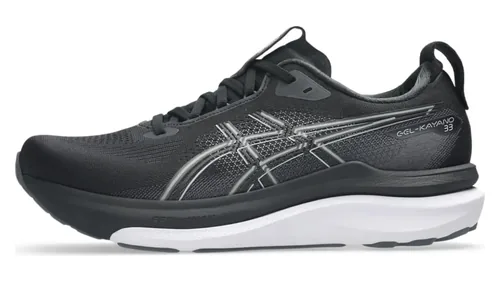
The Asics Gel-Kayano 33 is the current version of Asics’ long-running stability trainer. It introduces FLUIDSUPPORT, a dual-density midsole system that combines FF Blast Max over FF Blast Plus with supportive geometry rather than the 4D Guidance System used in the Gel-Kayano 32. PureGEL remains under the heel for rearfoot cushioning.
The Gel-Kayano 33 keeps the focus on a stable, cushioned platform with a secure rearfoot fit and multiple width options. That can be useful when heel movement inside the shoe is irritating, while the cushioning helps soften repeated impact during walking.
Do not choose the Kayano simply because you have a heel spur. Stability is useful when it matches your gait and feels comfortable.
Brooks Adrenaline GTS 25
Best for: Everyday walking support in a more traditional shoe shape.

The Brooks Adrenaline GTS 25 is less bulky than the max-cushion shoes above and gives you more guidance than a neutral shoe. Brooks’ GuideRails system adds support around the heel and rearfoot without using the hard medial post found in older stability shoes.
The 10mm drop creates a more traditional heel-raised geometry, and DNA LOFT v3 cushioning softens the landing. Read our Brooks Adrenaline GTS 25 review.
If you want more cushioning with the same general support philosophy, move up to the Glycerin GTS 23.
Brooks Glycerin GTS 23
Best for: Plush cushioning with built-in stability.

The Brooks Glycerin GTS 23 is the premium, softer sibling of the Adrenaline. It pairs Brooks’ GuideRails system with DNA TUNED cushioning, giving you a plush landing while still controlling excess side-to-side movement.
The shoe uses an 8mm drop and is available in wide and extra-wide versions in selected colorways. Read our Brooks Glycerin GTS 23 review.
The trade-off is price and weight. If you do not need GuideRails, the Ghost Max 4 gives you a deep cushioned ride for less.
Orthofeet Coral Stretch Knit
Best for: Women who use orthotics or need extra depth and a pressure-relieving upper.
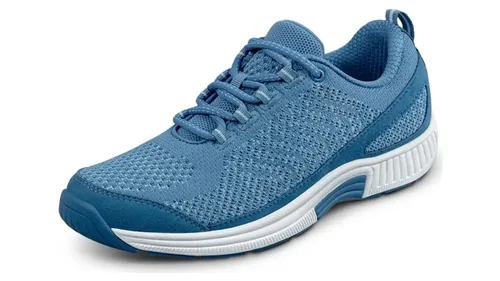
The Orthofeet Coral Stretch Knit takes a different approach from the running shoes above. It is built around extra depth, a stretch upper and a removable orthotic-style insole. That makes it useful if your heel pain comes with other fit problems, swelling, bunions or a prescribed insert that needs more room inside the shoe.
The insole system includes adjustable arch support components, and the toe box is roomy. Read our Orthofeet Coral Stretch Knit review.
This is a comfort-first walking shoe for people whose feet need more accommodation.
What to Look for in Shoes for Heel Spurs
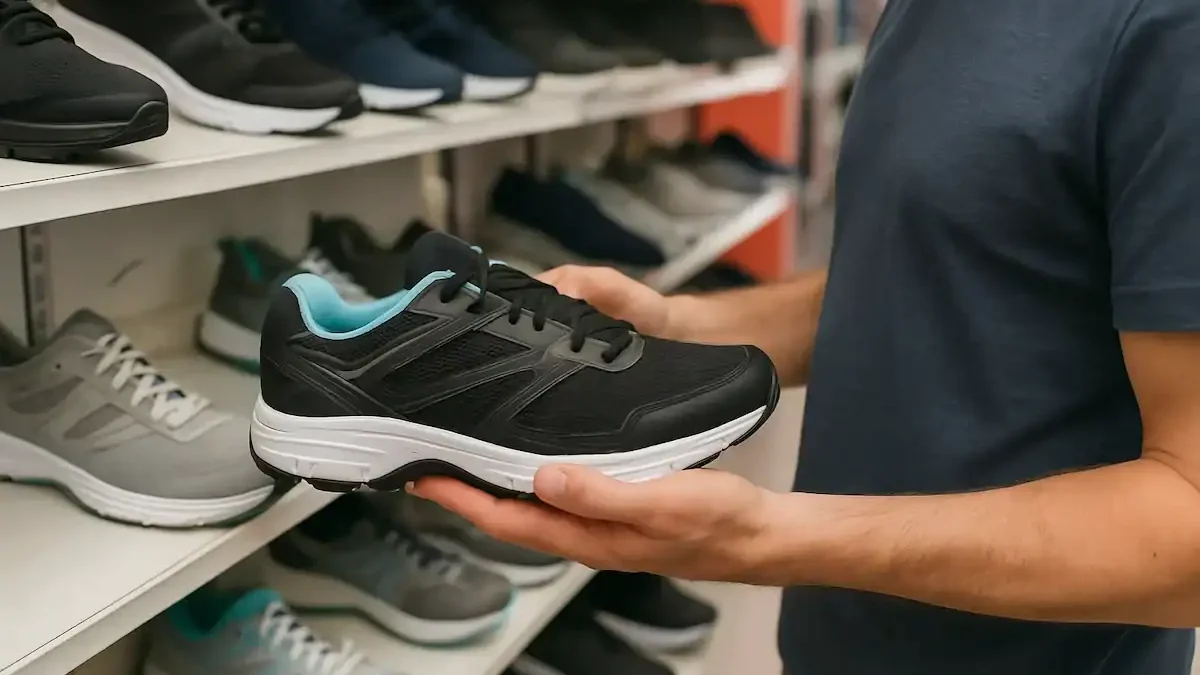
Start with comfort rather than labels. A shoe marketed as orthopedic is not automatically better than a running shoe, and a max-cushion shoe is not automatically better than a moderate-cushion model. The best shoe is the one that reduces pressure, fits securely and feels comfortable during the activities you actually do.
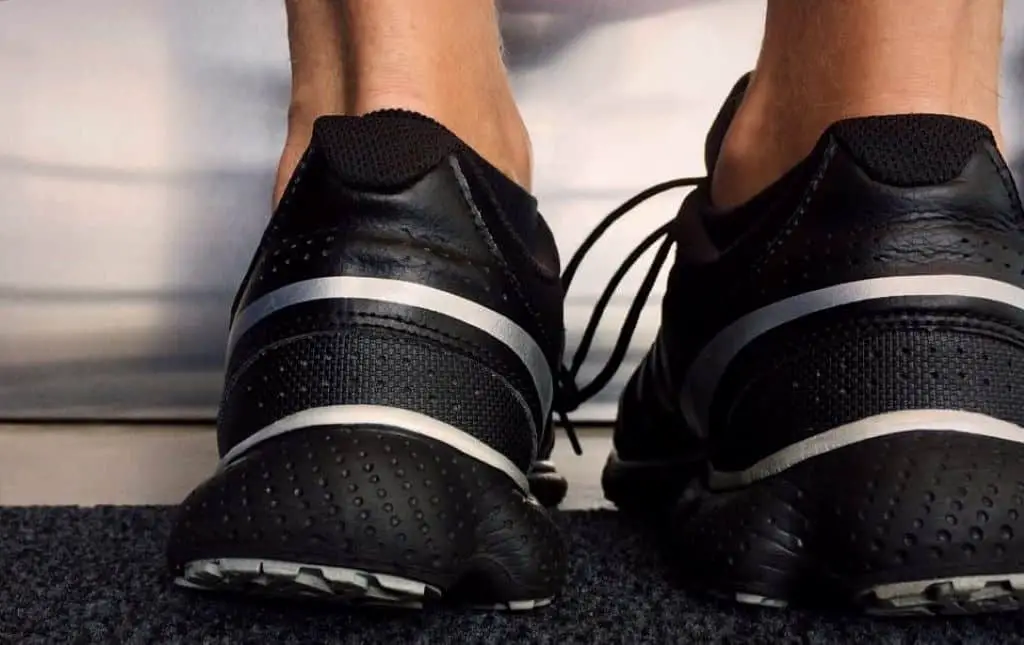
Heel cushioning matters because a hard heel can make every step feel sharper. A stable heel counter can also help keep the rearfoot from sliding around inside the shoe. If the shoe is too loose, your heel can move; if it is too tight, the upper can create new pressure points.
Arch support is useful when it matches your foot, but more support is not always better. If you use a prescribed orthotic, look for a removable factory insole and enough internal depth. Our arch support shoe guide covers additional options.
Width matters as much as cushioning. If you are unsure about sizing, use our shoe fit calculator or free Shoe Finder.
When to See a Doctor About Heel Pain
A shoe change makes sense when your current pair is worn out, hard under the heel or clearly uncomfortable. It does not make sense to keep buying shoes while persistent pain goes unexplained.
See a health professional if heel pain is severe, keeps getting worse, causes significant swelling, follows an injury or makes it difficult to walk normally. Ongoing pain may come from plantar fasciitis, Achilles tendon problems, a stress injury, nerve irritation or another condition that needs a different treatment plan.
Frequently Asked Questions About Heel Spurs and Shoes
Heel-spur questions often overlap with plantar fasciitis because the two can occur together. The answers below separate what shoes can reasonably do from claims that go beyond the evidence.
No. A shoe cannot remove or dissolve a bony heel spur. Footwear may make walking more comfortable by cushioning the heel, fitting properly and providing the amount of support your foot needs.
No. Many heel spurs cause no symptoms and are found incidentally on imaging. Pain around the heel may instead come from plantar fasciitis or another nearby structure.
No. Cushioning can reduce the harshness of heel strike, but an extremely soft shoe can feel unstable to some people. Look for cushioning that feels comfortable and controlled rather than simply choosing the thickest midsole.
Not necessarily. A heel spur does not by itself tell you whether you need a stability shoe. Choose stability footwear if you prefer a guided ride, have significant overpronation or have been advised to use more structured support.
Many of the shoes in this guide have removable insoles and enough internal volume for aftermarket or prescribed orthotics. The Orthofeet Coral is especially accommodating. Always check that the insert does not make the shoe too tight or lift the heel out of the heel cup.
They can be. Modern running shoes often provide more cushioning, widths and support choices than traditional walking shoes. For walking, choose a running shoe only if it feels stable and natural at your walking pace.
Replace shoes when the midsole has noticeably compressed, the outsole is worn unevenly, the shoe tilts or deforms, or the cushioning no longer feels comfortable. Do not wait for a fixed mileage number if the shoe is clearly worn out.