Last Updated on October 6, 2026
Quick Answer: The Asics Novablast 6 is our best road running shoe for most runners in 2026 because it is cushioned enough for easy and long runs but still lively enough for faster daily training. Choose the Brooks Ghost 18 for a more traditional everyday ride, the New Balance 1080v15 for softer cushioning and width options, or the Asics Gel-Kayano 33 if you want added stability. The Nike Pegasus 42 remains a versatile all-rounder, while the Puma Deviate Pure Nitro suits runners who want a lighter, faster feel. Compare all eight picks.
Road running shoes are designed for pavement, asphalt, concrete and other hard, predictable surfaces. The best option is not simply the softest or lightest shoe. It should match your training, fit your foot securely and feel natural at the paces you run most often.
This list covers daily trainers, cushioned options, a stability shoe and lighter choices for faster workouts. For a broader everyday-training comparison, see our best daily running shoes. New runners can start with our beginner running shoe guide. If you mostly run trails, use our trail-running guides instead. If maximum softness is your priority, compare our best cushioned running shoes.
Best Road Running Shoes Compared
Shoe | Best for | Ride | Launch price |
|---|---|---|---|
Best overall | Soft, bouncy and versatile | $155 | Check latest price | |
Everyday running | Smooth and traditional | $150 | Check latest price | |
Cushioned long runs | Soft and energetic | $170 | Check latest price | |
Easy miles and comfort | Plush with a smooth rocker | $155 | Check latest price | |
Stability | Cushioned and guided | $170 | Check latest price | |
Versatility | Balanced and familiar | $145 | Check latest price | |
Lightweight training | Springy and flexible | $150 | Check latest price | |
Value all-rounder | Balanced and dependable | $145 | Check latest price |
Asics Novablast 6: Best Overall Road Running Shoe
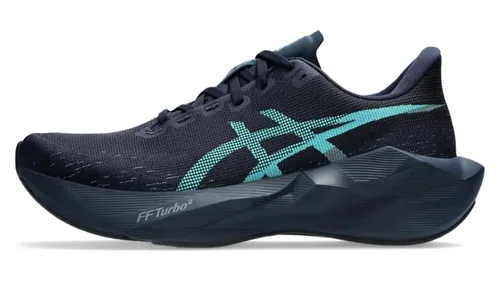
The Novablast 6 is the easiest recommendation here for runners who want one road shoe to cover most weekly training. It has a tall, cushioned feel but still gives the forefoot enough rebound to make steady and faster runs more enjoyable. That makes it more versatile than a pure recovery shoe. The trade-off is that runners who prefer a low, firm or very traditional ride may find it too tall. Read our full Asics Novablast 6 review.
Brooks Ghost 18: Best Traditional Daily Trainer
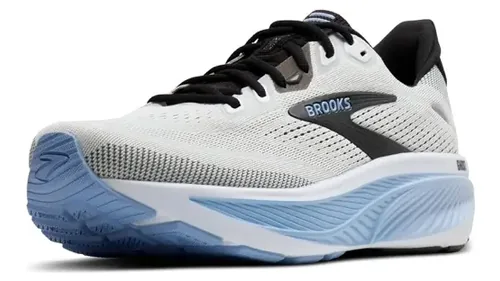
The Ghost 18 is for runners who do not want a shoe to feel complicated. Its appeal is a smooth, predictable ride, secure fit and enough cushioning for regular daily mileage. It is less bouncy than the Novablast and less plush than the 1080, but that can be a benefit if you prefer a more familiar road-running feel. It works especially well as a dependable “grab it and run” trainer. Read our Brooks Ghost 18 review.
New Balance 1080v15: Best for Cushioned Long Runs
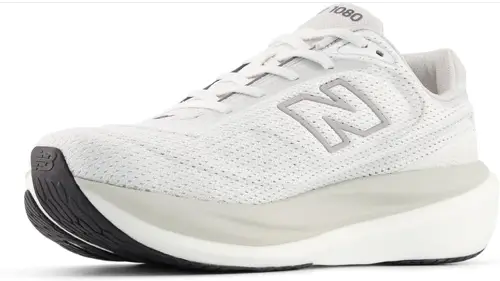
The 1080v15 is the softer choice for runners who want more cushioning underfoot without giving up all sense of energy. It is well suited to easy miles, long runs and recovery days, and New Balance usually gives runners more width choices than many competing brands. The fit is a little more streamlined than the previous version, so wide-footed runners should choose their actual width rather than simply sizing up. Read our New Balance 1080v15 review.
Hoka Clifton 11: Best for Easy Miles and Comfort
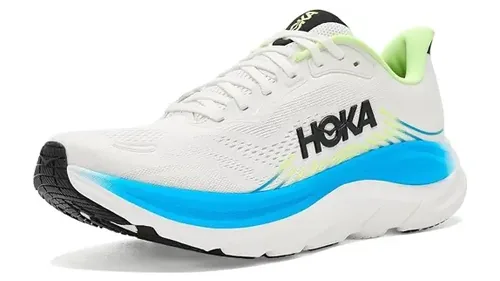
The Clifton 11 works best when comfort matters more than speed. Its rocker helps the shoe roll forward smoothly, while the broad platform keeps the tall cushioning from feeling excessively unstable. It is a good match for easy runs, recovery days and runners who also use the same shoe for walking. Faster runners may want something more responsive for workouts. Read our Hoka Clifton 11 review.
Asics Gel-Kayano 33: Best Stability Road Running Shoe
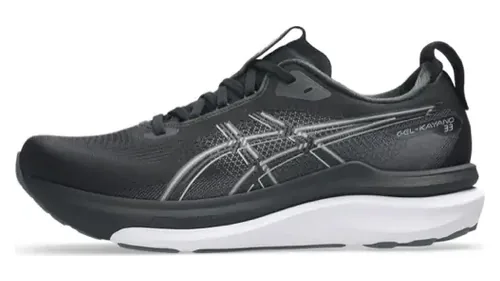
The Gel-Kayano 33 is the pick for runners who want a more guided, planted ride. Its stability comes from the shape and structure of the midsole rather than the hard medial posts used in many older stability shoes. The result is substantial cushioning with a broad base and a more controlled feel. It is better for easy and long mileage than speedwork. Read our Asics Gel-Kayano 33 review.
Nike Pegasus 42: Best Versatile Nike Road Shoe
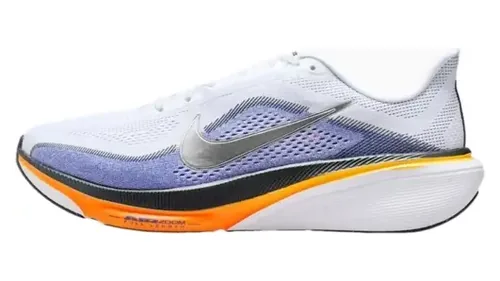
The Pegasus 42 is the straightforward Nike option for runners who want one shoe for normal road mileage. It is not as soft as the 1080 or as springy as the Novablast, but its balanced ride makes it easy to use for short runs, daily training and moderate longer efforts. It also makes sense for runners who prefer a more conventional feel rather than a very tall max-cushion platform. Read our Nike Pegasus 42 review.
Puma Deviate Pure Nitro: Best Lightweight Trainer
The Deviate Pure Nitro is the lightest-feeling option in this group for runners who want a daily shoe that can comfortably pick up the pace. Unlike Puma’s plated Deviate models, the Pure version is flexible underfoot, which makes it easier to live with on ordinary training days. It is best for neutral runners with narrower feet; the fit is not especially generous and there is no broad range of width options. It also needs more break-in time than most shoes on this list. Read our full Puma Deviate Pure Nitro review.
Saucony Ride 19: Best Value All-Rounder
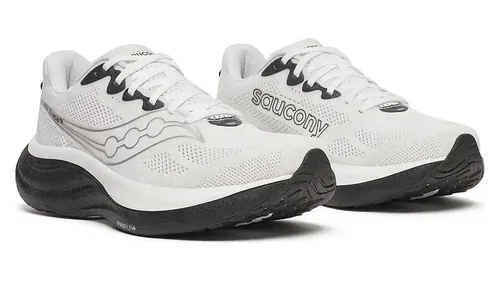
The Ride 19 is the sensible choice for runners who want a neutral road shoe without paying for a highly specialized design. It delivers a balanced amount of cushioning, enough structure for regular mileage and a ride that works across easy and steady paces. It is less dramatic than the Novablast or Vomero-style max-cushion shoes, but that straightforward character makes it useful as an everyday trainer. Read our Saucony Ride 19 review.
Ready for a new pair? Compare current road running shoe prices and availability on Amazon.
How to Choose the Best Road Running Shoes
Road shoes may look similar, but changes in cushioning, support, heel-to-toe drop and fit can make two shoes feel completely different. Start by thinking about how you plan to use the shoe rather than looking for the model with the most technology.
Start With How You Run
If you want one pair for most of your weekly mileage, choose a versatile daily trainer. Shoes such as the Asics Novablast 6, Brooks Ghost 18, Nike Pegasus 42 and Saucony Ride 19 are designed to handle regular training without being highly specialized.
If most of your runs are easy or long, you may prefer more cushioning. The New Balance 1080v15 and Hoka Clifton 11 put greater emphasis on comfort and impact protection. If long runs are your main priority, compare our best long-distance running shoes.
Runners doing tempo sessions or other faster workouts may prefer something lighter and more responsive, such as the Puma Deviate Pure Nitro.
Decide How Much Cushioning You Want
More cushioning does not automatically make a running shoe better.
Highly cushioned shoes place more foam between your foot and the road. This can make hard pavement feel more forgiving, especially during longer runs. However, some runners prefer a firmer or lower shoe because it provides more ground feel and can feel easier to control.
The best level of cushioning is the one that feels comfortable without making your stride feel unstable or awkward.
Understand Neutral and Stability Shoes
Most road running shoes are neutral shoes. They do not include extra technology intended specifically to control inward foot movement.
Stability shoes add design features that help guide the foot through the stride. The Asics Gel-Kayano 33, for example, uses FluidSupport, which combines different cushioning layers with midsole geometry to create additional support.
You do not automatically need a stability shoe because your feet pronate. Pronation is a normal part of walking and running. If you have recurring pain or have been advised to use additional support, a stability shoe may be worth considering.
Pay Attention to Heel-to-Toe Drop
Heel-to-toe drop measures the difference in height between the heel and forefoot.
A shoe with a 10 mm drop places the heel 10 mm higher than the forefoot. Lower-drop shoes create a flatter platform.
Neither is inherently better. If you have run comfortably in shoes with a certain drop, staying reasonably close to it can make changing shoes easier. Moving suddenly to a much lower drop may put different stresses on the calves and Achilles tendon, so make major changes gradually.
Make Sure the Toe Box Fits
Your toes should have enough room to spread naturally without the shoe feeling loose.
Running feet can also swell during longer workouts. A shoe that feels just large enough when you first put it on may become uncomfortable several miles into a run.
Look for roughly a thumb’s width of space between your longest toe and the front of the shoe. The heel should remain secure, and your foot should not slide forward or side to side.
Wide-footed runners should also check actual width options instead of simply sizing up. Several major road shoes are offered in wide or extra-wide versions.
Think About the Surface
Road running shoes are optimized for pavement, asphalt, concrete and similar hard surfaces.
Their outsoles are generally flatter and less aggressive than trail shoes. That helps create smoother transitions on pavement and keeps unnecessary weight down.
A road shoe can handle occasional packed gravel or a maintained park path, but frequent running on mud, rocks or loose terrain calls for a trail running shoe with deeper lugs and more protection.
Consider Shoe Weight
Lighter shoes can feel easier to turn over when you increase your pace, but reducing weight often means giving up some cushioning, structure or outsole rubber.
For everyday running, do not choose based on weight alone. A slightly heavier shoe that fits well and remains comfortable late in a run may be a much better training shoe than a lighter model that does not suit your stride.
Daily Trainer or Racing Shoe?
Most runners should use a daily trainer for most of their mileage.
Modern racing shoes often use lightweight premium foams and carbon-fiber plates to improve running efficiency at faster speeds. They can be excellent on race day but are more expensive and are not necessary for ordinary training.
A versatile road trainer is usually the better place to start. Runners who race regularly can add a faster shoe later and rotate between the two.
How Much Should You Spend?
Road-running-shoe prices vary widely by brand, model and timing. You do not need the most expensive shoe to run comfortably. Fit and suitability matter more than price, and previous-generation models can offer especially good value after a replacement launches.