

Saucony Echelon 10 Review: Stable, Wide and Orthotic-Friendly
The Saucony Echelon 10 is a broad, stable running and walking shoe for orthotics, wide feet and everyday comfort. We explain fit, support, specs and alternatives.
Read Review →Find the review you need without digging through the site.
Search by shoe name, then filter by shoe type or brand. Reviews are listed newest first unless you choose another sort order.
289 reviews
The Saucony Echelon 10 is a broad, stable running and walking shoe for orthotics, wide feet and everyday comfort. We explain fit, support, specs and alternatives.
Read Review →
Saucony's cheapest trainer gets a new foam and holds on to the tall heel that heel strikers like. It is hard-wearing, steady and available in wide. What you give up is any sense of spring, and forefoot strikers will find it a firm ride.
Read Review →
Brooks built this one to be steady and cheap rather than exciting, and it shows. It is a genuinely good walking and gym shoe with a wide, planted base. Ask more of it than a short, easy run and the thin, firm foam starts to tell.
Read Review →
At $65 this is one of the cheapest current shoes any big brand sells, and it still manages soft foam, a wide fitting and a sensible amount of height underfoot. It suits walking and short runs. Adidas keeps the details thin, and the cushioning fades fast.
Read Review →
Nike's cheapest road shoe is softer than it used to be and cut with more room across the toes, which makes it an easy everyday pick at $85. It handles walking and short runs comfortably. Nike keeps the details vague, and there is no wide fitting to fall back on.
Read Review →
Nike has put a visible air unit back under the forefoot of its springiest Pegasus, and the result is a light, snappy shoe for the days you want to move. The tall heel makes it kind to sore calves. It is a specialist, not an all-rounder, and it is priced like one.
Read Review →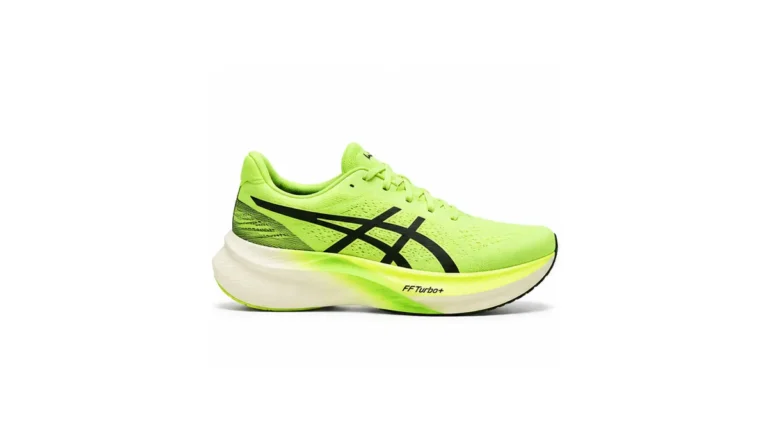
Asics has made its plated super trainer lighter and considerably more fun, adding a springy pod under the forefoot without giving up the planted feel that sets it apart from rivals. It handles easy days and fast ones. The price went up sharply to pay for it.
Read Review →
Puma's support shoe now gets its steadiness from the shape of the foam rather than from anything hard pressing on your arch, which makes it a comfortable option for feet that roll inward. It is a tall, secure platform. The weight is what you notice as the miles add up.
Read Review →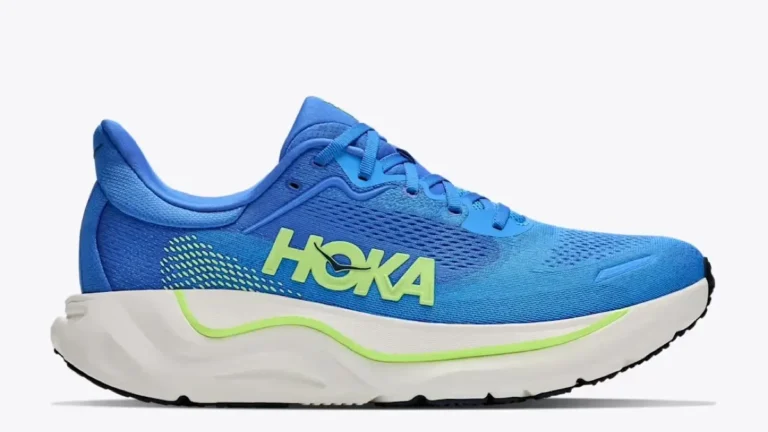
Hoka's support shoe is softer and cooler than before, and it still holds the foot steady with a frame built into the foam rather than a wedge under the arch. It suits walkers and easy-paced runners. The extra weight is the one thing working against it.
Read Review →
The cheapest shoe Asics sells has quietly become a decent one, with extra foam underfoot and a rare run of widths up to 4E. It works best as a walking and everyday shoe. The weight is the reason it stays a short-distance proposition.
Read Review →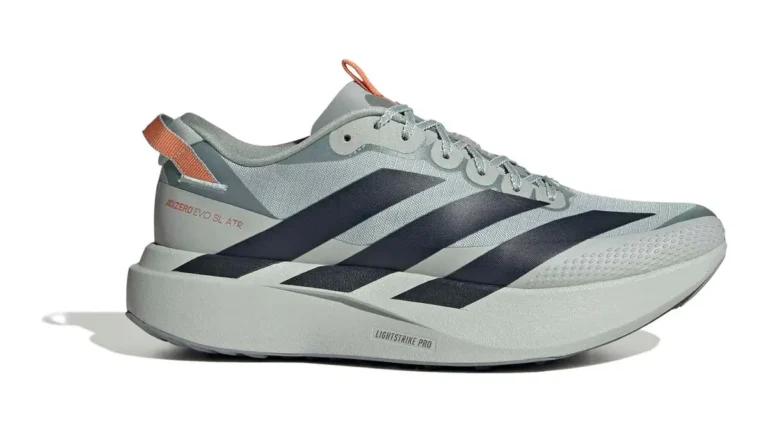
Adidas took a much-loved lightweight trainer and dressed it for bad weather, adding a water-shedding upper and grippier rubber. It is one of the better cold-season running shoes you can buy. The extra weight and the near-total lack of ventilation are what you accept in return.
Read Review →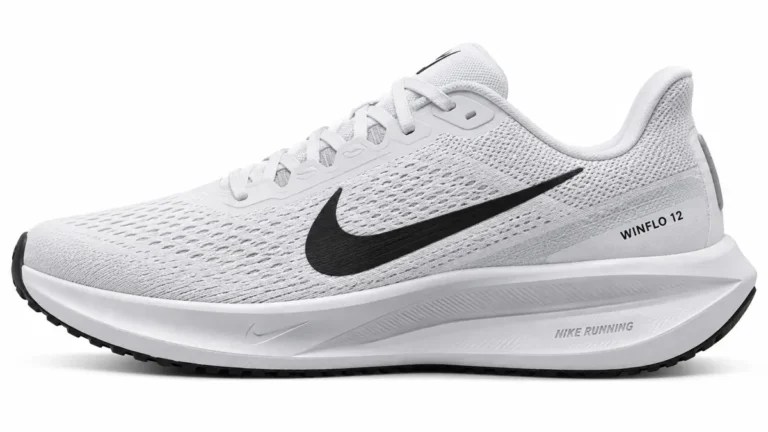
Nike has rebuilt its cheapest proper trainer around soft foam and an air unit, and it comes in regular, wide and extra-wide. For comfort per dollar it is one of the better buys in the range. The thing to weigh up is how much the weight bothers you.
Read Review →